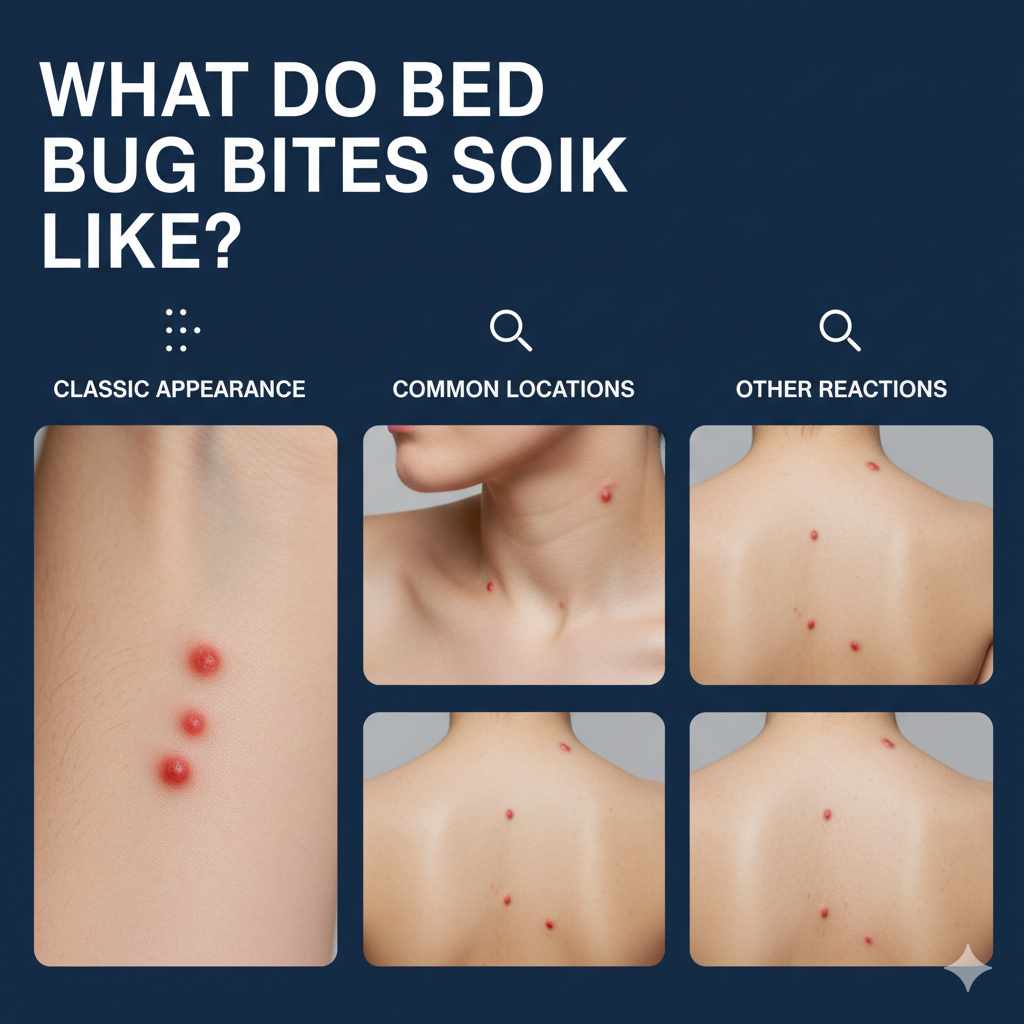
Bed bug bites typically appear as small, red, itchy welts, often grouped in a line or cluster on skin exposed during sleep. They look similar to mosquito bites but usually appear in patterns. Identifying these distinct marks is the first step in dealing with an infestation quickly and safely.
Finding an unexpected bite mark on your skin when you wake up is never fun. It can make you wonder what caused it. Are they just mosquito bites? Spider bites? Or something worse? Knowing exactly what bed bug bites look like is key to dealing with the problem fast. Don’t worry; we’re going to break down the visual signs. We will use picture-perfect descriptions, so you can feel confident identifying them and taking the next steps. Learning to spot these tiny invaders’ calling cards is easier than you think.
Understanding the Culprit: Why Bed Bugs Bite
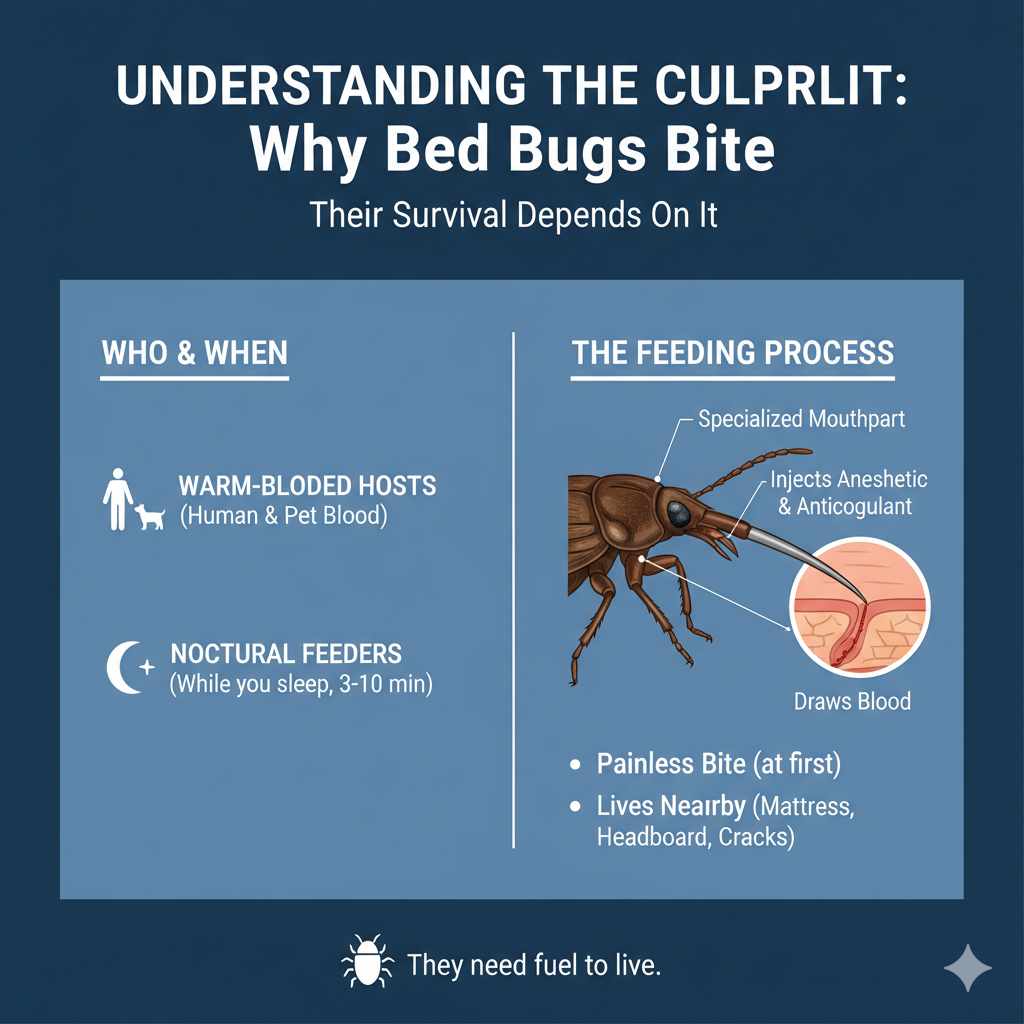
Before we look at the marks they leave, let’s briefly chat about why bed bugs bite in the first place. Think of it like this: your car needs fuel to run; a bed bug needs blood to live.
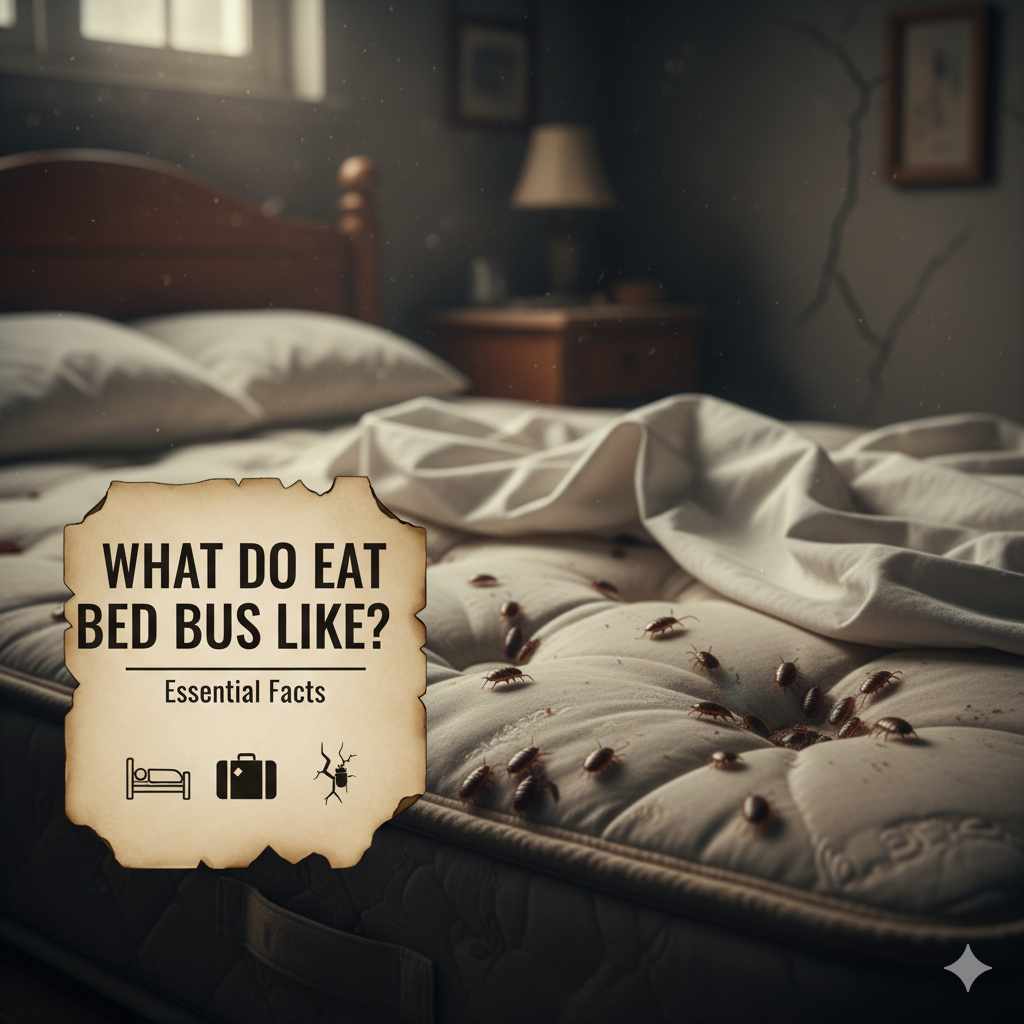
Bed bugs are small insects that feed exclusively on warm-blooded hosts—that means you, me, or your pet. They usually come out at night while you are fast asleep. They don’t live on you, but they live very close by—in your mattress seams, behind headboards, or in the tiny cracks of your bedroom furniture.
The feeding process is quick. They use a specialized mouthpart, almost like a tiny needle, to pierce the skin and draw blood. They typically feed for about 3 to 10 minutes. During this time, they inject a mild anesthetic and an anticoagulant (a substance that stops the blood from clotting). This means you usually don’t feel the bite as it happens!
The Main Event: Key Characteristics of Bed Bug Bites
Many insect bites look similar at first glance. That’s what makes identification tricky. However, bed bug bites have a few tell-tale signs that help set them apart from flea bites or mosquito bites.
Appearance: Color, Size, and Surface Texture
When you first look at a bed bug bite, it might just look like a small, pinkish-red bump on your skin.
Color: Bites are usually red or reddish-pink. In some people, especially those with fairer skin, they might appear slightly purple or even pale.
Size: Most bites are small, ranging from the size of a pinpoint to about 20 millimeters across. They are rarely very large unless the person scratches them a lot.
Shape: The most common shape is a small, raised welt (papule). They are often flat rather than blistered, though some people may develop small blisters, especially if they are highly sensitive.
Center Mark (Rare): Sometimes, if you look very closely in good light, you might see a slightly darker red spot in the very center of the bite, which is the actual puncture point. However, this fades quickly.
The Tell-Tale Pattern: Lines and Clusters
This is often the biggest clue that helps differentiate them from other pests. Bed bugs don’t wander around randomly while feeding; they often bite in accessible areas and may move slightly as they feed or are disturbed slightly.
This results in two common patterns you should look for:
1. Lines (Breakfast, Lunch, Dinner): This is the classic sign. Bed bugs often feed in a straight line, one after the other, along an exposed strip of skin. This pattern is sometimes referred to charmingly as “breakfast, lunch, and dinner.”
2. Clusters: You might find three or four bites grouped very closely together, looking almost like a tiny rash or small constellation.
The Symptom: Intense Itching
While some people don’t react to bed bug bites at all, for most, the primary symptom is itching.
Severity: The itching can range from mild annoyance to intensely irritating. It is often worse the next morning than it felt right after waking up.
Delayed Reaction: Unlike mosquito bites, which itch right away, bed bug bites often take a few hours, or sometimes even a full day, to develop a noticeable reaction, especially if it’s your first time being bitten.
Comparing Bed Bug Bites to Other Common Pests
When you see a red bump, your first instinct might be to blame the nearest culprit. Here is a comparison table to help you differentiate common insect bites. Remember, spotting patterns is more important than the look of a single bite!
| Pest | Typical Appearance | Common Pattern | When Do They Bite? |
|---|---|---|---|
| Bed Bugs | Small, red, raised welts. | Lines or small, tight clusters (3-5 bites). | Nighttime (while sleeping). |
| Mosquitoes | Larger, puffier welts that often blanch (turn white when pressed). | Randomly scattered, usually where skin was exposed outdoors. | Any time, often dusk and dawn. |
| Fleas | Small red dots, often with a red halo around them. | Tight clusters, often around ankles, waist, or where clothing is tight. | Any time; often bite pets first. |
| Spiders | Usually a single, more painful bite; may swell significantly or blister. | Single bite mark only; rarely clustered. | Any time, often accidental contact. |
Where Do Bed Bugs Usually Bite? Locations on the Body
Bed bugs aren’t picky, but they do favor areas of the body that are easily accessible and exposed while you sleep, especially skin that is close to the mattress or bedding. Think of areas where clothing is relatively loose or absent.
Here are the most common spots to check if you suspect bed bugs:
Arms and Hands: Very common targets as they are often draped over the side of the bed.
Neck and Shoulders: Areas frequently visible above blankets.
Face and Ears: Though less common than limbs, they will bite here if needed.
Legs and Ankles: Especially if your legs are hanging over the edge of the bed.
Torso and Back: If you sleep without a shirt or if the sheets are bunched up.
It’s important to note that bed bugs generally avoid areas covered by tight clothing. If you find bites only where your pajamas are tight around your chest, you might lean toward flea bites instead.
What If I Don’t React to the Bites?
This is an important point that often confuses people. Not everyone reacts the same way to bed bug saliva.
Some people, especially those who have only been bitten once or twice, might show no visible sign of a bite at all. For these individuals, recognizing bed bugs becomes much harder, as they rely on finding the bugs themselves or seeing other signs of infestation, like blood spots on sheets or tiny black fecal stains on the mattress piping.
Conversely, some people have very severe, allergic-type reactions, swelling the bites up significantly, which can lead to secondary infection if scratched open.
Step-by-Step Guide: What to Do When You See Bites
If you identify bites that look like the description above—red, itchy, and in a line or cluster—it’s time to take action. Treat this like you would a small engine issue: diagnose it, confirm it, and perform targeted maintenance.
Step 1: Document and Photograph the Bites
Before you start treating the bites themselves, grab your phone. Clear photos are extremely helpful if you need to show a landlord, a professional exterminator, or just want to compare them over the next few days.
Take close-up shots in good lighting.
Note the location on your body where the bites occurred.
Step 2: Treat the Immediate Itch
Your main goal right now is to stop the discomfort and prevent breaking the skin, which can lead to infection. Do not scratch aggressively!
Use these common remedies for relief:
1. Cool Compress: Apply a clean cloth soaked in cold water or an ice pack (wrapped in a towel) for 10–15 minutes to reduce swelling and numb the itch.
2. Topical Creams: Over-the-counter hydrocortisone cream works well to reduce inflammation and itching. Calamine lotion can also soothe the skin.
3. Oral Antihistamines: If the itching is widespread or severe, an oral, non-drowsy antihistamine (like Zyrtec or Claritin—check with your pharmacist) can help reduce the body’s overall histamine reaction.
Step 3: Inspect Your Sleeping Area (The Crucial Check)
The bites are just a warning light; the actual problem is in your bedroom. You need to confirm if the bites came from bed bugs or something else. This inspection must be thorough.
Here’s a simple checklist for your vehicle’s “sleeping area” (your bed):
Mattress Seams: Carefully run your fingers along every fold, crease, and piping edge of your mattress. Look for small, reddish-brown or black specks—these are dried blood spots or fecal matter.
Box Spring: Flip the box spring over. Check underneath the dust cover, especially where the staples are placed.
Bed Frame: Look closely at the joints, screw holes, and crevices of the metal or wooden frame. This is where they love to hide during the day.
Headboard: If your headboard has cracks or seems hollow, inspect those areas.
Nearby Furniture: Check nightstands or any upholstered furniture right next to the bed.
If you find tiny black spots (fecal matter) or actual bugs (they are flat, oval, and reddish-brown, about the size of an apple seed), you have confirmed your suspicion. You must move to professional treatment immediately.
Step 4: Clean and Contain (Temporary Measures)
While you wait for professional help or plan your next move, start reducing their environment:
Strip all bedding (sheets, pillowcases, duvet covers).
Do not shake the laundry bag. Place all fabric items directly into a sealed plastic bag before transporting them to the washing machine.
Wash everything in the hottest water cycle the fabric can handle.
Dry everything on the highest heat setting for at least 30 minutes. Heat kills them instantly.
Identifying Bed Bugs Themselves: A Quick Reference
Since the bites are sometimes inconclusive, knowing what the actual bugs look like helps confirm the source. Think of this as learning the engine noise—if you hear it, you know where to focus your repair efforts.
| Stage of Life | Approximate Size | Appearance Details |
| :— | :— | :— |
| Adult | Size of an apple seed (4-5 mm) | Flat, oval, reddish-brown. After feeding, they become bloated and darker, sometimes looking rusty red. |
| Nymph (Young) | Size of a pinhead to a poppy seed | Clearer or whitish-yellow. They become larger and browner as they mature through molts. |
| Eggs | Size of a pinhead | Pearly white, often laid in tight clusters in crevices. Very hard to spot without magnification. |
Expert Tip: Differentiating Bites from Scabies or Eczema
Sometimes, skin conditions can be misdiagnosed as bed bug bites, or vice versa. If you have persistent, severe itching that doesn’t respond well to standard bite treatments, consider these possibilities:
Scabies: Caused by microscopic mites. These bites usually burrow into the skin, creating tiny, raised, irregular lines (burrows), often found between fingers, wrists, or waistline. They itch intensely, especially at night.
Eczema (Dermatitis): This is dry, inflamed skin, often appearing patchy, scaly, or cracked. It doesn’t typically present as discrete, organized welts like bed bug bites do, though scratching can make it look similar.
If you cannot clear up the irritation within a week or two, or if the patterns don’t match the classic ‘line or cluster’ sign, it is wise to consult a dermatologist. For pest issues, consulting a licensed pesticide applicator (exterminator) is the safest route once you suspect an active infestation. You can find accredited professionals through state extension offices or reputable national services.
Safety First: Avoiding Secondary Infections
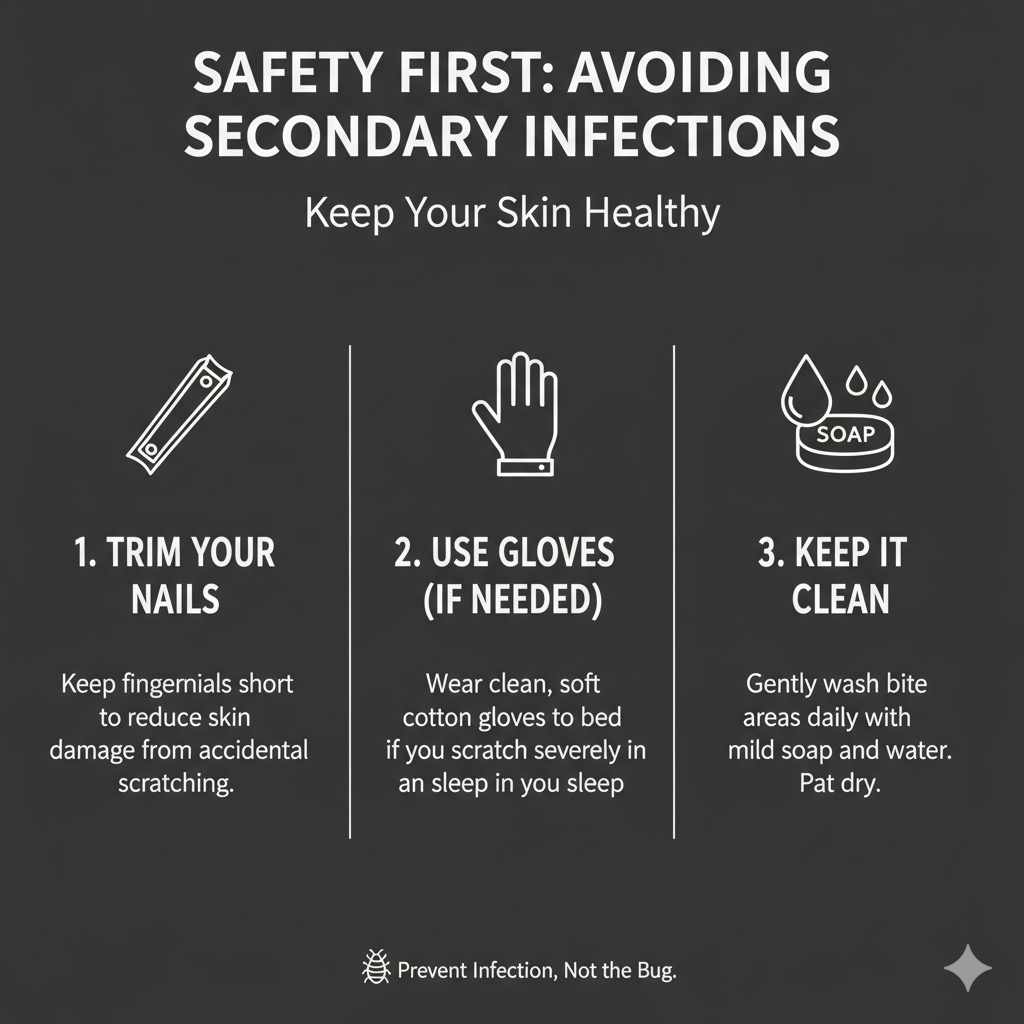
When dealing with itchy bites, the biggest risk you run isn’t the bug itself; it’s scratching too deeply. When you break the skin barrier, you open the door for common bacteria (like Staphylococcus) to cause a secondary skin infection, called impetigo or cellulitis.
Keep these simple “safe driving” rules in mind for your skin:
1. Trim Your Nails: Keep fingernails trimmed very short to reduce skin damage if scratching occurs accidentally in the night.
2. Use Gloves (If Needed): If you have a known habit of scratching severely in your sleep, wear clean, soft cotton gloves to bed as a protective barrier.
3. Keep it Clean: Gently wash the bite areas daily with mild soap and water. Pat dry; do not rub.
Frequently Asked Questions (FAQ) About Bed Bug Bites
Q1: Do bed bugs bite through clothing?
Generally, no. Bed bugs prefer exposed skin. They are most likely to bite areas where clothing is loose or absent, such as your ankles, neck, or arms hanging over the side of the bed. Tight clothing usually blocks access.
Q2: How long do bed bug bites last before they disappear?
For most people, a typical bed bug bite will fade within one to two weeks. If you scratch them a lot and they become infected or you have a strong allergic reaction, they might take longer to heal completely.
Q3: Can I get sick or catch a disease from a bed bug bite?
As of current research from organizations like the Centers for Disease Control and Prevention (CDC), bed bugs are not known to transmit diseases to humans. Their primary danger is the discomfort, allergic reaction, and potential for secondary skin infections from scratching.
Q4: If I find bites, does that mean my whole house is infested?
Not necessarily. Bed bugs start where they feed. The infestation is usually highly concentrated in and around the primary sleeping area (the bed). However, if the infestation is old or severe, they can spread to nearby furniture, baseboards, or even cars parked nearby. Immediate inspection of the bedroom is vital.
Q5: How quickly after being bitten will I notice a reaction?
This varies widely. Some people react within minutes to hours. Many others will not notice any reaction until 24 to 72 hours later, or sometimes not at all, especially on the first encounter with bed bugs.
Q6: Are bed bug bites painful when they happen?
No. Bed bugs inject a numbing agent (anesthetic) along with their saliva before they start feeding. You usually do not feel the bite as it occurs, which is why they can feed for several minutes undetected.
Final Check: Confirming Your Inspection
You’ve checked your skin, you’ve treated the itch, and you’ve inspected your immediate area. If you suspect bed bugs based on the line patterns and localized bites, remember this: finding the evidence (fecal spots, shed skins, or the bugs themselves) is definitive proof, much like finding a specific, rare tool under the hood confirms exactly what repair you need to authorize.
Dealing with bed bugs can feel overwhelming, but knowledge is your best tool. Understanding exactly what these bites look like—red, itchy welts, often clustered in a line—gives you the confidence to move.