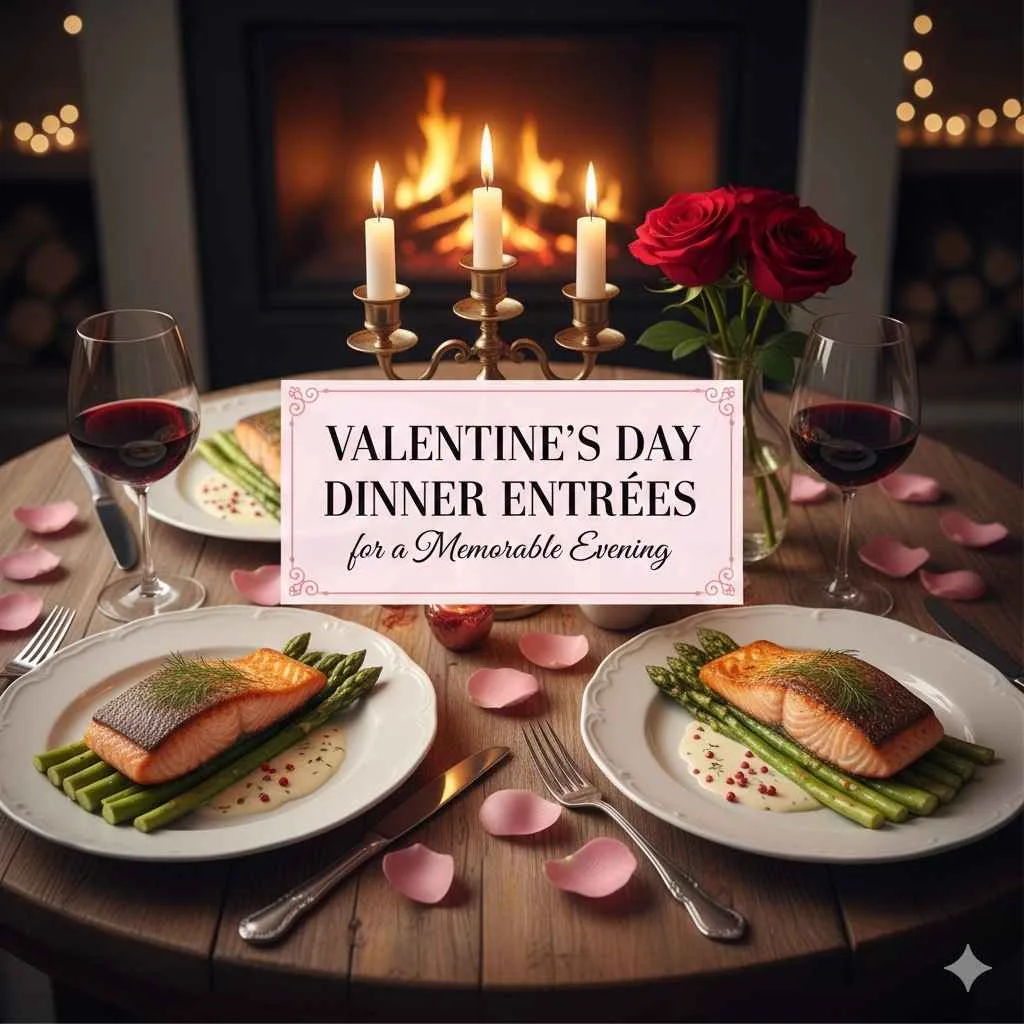
Planning a romantic evening at home? Cooking a special meal might feel tricky, especially when you’re aiming for that fancy restaurant vibe. Many people find preparing Valentine’s Day Dinner Entrées for a Restaurant-Style Night challenging because they worry about complicated recipes or making mistakes. Don’t stress! This guide will break down everything you need to know, making it super easy to create a delicious and impressive dinner. We’ll explore fantastic entrée options, from appetizers to desserts, and provide you with simple, step-by-step instructions. Ready to become a home chef? Let’s get started!
Choosing the Perfect Valentine’s Day Dinner Entrées
The first step to a successful Valentine’s Day dinner is choosing the right entrées. This involves considering your partner’s preferences and your own cooking skills. Think about what flavors you both enjoy and what kind of meal you want to create. Do you want something classic and elegant, or something a bit more adventurous? Consider the level of difficulty of the recipes and how much time you have to prepare them.
Selecting dishes that complement each other in terms of taste and texture will enhance the overall dining experience. Don’t be afraid to experiment, and most importantly, have fun! Planning a memorable Valentine’s Day dinner is about the experience, not just the food itself. A little thought goes a long way!
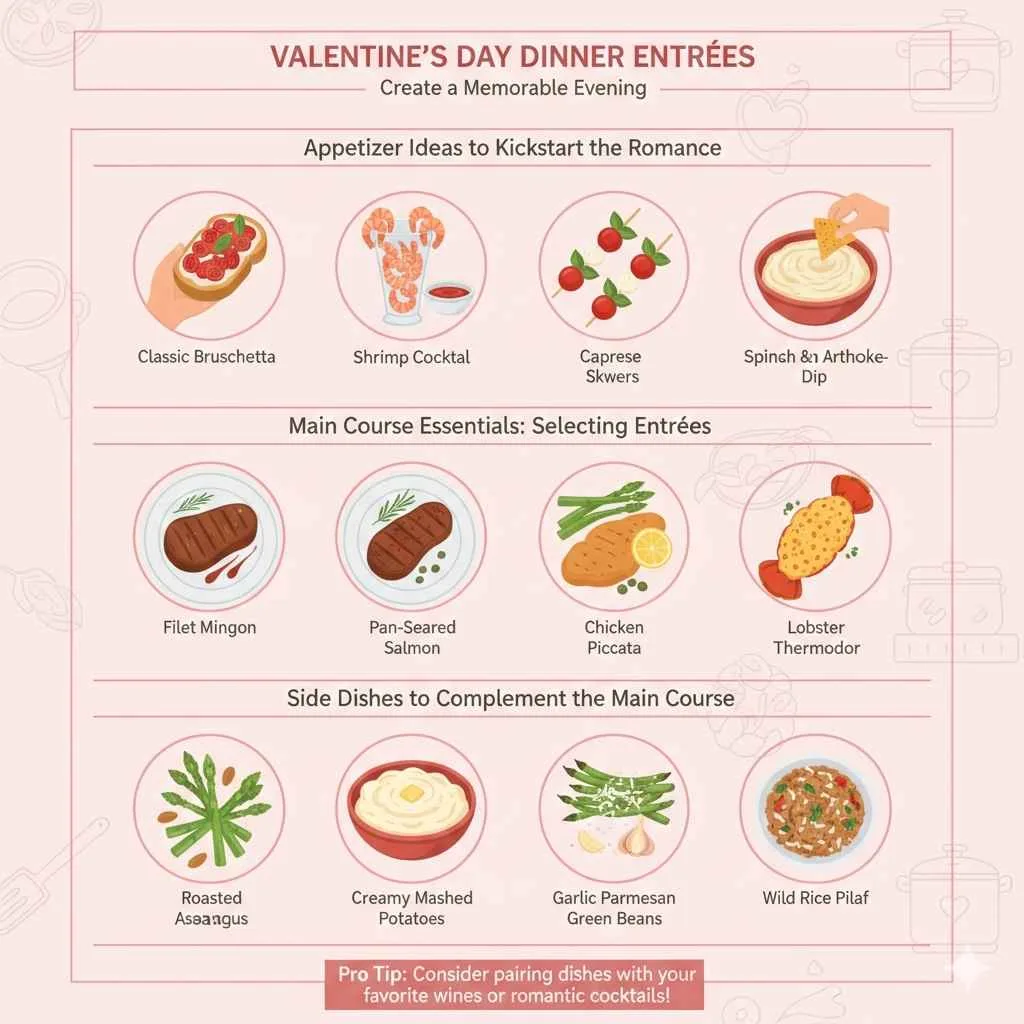
Appetizer Ideas to Kickstart the Romance
A great appetizer sets the tone for the entire meal. It should be light, flavorful, and not too filling, leaving room for the main course. Options range from simple to slightly more elaborate. Consider serving something that can be partially prepared ahead of time, which reduces the stress on the big day. Consider presenting each appetizer with a creative plating presentation to enhance its taste. Consider an appetizer that goes well with the drinks you intend to serve before the main course. The goal is to tantalize the taste buds and build anticipation for what’s to come, keeping it interesting and fun. A tasty appetizer can begin an evening to remember!
- Classic Bruschetta: This Italian favorite is quick and easy to make. Toast slices of baguette, top them with a mixture of diced tomatoes, basil, garlic, and a drizzle of olive oil. It is a fresh and vibrant appetizer that’s always a winner.
- Shrimp Cocktail: A simple yet elegant choice. Cook shrimp until pink and tender, then serve chilled with cocktail sauce, lemon wedges, and even some avocado. The presentation of the shrimp cocktail adds a level of sophistication to your evening.
- Caprese Skewers: Combine cherry tomatoes, fresh mozzarella balls, and basil leaves on skewers. Drizzle with balsamic glaze and a touch of olive oil. Caprese skewers are fresh, colorful, and a visual treat, appealing to both the eyes and the palate.
- Spinach and Artichoke Dip: A warm, comforting dip that’s perfect for sharing. Combine spinach, artichoke hearts, cream cheese, and Parmesan cheese. Serve it warm with tortilla chips or toasted baguette slices.
Main Course Essentials: Selecting Entrées
The main course is the star of your Valentine’s Day dinner. Choosing the right entrée is key to a memorable evening. Focus on dishes that showcase your skills without being overly complex. Consider the presentation, the flavors, and how well it pairs with any side dishes. Remember, it’s about creating an atmosphere of enjoyment and shared experiences. Make sure that the dish complements the appetizer you selected. Take into account your partner’s likes and dislikes, and choose something they’ll love. The main course is where you can showcase your cooking talents, so aim to make it delicious and memorable.
- Filet Mignon: This tender cut of beef is a classic choice for a special occasion. Sear it in a pan or grill it to perfection, and serve with a rich sauce like red wine reduction. Properly cooked, the filet mignon offers a melt-in-your-mouth experience.
- Pan-Seared Salmon: A healthy and flavorful option. Season salmon fillets, sear them skin-side down until crispy, and then finish cooking in the oven. The fish’s flaky texture and savory taste make it a crowd-pleaser.
- Chicken Piccata: A zesty and bright dish. Dredge chicken cutlets in flour, then pan-fry them. Simmer with a lemon-butter sauce and capers. Chicken Piccata’s bold flavors and ease of preparation are what make it a must-try.
- Lobster Thermidor: A decadent dish that screams luxury. Split lobster tails, stuff them with a mixture of mushrooms, cheese, and a creamy sauce, and bake until golden. Lobster Thermidor is the pinnacle of culinary extravagance.
Side Dishes to Complement the Main Course
Side dishes shouldn’t be an afterthought; they should complement and enhance the main course. Select sides that balance flavors and textures. For example, if you’re serving a rich, heavy main course, opt for lighter, refreshing sides. Consider the colors on the plate; a well-presented meal is visually appealing. Simple sides can be elevated with creative plating or a touch of seasoning. Sides are a perfect way to expand the culinary experience, offering depth and harmony to the overall meal. When sides are selected with care, they play a huge role in the success of the dinner.
- Roasted Asparagus: Toss asparagus spears with olive oil, salt, and pepper, and roast until tender-crisp. It’s a simple, elegant side dish that pairs well with almost any main course.
- Creamy Mashed Potatoes: A comforting classic. Boil potatoes, then mash them with butter, cream, and seasonings. The smoothness and richness of mashed potatoes create a satisfying experience.
- Garlic Parmesan Green Beans: Sauté green beans with garlic, and then top with Parmesan cheese. It is a quick and flavorful side that brings a fresh, vibrant contrast to the plate.
- Wild Rice Pilaf: Cook wild rice with broth, onions, and herbs for a nutty, flavorful side dish. Wild rice brings complexity and depth to your dinner, with an elegant touch.
Crafting a Restaurant-Style Experience at Home
Creating a restaurant-style experience is more than just the food; it’s about the entire atmosphere. It involves setting the mood and paying attention to all the little details that make dining out special. This includes everything from the lighting and music to the presentation of the dishes. It’s about creating an environment where you and your partner can relax, enjoy each other’s company, and feel like you’re in a high-end restaurant. The effort you put into the details transforms an ordinary dinner into an extraordinary one. You can craft a beautiful dining experience in your own home with a few easy steps.
Setting the Ambiance: Lighting, Music, and Decor
The right ambiance can transform your dining experience. Dim lighting, soft music, and elegant décor can set the mood for romance. Avoid harsh, bright lights; instead, use candles or dimmable lights to create a warm and inviting atmosphere. Choose music that enhances the mood – soft jazz, classical, or any genre you both enjoy. Thoughtful décor, such as fresh flowers, a nice tablecloth, and elegant place settings, adds a touch of sophistication. It’s the details that make the setting special and create an evening to remember. These elements work together to build a setting for an amazing evening.
- Soft Lighting: Use candles, fairy lights, or dimmable lamps to create a warm glow. Avoid harsh overhead lighting.
- Romantic Music: Play a playlist of your favorite music. Consider soft jazz, classical, or instrumental tracks.
- Elegant Decor: Use a nice tablecloth, cloth napkins, and your best china. Fresh flowers add a touch of romance.
- Cozy Seating: Ensure comfortable seating. Make sure that the temperature is right so you are both comfortable.
Table Setting: Presentation and Placement
A beautifully set table elevates the entire dining experience. Pay attention to the details of your place settings and the placement of items. Consider the flow and how easy it is to reach the items. Make sure everything is clean and in the right place. A well-set table demonstrates care and thoughtfulness, setting the stage for a delightful meal. The right arrangement can greatly impact the overall feeling of the evening, signaling to your partner that the dinner is special. The table setting reflects your dedication to creating a pleasant dining experience.
- Linen or Cloth Napkins: Use cloth napkins for a touch of elegance. Fold them attractively or use napkin rings.
- Place Settings: Arrange plates, silverware, and glassware in the correct order. The placement is important for comfort and formality.
- Centerpiece: A simple centerpiece, like fresh flowers or candles, adds visual appeal. Make sure it doesn’t obstruct conversation.
- Wine Glasses: Use appropriate wine glasses for the type of wine you’re serving. Have water glasses ready.
Plating Techniques: Presentation Tips for Each Dish
How you plate your food significantly impacts its appeal. Professional chefs use plating techniques to create visually stunning dishes, and you can too. The goal is to make the food look as delicious as it tastes. Focus on color, texture, and height. Use sauces to create patterns and garnishes to add a final touch. Careful plating can take your dishes from homemade to restaurant quality. Plating is an excellent way to impress your partner and makes the meal look even more inviting. The key to elegant plating is simplicity and thoughtful arrangement.
- Balance and Color: Use a variety of colors and textures on the plate to make it visually interesting.
- Height and Arrangement: Build height by layering ingredients. Arrange items in an appealing way.
- Sauce Presentation: Use sauces creatively, either drizzling, swiping, or pooling them.
- Garnish: Use garnishes to enhance the flavor and appearance. Fresh herbs, edible flowers, or a sprinkle of herbs are all great options.
Drinks and Dessert: The Final Touches
The perfect meal isn’t complete without the right drinks and dessert. These final touches enhance the dining experience and leave a lasting impression. Choose drinks that complement the food and add to the overall mood. Dessert should be a sweet finale, something delicious and memorable. Whether it’s a homemade creation or a store-bought delight, dessert is a symbol of love and celebration. The careful selection of drinks and dessert is vital. These additions demonstrate your effort to create a complete and unforgettable evening.
Wine Pairings: Selecting the Right Beverages
Pairing the right wine with your meal can elevate the dining experience. Understanding the basics of wine pairing helps you select the perfect wines. Consider the flavors of your dishes and match them with wines that complement those flavors. Don’t be afraid to experiment, and learn what you and your partner enjoy. The right wine enhances the flavors of the food and makes the meal more enjoyable. Wine selection is part of the experience, and it can add sophistication to the evening. The best wines will greatly influence the quality of your Valentine’s Day dinner.
- Red Wine with Red Meat: Pair red meat dishes, such as filet mignon, with a bold red wine like Cabernet Sauvignon or Merlot.
- White Wine with Seafood: Serve white wines, such as Chardonnay or Sauvignon Blanc, with seafood.
- Rosé Wine for Lighter Dishes: Rosé is versatile and pairs well with lighter dishes, like chicken or salads.
- Dessert Wine with Dessert: Match dessert with a dessert wine like Moscato or a sweet Sherry for a perfect ending.
Dessert Recipes and Ideas for a Sweet Ending
A delicious dessert is the perfect way to conclude your Valentine’s Day dinner. Consider what you and your partner love most. Whether it’s something rich and chocolatey or something light and fruity, the dessert should be a treat. Preparing dessert at home gives you the freedom to create something special and personal. If you prefer, there are many elegant desserts you can purchase to save time. The dessert you choose will provide a sweet ending to your memorable dinner. Dessert should be a simple pleasure.
- Chocolate Lava Cake: A classic, rich dessert that’s perfect for a special occasion. Serve it warm with a scoop of vanilla ice cream.
- Strawberry Cheesecake: A creamy and delicious dessert. Bake or no-bake, the cheesecake will always be a winner.
- Chocolate-Covered Strawberries: A simple, elegant, and romantic treat. Dip fresh strawberries in melted chocolate.
- Tiramisu: A sophisticated Italian dessert. Layer ladyfingers dipped in coffee with a mascarpone cream.
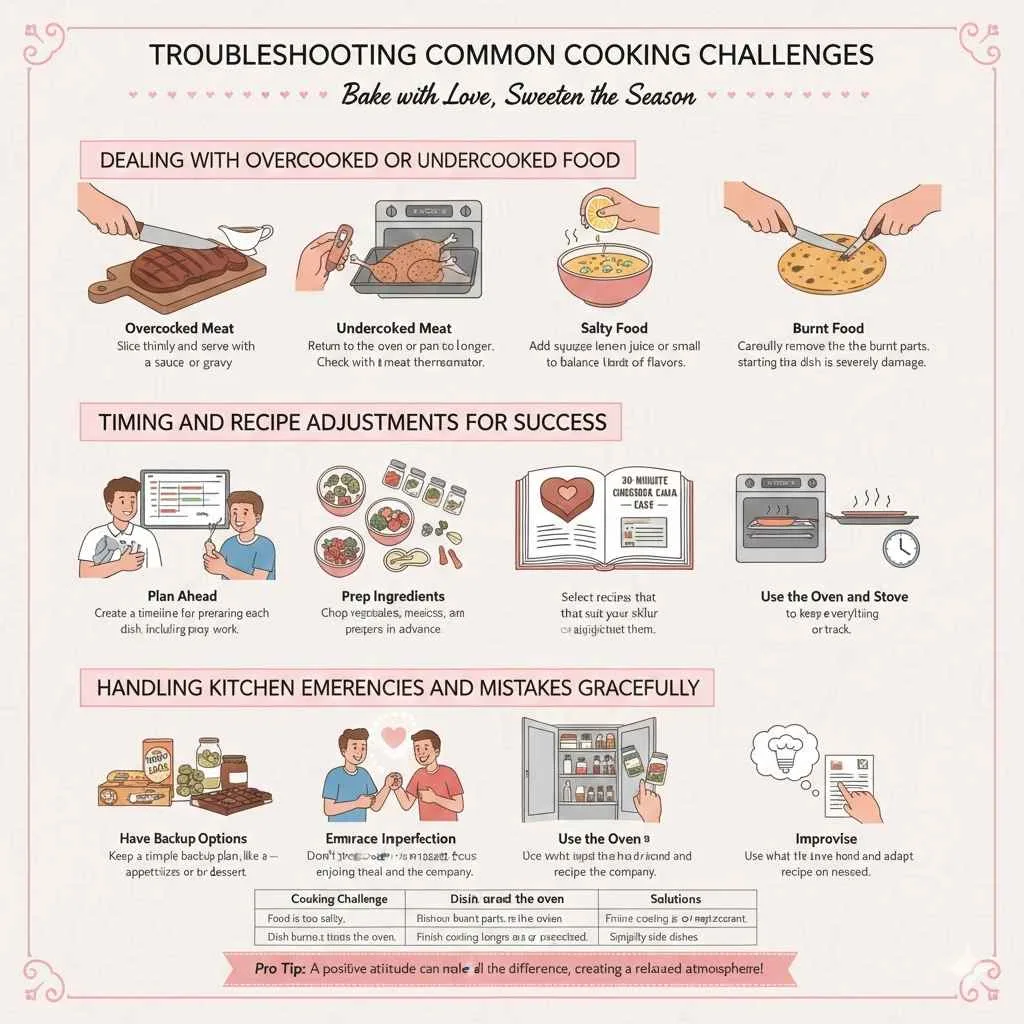
Troubleshooting Common Cooking Challenges
Even the most experienced cooks face challenges. Being prepared for potential problems helps you stay calm and enjoy the process. Learning how to manage mistakes and adapt to them is essential for creating a successful meal. Common issues can be solved with a bit of knowledge and some simple techniques. Staying flexible and learning from these issues makes you a more confident cook. Remember, a great Valentine’s Day dinner is about the effort and the memories made, not perfect execution.
Dealing with Overcooked or Undercooked Food
Sometimes, food doesn’t turn out quite right. It’s important to know how to fix common cooking mistakes. If food is overcooked, don’t panic. For example, if your meat is dry, you can try slicing it thinly and serving it with a sauce to add moisture. If food is undercooked, you can often finish cooking it. Undercooked meat can be put back in the oven. The goal is to make sure it is safe to eat. The ability to make adjustments is a valuable skill in the kitchen. Learning to handle these problems will make the meal more enjoyable.
- Overcooked Meat: Slice thinly and serve with a sauce or gravy.
- Undercooked Meat: Return to the oven or pan to cook longer. Check with a meat thermometer.
- Salty Food: Add a squeeze of lemon juice or a small amount of sugar to balance the flavors.
- Burnt Food: Carefully remove the burnt parts. Consider starting over if the dish is severely damaged.
Timing and Recipe Adjustments for Success
Timing is a crucial aspect of cooking a multi-course meal. It’s important to coordinate the preparation of each dish to ensure everything is ready at the right time. Plan your menu and create a timeline to stay organized. If you’re short on time, choose recipes that can be partially prepared ahead of time. Adjusting a recipe for your skill level or ingredient availability can make the process easier. Timing and recipe adjustments contribute to a seamless and enjoyable cooking experience. Careful planning and adjustments minimize stress and maximize the chances of success.
- Plan Ahead: Create a timeline for preparing each dish, including prep work.
- Prep Ingredients: Chop vegetables, measure spices, and prepare sauces in advance.
- Choose Simplified Recipes: Select recipes that suit your skills or adjust them.
- Use the Oven and Stove Simultaneously: Coordinate cooking times to keep everything on track.
Handling Kitchen Emergencies and Mistakes Gracefully
Sometimes things go wrong in the kitchen. Knowing how to handle these situations gracefully is essential. Don’t panic if a dish doesn’t turn out as planned. Keep some backup ingredients or prepared items on hand. Most importantly, remain calm and positive. Sometimes, a simple adjustment can save the day. A sense of humor and a willingness to improvise can turn a potential disaster into a memorable story. Remember that the goal is to enjoy the process and create a special experience, regardless of perfection.
- Have Backup Options: Keep a simple backup plan, like pre-made appetizers or a dessert.
- Embrace Imperfection: Don’t stress over minor mistakes. Focus on enjoying the meal and the company.
- Improvise: Use what you have on hand and adapt the recipe as needed.
- Stay Positive: A positive attitude can make all the difference, creating a relaxed atmosphere.
| Cooking Challenge | Solutions |
|---|---|
| Food is too salty. | Add a squeeze of lemon juice or a pinch of sugar. |
| Dish burns in the oven. | Remove the burnt parts and consider a replacement. |
| Meat is undercooked. | Finish cooking in the oven, or return to pan. |
| Main course is taking longer than expected. | Simplify side dishes. |
Frequently Asked Questions
Question: How far in advance should I start planning my Valentine’s Day dinner?
Answer: Start planning at least a week or two in advance. This gives you time to choose recipes, shop for ingredients, and get prepared. Waiting until the last minute increases stress.
Question: What if I’m not a great cook? Can I still make a good meal?
Answer: Absolutely! Choose simple recipes that you are comfortable with. Focus on fresh ingredients and presentation. The effort you put in, no matter your skill level, will be appreciated.
Question: Should I involve my partner in the cooking process?
Answer: If your partner enjoys cooking, involve them. It can be a fun, shared experience. If not, consider surprising them with your culinary skills.
Question: What’s the best way to handle leftovers from a Valentine’s Day dinner?
Answer: Plan for leftovers when you choose your recipes. Leftovers can make a delicious lunch the next day. Pack them properly and refrigerate them as soon as possible.
Question: How do I ensure my Valentine’s Day dinner is truly romantic?
Answer: Focus on creating a warm ambiance. Use soft lighting, romantic music, and a beautifully set table. The small details contribute to the overall experience.
Final Thoughts
Creating a Valentine’s Day Dinner Entrées for a Restaurant-Style Night can be an incredibly rewarding experience. It’s about more than just the food; it’s about the effort you put into the evening. By selecting the right entrées, crafting a beautiful ambiance, and paying attention to all the details, you can craft a memorable experience. You can easily overcome any challenges and create a delightful meal that reflects your love and care.
Remember, the goal is to make the experience special. Don’t stress over perfection, enjoy the process, and focus on connecting with your partner. So, put on your apron, set the table, and prepare for a Valentine’s Day dinner that you both will treasure. Enjoy every moment and the delicious meal you create!