
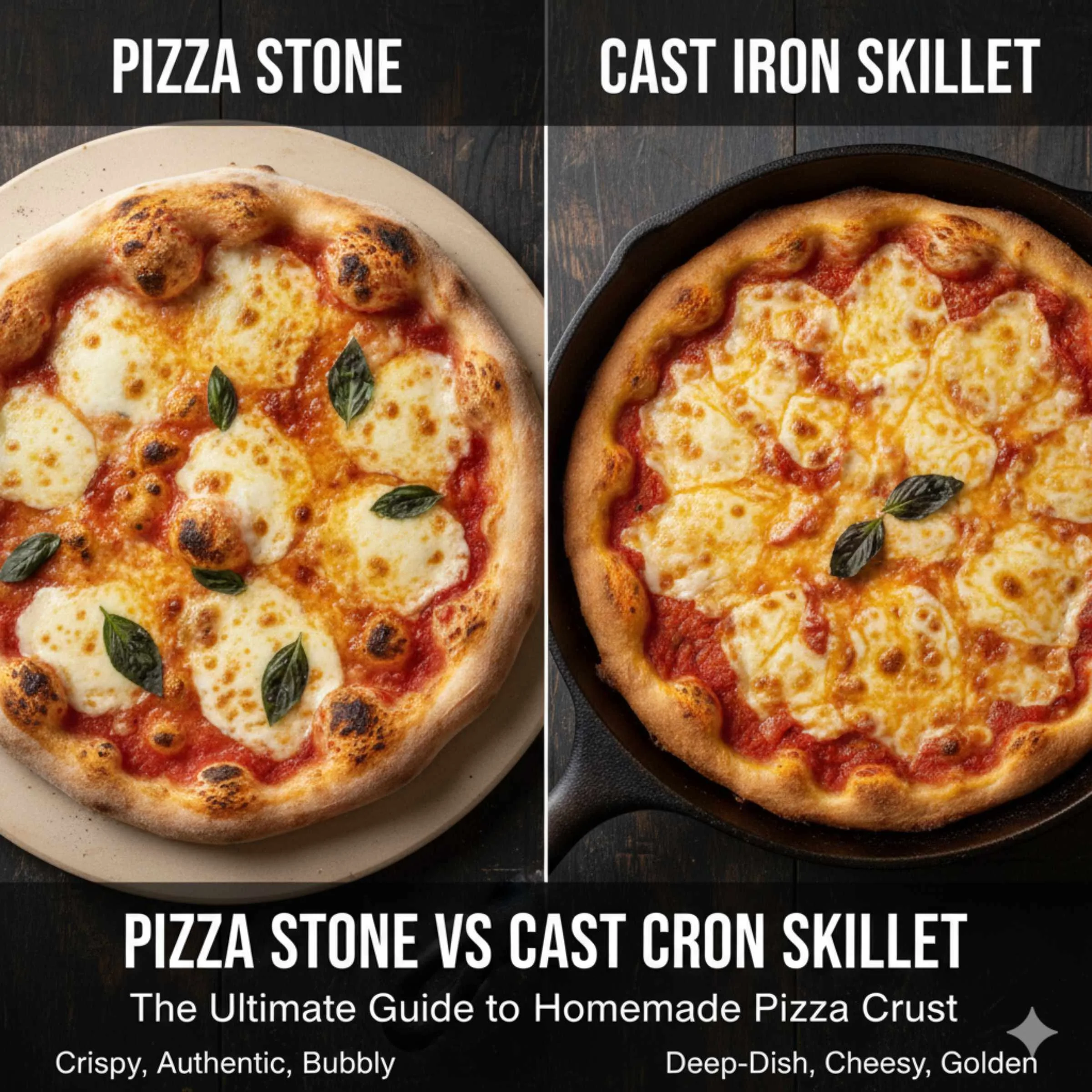
Pizza Stone vs Cast Iron Skillet: For the best homemade pizza crust, a pizza stone provides superior dry heat for crispness, while a cast iron skillet offers better heat retention for deep-dish or pan-style pizzas. The best choice depends entirely on your desired crust style.
Have you ever followed a delicious-looking pizza recipe, only to end up with a crust that’s soggy in the middle? That’s one of the most frustrating kitchen moments! Getting that perfect, bakery-quality crust at home—crispy edges, slightly chewy middle—can feel like magic. Unfortunately, many home ovens just don’t get hot enough on their own. This is where the debate heats up: Should you use a baking stone or a trusty cast iron skillet? Both tools promise better results by holding onto serious heat, but they do it in different ways. Don’t worry! We are going to break down exactly how each one works, where they shine, and how you can pick the right tool for your next pizza night. Confidence in your kitchen tools is just a few simple steps away.
The Secret to Great Homemade Pizza: Understanding Heat Transfer
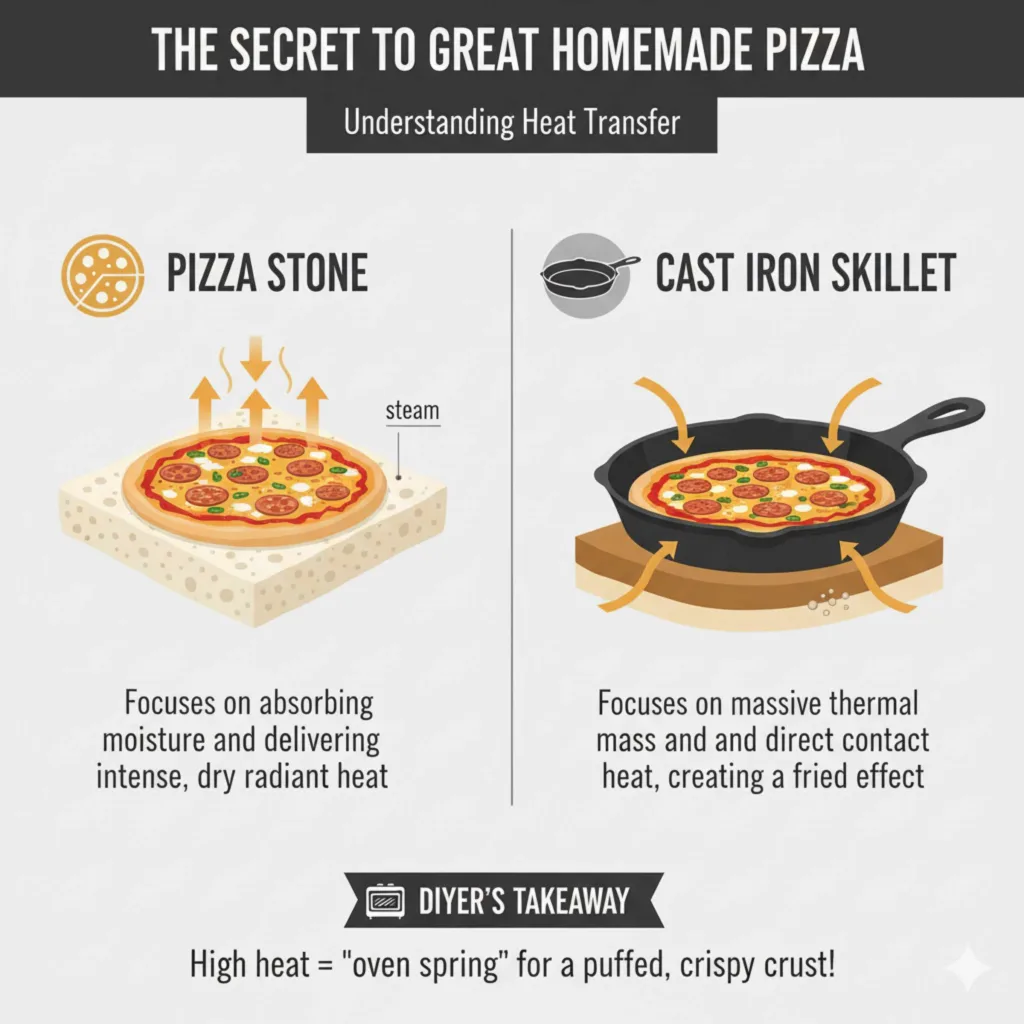
The main reason professional pizza ovens make incredible pizza is simple: they are blazing hot, often hitting 700°F or more! Home ovens usually top out around 500°F or 550°F. To mimic restaurant quality, we need tools that can absorb and hold onto that high heat, transferring it directly and intensely into the pizza dough. This rapid, intense heat causes what chefs call “oven spring,” which equals a puffed-up, crisp crust.
When we compare a pizza stone versus a cast iron skillet, we are really comparing two different heat transfer methods:
- Pizza Stone: Focuses on absorbing moisture and delivering intense, dry, radiant heat across the entire bottom surface.
- Cast Iron Skillet: Focuses on massive thermal mass—it holds a colossal amount of heat and transfers it directly through contact, often creating a fried effect on the bottom layer.
What is a Pizza Stone and How Does It Work?
A pizza stone (often made of ceramic, cordierite, or sometimes terracotta) is essentially a thick, flat slab designed to slide into your oven. It acts like a thermal battery for your dough.
The Science Behind the Stone
The magic of the stone lies in its porosity. Unlike a metal baking sheet, a stone has tiny pores that wick away moisture from the bottom of the dough as it bakes. This process is critical for preventing that dreaded soggy center. Think of it like this: the dough transfers its water content to the super-hot stone, which instantly vaporizes that water into steam, leaving behind a dry, airy, and crisp crust.
Pros and Cons of Using a Pizza Stone
Before you buy one, let’s look at what makes them great and where they might fall short for your needs.
Pizza Stone Advantages:
- Super Crisp Bottom: Excellent at drawing moisture out, leading to a thin, crunchy base, perfect for Neapolitan or New York-style pizzas.
- Even Baking: Once fully heated, it distributes heat evenly across the surface, reducing hot spots.
- Versatile: Great for more than pizza! Use it under bread loaves or pastries for a better “oven spring.”
Pizza Stone Disadvantages:
- Long Preheating: Stones need a long time—often 45 minutes to a full hour—to fully saturate with heat.
- Brittle: They can crack or break if subjected to rapid temperature changes (thermal shock), like taking one out of a hot oven and placing it on a cold, wet counter.
- Heavy and Awkward: They are large, bulky, and can be difficult to store.
The Cast Iron Skillet Method: A Different Kind of Heat
That rugged, heavy pan sitting in your cupboard? It’s one of the best pizza tools you own without even knowing it! Cast iron is famous for its incredible heat retention and its ability to generate high cooking temperatures directly on the stovetop or in the oven.
Why Cast Iron Excels
Cast iron’s benefit comes from its density. Once hot, it holds heat incredibly well. When you place dough directly onto a preheated cast iron skillet, the dough experiences an immediate, powerful sear. This creates a crust that is often thicker, richer, and has a unique, almost “fried” texture on the bottom.
This method is the foundation of the famous Detroit-style and Chicago deep-dish pizzas. The high sides of the skillet also help contain ingredients and give the crust structure as it rises.
Pros and Cons of Using a Cast Iron Skillet
If you are aiming for a deep-dish or pan-style pizza, cast iron is king. Here’s a quick look at the trade-offs.
Cast Iron Skillet Advantages:
- Fast Start-Up Time: Generally heats up faster than thick ceramic stones.
- Incredible Heat Retention: Maintains temperature better when the cold pizza is added, ensuring a fast, even crust bake.
- Versatile Handles: You can start the bake on the stovetop (great for melting cheese edges) and finish in the oven.
- Durability: Nearly indestructible; won’t crack from temperature shifts.
Cast Iron Skillet Disadvantages:
- Crust Style Limitation: Better for pan pizza; not ideal for thin, classic Neapolitan styles because the bottom tends to bake too aggressively.
- Grease Required: Often requires a good layer of oil or butter on the bottom to prevent sticking and achieve the signature crispy edge.
- Heavy: Very heavy, which can make transferring the cooked pizza tricky.
| Feature | Pizza Stone | Cast Iron Skillet |
|---|---|---|
| Ideal Pizza Style | Thin crust, New York style, crispy base | Deep dish, pan pizza, Sicilian style |
| Heat Transfer | Radiant and drying (wicks moisture) | Conductive and intense (sears through contact) |
| Preheat Time | Long (45–60 minutes) | Medium (20–30 minutes) |
| Durability | Fragile; susceptible to cracking | Extremely durable; lifetime tool |
| Cleaning/Seasoning | Never use soap; rarely needs cleaning | Requires established seasoning layer |
The Showdown: Pizza Stone vs Cast Iron Skillet for Your Oven
Choosing between these two heat providers comes down to what you want for dinner tonight. It’s not about which one is universally “better,” but which one matches the type of pizza you are making.
When to Choose the Pizza Stone
If your goal is to recreate the thin, slightly charred, and wonderfully crisp crust typical of high-temperature brick ovens, the pizza stone is your best friend. It excels at pulling moisture out of the dough base quickly, preventing that undesirable soggy layer.
Best for:
- Achieving that thin, cracking snap in the crust edge.
- Baking longer, thinner-crust artisan breads.
- When you want the dough flavor to dominate over the cooking medium.
When to Choose the Cast Iron Skillet
If you crave a thick, chewy crust that has a beautiful golden-brown, almost fried bottom texture, reach for your cast iron. This is especially true if you plan on loading your pizza up with lots of sauce and toppings, which naturally add moisture.
The key to cast iron success—and safety—is proper seasoning. A well-seasoned pan ensures your pizza releases cleanly and imparts that rich, savory flavor. For more on maintaining your cookware, resources like the National Park Service documentation on cast iron care offer great, reliable, long-term advice for general maintenance, which applies here too.
Best for:
- Deep-dish or pan-style pizzas that need structural support.
- Needing a fast pre-heat time before sudden baking cravings strike.
- When you want a slightly oilier, richer bottom texture.
How to Maximize Results: Preheating is Everything
No matter which tool you choose, the single biggest mistake beginners make is not preheating long enough. Your cooking surface needs to reach the same temperature as your oven air, and then some. Think of it as charging a battery.
Pizza Stone Preheating Steps:
- Place the cool stone on a rack in the middle or upper-middle position of your oven.
- Set your oven to its maximum temperature (usually 500°F or 550°F).
- Let the oven and the stone preheat together for at least 45 minutes, ideally one full hour. This ensures the stone is fully “saturated” with heat.
- Once the oven timer goes off, wait an extra 10 minutes before sliding your pizza onto the stone using a pizza peel dusted with cornmeal or semolina.
Cast Iron Skillet Preheating Steps:
While cast iron heats up faster, you still need to be patient for the best results.
- If making pan pizza, lightly coat the bottom and sides of the cold cast iron skillet with oil or butter (this is crucial for that crispy edge).
- Place the skillet into the cold oven.
- Set the oven to your desired baking temperature (usually 450°F to 500°F).
- Allow the skillet and the oven to preheat for about 30 minutes after the oven reaches the target temperature. The iron needs time to absorb that thermal energy.
- Carefully take the hot skillet out (use heavy-duty oven mitts!) and quickly press your dough into the hot, oiled surface before topping and putting it back in the oven.
Choosing Your Transfer Tool: Peel vs. No Peel
If you use a pizza stone, you will need a tool to move the raw pizza onto the hot surface safely—this is called a pizza peel. If you use cast iron, you typically build the pizza directly in the pan, so a peel isn’t necessary.
Pizza Peel Tips for Stone Users:
- Material Matters: Wooden peels are great because they are slightly porous and help the dough slide off easily. Metal peels are thinner and better for retrieving finished pizzas.
- The Slide Test: Before adding toppings, put your dough on the dusted peel. Give it a gentle shake—if it doesn’t slide freely, add more dust (cornmeal or semolina) underneath. Once toppings are on, you have very little time before it sticks!
- Don’t Over-Top: Too many toppings weigh the pizza down, making it challenging to slide off the peel onto the stone without causing a major spill.
For context on how heat affects different food densities, consider the physics discussed in materials science regarding thermal conductivity. For instance, understanding why metals conduct heat faster than ceramics helps explain why the cast iron bottom gets so hot, so fast. You can find introductory material on this science from educational sources like those maintained by university physics departments, such as discussions on conduction found through resources like the American Institute of Physics (AIP).
Maintaining Your High-Heat Cookware
Caring for your stone and iron correctly ensures they last for years and perform optimally. They demand very different maintenance routines.
Caring for Your Pizza Stone
The stone relies on its porous nature to work correctly. If you get grease or food debris stuck in it, performance drops.
- Never Use Soap: Soap residue can clog the pores.
- Cleaning: After use, let the stone cool completely. Scrape off any stuck food with a spatula. If necessary, rinse with plain hot water and scrub with a stiff brush. Place it back in a warm oven until dry before storing.
- Storing: Store it in the oven (if it fits safely) or on a stable rack away from potential bumps.
Caring for Your Cast Iron Skillet
The cast iron skillet needs its seasoning—that baked-on layer of oil—to be non-stick and rust-proof.
- Seasoning is Key: If you notice food sticking, you need to re-season. Wipe the pan with a light coat of high smoke-point oil (like flaxseed or grapeseed oil) and bake upside down at 450°F for an hour.
- Cleaning: After use, scrape out food while the pan is still warm. Rinse with hot water. If you must use soap (rarely necessary), use a tiny amount and rinse immediately.
- Drying: Always dry the pan immediately after washing. Place it on a burner over low heat for a few minutes until completely dry, then wipe a final, thin layer of oil into it before storage.
FAQ: Quick Answers for Beginner Pizza Cooks
Here are some common questions we hear when people start moving beyond basic metal sheets.
Q1: Can I use a ceramic tile instead of a pizza stone?
A: Generally, no. Standard ceramic tiles found at hardware stores are not rated for the high, rapid temperature changes of an oven and may contain chemicals or glaze that can off-gas when overheated. Stick to purpose-made pizza stones designed for high heat.
Q2: How long should I preheat my pizza stone?
A: You should preheat your oven and stone for a minimum of 45 minutes at the maximum temperature (usually 500°F). For the absolute best performance, let it go for a full hour.
Q3: Do I need to oil my pizza stone?
A: Absolutely not! Oiling a pizza stone is counterproductive. The stone works by absorbing moisture from the dough. Oil prevents this absorption, leading to a less crisp, potentially gummy crust.
Q4: Can I use my cast iron skillet for thin-crust pizza?
A: You can, but you need to treat it more like a stovetop. Preheat the skillet extremely hot, press the thin dough directly in, and bake it quickly. You might get a crisp bottom, but it won’t achieve the same even crispness as a stone because the heat transfer is concentrated in the metal touching the dough.
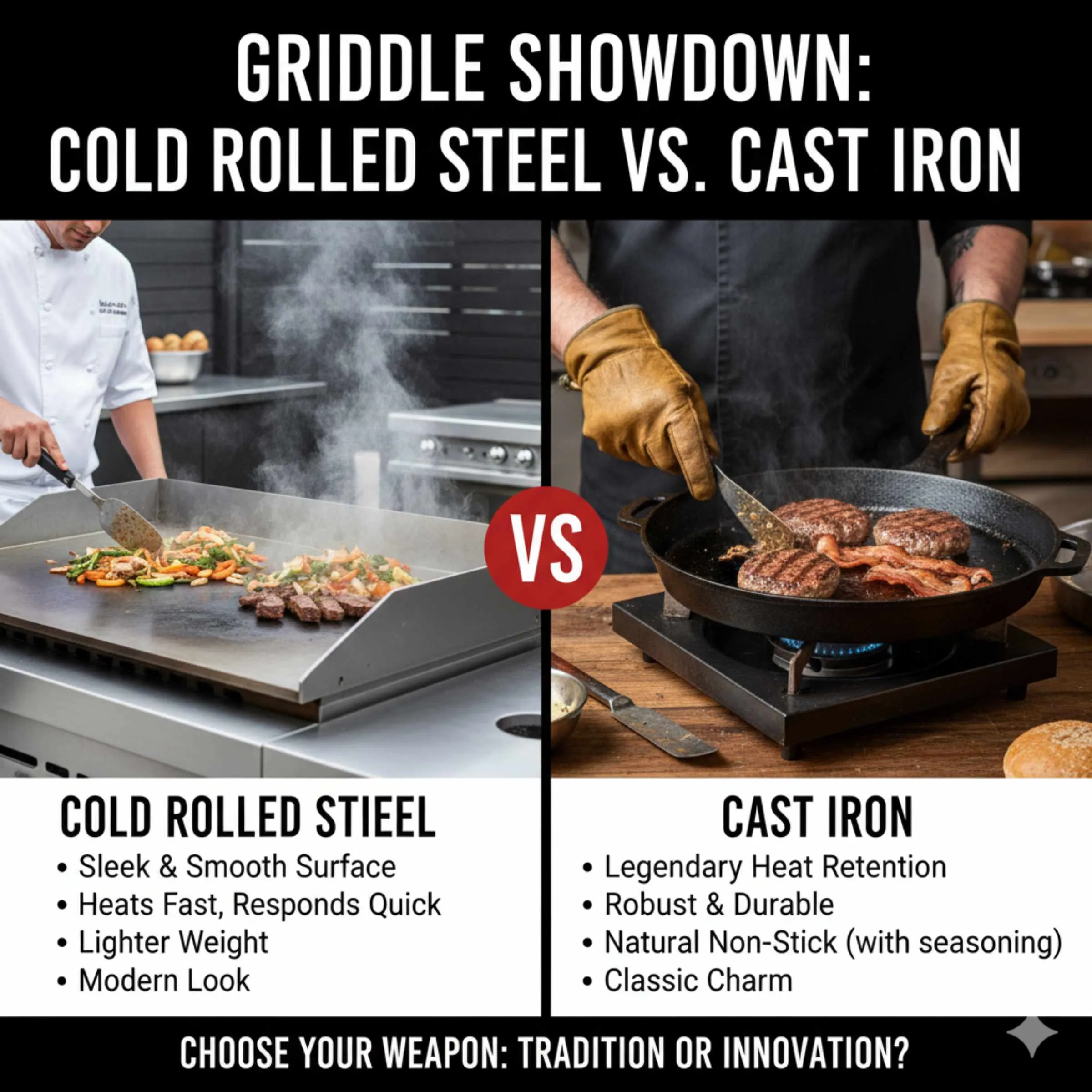
Q5: What about cast iron griddles versus skillets?
A: A flat cast iron griddle is much closer to a pizza stone in function because it has a large, flat surface area. It transfers heat evenly, similar to a stone, but with the added benefit of cast iron’s superior heat retention. They are often an excellent middle-ground choice!
Q6: Should I put aluminum foil on my pizza stone?
A: No. Foil blocks the stone from doing its primary job: wicking moisture away from the dough and transferring radiant heat directly to the crust. Using foil results in a steamed, soft crust.
Q7: Can I leave my pizza stone in the oven all the time?
A: Many people safely leave them in the oven permanently, especially if they frequently bake bread. Just ensure they are placed on the lowest rack or safe zone where they won’t be damaged by items falling onto them or by extreme temperature swings during self-cleaning cycles.
Putting It All Together: Making Your Decision
We have broken down the characteristics of the pizza stone and the cast iron skillet. You now have the knowledge to stop guessing and start baking with confidence!
If your vision of pizza heaven involves a thin, foldable slice with a perfectly dry, slightly blistered base—the kind you get at a classic New York pizzeria—then investing the time in preheating that pizza stone is your winning strategy. It handles moisture like a champ and delivers that dry, blazing heat perfectly.
However, if your family gathers around a thick, gooey Chicago deep-dish, or you love that satisfying, almost pan-fried crust edge created by cooking in oil, then your rugged cast iron skillet is the champion. It’s durable, versatile, and delivers an intense, direct heat transfer that builds structure from the bottom up.
The smart home chef understands that great cooking tools serve specific purposes. You don’t need to ditch one for the other; you just need to know which one to pull out depending on the recipe. By following careful preheating guidelines—the crucial step for mastering crust—you are well on your way to making truly exceptional pizza, no matter which surface you choose. Happy baking!
Leave a Reply