
Tarping a truck bed is a straightforward process that protects your cargo and vehicle, ensuring items stay secure and dry during transport. This guide offers simple, step-by-step instructions for beginners, making it easy to cover your truck bed effectively and confidently.
Hauling items in your truck bed can be a game-changer for moving furniture, tools, or even just a load of garden supplies. But what happens when the weather turns, or the road gets bumpy? Your precious cargo can get soaked or, worse, fly out! It’s a common worry for many truck owners, especially if you’re new to the hauling scene. The good news is, protecting your truck bed and its contents is surprisingly simple. With just a few key steps, you can create a secure, weather-resistant cover. Get ready to feel more confident about your next haul – we’ll walk you through it all, making sure you can tackle this task with ease.
Why Tarping Your Truck Bed Matters
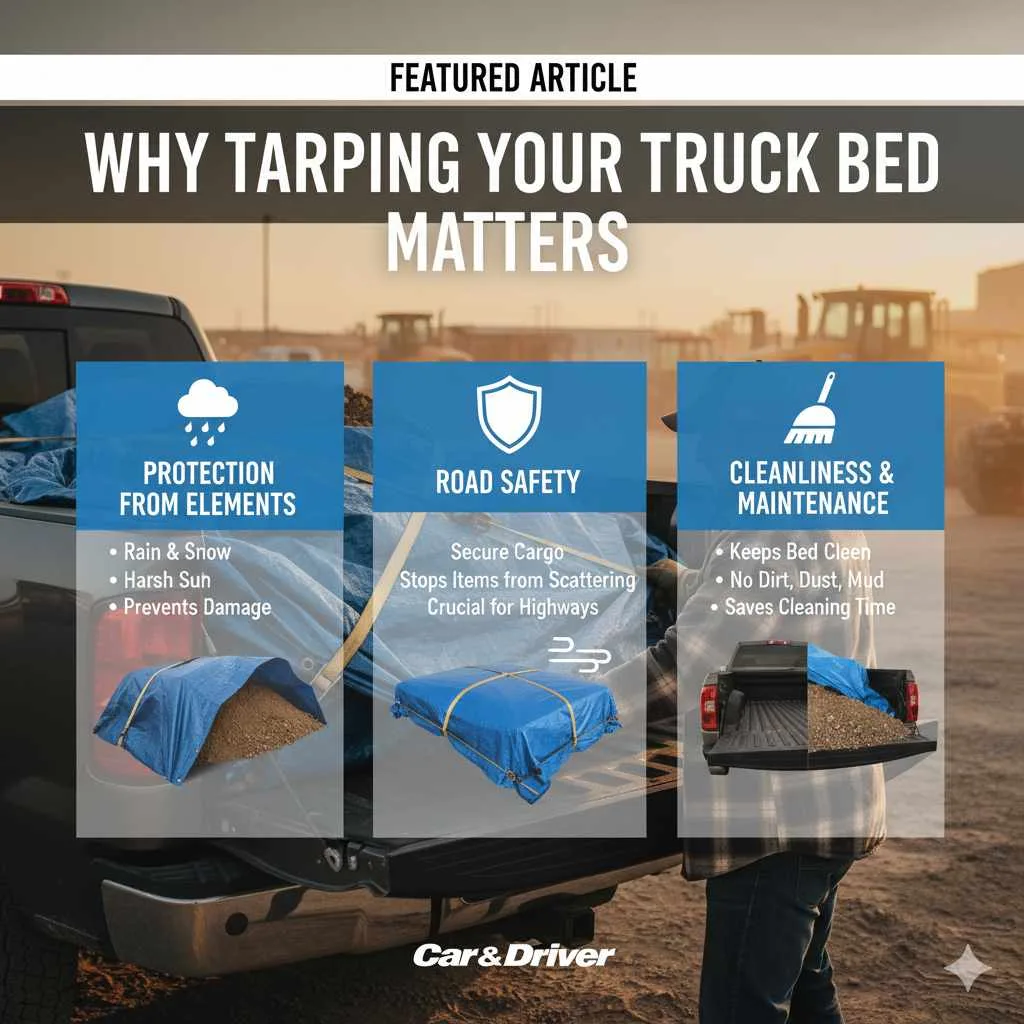
Think of your truck bed as an open invitation for the elements and road debris. Tarping it isn’t just about keeping things dry; it’s a smart move for several reasons. A good tarp acts as a shield, preventing rain, snow, and harsh sun from damaging your cargo. It also keeps smaller items from scattering or blowing away, which is crucial for safety on the road. Plus, a neatly tarped bed can prevent dirt, dust, and mud from making a mess inside your truck, saving you a lot of cleaning time later!
Choosing the Right Truck Bed Tarp
Not all tarps are created equal, and picking the right one is your first step to success. The best tarps for truck beds are durable, water-resistant, and sized appropriately. Here’s a look at what to consider:
Tarp Material & Durability
The material of your tarp significantly impacts its performance and longevity. Common options include:
- Polyethylene (Poly) Tarps: These are generally the most affordable and widely available. They offer good water resistance and are UV-treated to resist sun damage. They’re lightweight and easy to handle, making them a great choice for general use. Look for higher denier numbers (e.g., 10×10 weave or higher) for better strength.
- Vinyl Tarps: These are heavier-duty than poly tarps and offer excellent water and tear resistance. They are often used for more robust protection, like covering heavy machinery or loads that require superior durability. They can be a bit stiffer, especially in cold weather.
- Canvas Tarps: While traditional and often loved for their natural breathability, canvas tarps are less common for active truck hauling due to their absorption of water and longer drying times. They are better suited for covering items that need to breathe or for less demanding uses.
Tarp Size
Getting the size right is crucial for a secure fit. A tarp that’s too small won’t cover your cargo adequately, leaving it exposed. A tarp that’s too large can be difficult to manage and may flap in the wind, potentially fraying or not holding down securely. Always measure your truck bed and add extra length to ensure you have enough material to wrap around and secure your load. A good rule of thumb is to add at least 2-3 feet to the length and width of your truck bed dimensions for proper overhang.
Water Resistance & UV Protection
For truck bed tarps, water resistance is non-negotiable. Most quality tarps will be coated or made from materials that repel water. Equally important is UV protection. Prolonged exposure to sunlight can degrade tarp materials, making them brittle and prone to tearing. Many tarps will specify if they have UV resistance built into their design.
Essential Tools and Materials You’ll Need
Before you start tarping, gather these items. Having everything ready will make the process smooth and efficient:
- The Truck Bed Tarp
- Bungee Cords or Cargo Straps: These are essential for securing the tarp. Bungee cords are quick and easy for lighter loads, while cargo straps offer a stronger, more reliable hold for heavier items or longer distances.
- Ratchet Straps: For maximum security on heavy loads or over long distances, ratchet straps provide the tightest, most dependable hold.
- Tarp Clips or Grommet Ties: If your tarp doesn’t have enough grommets or you need to secure it to edges without grommets, tarp clips are incredibly useful.
- Gloves (Optional): For better grip and to protect your hands.
- A Step Stool or Ladder (if needed): To easily reach the center of the truck bed for larger trucks.
Step-by-Step Guide: How to Tarp a Truck Bed
Tarping your truck bed is a skill anyone can master. Follow these simple steps for a secure and reliable cover.
Step 1: Prepare the Truck Bed and Cargo
Before you even unfurl the tarp, make sure your truck bed is clean and that your cargo is arranged properly. Remove any loose debris, dirt, or sharp objects that could puncture the tarp. Stack your items neatly and ensure they are stable. For taller loads, it’s best to pile them towards the center of the bed to maintain balance and make tarping easier.
Step 2: Unfold and Position the Tarp
Carefully unfold your chosen truck bed tarp. Lay it over your cargo, centering it as much as possible. Ensure there’s an equal amount of overhang on all sides of the truck bed. This even overhang is key to creating a tight, secure fit later on.
Step 3: Start Securing Along One Side
Begin by attaching your bungee cords or straps to one side of the tarp and the truck. If your tarp has grommets, loop the cords through them. If not, or if you need to create extra attachment points, use tarp clips. Hook the other end of the cord to a secure point on the truck bed. Good anchor points include tie-down loops, stake pockets, or structural parts of your truck bed frame. Aim to get the tarp snug against the cargo on this first side.
Step 4: Work Across to the Opposite Side
Now, move to the opposite side of the truck bed. Pull the tarp taut across your load and attach bungee cords or straps along this side. The goal is to create tension. By working from one side to the opposite, you ensure the tarp is pulled evenly and doesn’t bunch up. This step is where you start to get that nice, drum-tight finish.
Step 5: Secure the Remaining Sides
Repeat Step 3 and Step 4 for the remaining two sides of your truck bed. As you attach cords, check the tension. You want the tarp to be snug and form a smooth surface over your cargo, with no large pockets of slack where water or wind could accumulate. Ensure all anchor points are secure and won’t come undone during transit.
Step 6: Tighten and Double-Check
Once all sides are initially secured, go around and tighten each bungee cord or strap. If you’re using ratchet straps, tighten them until the tarp is very firm. Give everything a good tug to ensure it’s secure. Pay special attention to corners and edges. Lift the tarp slightly to make sure it’s covering everything and isn’t snagging on any part of your cargo or truck bed.
Step 7: Address Any Loose Areas
After your initial tightening, you might notice a few spots that are still a bit loose. Use additional bungee cords, tarp clips, or even some sturdy rope to secure these areas. It’s better to have a few extra attachment points than to risk a section of the tarp flapping loose or exposing your cargo.
Best Practices for Tarping Different Loads
The way you tarp can vary depending on what you’re carrying. Here are some tips for common scenarios:
For Long or Bulky Items
If you’re hauling long items like lumber or pipes that extend beyond the truck bed, ensure the tarp is long enough to cover the entire exposed length. Secure the tarp over the end of the load as well, if possible, to prevent wind from catching it. If the cargo extends past your tailgate, you may need to use extra tie-downs along the length of the cargo itself before tarping to keep it stable.
For Loose Materials (Gravel, Sand, Mulch)
When hauling loose materials, it’s vital to ensure your tarp is a heavy-duty, waterproof type. Secure the tarp very tightly, especially around the edges, to prevent any material from escaping. You might consider using a tarp with reinforced corners or a higher denier weave for extra strength. After dumping, a thorough cleaning of the tarp will be necessary.
For Protecting Furniture
When transporting furniture, you’ll want to protect it from dust and rain. Drape the tarp smoothly over the furniture, ensuring no sharp edges of the furniture poke through. Use plenty of bungee cords or straps to keep the tarp snug, preventing it from shifting and rubbing against the furniture during transit, which could cause damage.
Advanced Tips for a Super Secure Tarp
Want to take your tarping game to the next level? Try these:
- Grommet Reinforcement: If you plan to use grommets frequently, consider reinforcing them with extra stitching or by using grommet kits available at hardware stores. This prevents them from tearing out under tension.
- Using a Tarp Liner: For extra waterproofing, especially for sensitive items, consider using a tarp rated specifically as a waterproof liner, often made of heavier vinyl or rubberized material.
- Securing Underside of Tarp: For very important loads, or when driving at high speeds, try to run a few bungees or straps under the cargo itself, then up and over to secure the tarp from below. This is more complex but offers incredible stability.
- Tarp Covers vs. Tonneau Covers: While tarps are versatile and affordable, for everyday use and a more finished look, check out tonneau covers. They offer permanent protection and can be more aerodynamic.
When to Consider a Professional Solution
While tarping is a great DIY solution, there are times when professional options might be a better fit. If you’re frequently hauling very large, oddly shaped, or extremely valuable items, a custom-fit truck bed cover or a professional cargo netting system might offer superior security and ease of use. For those who need robust, permanent weatherproofing, a professional spray-in bed liner installation or a hard tonneau cover from a reputable provider like those found at Car and Driver can be a worthwhile investment. These options often provide a more integrated and secure solution than a temporary tarp.

Table: Bungee Cords vs. Cargo Straps for Tarping
Choosing the right securing method is as important as choosing the right tarp. Here’s a quick comparison:
| Feature | Bungee Cords | Cargo Straps (Webbing) | Ratchet Straps |
|---|---|---|---|
| Ease of Use | Very Easy | Easy | Moderate (Requires more effort to tighten) |
| Strength/Security | Good for light loads and short trips | Excellent for moderate to heavy loads | Superior. Offers the tightest hold. |
| Flexibility | High. Will stretch to fit. | Moderate. Less stretch than bungees. | Low. Provides firm, unyielding hold. |
| Damage Risk to Tarp | Can snap more easily if overloaded or old. | Low risk. Smooth webbing. | Low risk. Smooth webbing. |
| Best For | General covering, light loads, quick jobs. | Most truck bed loads, securing items firmly. | Heavy, valuable, or long-distance loads requiring maximum security. |
Frequently Asked Questions About Tarping a Truck Bed
Here are some common questions beginners have about tarping their truck beds:
Q1: How do I keep my tarp from flapping in the wind?
A1: Ensure you have plenty of secure attachment points. Pull the tarp taut across your load, and use additional bungee cords or straps at any point where you see slack. For best results, use ratchet straps for a very tight fit, especially for longer journeys or higher speeds.
Q2: Can I use a regular tarp, or do I need a special truck bed tarp?
A2: While you can use a standard heavy-duty tarp, truck bed tarps are often designed with specific sizes and reinforced grommets to make securing them easier. However, a good quality, appropriately sized general-purpose tarp will work well as long as it’s durable and waterproof.
Q3: What are grommets and why are they important?
A3: Grommets are reinforced eyelets along the edge of a tarp, typically made of metal. They are where you attach bungee cords or ropes. They provide a strong point to secure the tarp without ripping the material itself.
Q4: How often should I replace my truck bed tarp?
A4: Inspect your tarp regularly for tears, holes, or wear, especially around the grommets. UV damage and constant abrasion can weaken the material. A tarp that has been exposed to harsh elements might only last a few years, while a well-cared-for tarp could last much longer. Always replace it if you notice significant damage.
Q5: What’s the difference between tarps and tonneau covers?
A5: Tarps are temporary, flexible covers that you secure manually with cords or straps. Tonneau covers are permanent or semi-permanent fixtures installed on your truck bed, often made of rigid materials like fiberglass, aluminum, or soft vinyl that rolls or folds. Tonneau covers offer more security and a sleeker look but are a significant investment.
Q6: How much overhang should I leave when tarping?
A6: Aim for at least 1-2 feet of overhang on all sides. This extra material gives you room to pull the tarp taut and secure it properly to anchor points on the truck bed. Too little overhang makes it difficult to get a tight fit, while too much can be unwieldy.
Conclusion
Tarping your truck bed doesn’t have to be a complicated chore. By selecting the right tarp, gathering your tools, and following these straightforward steps, you can confidently protect your cargo from the elements and ensure peace of mind on every drive. Remember to always prioritize a snug fit and secure anchor points. With a little practice, you’ll be a tarping pro in no time, ready to tackle any haul with style and smarts!