
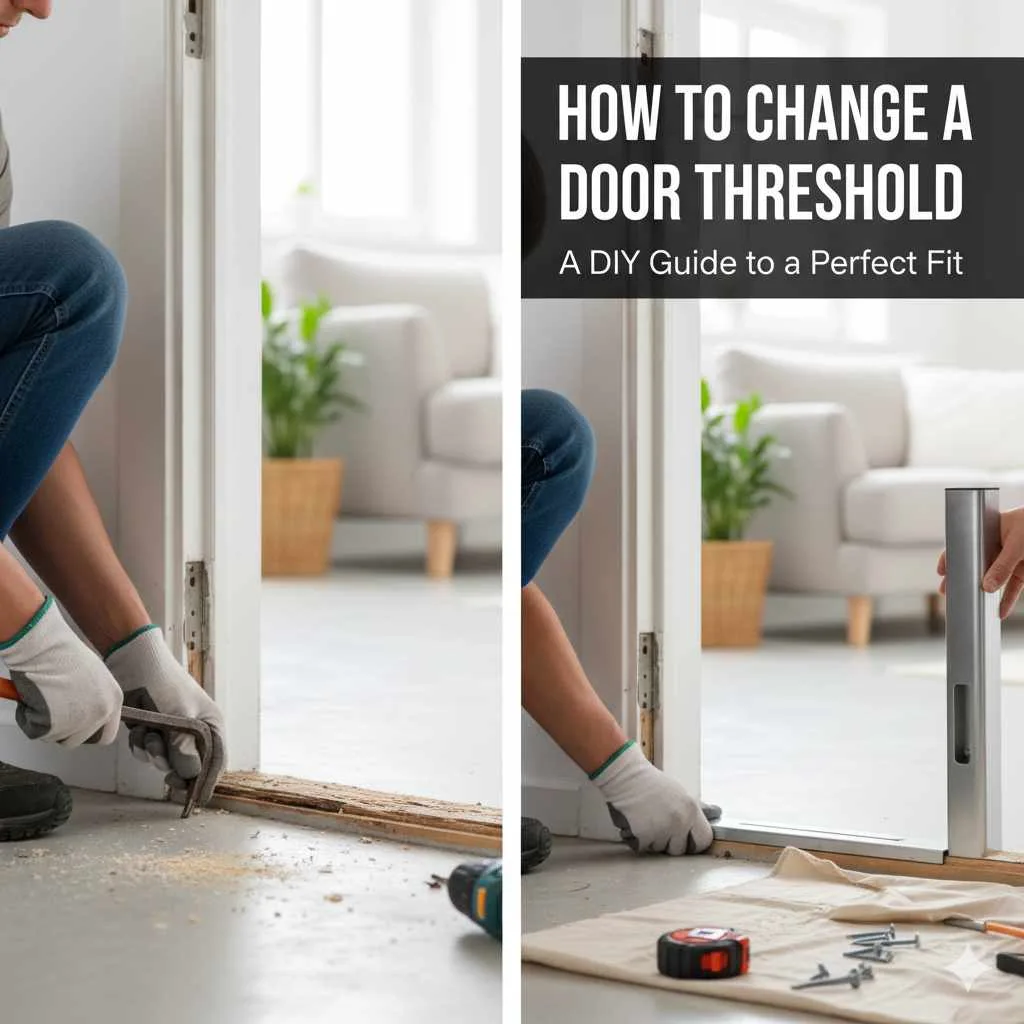
Quick Summary: Changing a door threshold is a manageable DIY project that significantly enhances your home’s appearance and energy efficiency. Follow these step-by-step instructions to remove an old threshold and install a new one, ensuring a snug fit and a polished finish for your doorways.
Hello, design lovers! Arlene here, ready to tackle a home improvement task that often gets overlooked but makes a big difference: changing a door threshold. That little strip at the bottom of your door might seem small, but a worn-out or damaged threshold can lead to drafts, annoying creaks, and a less-than-polished look for your room. But guess what? You don’t need to be a seasoned contractor to fix it! With a little patience and the right guidance, you can easily swap out an old threshold for a fresh, new one. This project is perfect for boosting your home’s comfort and curb appeal, all while giving you a wonderful sense of DIY accomplishment. Let’s dive in and transform those doorways!
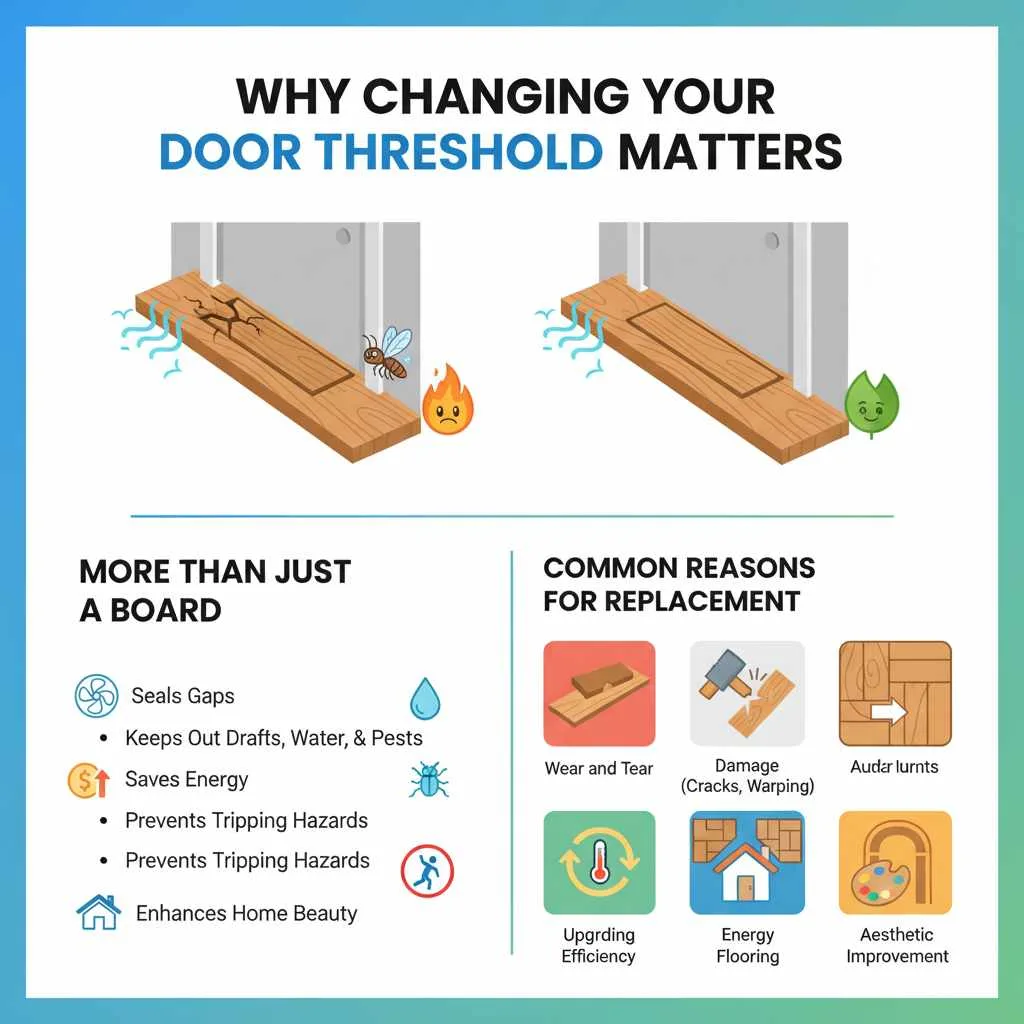
Why Changing Your Door Threshold Matters
A door threshold, sometimes called a saddle, is more than just a decorative piece. It’s a crucial component that seals the gap between your door and the floor, playing a vital role in several aspects of your home’s comfort and integrity. When it’s in good shape, it helps keep out unwelcome drafts, water, and even pests. An old, cracked, or loose threshold can be an energy drain, allowing heated or cooled air to escape, which means higher utility bills. Plus, a damaged threshold can be a tripping hazard and detract from the overall beauty of your interior design. Replacing it is a practical step towards a more comfortable, efficient, and aesthetically pleasing home.
Common Reasons for Threshold Replacement
- Wear and Tear: Over time, foot traffic can cause the threshold to become worn, scratched, or develop dents.
- Damage: Spills, moisture, or impact can lead to cracks or warping.
- Poor Installation: Sometimes, thresholds are installed incorrectly, leading to a poor fit or instability.
- Upgrading Flooring: When you change your flooring, you might need a different height or type of threshold.
- Energy Efficiency: A damaged threshold compromises your home’s seal, leading to drafts and higher energy costs.
- Aesthetic Improvement: A fresh threshold can instantly update the look of a doorway and connect your rooms beautifully.
Gathering Your Tools and Materials
Before we start the exciting part of replacing your door threshold, it’s important to have everything you need ready. This will make the entire process smooth and stress-free. Think of it like preparing your palette before painting – having all your colors and brushes at the ready ensures a beautiful outcome!
Essential Tools You’ll Need:
- Safety Gear: Safety glasses and work gloves are a must to protect yourself.
- Pry Bar: A medium-sized pry bar will help you gently lift and remove the old threshold.
- Hammer: For tapping nails and helping to dislodge the old threshold.
- Utility Knife: Useful for scoring caulk or adhesive.
- Putty Knife or Scraper: To clean up old adhesive or debris.
- Measuring Tape: To ensure your new threshold is the correct size.
- Screwdriver Set: In case the old threshold is held with screws.
- Miter Saw or Hand Saw: For cutting the new threshold to size. A miter saw will give you the cleanest, most accurate cuts, especially for the angled ends.
- Level: To ensure your new threshold is installed perfectly flat.
- Vacuum Cleaner: To clean up dust and debris.
- Caulk Gun: For applying sealant after installation.
- Small Paint Brush: For applying wood glue or adhesive.
Materials for Your New Look:
- New Door Threshold: Choose one that matches your door type and flooring. Common materials include wood (oak, pine), composite, or metal.
- Wood Screws: Appropriate length for securing the new threshold.
- Wood Glue or Construction Adhesive: For extra stability.
- Exterior-Grade Caulk: To seal any gaps.
- Sandpaper (optional): If you plan to stain or paint your new wooden threshold.
- Wood Filler (optional): For minor imperfections.
Don’t worry if this list looks a bit long! Most of these are standard tools that come in handy for many home projects. If you’re missing something, you can usually borrow from a neighbor or find great deals at your local hardware store.
Step-by-Step Guide: How to Change a Door Threshold
Ready to get started? Embarking on this DIY journey is simpler than you think! We’ll break down each step so you can confidently tackle the job. Remember, a little care and attention to detail will make all the difference.
Step 1: Prepare the Area and Remove the Old Threshold
First things first, let’s clear the way! Make sure both sides of the door are free of rugs or furniture so you have plenty of room to work. We need to gently coax the old threshold out.
- Inspect the Threshold: Look for any nails or screws holding it in place. Some thresholds are sealed with caulk along the edges where they meet the floor or door frame; use a utility knife to carefully cut through any caulk.
- Pry Gently: Insert the tip of your pry bar under the edge of the threshold. Apply steady, upward pressure. Work your way along the length of the threshold, prying up a little at a time. If it feels stuck, try tapping the pry bar gently with your hammer. Be patient; you don’t want to damage the surrounding floor or door frame.
- Remove Completely: Once loosened, lift the old threshold out. If it’s stubborn, you might need to break it into smaller pieces with your hammer.
- Clean the Subfloor: Once the old threshold is out, you’ll likely find staples, old adhesive, or small bits of debris. Use a putty knife or scraper to remove as much of this as possible. A clean surface is key for a good fit.
Step 2: Measure and Cut Your New Threshold
Now for the exciting part – making your new threshold fit perfectly! Accuracy here ensures a professional finish.
- Measure the Opening: Use your measuring tape to measure the width of the doorway opening where the threshold will sit. Measure at the base where it meets the floor.
- Mark Your Cuts: Transfer these measurements to your new threshold. If your threshold has angled ends (often called “rabbets” or “chamfers” to fit snugly against the door jamb), you’ll need to carefully measure and mark these angles. A quick tip: many doors have standard jamb angles, but it’s always best to measure your old threshold’s angles if possible or consult your new threshold’s manufacturer instructions. A miter saw is ideal for these precise cuts.
- Cut the Threshold: Using your miter saw or hand saw, carefully cut the new threshold to your measured dimensions. Take your time for a clean, straight cut. If you’re unsure about cutting angles, many hardware stores can cut pieces for you with a purchase.
- Test the Fit: Place the new, cut threshold in the doorway to ensure it fits snugly. It should sit flush against the door jambs on both sides without being forced. Make any minor adjustments if needed.
Step 3: Install the New Threshold
This is where your doorway starts to look amazing! Proper installation means your threshold will be secure and stable for years to come.
- Dry Fit: Place the new threshold in position one last time to confirm the fit.
- Apply Adhesive (Optional but Recommended): For extra stability, apply a bead of wood glue or construction adhesive along the bottom of the threshold where it will meet the subfloor. This helps prevent squeaks and keeps it firmly in place.
- Position the Threshold: Carefully set the threshold into position, ensuring it’s flush with the door jambs.
- Secure with Screws: This is the most critical part of securing your threshold. The best method is to pre-drill pilot holes through the threshold and into the subfloor or framing below. This prevents the wood from splitting. Space your screws about every 6-8 inches along the length of the threshold. You can also add screws in the center if it’s a longer threshold. Countersink the screws so their heads sit slightly below the surface of the threshold. This allows you to cover them later for a seamless look.
- Check for Level: Use your level to ensure the threshold is perfectly flat. Adjust by shimming underneath if necessary before the adhesive fully sets.
Step 4: Finishing Touches for a Polished Look
We’re almost there! A few finishing touches will make your new threshold look like a professional job.
- Fill Screw Holes: Use wood filler to fill the countersunk screw holes. Let it dry according to the product instructions.
- Sand (if applicable): If you have a wooden threshold, lightly sand the filled holes and any rough spots until smooth. If you plan to paint or stain, this is the time to do it.
- Caulk Gaps: Apply a bead of exterior-grade caulk along the seams where the threshold meets the door jambs and the floor on both sides. Smooth the caulk with a damp finger or a caulk-smoothing tool for a clean line.
- Clean Up: Vacuum up any dust or debris. Wipe down the threshold and surrounding area.
- Allow Proper Curing Time: Let any wood glue, filler, or caulk cure completely before walking on the threshold or opening and closing the door excessively.
And voilà! You’ve successfully replaced your door threshold. Doesn’t it look fantastic? It’s amazing what a difference a small detail can make!
Choosing the Right Material for Your Door Threshold
Selecting the right material for your door threshold is an important decision that impacts durability, appearance, and how well it integrates with your home’s style. Let’s explore some popular options:
| Material | Pros | Cons | Best For |
|---|---|---|---|
| Solid Wood (e.g., Oak, Pine, Maple) | Aesthetically pleasing, can be stained or painted to match décor, natural warmth, durable. Oak is particularly hard-wearing. | Can be prone to warping if exposed to moisture, may scratch or dent over time, requires finishing (staining/painting). | Interior doors, high-traffic areas (with hardwood), areas where a warm, natural look is desired. |
| Composite/Engineered Wood | Resistant to moisture and insect damage, generally more stable than solid wood, often more affordable. | Can sometimes have a less natural look than solid wood, may not be as durable for extreme heavy traffic as dense hardwoods. | Interior and exterior doors, areas prone to humidity, budget-conscious projects. |
| Aluminum | Very durable, resistant to rust and corrosion, low maintenance, often used for exterior doors or in high-moisture environments. | Can look more utilitarian, might be colder to the touch, can be noisy if not installed properly. | Exterior doors, utility areas, commercial spaces, bathrooms or kitchens. |
| Vinyl/Plastic | Most budget-friendly, lightweight, easy to cut and install, moisture-resistant. | Least durable, can crack or break easily, can look cheap, not suitable for heavy traffic. | Temporary fixes, very low-traffic interior doors, budget renovations. |
When making your choice, consider the climate you live in, the amount of foot traffic the door receives, and your overall home design. For interior doors, solid hardwood like oak or maple offers a beautiful and durable option. For exterior doors, you might lean towards aluminum or a robust composite for better weather resistance. A great resource for understanding building materials and their properties is the Forest Products Laboratory, part of the U.S. Forest Service, which offers in-depth research on wood.
Common Challenges and How to Overcome Them
Even with the best intentions, DIY projects can sometimes present small hurdles. But don’t let that deter you! Most common issues with changing a door threshold are easily solvable with a little know-how.
Here are a few challenges you might encounter and how to handle them:
Troubleshooting Tips:
- Threshold is Stuck Fast: If your old threshold won’t budge, inspect for hidden screws or nails. Sometimes, the floor beneath has been glued down, or trim pieces are concealing fasteners. Go slowly and use a wider pry bar or even a smaller reciprocating saw (with extreme caution and the right blade) to cut through stubborn adhesive or old nails if absolutely necessary. Always prioritize protecting your flooring.
- New Threshold Doesn’t Fit Snugly: If there are small gaps between the new threshold and the door jambs, you might need to shave a little wood off the sides of the threshold with a hand plane or even your table saw. For gaps with the floor, wood filler applied after installation and sanding can create a smooth transition.
- Wood Splitting When Screwing: Always pre-drill pilot holes using a drill bit that’s slightly smaller than the diameter of your screws. This is especially important with hardwoods and near the ends of the threshold.
- Uneven Subfloor: If the subfloor beneath the threshold isn’t level, your new threshold might wobble. You can use thin shims (made of wood or even sturdy cardboard) to fill any voids and ensure the threshold sits flat and stable.
- Door Rubbing Against Threshold: If the new threshold is slightly higher and causes the door to rub, you may need to carefully shave a bit off the bottom edge of the door with a hand plane. Test the fit frequently as you plane.

Frequently Asked Questions (FAQ)
Here are some common questions beginners have about changing a door threshold, with straightforward answers.
Q1: How long does it take to change a door threshold?
A: For a beginner, expect it to take anywhere from 1 to 3 hours per threshold. This includes gathering tools, careful removal of the old one, accurate cutting of the new one, and installation. If you’re comfortable with tools, it can be much faster.
Q2: Can I change an exterior door threshold myself?
A: Yes, you can! Exterior thresholds often require a bit more attention to ensure a proper seal against weather. Make sure to use weather-resistant materials and caulk thoroughly to prevent drafts and water intrusion. For storm doors, specialized thresholds might be needed, so check manufacturer recommendations.
Q3: What’s the difference between an interior and exterior threshold?
A: Exterior thresholds are designed to be more robust and provide a better seal against the elements, often made from aluminum or treated wood. Interior thresholds are usually more decorative, made from various wood species or composites, and focus on a clean transition between flooring types.
Q4: Do I need to remove the door to change the threshold?
A: In most cases, no. You can safely remove and replace the threshold with the door in its frame. However, if you need to plane the bottom of the door to prevent rubbing, it might be easier to remove the door temporarily.
Q5: Can I use a standard piece of lumber for a threshold?
A: While possible, it’s best to use a threshold specifically designed for doors. These often have beveled or contoured edges to fit against the door jamb and create a better seal. Standard lumber might not provide the right fit or durability. If using lumber, ensure it’s a hardwood like oak for durability and carefully cut any necessary angles.
Q6: What if my new threshold is slightly too long?
A: If your new threshold is a bit too long, you’ll need to trim it down. Use a measuring tape and mark the exact length needed. Then, use a miter saw or a handsaw to cut it to size. Always measure twice and cut once!
Conclusion
Congratulations on transforming your doorways! Changing a door threshold might seem like a small task, but as you’ve seen, it has a significant impact on your home’s comfort, energy efficiency, and overall aesthetics. You’ve learned how to identify issues, gather the right tools, and meticulously install a new threshold, step by step.
This project not only enhances your home’s beauty but also boosts your confidence as a DIYer. Every completed project is a testament to your ability to make your living space exactly how you envision it – stylish, comfortable, and uniquely yours. Keep that DIY spirit alive, and remember that with a little guidance and these practical steps, you can tackle many more home improvement projects with ease