The cost to build a basic wooden dresser usually ranges from $100 to $350 for materials, depending on the wood type and hardware quality. This guide breaks down exactly where that money goes, helping you budget for your first DIY furniture project confidently.
Are you dreaming of a custom dresser that fits your space perfectly? Maybe you’re tired of flimsy particleboard furniture that falls apart after a year. Building your own dresser sounds like a great idea, but the biggest question is always: “How much will this actually cost?” It’s easy to get lost looking at lumber prices and hardware catalogs. Don’t worry! I’m Dustin, and I’m here to walk you through every single expense. We’ll break down the costs simply, so you can budget like a pro and feel great about saving money while building something sturdy and beautiful.
Understanding the Big Picture: Where Does the Money Go?
When you build a dresser, the total cost is made up of three main buckets. Knowing these buckets helps you control your spending. Think of it like building a car—you need the frame, the engine, and the fancy paint job. For a dresser, these are the wood, the hardware, and the finishes.
1. The Lumber: Your Biggest Expense
The wood you choose is the single largest cost factor. It dictates the final look, the weight, and how long the dresser will last. For beginners, we usually focus on simple, affordable woods that are easy to work with.
Softwoods vs. Hardwoods: A Cost Comparison
Softwoods come from coniferous trees (like pines) and are generally cheaper and lighter. Hardwoods come from deciduous trees (like oaks or maples) and are much stronger, heavier, and more expensive.
- Pine (Softwood): The most budget-friendly choice. Great for a first project. It dents easily but takes stain well. Expect lower initial material cost.
- Poplar (Mixed): A step up. It’s harder than pine but cheaper than true hardwoods. It paints beautifully, hiding any minor imperfections.
- Oak or Maple (Hardwood): The premium choice. These woods are durable and beautiful but will significantly increase your material budget, often doubling or tripling the cost compared to pine.
Tip for Beginners: For your first build, stick to common construction lumber (like 1×10 or 1×12 pine boards) or inexpensive cabinet-grade plywood for the carcass (the main box). You can often upgrade the drawer fronts later if you want a fancier look!
2. Hardware: The Moving Parts
Don’t skimp on the hardware! Cheap drawer slides can ruin an otherwise perfect build. The hardware includes drawer slides, handles/knobs, and screws/fasteners.
Drawer Slides: The Game Changer
This is where most beginners underestimate the cost. You have options, and they vastly affect both cost and user experience.
| Slide Type | Typical Cost Per Drawer Pair | Pros | Cons |
|---|---|---|---|
| Basic Plastic or Wood Runners | $2 – $5 | Cheapest option. | Prone to sticking, noisy, poor weight capacity. |
| Basic Ball-Bearing Slides (Friction-free) | $10 – $20 | Smooth gliding, good for medium weight. | Can wear out over many years. |
| Soft-Close, Full-Extension Slides | $25 – $50+ | Ultra-smooth, quiet, drawers open fully. Highly recommended. | Higher initial investment. |
3. Finishes and Adhesives
You need glue, sandpaper, stain, paint, or polyurethane to protect your wood and make it look sharp. Even if you use cheap wood, a quality finish makes the piece look professional.
- Glue: Always buy quality wood glue (like Titebond). This holds the structure together, far better than just screws. (Approx. $8 – $15)
- Sandpaper: You’ll need a variety of grits. Buy a multi-pack. (Approx. $10 – $15)
- Sealer/Topcoat: Polyurethane or varnish protects the wood from spills and wear. Water-based polyurethanes dry faster and clean up with water. (Approx. $20 – $35 per quart)

Breaking Down the Cost: A Sample 6-Drawer Dresser Budget
Let’s look at a realistic budget for a standard 6-drawer dresser (about 30 inches wide by 18 inches deep by 36 inches tall). We will aim for a mid-range build using decent quality, budget-friendly materials—mostly pine boards and quality drawer slides.
For detailed structural building guidelines and recommended fastener types, resources from organizations like the Woodworking Advisor can offer excellent, trusted advice on joinery strength.
Estimated Material Cost Table (Mid-Range Pine Build)
| Component | Estimated Material | Estimated Cost Range |
|---|---|---|
| Carcass Lumber (Sides, Top, Bottom) | Cabinet-grade Plywood or select Pine boards | $80 – $130 |
| Drawer Boxes (Sides, Bottoms) | 1/2 inch Plywood or Pine | $50 – $80 |
| Drawer Fronts (If using solid wood) | 1x material or slightly nicer wood | $40 – $70 |
| Drawer Slides (6 pairs, soft-close) | Quality Ball-Bearing Slides | $120 – $250 |
| Knobs or Handles (6 required) | Basic Metal or Wood Knobs | $15 – $40 |
| Fasteners (Screws, Nails, Pocket hole screws) | High-quality wood screws | $15 – $25 |
| Finishing Supplies (Glue, Sandpaper, Poly) | Medium quality | $30 – $50 |
| TOTAL ESTIMATED MATERIALS COST | $350 – $645 |
As you can see, that $100 starting estimate jumps quickly once you decide you want good drawer slides! This is normal. A well-built dresser using quality hardware will likely run you $350 to $650 in raw materials.
The “Hidden” Costs: Tools You Might Need
If you are truly starting from scratch, the biggest initial investment won’t be the wood—it will be the tools required to cut, shape, and assemble the pieces accurately. If you already own these, your initial build cost stays low (just the materials above).
Essential Tool Checklist for Dresser Building
You can build a dresser with very basic tools, but precision requires a few key power tools. Here is what you’ll likely need:
- Measuring & Marking: Tape measure, square (essential for straight cuts and corners).
- Cutting: A circular saw is the minimum. A table saw is highly recommended for accurate, repeatable cuts (especially for drawer parts).
- Assembly: A power drill/driver is non-negotiable. A pocket hole jig (like Kreg) makes strong, hidden joints much easier for beginners.
- Clamping: You need clamps! At least four good bar clamps will help hold things tight while glue dries.
- Finishing: Orbital sander (saves days of hand sanding).
Tool Cost Considerations
If you need to buy everything new, expect to spend between $400 and $1,000 just on quality entry-level tools. This is why many beginners look to borrow tools or look for projects they can complete with what they already own.
Dustin’s Budget Tip: Check local tool rental centers for expensive items like a good table saw if you only plan to build one dresser. This saves money while ensuring you get precise cuts!
How to Slash Your Building Costs Without Sacrificing Quality
Building something custom doesn’t have to break the bank. Confidence comes from knowing you can make smart material choices. Here are my top tips for keeping that dollar amount down.
1. Choose the Right Wood Wisely
- Look for “Clear” Boards: When buying pine, look for boards labeled “clear.” This means fewer knots, which reduces waste when you cut around them.
- Use Plywood for the Carcass: The main box (carcass) of the dresser doesn’t need to be solid wood. High-quality cabinet-grade plywood is strong, stable, and much cheaper than edge-gluing solid boards together for the large side panels.
- Veneer for Looks: If you want the look of expensive wood (like cherry) but not the price, use cheaper plywood and finish it with high-quality wood veneer sheets.
2. Be Smart About Hardware
- Buy Drawer Slides in Bulk: If you plan on building more than one piece of furniture, buying a 10-pack of drawer slides often gives you a much better per-unit price than buying 6 individual pairs.
- DIY Knobs: Instead of buying expensive hardware, try making your own knobs from leftover wood scraps, or check architectural salvage yards for unique, inexpensive finds.
3. Minimize Waste
Wood is often sold in standard lengths (8 feet, 10 feet). Plan your cuts so that the offcuts from one piece can be used for another. For example, the scrap left over from a long side panel might be the perfect size for a drawer divider.
Proper planning prevents you from having to buy an extra board just to get one small piece. Always draw out a “cut list” diagram before buying lumber.
Cost Comparison: Building vs. Buying New Furniture
Why go through the effort? Let’s compare the cost of building a mid-range dresser versus buying one new from a store. This comparison assumes you are buying a quality, solid wood or sturdy plywood dresser, not the cheapest pressboard option.
Building vs. Buying Comparison Table
| Item | DIY Built Cost (Mid-Range) | Store Bought Cost (Comparable Quality) | Key Difference |
|---|---|---|---|
| Basic Pine/Plywood Dresser | $250 – $400 (Materials Only) | $350 – $550 (Entry Level) | You control material quality; no assembly labor cost. |
| Quality Hardwood Dresser | $500 – $800+ (Materials Only) | $900 – $1,800+ (Retail) | Significant savings on retail markup. |
| Used/Refurbished Dresser | $50 – $150 (Plus refinishing materials) | Varies wildly | Cheapest entry point, but requires time for sanding/painting. |
The biggest advantage of building is avoiding the retail markup. That 100% or 200% added cost you pay in a store goes toward labor, shipping, and profit margins. When you build, you pay for the raw materials, ensuring every dollar goes into the actual furniture.
The Assembly Process: Where Time Equals Money (and Skill)
While this guide focuses on cost, remember that time is also a factor. The complexity of your build directly impacts how much time you spend (and how many trips you make to the hardware store!).
Step-by-Step Cost-Conscious Assembly Checklist
Follow these general steps, keeping accurate measurements in mind. Accuracy here saves money later by avoiding ruined boards.
- Finalize Plans and Cut List: Decide exactly how tall, wide, and deep you want it. Measure twice, cut once! This dictates your material purchase.
- Purchase Materials: Buy your lumber, glue, and screws. If buying lumber from a big box store, ask them to make large, straight cross-cuts for you—many offer this service for free or a small fee, saving you setup time on your own saw.
- Build the Carcass (The Box): Assemble the main frame using strong glue and screws (pocket holes are fantastic here). Ensure this box is perfectly square. Refer to official building safety guidelines, such as those published by the Consumer Product Safety Commission (CPSC) regarding stability, especially if building tall units.
- Assemble Drawer Boxes: Build the six separate drawer boxes. Drawer construction must be extremely precise for the slides to work smoothly.
- Install Drawer Slides: This is the trickiest part! Follow the slide manufacturer’s instructions exactly, measuring from the top or bottom edge precisely where the slides must attach to the carcass and the drawer box. If these are off by even 1/8th of an inch, the drawer will bind.
- Attach Fronts and Hardware: Screw on the drawer fronts, attach the knobs, and then apply your finish (stain, paint, topcoat).

Frequently Asked Questions (FAQ) for Beginner Builders
Q1: Can I build a sturdy dresser without expensive power tools?
A: Yes, but it will take significantly longer. You can manage with a handsaw, a good square, a manual brace-and-bit set (or a hand drill), and a lot of patience. However, achieving perfectly straight cuts for the drawer boxes will be difficult.
Q2: What is the absolute cheapest wood I can use for a dresser?
A: The cheapest option is usually common pine boards or simple utility-grade plywood. If your budget is razor-thin, look for free reclaimed pallets or wood from local scrap piles, but be prepared to spend a lot of time cleaning, de-nailing, and milling that wood.
Q3: Should I build the drawers or buy pre-made drawer boxes?
A: For absolute beginners focused on saving money and learning, building the box yourself using simple butt joints and plywood bottoms is usually cheaper than buying pre-built kits. However, buying pre-made boxes saves significant time on measuring and cutting.
Q4: Does the finish cost change the total budget much?
A: Not substantially, but it can add $30 to $70. If you use a simple oil finish or basic latex paint, the cost stays low. If you opt for expensive specialized varnishes or multiple coats of lacquer, that cost will rise.
Q5: How much do I need to spend on drawer slides to ensure they last?
A: Aim for $15 to $25 per pair for full-extension, ball-bearing slides. These offer the best balance of cost and longevity for a home project. Avoid anything cheaper than $10 per pair if you plan to store anything heavier than socks in the drawers.
Q6: Is it cheaper to build a dresser or buy an IKEA dresser?
A: Generally, buying a basic IKEA unit (which uses engineered wood and simple hardware) is cheaper upfront ($150–$300). However, your DIY dresser, built with solid wood and quality hardware, will cost more initially but will almost certainly outlast five IKEA dressers combined.
Conclusion: Building Confidence and Custom Furniture
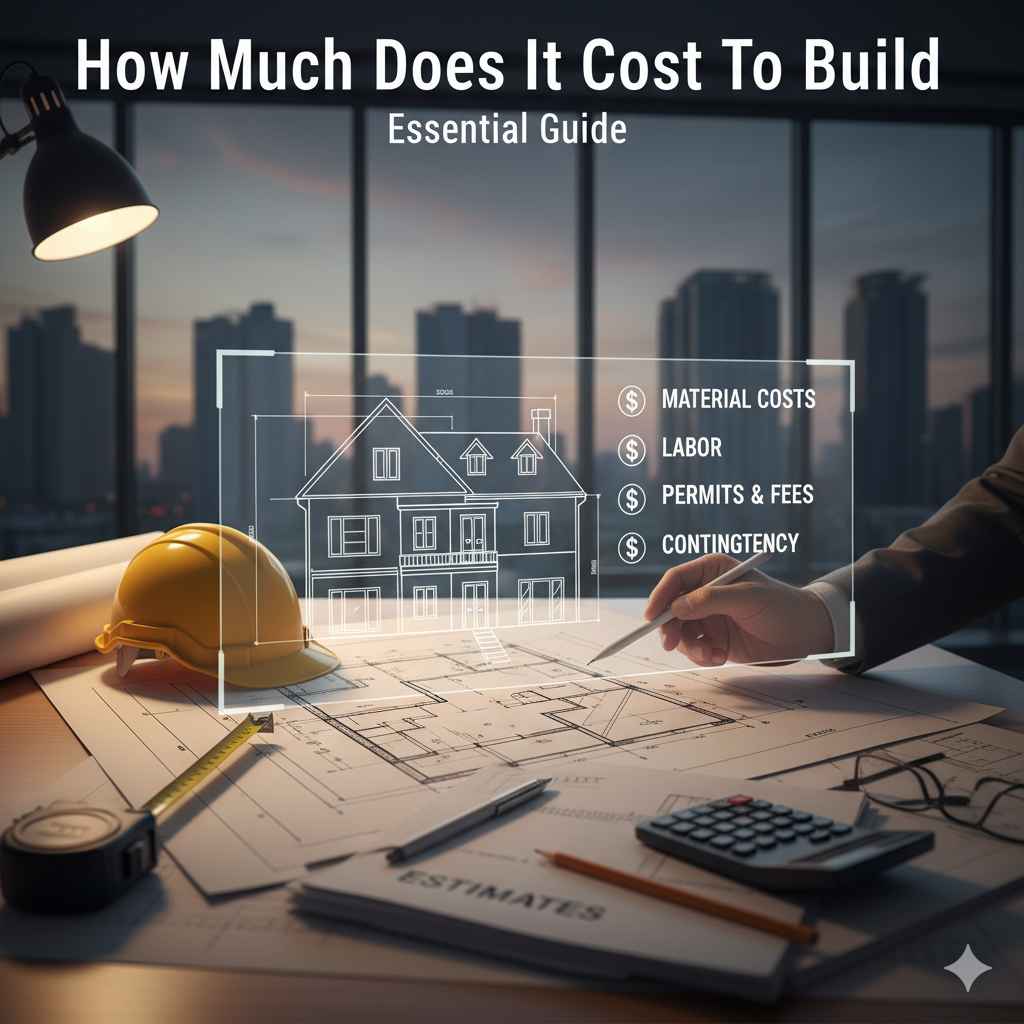
Figuring out “how much does it cost to build” is never a single number; it’s a sliding scale based on your choices. You have the power to set that price. If you prioritize low cost, you can stick to pine and basic hardware, landing close to that $300 material mark.
If you prioritize heirloom quality, you will invest more in hardwoods and premium soft-close slides, pushing the material cost closer to $600 or $700. Remember, the true value of building your own dresser isn’t just the money saved compared to retail; it’s the satisfaction of creating something sturdy that fits your exact needs and will last for years. Take your time planning your materials, choose your hardware wisely, and you will find that building high-quality furniture is well within your reach!