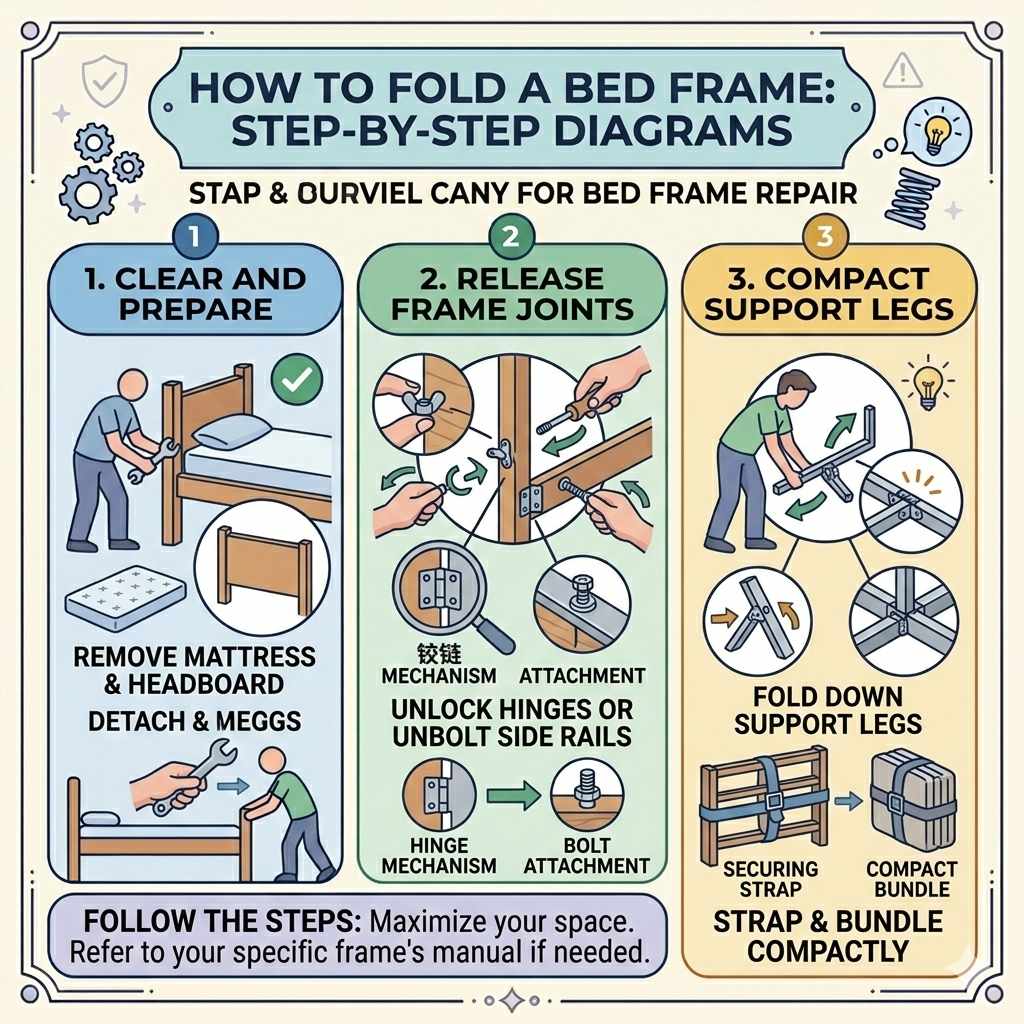
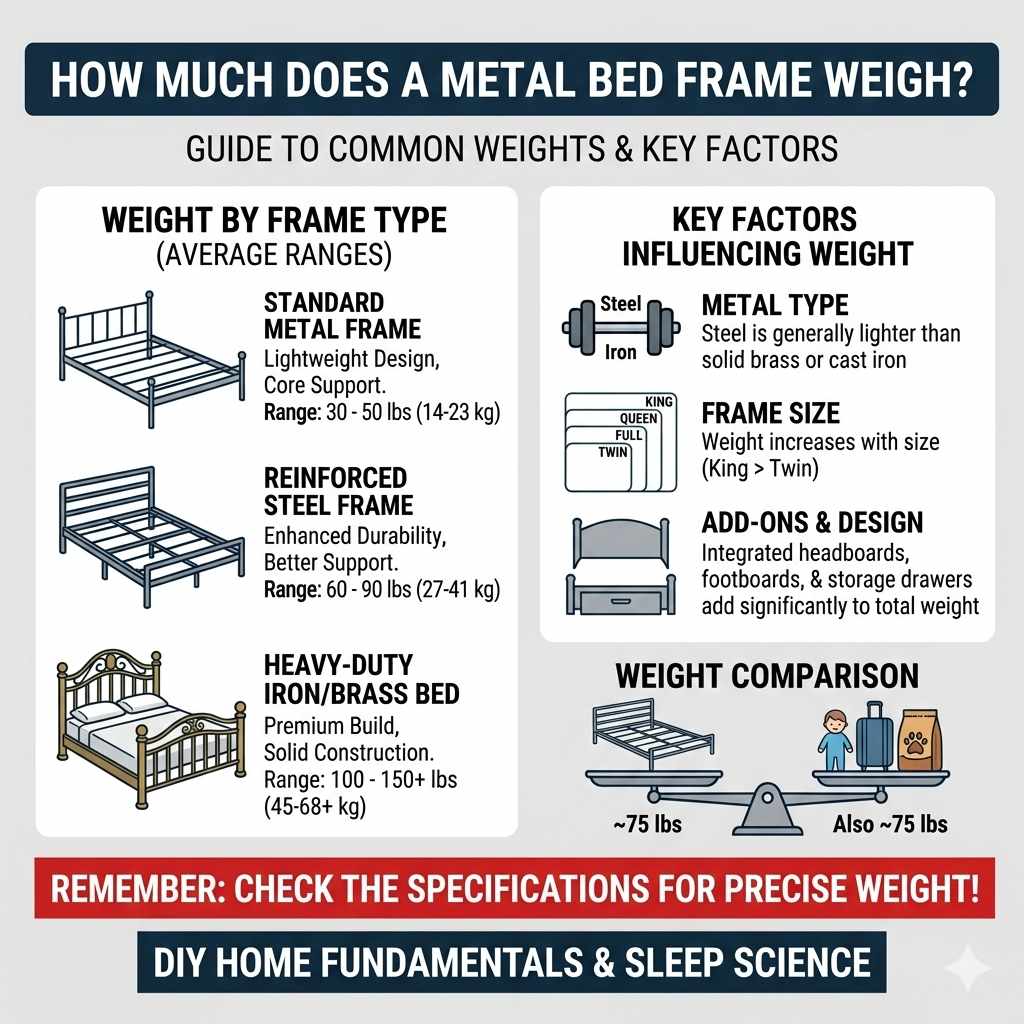
Metal bed frames usually weigh between 30 and 100 pounds. Lightweight twin frames might be closer to 30 lbs, while heavy-duty queen or king frames using thick steel can easily exceed 90 lbs. Weight depends mostly on material thickness and design complexity.
Hey there! Dustin Hall here. Trying to move or assemble a new bed frame and wondering if you need a friend to help? It’s a super common question, especially when dealing with bulky items like bed frames. Knowing the weight upfront saves you a trip up the stairs with a sore back!
Figuring out exactly how much a metal bed frame weighs isn’t always easy because they come in so many styles. It feels like a simple question, but steel thickness and size make a big difference. Don’t worry, though. We’re going to break down exactly what influences that weight, what you can expect for different sizes, and how to choose one that’s just right for you.
Let’s take the guesswork out of heavy lifting and get you the clear answers you need!
Why Knowing Your Metal Bed Frame Weight Matters
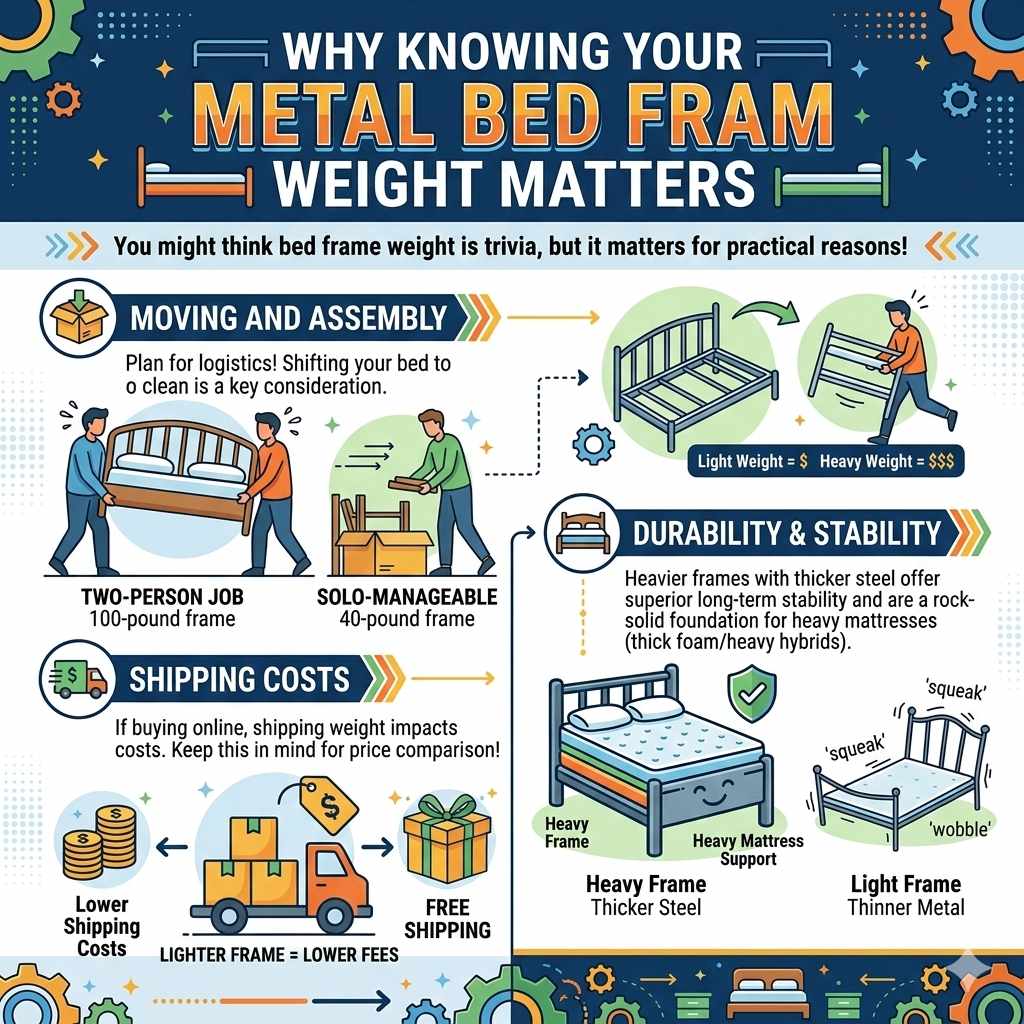
You might think the weight of a bed frame is just trivia, but it matters a lot for a few practical reasons, especially if you’re like me and like to handle things yourself. Safety and logistics come first!
Moving and Assembly
If you plan on moving apartments or even just shifting the bed to vacuum underneath, knowing the weight helps you prepare. A 100-pound frame alone is a two-person job. A 40-pound frame might be manageable solo if it breaks down into smaller pieces.
Durability and Stability
Generally, heavier frames made with thicker steel offer better long-term stability. Lighter frames might use thinner metals, which can sometimes lead to squeaks or wobbles over time. If you need a rock-solid foundation for a heavy mattress (like a thick memory foam or heavy hybrid), you want to lean towards the higher end of the weight spectrum.
Shipping Costs
If you are buying online, the shipping weight directly impacts the cost. A lighter frame usually means lower shipping fees or sometimes even free shipping. This is important to keep in mind when comparing prices.
The Main Factors That Determine Metal Frame Weight
It’s not just the size of the bed that tips the scales. Several key design and material choices dramatically change how much a metal frame weighs. Think of it like comparing the weight of a small sports car interior versus a heavy-duty truck chassis—both are metal, but the thickness changes everything.
1. Material Gauge (Thickness of the Steel)
This is the single biggest factor. Metal tubing comes in different “gauges.” In the US, a lower gauge number means thicker, heavier, and stronger steel. Frames marketed as “heavy-duty” or “industrial” often use lower gauge steel (like 14-gauge or 16-gauge). Everyday, budget frames might use higher gauge, lighter-weight tubing.
- Thick Steel (Low Gauge): Higher weight, maximum sturdiness, better for supporting very heavy mattresses or multiple sleepers.
- Thin Steel (High Gauge): Lower weight, easier to move, sometimes less rigid over time.
2. Design and Style
A simple platform frame with just four legs and side rails will weigh much less than a complex, ornate wrought-iron style frame or one with an integrated headboard and footboard.
- Platform Frames: Often the lightest since they require minimal extra metal.
- Box Frames (with Center Support): Heavy-duty versions include extra crossbars, adding significant weight.
- Decorative Frames: Ornate designs with lots of extra metalwork, finials, or thick headboards add bulk and weight.
3. Overall Size (Twin, Queen, King)
This is straightforward: a King size frame uses significantly more steel than a Twin size frame. You need more length and width in the side rails and support beams.
4. Included Components
Does the price include a headboard and footboard? Does it have built-in support slats, or do you need to buy those separately? Frames that come as a complete unit, including the headboard struts and all necessary hardware, will naturally weigh more than just the base frame kit.
Typical Weight Ranges by Bed Size
To give you a good starting point, here are some general weight estimations for common metal bed frame sizes. Remember, these are averages. A sturdy King frame weighs much more than a lightweight, foldable Twin frame.
When looking at product specifications, always check if the listed weight is the product weight or the shipping weight (shipping weight often includes extra packaging material).
| Bed Size | Light/Basic Frame Approximate Weight (Lbs) | Medium/Standard Frame Approximate Weight (Lbs) | Heavy-Duty/Platform Frame Approximate Weight (Lbs) |
|---|---|---|---|
| Twin (39″ x 75″) | 25 – 35 lbs | 35 – 50 lbs | 50 – 65 lbs |
| Full/Double (54″ x 75″) | 35 – 45 lbs | 45 – 65 lbs | 65 – 85 lbs |
| Queen (60″ x 80″) | 40 – 55 lbs | 55 – 80 lbs | 80 – 105 lbs |
| King (76″ x 80″) | 50 – 70 lbs | 70 – 95 lbs | 95 – 130+ lbs |
As you can see, moving from a Full to a Queen adds weight, but jumping from a Standard Queen to a Heavy-Duty Queen can add 20 or 30 pounds just from thicker steel tubing!
Comparing Metal vs Wood Frames: Which is Heavier?
When you’re making a purchasing decision, you might be weighing metal against wood. It’s helpful to see how they stack up in terms of heft.
Metal Frames: The Quick Overview
Metal frames excel at being strong without requiring excessive bulk. A high-quality steel platform bed can safely support a mattress of nearly any weight with relatively thin tubing, making them lighter than their wooden counterparts of similar strength.
Wood Frames: What Adds the Bulk?
Wood frames, especially those made from solid hardwoods like oak or maple, often weigh significantly more than an equivalent steel frame, even if the wood is high quality. This is because wood requires greater overall mass (thickness) to achieve the same tensile strength as steel. Particle board or MDF frames are often lighter, but they rely on density rather than natural material strength.
For example, a solid wood Queen platform bed might start around 110–130 lbs, whereas a strong steel Queen platform might be 80–100 lbs.
Essential Tools and Prep for Assembly/Moving
Knowing the weight is half the battle; being prepared for the actual task is the other half. Whether you are assembling a new frame or taking apart an old one for a move, having the right gear makes the job safer and faster. Think assembly like a simple maintenance check—preparation is key!
Tools You’ll Likely Need:
- Allen Wrench Set (Hex Keys): Almost every single metal frame uses these bolts. Most kits come with a cheap one, but a full set of decent quality keys makes tightening much easier.
- Socket Wrench Set: Sometimes, larger bolts on the internal support system require a socket wrench instead of just an Allen key.
- Pillow or Blanket: To place underneath the frame parts to prevent scratching your floor while you work.
- Gloves (Optional but Recommended): Heavy work gloves protect your hands from sharp edges or rough burrs on newly cut metal.
- A Friend (For Queen/King Frames): For anything Queen size or larger, do not attempt to lift or maneuver the heaviest pieces solo. This is a safety measure, not a sign of weakness!
A Quick Safety Tip on Lifting
If you are moving a frame that weighs over 75 pounds, treat it like you would a heavy box of tools. Lift with your knees, keep your back straight, and communicate clearly with anyone helping you. If you feel strain, put it down and take a break. It’s not worth a pulled muscle!
How to Confirm the Exact Weight of Your Frame
If you are buying a frame or trying to dispose of an old one, you need the precise number. Here are the best ways to track it down.
1. Check the Original Product Listing or Box
This is the easiest route. Manufacturers are required to list product dimensions and weight, especially for online sales. Look for terms like “Product Weight” or “Shipping Weight.” Be aware that shipping weight often includes the hardware and packaging, making it slightly heavier than the assembled frame alone.
2. Consult the Manufacturer’s Website or Manual
If you’ve lost the box, look up the model number online. Reputable manufacturers, particularly those that adhere to safety testing standards (similar to how organizations regulate vehicle safety standards), will have this information readily available.
3. Use a Bathroom Scale for Estimation (For Disassembled Parts)
If you have already disassembled the frame and want to know the total weight for disposal or moving strategy, you can weigh the heaviest pieces individually.
- Weigh yourself on a standard bathroom scale.
- Pick up the heaviest frame piece (e.g., one side rail) and weigh yourself holding it.
- Subtract your initial weight from the second weight. This gives you the weight of that section.
- Repeat for all major components (headboard, side rails, center support).
- Add all component weights together for a very close estimate of the total weight.
This method works surprisingly well for getting a solid DIY estimate without needing specialized industrial scales.
Understanding Weight Capacity vs. Frame Weight
It is crucial not to confuse how much the frame weighs with how much weight the frame can support (weight capacity). These are two different specifications.
A frame might weigh only 45 lbs (lightweight), but if it’s engineered well, it might support 1,000 lbs! Conversely, a very heavy, cheap, decorative frame might weigh 80 lbs but buckle under stress if the steel gauge is too thin.
When looking for stability, focus on the Weight Capacity rating. For most modern, quality metal frames, you should generally look for:
- Twin/Full: Minimum 500 lbs capacity.
- Queen/King: Recommended 800–1,000 lbs capacity (to account for the mattress, box spring/foundation, and two people).
To ensure longevity and stability, high capacity usually requires more substantial materials, leading to a higher actual frame weight.
When Lighter Weight is Better in Metal Frames
While we often associate weight with strength, there are specific scenarios where a lighter metal frame is the smart choice. Think about times when portability is more important than sheer density.
Best Scenarios for Lighter Frames:
- Apartment Living/Frequent Moves: If you move every year or two, a frame that breaks down easily and weighs 40 lbs versus 100 lbs saves serious energy and time.
- Guest Rooms: Frames that are only used occasionally don’t need the absolute thickest steel, allowing you to save some money and keep storage space clear.
- Frames with Integrated Headboards: If the frame itself is light, but you are adding a heavy, solid wood attached headboard, the light base keeps the entire assembly manageable.
- Budget Constraints: Lighter frames often use slightly less raw material, translating to a lower initial purchase price, which helps keep repair/replacement costs down.
When Heavier Weight is Non-Negotiable
On the flip side, sometimes you absolutely need that extra metal heft. If you are setting up a long-term primary bed, especially for a couple, investing in a heavier frame is smart maintenance for your sleep setup.
When to Buy the Heaviest Option:
- Heavy Mattresses: Very thick hybrid mattresses or heavily layered memory foam mattresses put more downward pressure on the support system. A heavier frame often means thicker cross supports.
- No Box Spring Required (Platform Style): Platform frames carry the entire mattress weight directly on their internal decking or slats. A sturdier, heavier frame ensures these slats stay aligned and don’t bow.
- Reducing Noise: Squeaks and rattles often come from looser connections or lighter gauge metal flexing. A heavier, thicker frame tends to hold its structure better, leading to a quieter sleep environment.
For peace of mind regarding structural integrity, think of the frame weight as an investment in quiet, dependable support. If you see a Queen frame that weighs less than 40 lbs, be cautious about its long-term ability to handle repeated stress.
Maintenance Tips to Keep Your Frame Light and Quiet
Even after assembly, you can take steps to ensure your frame remains solid and doesn’t gain unnecessary weight or develop noise issues.
1. Tighten Hardware Regularly
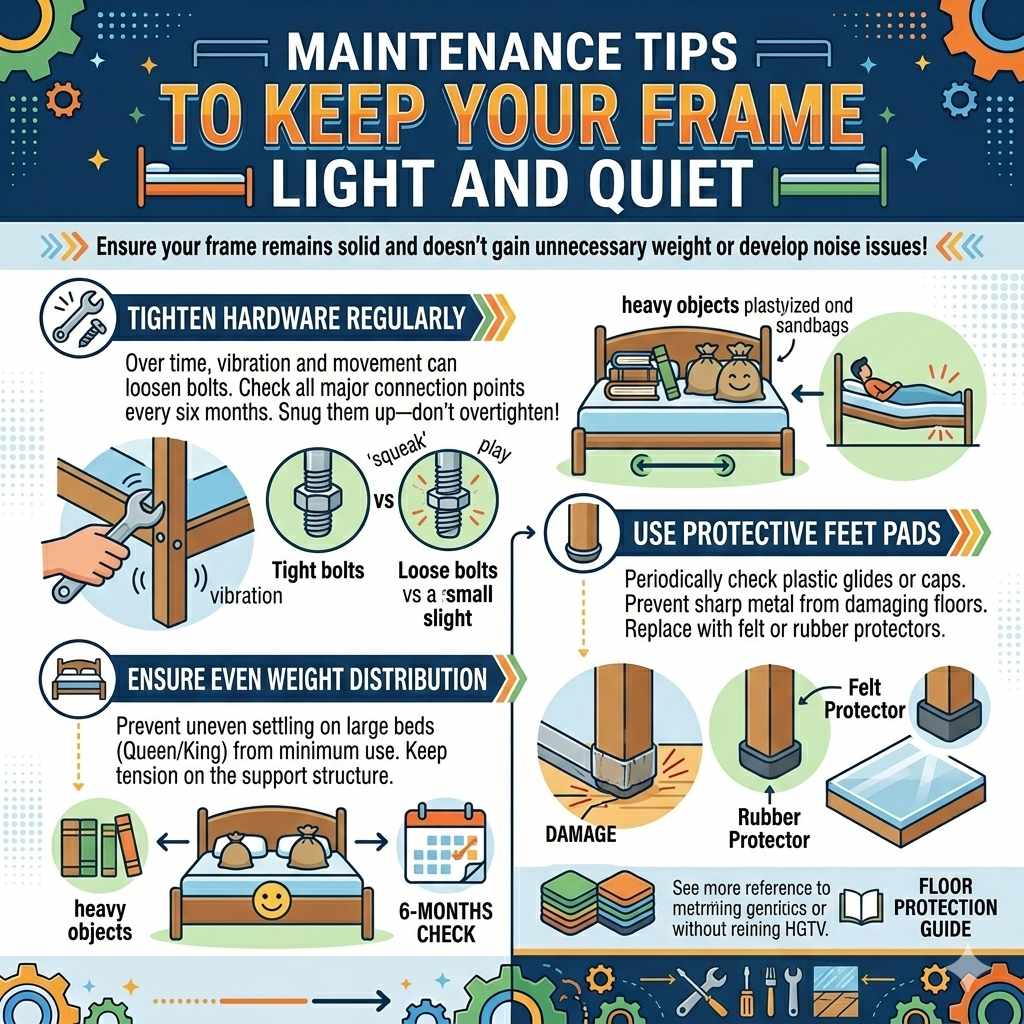
This is critical. Over time, vibration from movement or the shifting weight of the mattress can slightly loosen bolts. A loose bolt causes play in the metal joints, which translates directly into squeaking and a feeling of instability. Check all major connection points every six months and snug them up—don’t overtighten, just make them snug.
2. Ensure Even Weight Distribution
If you rarely use one half of a Queen or King bed, the unused side might settle unevenly. If you anticipate long periods of minimum use, consider placing a few heavy objects (like old books or weighted sandbags—nothing breakable!) evenly across the empty side. This keeps tension on the support structure.
3. Use Protective Feet Pads
If your frame has plastic glides or caps on the bottom of the legs, check them periodically. If these wear down unevenly, the sharp metal edge of the leg could start digging into your floor. This doesn’t add weight, but it damages your floor, which is a costly problem down the road. You can easily find felt or rubber protectors online, similar to those used for chair legs. You can read best practices for protecting various floor types from sources like the HGTV guide on floor protection.
Frequently Asked Questions (FAQ)
Q1: Is a metal bed frame heavier than a wooden bed frame?
Not always. A very heavy solid hardwood frame will be heavier than a simple, thin steel platform frame. However, a heavy-duty steel frame designed for high capacity often weighs less than an equivalent solid wood frame because steel is stronger per unit of volume.
Q2: Does the box spring add weight to the frame?
Yes, significantly! If your frame supports a metal box spring (foundation), that foundation can easily add 30 to 50 pounds to the total load the frame must support daily. If you are replacing an old frame, remember to factor in the weight of any extra foundations you intend to use.
Q3: What is the ideal weight for a single person to move a Twin frame?
For a standard Twin metal frame, if it breaks down into three or four main pieces, most adults can manage to carry the heaviest piece (usually a side rail) by themselves, provided it weighs under 45 pounds. If a single piece is over 50 pounds, grab a friend for safety.
Q4: Why do some metal frames squeak if they are heavy?
Squeaking usually isn’t about total weight; it’s about looseness. Heavy frames squeak when the bolts connecting the main beams or the connection points where the slats rest have vibrated loose. Routine tightening (as mentioned above) almost always fixes this issue.
Q5: If a frame is listed as “Wrought Iron,” is it always heavy?
Wrought iron implies heavy, decorative metalwork. While traditional wrought iron is very dense and heavy, modern “wrought iron style” frames are often lighter materials like tubular steel painted black to mimic the look. Always check the actual product weight specification.
Final Thoughts: Choosing the Right Weight for the Right Job
So, how much does a metal bed frame weigh? As you’ve seen, the answer isn’t a single number—it’s a range shaped by steel gauge, design complexity, included components, and overall bed size. From lightweight 30-pound twin frames to heavy-duty king platforms pushing past 100 pounds, each option serves a different purpose.
The real takeaway isn’t just the weight itself—it’s what that weight represents. Heavier frames typically mean thicker steel, stronger center support, better long-term durability, and reduced noise. Lighter frames, on the other hand, offer portability, easier assembly, lower shipping costs, and convenience for renters or frequent movers. Neither is automatically “better.” The best choice depends on your mattress type, room setup, lifestyle, and how permanent your sleep arrangement will be.
At the end of the day, a metal bed frame isn’t just a structure—it’s the foundation of your rest. Choose wisely, lift safely, and you’ll enjoy a setup that’s sturdy, quiet, and built to last.