
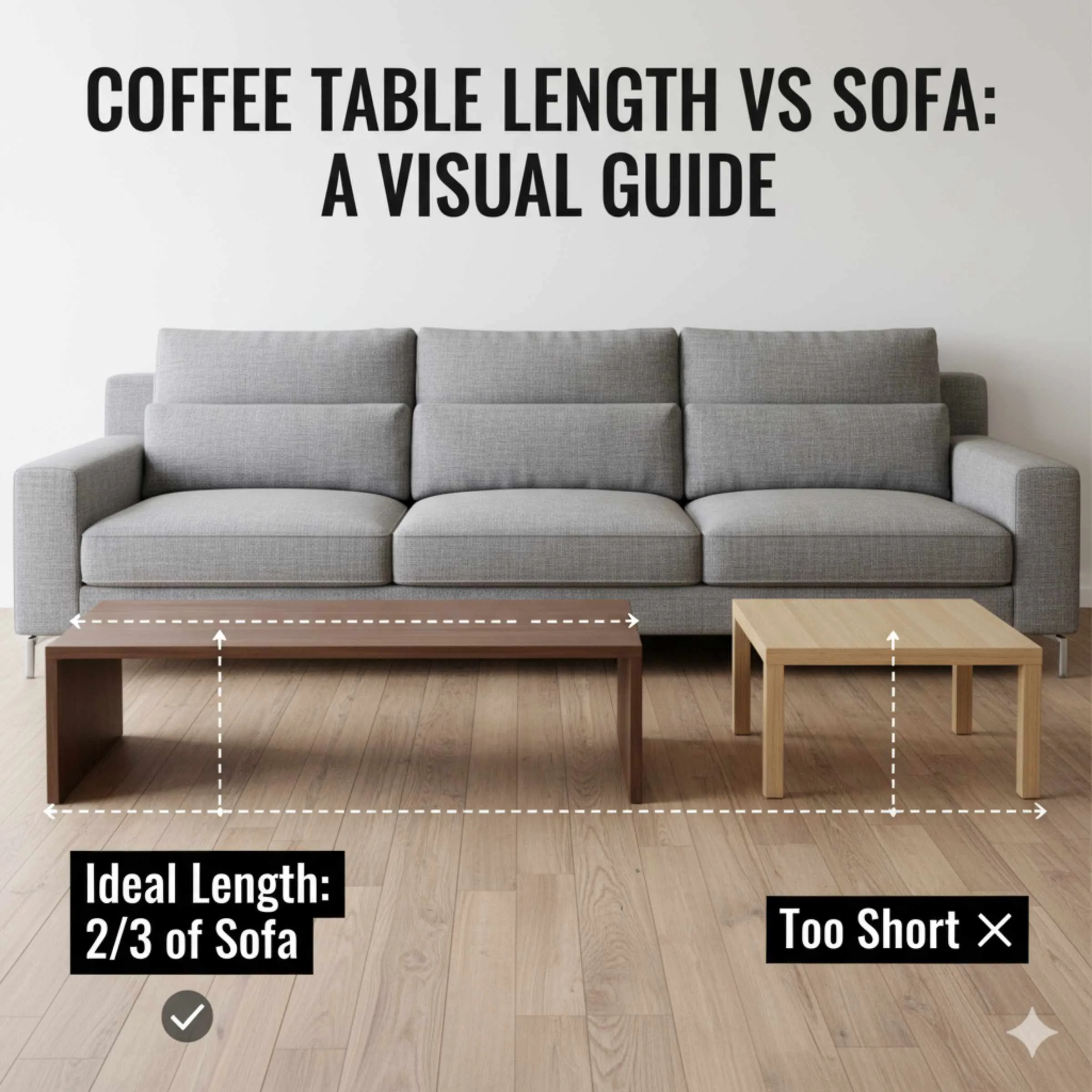
For the perfect living room setup, aim for a coffee table that’s about two-thirds the length of your sofa. This ensures good proportions and comfortable space for walking around. We’ll show you how to measure and choose the right size.
Ever stood back to look at your living room and felt something was a little… off? Maybe your coffee table seems too big, too small, or just awkwardly placed. It’s a common hiccup when arranging furniture, and getting the coffee table length just right with your sofa can make a huge difference. Don’t worry; it’s not complicated! This guide will walk you through how to easily figure out the ideal coffee table size for your space, making your living room feel balanced and inviting. We’ll break down the simple math and visual cues to help you make the best choice.
Why Coffee Table Size Matters
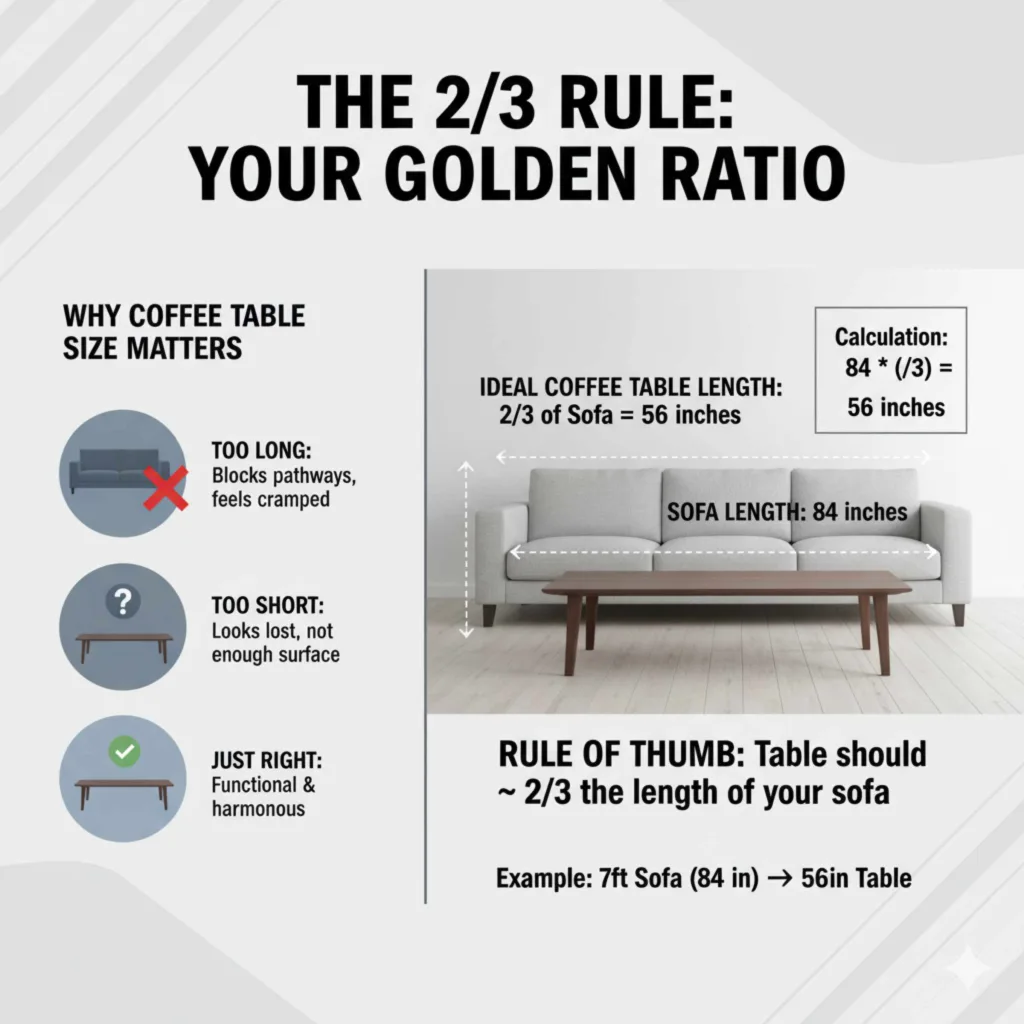
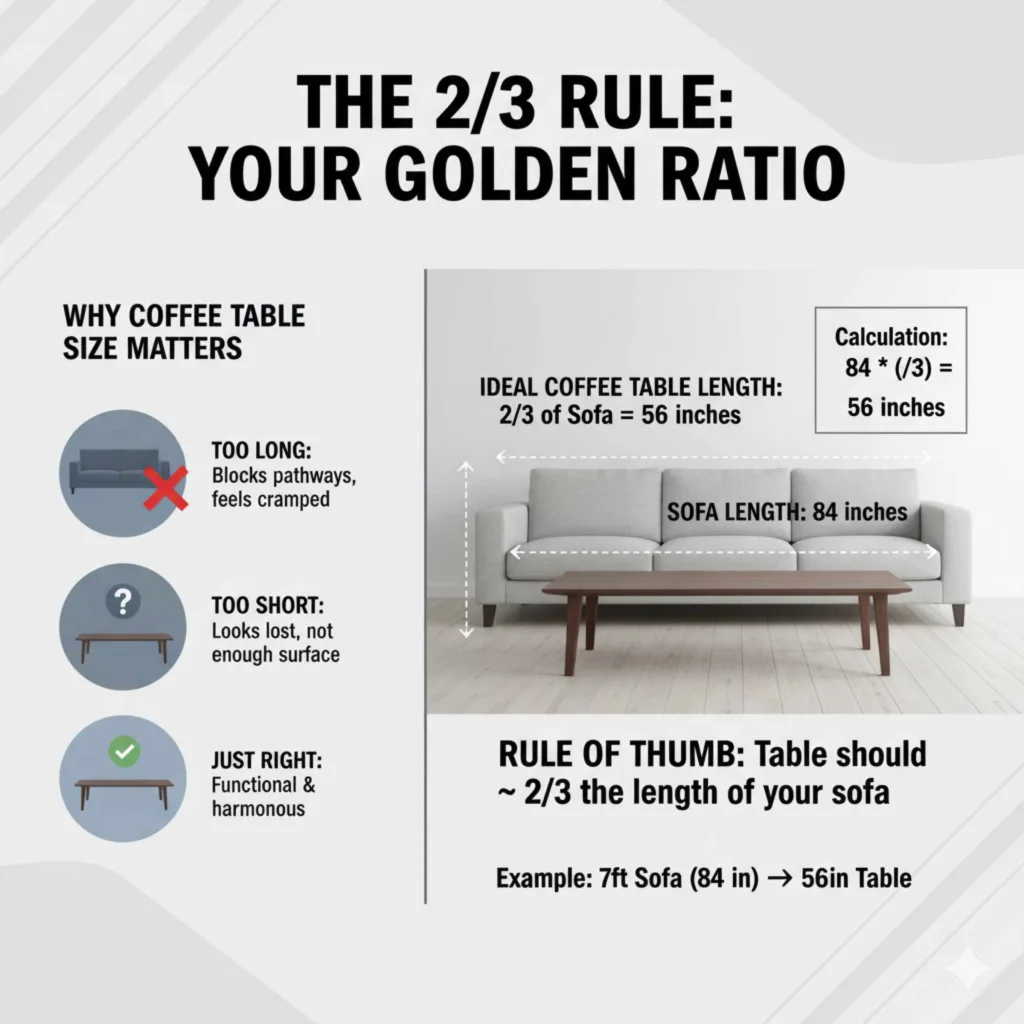
Getting the size of your coffee table right is like finding the perfect spot for everything when you’re organizing your toolbox. It’s not just about looks; it’s about how you use the space. A coffee table that’s too long can make your sofa feel cramped and block pathways. On the other hand, a table that’s too short can look lost and won’t provide enough surface area for drinks, remotes, or decor. The right balance makes your living room feel more functional and harmonious.
The 2/3 Rule: Your Golden Ratio
Think of this as a simple, reliable rule of thumb, much like checking your tire pressure before a long drive. The most frequently recommended guideline for coffee table length is to aim for a table that is approximately two-thirds the length of your sofa.
For example:
If your sofa is 7 feet (84 inches) long, a good coffee table length would be around 5.6 feet (about 67 inches).
If your sofa is 8 feet (96 inches) long, a coffee table around 6.4 feet (about 77 inches) would be a good fit.
This ratio creates a pleasing visual balance. The table doesn’t overpower the sofa, nor does it disappear. It feels like a natural extension of your seating area.
Measuring for Success
Just like you’d measure a bolt to make sure it fits, measuring your sofa and the space around it is key to finding the right coffee table size.
Step 1: Measure Your Sofa
Find the total length of your sofa from one armrest to the other. Don’t forget to include any protruding parts or curves. You can use a flexible tape measure for this. Jot this number down.
Step 2: Measure the Space Around Your Sofa
Now, measure the distance between the sides of your sofa and any adjacent furniture or walls. You’ll want to ensure there’s enough space to walk comfortably around the coffee table.
Step 3: Calculate Your Ideal Coffee Table Length
Take the measurement from Step 1 (your sofa’s length) and multiply it by 0.66 (or divide by 1.5). This gives you the target length for your coffee table. For example:
Sofa Length: 84 inches
Ideal Coffee Table Length: 84 x 0.66 = 55.44 inches (approximately 55 inches)
Step 4: Consider Walkway Clearance
This is super important, like making sure you have enough clearance around your car when parking. You need enough room to walk between the coffee table and the sofa, and between the coffee table and any other furniture or walls.
Ideal clearance between sofa and coffee table: Aim for 14 to 18 inches. This is enough space to walk, tuck in chairs, and still reach for a drink.
Clearance between coffee table and other furniture/walls: Aim for at least 12 inches, but 18 inches is even better if your space allows.
This ensures your living room feels open and easy to navigate, not like you’re squeezing through tight spots. You don’t want to be constantly bumping into things!
Coffee Table Shapes and How They Relate to Your Sofa
The shape of your coffee table can also influence how it works with your sofa and overall room layout.
Rectangular Coffee Tables
These are the most common and versatile. A rectangular table often mirrors the linear shape of a sofa, creating a sense of order and balance. They are excellent for larger sofas or sectionals as they fill the space well and provide ample surface area.
Best for: Most sofa types, especially longer ones, sectionals, and sofas with a traditional layout.
Pairing Tip: Ensure the length respects the 2/3 rule and the width doesn’t extend beyond the sofa’s arms.
Square Coffee Tables
Square tables can work well with sofas that have a strong central focus or in smaller seating arrangements. They create a symmetrical look and can be great for conversation areas where multiple seating pieces face each other.
Best for: L-shaped sectionals, sofas with a central conversational grouping, or smaller, more intimate sofa arrangements.
Pairing Tip: The sides of a square table should ideally align with the outside edges of your sofa’s seat cushions.
Round or Oval Coffee Tables
These shapes soften the lines of a room and can be fantastic for creating flow. They are excellent for making a space feel more intimate and can be easier to navigate around, especially in rooms where sharp corners might be an issue. They work well with sofas of various lengths, but their visual impact is different.
Best for: Creating a softer feel, making tight spaces feel more open, and for sofas that might not have a strong linear presence (like some curved sectionals).
Pairing Tip: A round table’s diameter should generally be about two-thirds the length of the longest seating element. For a sofa, this means the table shouldn’t be wider than the sofa’s arms.
Other Factors to Consider
Besides length, a few other things will help you pick the perfect coffee table. Think of these like choosing the right drill bit for the job – the details matter!
Height
The height of your coffee table is just as important as its length.
Ideal Height: Most coffee tables should be the same height as your sofa’s seat cushions, or no more than 1-2 inches lower.
Why it Matters: A table that’s too high will feel imposing, and one that’s too low will be difficult to use. The consistent height ensures easy reachability for drinks and snacks.
A table that’s too high can feel awkward, and one that’s too low can be hard to reach. The sweet spot makes your living room functional and comfortable. For more on furniture dimensions, check out guides from interior design professionals on furniture sizing. For instance, resources from organizations like the American Society of Interior Designers (ASID) offer valuable insights into creating well-proportioned spaces.
Sofa Type and Layout
The kind of sofa you have and how it’s arranged plays a big role.
Sectionals: For an L-shaped sectional, a rectangular coffee table often works best, placed in the ‘L’ of the configuration. Ensure its length doesn’t exceed two-thirds of the longest side of the sectional. A square table might also work well if it fits neatly within the corner.
Loveseats: A smaller, square or round coffee table might be more appropriate for a loveseat to maintain a balanced look.
Sofa with two accent chairs: If your sofa is part of a larger seating arrangement, the coffee table should be centrally located and scaled to fit the space between all the pieces, not just the sofa.
Room Size and Traffic Flow
Always consider the overall dimensions of your living room. A large, sprawling room can handle a longer coffee table, while a smaller room benefits from a more modestly sized table. The key is to maintain comfortable walkways. You should be able to easily walk around the table and to and from the sofa without feeling crowded. Think about how you and your family move through the space naturally.
A good rule of thumb for traffic flow is to leave at least 18 inches of clear space around the perimeter of your coffee table. This gives you comfortable room to walk and move furniture if needed. For smaller rooms, consider a round or oval table, as they have no sharp corners to bump into and can visually open up the space.
When to Break the Rules
While the 2/3 rule is a great starting point, it’s not set in stone. Sometimes, design calls for something a little different.
Deep Sofas: If you have a very deep sofa, you might want a slightly longer coffee table to maintain visual balance.
Minimalist Style: In a minimalist design, you might opt for a smaller, sleeker coffee table that takes up less visual space.
Statement Piece: If your coffee table is intended to be a sculptural focal point, its size might be dictated more by its design than the sofa length alone. However, always ensure it doesn’t impede functionality.
* Specific Layouts: Sometimes, a large sectional facing a doorway means the coffee table needs to be placed to allow easy entry.
Coffee Table and Sofa Length: A Quick Comparison Table
Here’s a handy table to visualize how different sofa lengths might translate to coffee table recommendations. Remember these are guidelines!
| Sofa Length (Inches) | Sofa Length (Feet) | Target Coffee Table Length (Inches) | Target Coffee Table Length (Feet) | Notes |
|---|---|---|---|---|
| 60″ | 5′ | ~36″ – 40″ | ~3′ – 3.3′ | Good for loveseats or smaller sofas. |
| 72″ | 6′ | ~48″ – 50″ | ~4′ – 4.2′ | Common for standard two-seater sofas. |
| 84″ | 7′ | ~55″ – 58″ | ~4.6′ – 4.8′ | Suitable for most 3-seater sofas. |
| 96″ | 8′ | ~63″ – 66″ | ~5.3′ – 5.5′ | Ideal for longer sofas or smaller sectionals. |
| 120″ | 10′ | ~79″ – 80″ | ~6.6′ – 6.7′ | Good for larger sectionals. Consider proportions carefully. |
Frequently Asked Questions (FAQs)
Q1: What is the most important rule for coffee table length vs. sofa size?
The most important rule is the 2/3 ratio: your coffee table’s length should be about two-thirds the length of your sofa. This creates visual balance. Also, ensure there’s about 14-18 inches of space between the sofa and the table for easy walking.
Q2: My sofa is a corner sectional. How do I choose a coffee table size?
For an L-shaped sectional, measure the longest side of the ‘L’ and use the 2/3 rule for your coffee table length. A rectangular coffee table often fits well in the corner section. Ensure you leave 14-18 inches of space from the seating area.
Q3: Can a round coffee table be used with a rectangular sofa?
Yes, absolutely! A round coffee table can soften the lines of a room and work well with any sofa shape, including rectangular ones. The key is to ensure its diameter is not wider than the sofa’s arms and that there’s enough space for walking around it (14-18 inches from the sofa).
Q4: How close to the sofa should the coffee table be?
You should aim for 14 to 18 inches between the edge of your sofa and the edge of your coffee table. This distance is comfortable for reaching items on the table and for walking around without feeling cramped.
Q5: What if my sofa has very wide arms?
If your sofa has wide arms, measure the length of the sofa from the outside edge of one arm to the outside edge of the other. Then, apply the 2/3 rule to this total measurement. Alternatively, you can ensure the coffee table’s width doesn’t extend past the sofa’s arms to maintain a proportional look.
Q6: How can I test if a coffee table size is right before buying?
Use painter’s tape or newspapers to mark out the dimensions of your desired coffee table on your floor. Then, place your sofa cushions or chairs around it to simulate the furniture. This helps you visualize the scale and check for adequate walking space.
Q7: Is the coffee table height as important as its length?
Yes, the height is very important! Your coffee table should ideally be the same height as your sofa’s seat cushions, or no more than 1-2 inches lower. This ensures it’s comfortable to use and doesn’t disrupt the visual flow or ergonomics of your seating area.
Conclusion
Finding the right coffee table length for your sofa is all about balance and proportion. By using the 2/3 rule as your guide, carefully measuring your space, and considering traffic flow, you can easily make a choice that enhances your living room’s comfort and style. Remember, these are guidelines, not strict laws. The best setup is one that feels right for how you live and use your space. Don’t be afraid to adjust based on your sofa’s unique style, your room’s dimensions, and your personal preferences. A well-chosen coffee table pulls your entire living area together, making it a more inviting and functional place for you and your guests.