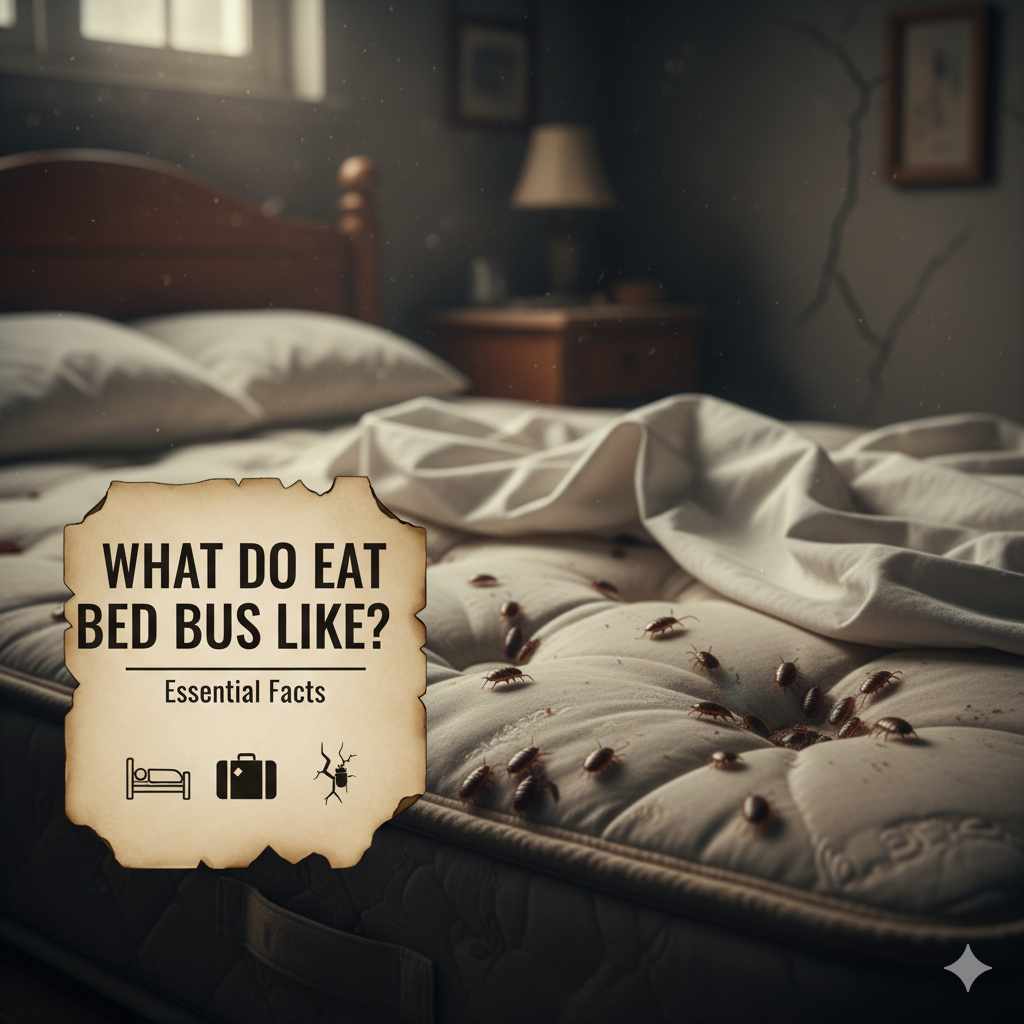
Bed bugs primarily seek out warm, dark hiding spots close to their food source—sleeping humans or pets. They love clutter, tight crevices in furniture, mattresses, and behind removable wallpaper. Understanding these preferences is the first step to detection and control.
Pests in the house are nobody’s friend, and few are as sneaky or frustrating as bed bugs. If you suspect you have these tiny hitchhikers, you want answers fast. Learning what attracts them helps you spot where they hide and how to get rid of them. It feels overwhelming, but we can break this down into simple facts. We will look at exactly what draws these unwanted guests to your cozy space. Get ready to reclaim your peace of mind with clear, easy-to-understand information.
Why Are Bed Bugs So Good at Hiding?
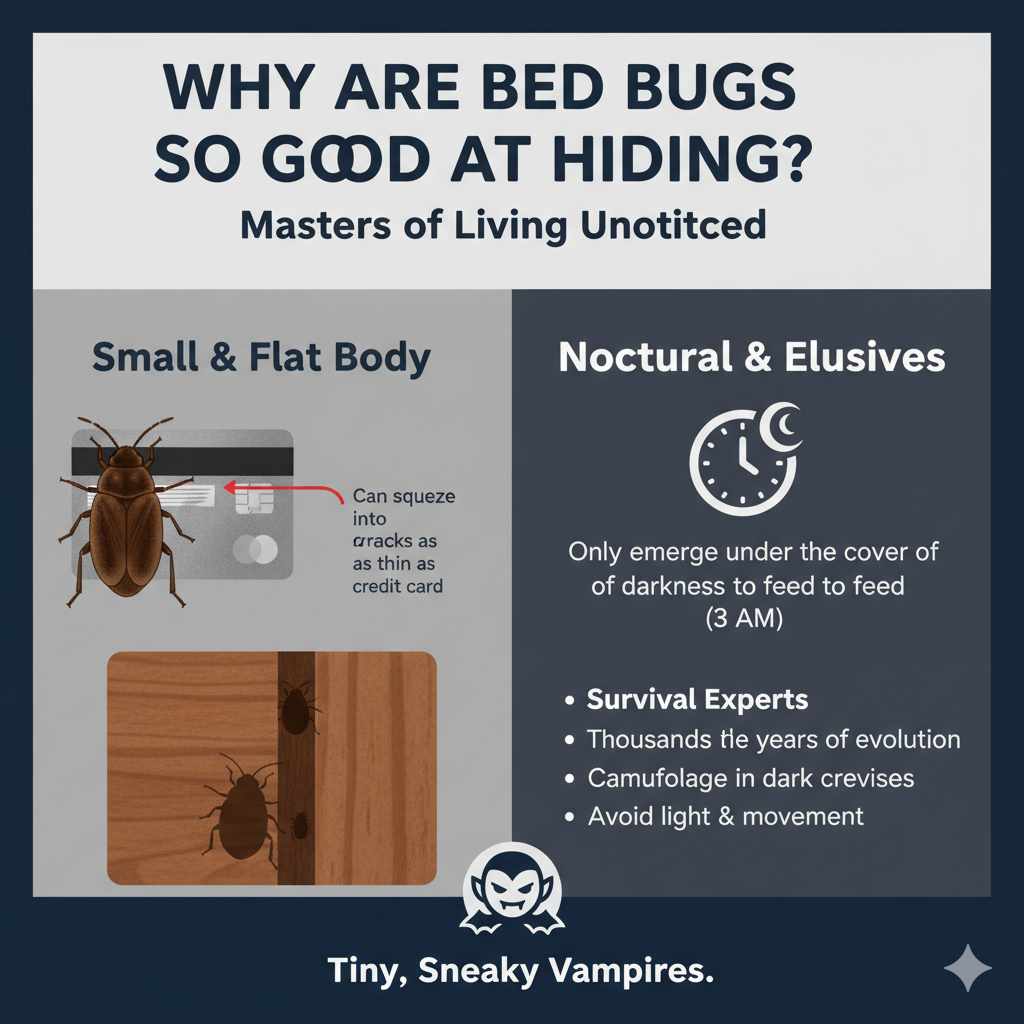
Bed bugs (Cimex lectularius) are survival experts. They have spent thousands of years perfecting the art of living unnoticed right next to us. They are flat, small, and masters of camouflage, which makes finding them a real challenge for homeowners.
Think of them like tiny, sneaky vampires. They need blood to survive, but they only emerge under the cover of darkness to feed. Their small size means they can squeeze into surprisingly tiny spaces. A crack as thin as a credit card is wide enough for an adult bed bug to disappear into. This natural ability to stay hidden is why knowing their preferences is so important for discovery.
The #1 Thing Bed Bugs Like: A Food Source
When asking what do bed bugs like, the answer always starts with the same thing: a steady supply of warm blood. Without it, they cannot reproduce or survive for long periods.
Mammalian Hosts Are the Main Draw
Bed bugs feed on the blood of warm-blooded animals. While they prefer humans, they will sometimes feed on pets like dogs or cats if humans aren’t available. They are not known to transmit diseases to humans, unlike some other biting pests, but their bites cause itchy welts that can disrupt sleep and cause stress.
They spend short amounts of time feeding, often only 5 to 10 minutes, right after their host falls into a deep sleep. Because they primarily feed at night, they must live very close to where you sleep.
<h3 class=”wp-block- বিছ bugs Like about Your Home Environment
While food is essential, bed bugs need the right environment to live comfortably between meals. They have specific needs regarding temperature and humidity. They are not fond of extreme conditions.
- Temperature Preference: They prefer rooms kept between 68°F and 80°F (20°C and 27°C). This is the typical temperature range of a comfortable home.
- Humidity Matters: They thrive in moderate humidity levels, generally between 40% and 60%. Very dry or very wet environments can slow down their development or even kill them.
- Darkness is Key: They are strictly nocturnal. They avoid light at all costs, which is why they hide deep inside mattresses, behind headboards, or inside wall voids during the day.
Where Do Bed Bugs Like to Hide? Proximity to the Host
If a bed bug finds a human host, it doesn’t want to travel far to get back to its hiding spot. This principle of short travel distance is crucial for finding infestations. They want to move only a few inches or feet to get home after a meal.
Prime Hiding Spots Near the Bed
When checking for bed bugs, you should focus your inspection efforts within an 8-foot radius of the bed. This is where they spend most of their resting time.
Here are the top places they like to congregate:
- Mattress Seams and Tufting: The tiny crevices, piping, and folds on your mattress are perfect hideaways. They fit snugly here.
- Box Springs: The fabric underneath the box spring and the wooden frame joints are favorite spots.
- Bed Frames and Headboards: Look inside hollow tubing, screw holes, and where the headboard meets the wall or bed structure.
- Nightstands and Dressers: Empty drawers and check the undersides and backs of these furniture pieces, especially if they are touching the bed.
- Wall Art and Outlets: They can travel slightly further to hide in loose wallpaper seams, picture frames hanging above the bed, or even inside electrical outlets (though professional help is needed to check inside outlets safely).
Clutter: Bed Bugs Love Shelters, Not Messes
While bed bugs don’t eat fabric or wood, they absolutely love clutter because it provides protection and structure. Clutter increases the sheer number of hiding spots available to them.
The Role of Clutter in Infestations
Imagine a clean, empty room versus a room piled high with stacks of books, laundry baskets, and piles of magazines. The cluttered room offers dozens of cool, dark entry points and safe passages for them to move around without being seen.
For a beginner trying to manage an infestation, minimizing clutter is one of the easiest first steps you can take, even before calling in professionals. It severely limits their available real estate.
thought
| Clutter Type | Why Bed Bugs Like It | Action to Take |
|---|---|---|
| Stacks of Magazines/Books | Tight spaces between pages and covers offer deep, dark shelter. | Store in sealed plastic bins or remove them immediately. |
| Laundry Piles (Especially Dirty) | Warmth retained by fabric and many folds to hide within. | Place dirty clothes immediately into a sealed plastic bag until washing. |
| Cardboard Boxes | Corrugation provides excellent hiding tunnels and protection. | Replace cardboard with hard, sealable plastic containers. |
Travel and Transportation: How They Spread
Bed bugs don’t fly, and they don’t jump. They travel by hitchhiking. This is one of the most important facts about what bed bugs like—convenient travel opportunities.
They like vehicles, backpacks, luggage, and used furniture because these items move them from an infested place to a new, fresh location, which is essentially free transportation and new feeding grounds.
- Luggage: Checking into a hotel or staying at a friend’s house and bringing luggage back home is a top vector for introduction.
- Used Furniture: Buying secondhand couches or mattresses is a major risk factor because previous owners may have had an infestation they didn’t know about. Always inspect used items thoroughly before bringing them inside.
- Public Transit: While less common than luggage, bus seats, theater seats, or library books can harbor them if the environment they came from was heavily infested.
What Bed Bugs Do NOT Like: Environmental Stressors
Just as important as knowing what they like is knowing what actively drives them away or kills them. Applying pressure using these environmental factors can help manage an infestation.
Extreme Cold
Bed bugs cannot tolerate freezing temperatures for very long. While household refrigerators are often used in food storage, specialized freezing techniques are necessary for pest control. According to the Environmental Protection Agency (EPA), sustained exposure to very cold temperatures can kill them, but achieving this safely at home requires professional equipment.
Key takeaway for freezing: Simply placing an infested item in a home freezer for a few days isn’t usually enough to kill all eggs and adults because the cold takes too long to penetrate the center of dense materials. Professionals use controlled, deep freezing temperatures for extended periods.
Extreme Heat
Heat is one of the most effective, non-chemical ways to kill bed bugs and their eggs instantly. They begin dying when temperatures reach about 113°F (45°C).
This is why professional heat treatments are so popular for removing severe infestations: commercial heaters bring the temperature of the entire room or entire house up to 130°F (54°C) or higher and hold it there for several hours. This ensures the heat penetrates deep into furniture and cracks.
Light and Exposure
As creatures of darkness, bed bugs strongly dislike bright light. If you shine a flashlight directly into a suspected hiding spot, they are far less likely to remain there or might try to scurry away, making them easier to spot.
This aversion to light is why you often won’t see them meandering around during the day—they stay hidden until you are asleep and the lights are out.
What Do Bed Bugs Like to Eat Besides Blood? (The Short Answer)
This is a common question, and the answer might surprise you, but it’s important to be clear: Bed bugs only eat blood.
They do not feed on dust, pet fur, dead skin cells, or fabric fibers—despite the old myth that they eat clothing. They need the iron and protein found only in vertebrate blood.
If they cannot find blood, they can enter a state of dormancy, surviving without a meal for many months, sometimes even over a year, especially in cooler conditions. However, they cannot survive indefinitely without feeding eventually.
Signs They Like Your Home: Detection Tips
If bed bugs like your home, they leave behind evidence. Finding these signs is how you confirm an infestation, even if you never see the actual bug.
Visual Evidence to Look For
When you look closely at where bed bugs hide, you are looking for three primary types of evidence:
- Fecal Spots: These look like tiny black or dark brown dots, often clustered together. They are the digested blood the bugs excrete. If you wipe a spot with a damp cloth, it might smear like a marker ink stain.
- Shed Skins (Exoskeletons): As they grow from nymphs to adults, bed bugs shed their outer shells five times. These shed skins look like translucent, empty shells of the bugs themselves.
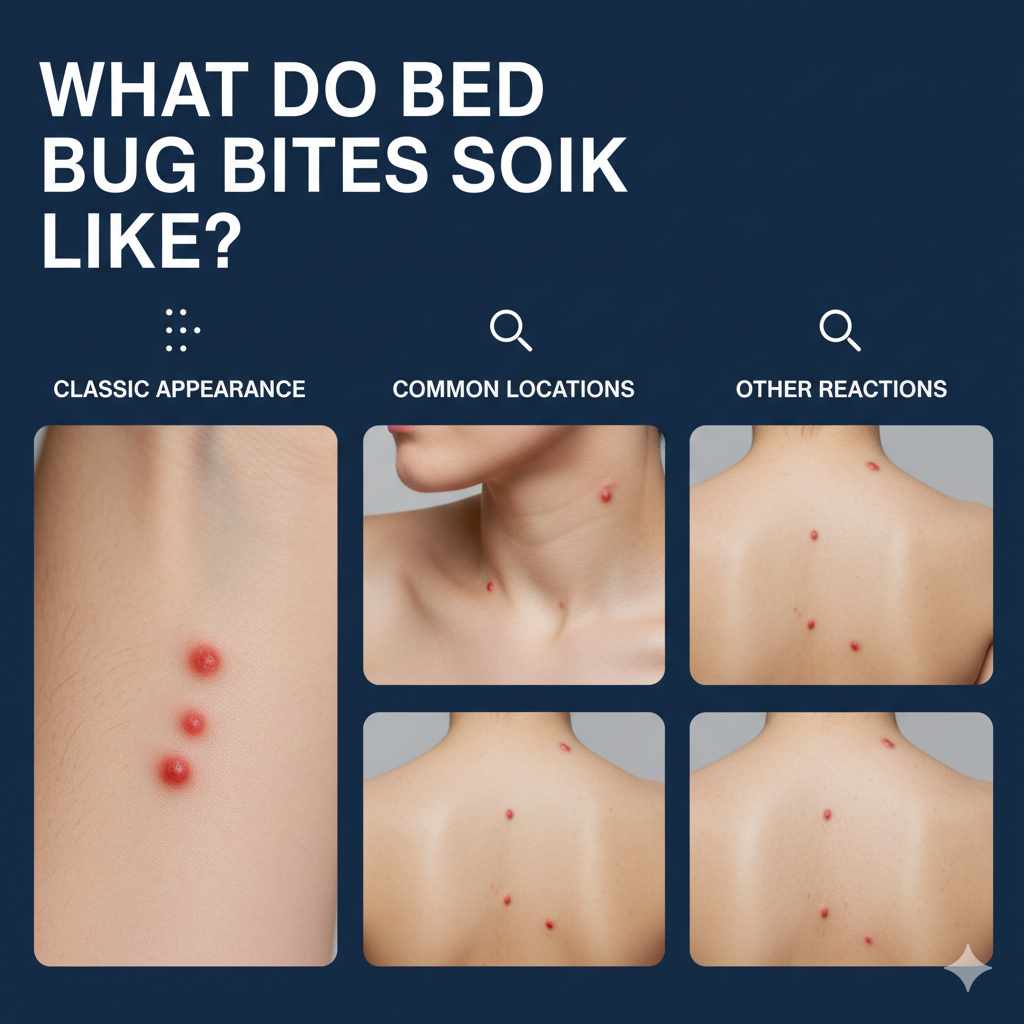
- Blood Stains: Small, rusty-colored stains on your sheets or pillowcases are usually left when a bug is crushed after feeding.
These signs are often found along the seams of mattresses and box springs, or where the bed frame touches the wall. If you are dealing with an infestation, you might also notice a distinct, slightly sweet, musty odor, especially in heavy infestations.
Practical Steps: Making Your Bedroom Less Appealing
Now that you know what they like (warmth, darkness, closeness to you), we can focus on making your bedroom an uncomfortable place for them to set up shop. This isn’t eradication, but it’s great prevention and management.
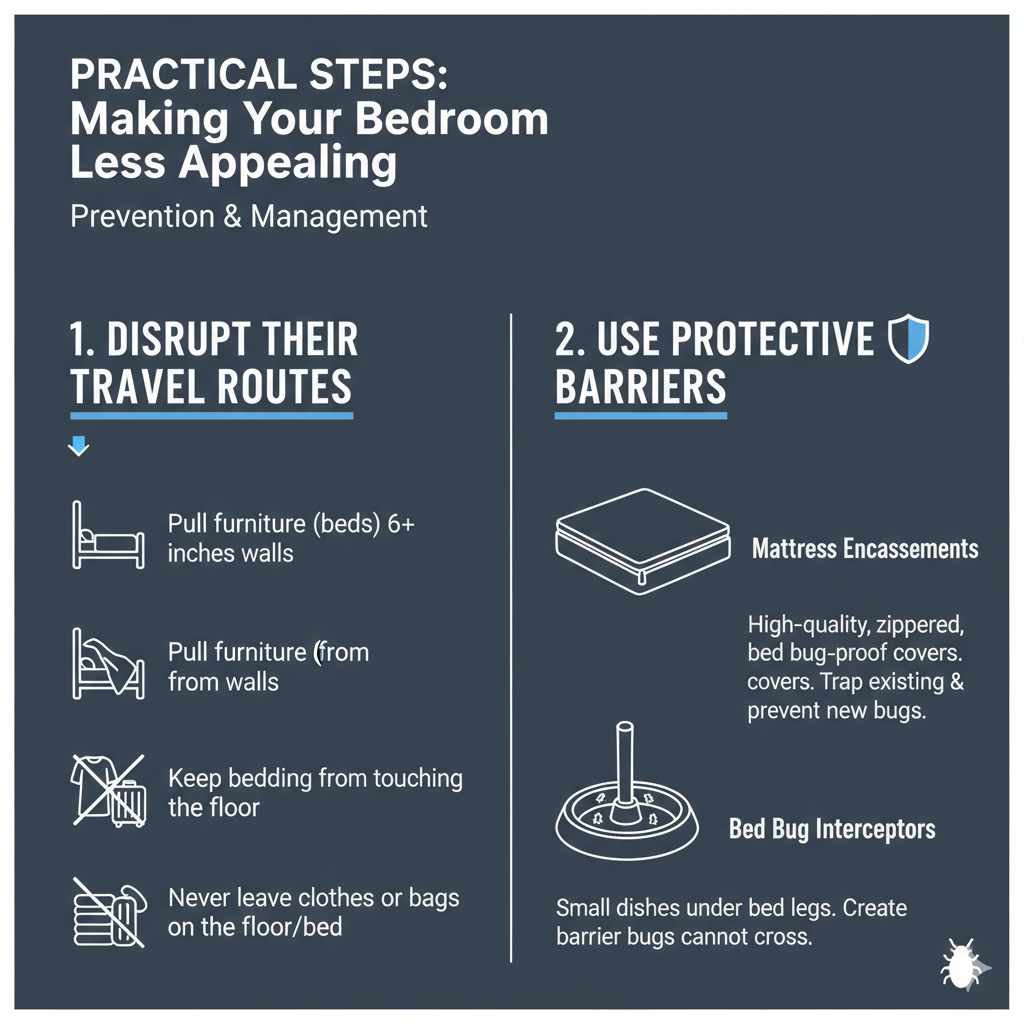
1. Disrupt Their Travel Routes
Bed bugs often travel along surfaces that connect their hiding spot to the bed. We need to break these pathways.
- Pull furniture (especially beds) at least 6 inches away from walls.
- Keep bedding from touching the floor.
- Never leave clothes or bags piled on the floor or on the bed when traveling.
2. Use Protective Barriers
This is one great DIY move that helps trap existing bugs and prevents new ones from settling in.
- Mattress Encasements: Invest in high-quality, zippered, bed bug-proof encasements for both your mattress and box spring. These trap any bugs currently inside and prevent new ones from making a home in the fabric.
- Bed Bug Interceptors: These are small plastic dishes that go under the legs of your bed. They create a moat the bugs cannot cross, trapping them when they try to climb up to feed. (See the list below for things you can use instead of professional ones if necessary.)
3. Temperature Control for Small Items
For items you suspect might be contaminated, like luggage or favorite stuffed animals, use heat to your advantage.
If you have access to a clothes dryer that gets very hot, you can dry small, washable items on high heat for at least 30 minutes. While professional heat treatment is best for furniture, the dryer is great for laundry and small textiles.
| DIY Bed Bug Deterrent | What it Does | Safety Note |
|---|---|---|
| Hot Dryer Cycle | Kills bugs and eggs through high heat exposure. | Use on high heat for a minimum of 30 minutes. |
| Caulk and Sealant | Seals cracks in baseboards, outlets, and around pipes where they hide. | Always turn off power at the circuit breaker before working near outlets. |
| Thorough Vacuuming | Removes loose bugs, eggs, and shed skins from carpets and cracks. | Immediately seal and dispose of the vacuum bag outside in a sealed trash receptacle. |
Frequent Questions (FAQ) for New Homeowners
Q1: Can bed bugs live in carpet?
A: Yes, they can, but they prefer cracks, crevices, the edges of carpets, or furniture sitting on the carpet. They do not burrow deep into thick carpet fibers easily.
Q2: Do bed bugs prefer old houses or new ones?
A: Bed bugs prefer places where people sleep frequently, regardless of age. They are common in both old apartments and brand-new hotels because they travel easily with people and belongings.
Q3: If I clean my room perfectly, will the bed bugs leave?
A: No. Cleaning removes clutter and some surface bugs, but if the hiding spots remain (like inside the mattress or behind outlet covers), the bugs will stay dormant and emerge when you sleep.
Q4: Do bed bugs like dirty laundry?
A: They are certainly attracted to piles of laundry because it’s dark and warm. However, they are more attracted to the person who wore the clothes (i.e., the lingering scent/body heat) than the fabric itself.
Q5: Can bed bugs survive without biting for months?
A: Yes, they can survive for long periods without feeding by entering a dormant state, especially when temperatures are cooler, but they must eventually feed to become active again.
Q6: Is using peppermint oil an effective way to repel bed bugs?
A: While some natural oils create a temporary deterrent, there is no scientific evidence suggesting that essential oils like peppermint or citronella can eradicate or permanently repel a bed bug infestation. They should not be relied upon for control.
Conclusion: Taking Control of Your Space
Learning what do bed bugs like is the key to taking back control of your home. These pests are drawn to warmth, darkness, and your presence. They are not a sign of poor housekeeping, but rather a sign that something hitchhiked into your space.
By focusing your inspection efforts near high-contact areas—like the seams of your mattress and the furniture touching the bed—and by eliminating clutter that offers them protected pathways, you make your home less hospitable. Remember, if you find multiple signs of activity, the best and most reliable step is always to speak with a trusted pest control professional. They have the specialized tools, like controlled heat applications, to ensure these resilient pests are gone for good. You’ve got this—knowledge and a proactive approach beat sneaky pests every time!