
Quick Summary:
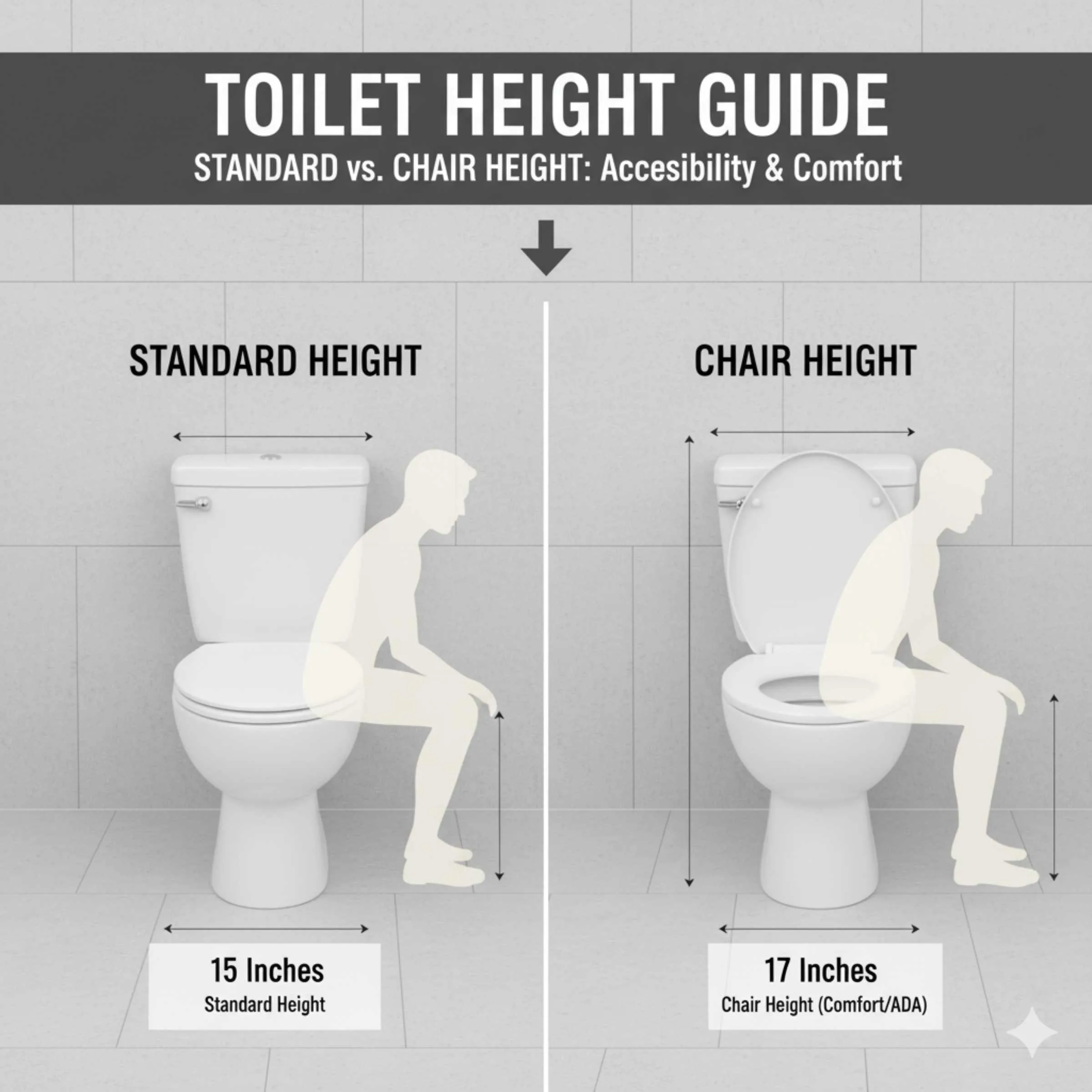
Choosing between a standard height toilet and a chair height toilet is about comfort and accessibility. Standard height is typically 14-15 inches from floor to the top of the bowl rim, while chair height (also called comfort height or ADA height) is usually 17-19 inches. Chair height is easier to sit on and stand up from, especially for taller individuals, seniors, or those with mobility issues.
Navigating the world of bathroom fixtures might seem straightforward, but there’s a key detail that can make a big difference in your daily comfort: toilet height. If you’ve ever felt a regular toilet is a bit of a stretch to sit down on or get up from, you’re not alone! This common issue often boils down to the difference between a “standard height” toilet and a “chair height” toilet. Understanding these differences is your first step to a more comfortable bathroom. We’ll break down exactly what sets them apart, so you can make the best choice for your home and your needs.
Standard Height Toilet vs. Chair Height Toilet: What’s the Big Deal?
When you’re looking at toilets, you might notice they aren’t all the same height. This isn’t just a design quirk; it’s a functional difference that impacts who finds them most comfortable. The main distinction lies in how tall the toilet bowl is from the floor. Let’s dive into what makes each type unique.
What is a Standard Height Toilet?
The traditional toilet you’ve likely encountered in most homes and public restrooms is what we call a standard height toilet. These are the workhorses of the bathroom, designed for general use. They’ve been the norm for a long time, and for many people, they work perfectly fine.
Key Characteristics of Standard Height Toilets:
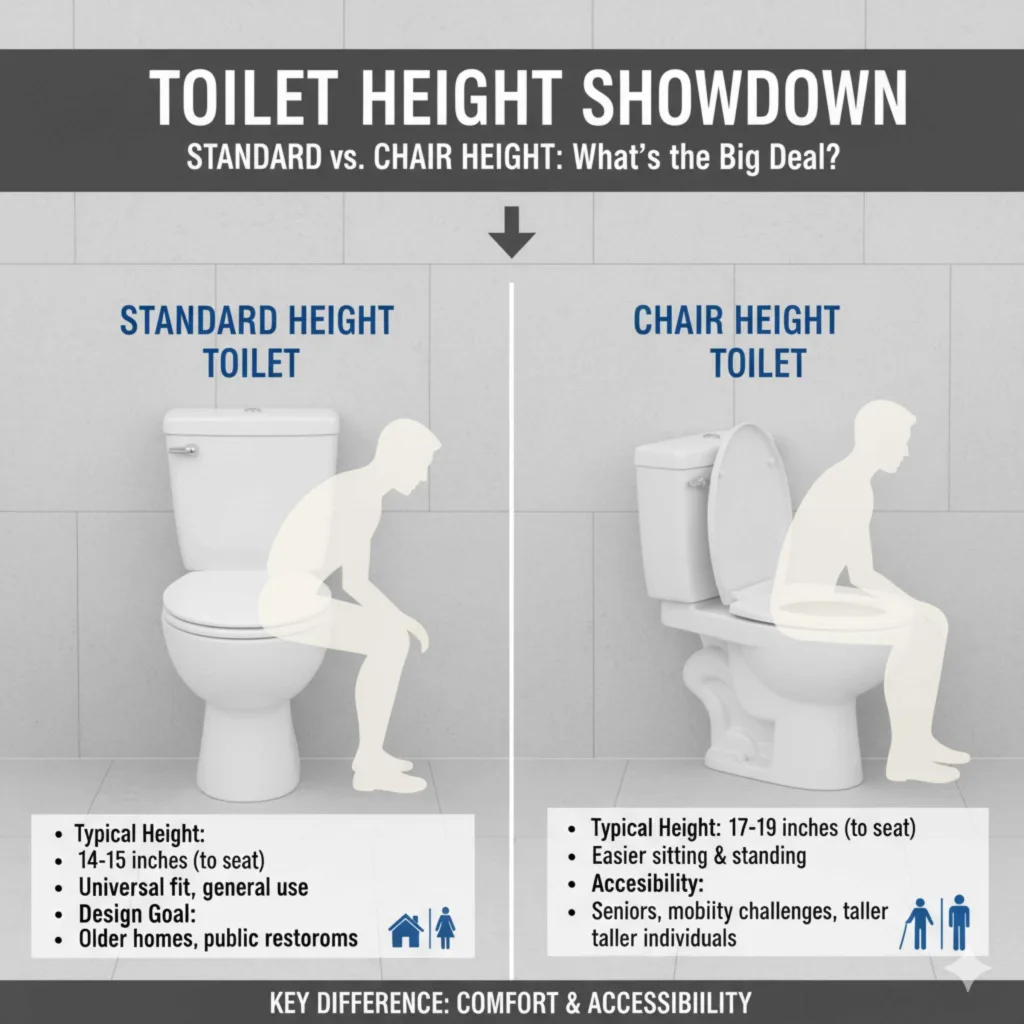
- Typical Height: The seat height (which includes the lid and seat) usually ranges from 14 to 15 inches from the floor. The bowl itself will be a bit shorter.
- Design Goal: They are designed to be a universal fit, which historically meant accommodating the average adult.
- Commonly Found: In older homes, most bathrooms as the default option until recent years.
A standard height toilet feels familiar simply because it’s what most of us grew up with. However, as we’ll explore, this standard might not be ideal for everyone, especially as people age or if they have specific physical needs.
What is a Chair Height Toilet?
Enter the chair height toilet, also frequently called a comfort height toilet or an ADA-compliant height toilet. The name itself gives you a clue: it’s designed to be closer to the height of a standard dining chair. This makes a significant difference in usability and comfort.
Key Characteristics of Chair Height Toilets:
- Typical Height: The seat height is generally between 17 and 19 inches from the floor. Again, the bowl itself is shorter than the overall seat height.
- Design Goal: To provide easier sitting and standing, reducing strain on knees and backs.
- Accessibility: Often recommended for seniors, people with mobility challenges, taller individuals, or anyone seeking a more comfortable toilet experience.
The extra few inches might not sound like much, but when it comes to sitting down and standing up, it can feel like a world of difference. It requires less bending and fewer leg muscles to maneuver, making it a much more accessible option.
The Essential Differences: A Side-by-Side Look
Now that we know what each type is, let’s put them head-to-head. The primary distinction is simple: height. But this simple difference has cascading effects on comfort, accessibility, and even installation.
Here’s a breakdown of the key differences:
Height Measurement:
- Standard Height: Meant to be around 14-15 inches from floor to the top of the bowl rim (before the seat is added). The overall seated height is usually around the same.
- Chair Height: Meant to be around 17-19 inches from floor to the top of the bowl rim (before the seat is added). This results in a seated height much closer to a chair.
Comfort and Accessibility:
- Standard Height: Can be challenging for taller individuals to sit down and stand up from without considerable bending. This can be uncomfortable and even painful for those with knee, hip, or back issues.
- Chair Height: Offers a much easier transition for sitting and standing. It requires less bending and leg strain, making it ideal for seniors, individuals recovering from surgery, or those with chronic pain. Taller individuals also find this height significantly more comfortable.
Installation Considerations:
- Standard Height: Typically installs the same way as any other toilet – connects to the waste pipe via a wax ring and bolts to the floor flange.
- Chair Height: Installs identically to a standard toilet. The difference is purely in the height of the fixture itself. You still use a wax ring and secure it to the floor flange. No special plumbing is usually required, as it connects to the same waste line.
Technical Specifications and Standards
When we talk about toilet height, the measurements can sometimes be a little confusing because manufacturers might refer to the bowl height or the overall seat height. However, the industry standards and guidelines for accessibility provide a clear reference.
The Americans with Disabilities Act (ADA), for example, has specific guidelines for accessible bathrooms. While they don’t mandate a specific toilet height for all residential settings, their recommendations emphasize comfort and ease of use. For public or commercial accessible restrooms, the ADA guidelines suggest that the “top of the seat edge shall be 17 inches minimum and 35 inches maximum above the finished floor.” This range is precisely where chair height toilets fall.
For residential use, there isn’t a strict legal mandate like the ADA for every toilet. However, plumbing codes and building standards often have recommendations for rough-in measurements. The standard floor flange is typically set at a height that works well with both standard and chair height toilets. The toilet itself is designed to sit atop this flange correctly.
Visualizing the Difference
Imagine sitting on a dining chair. That’s roughly the height a chair height toilet aims for, typically around 17-19 inches from the floor to the seat. Now, picture a lower stool or a much older style of toilet; that low profile is closer to a standard height unit, usually around 14-15 inches to the seat.
This visual cue is often enough for people to understand the practical benefit. When you’re standing and need to sit down, a higher seat means less bending of your knees and hips. When you need to stand up, having that extra height under you provides more leverage and support.
Why Choose One Over the Other?
The decision between a standard and chair height toilet isn’t about which one is “better” universally, but rather which one is better for you and your household. Several factors come into play:
Pros and Cons of Standard Height Toilets
Pros:
- Cost: Generally less expensive than chair height models, though the price difference is often minimal.
- Familiarity: Most people are used to them, and they fit well in traditional bathroom aesthetics.
- Space: Some smaller, more compact standard toilets might fit better in very tight bathrooms.
Cons:
- Less Accessible: Can be difficult for seniors, taller individuals, or those with mobility issues to use comfortably.
- More Strain: Places more physical demand on the knees, hips, and back when sitting and standing.
- Less Ergonomic: Not designed with enhanced ergonomic support in mind.
Pros and Cons of Chair Height Toilets
Pros:
- Enhanced Comfort: Significantly easier to sit on and stand up from, reducing physical strain.
- Accessibility: Ideal for seniors, people with disabilities, those with joint pain, or taller individuals.
- Ergonomic Design: Promotes better posture and reduces pressure on joints.
- ADA Compliant: Many are designed to meet or exceed ADA guidelines for accessibility, which can be beneficial for resale value or if you anticipate needing this feature in the future.
Cons:
- Height for Some: Very small children might find them too tall to use comfortably without a step stool.
- Aesthetics: While becoming more common, some people might perceive them as less traditional in certain bathroom styles.
- Cost: Can sometimes be slightly more expensive than basic standard height models, but often the difference is negligible for comparable quality.
Who Benefits Most from a Chair Height Toilet?
The advantages of a chair height toilet are most pronounced for specific groups of people. If any of these sound like you or your household, it’s definitely worth considering:
- Seniors: As we age, joints can become stiffer, and mobility may decrease. The reduced bending required for chair height toilets makes them invaluable for older adults.
- Individuals with Mobility Issues: This includes people recovering from surgery (like knee or hip replacements), those with arthritis, fibromyalgia, or any condition that causes pain or stiffness in the legs, hips, or back.
- Taller Individuals: Anyone over 5’9″ or 5’10” will likely find a chair height toilet significantly more comfortable than a standard one. It reduces the need to awkwardly hunch or bend.
- Pregnant Individuals: For those experiencing discomfort or swelling during pregnancy, a more accessible toilet can offer much-needed relief.
- Anyone Seeking Enhanced Comfort: Even if you don’t fall into a specific category, many people simply find the ease of use of a chair height toilet to be a superior experience.
For children, a chair height toilet might require a small step stool. Some toilet manufacturers offer “child-sized” toilets or specific seats designed to lower the usable height.
Making the Choice for Your Home
When it’s time to replace a toilet or renovate your bathroom, ask yourself these questions:
- Who uses this bathroom regularly?
- Are there any individuals in the household who have difficulty with standard-height fixtures due to age, height, or physical limitations?
- What is the overall aesthetic of the bathroom?
- What is the budget for the new toilet?
For most modern households, especially those with a mix of ages or family members who might experience changes in mobility or stature over time, a chair height toilet often makes the most sense. It’s an investment in comfort and long-term usability.
Installation and Compatibility
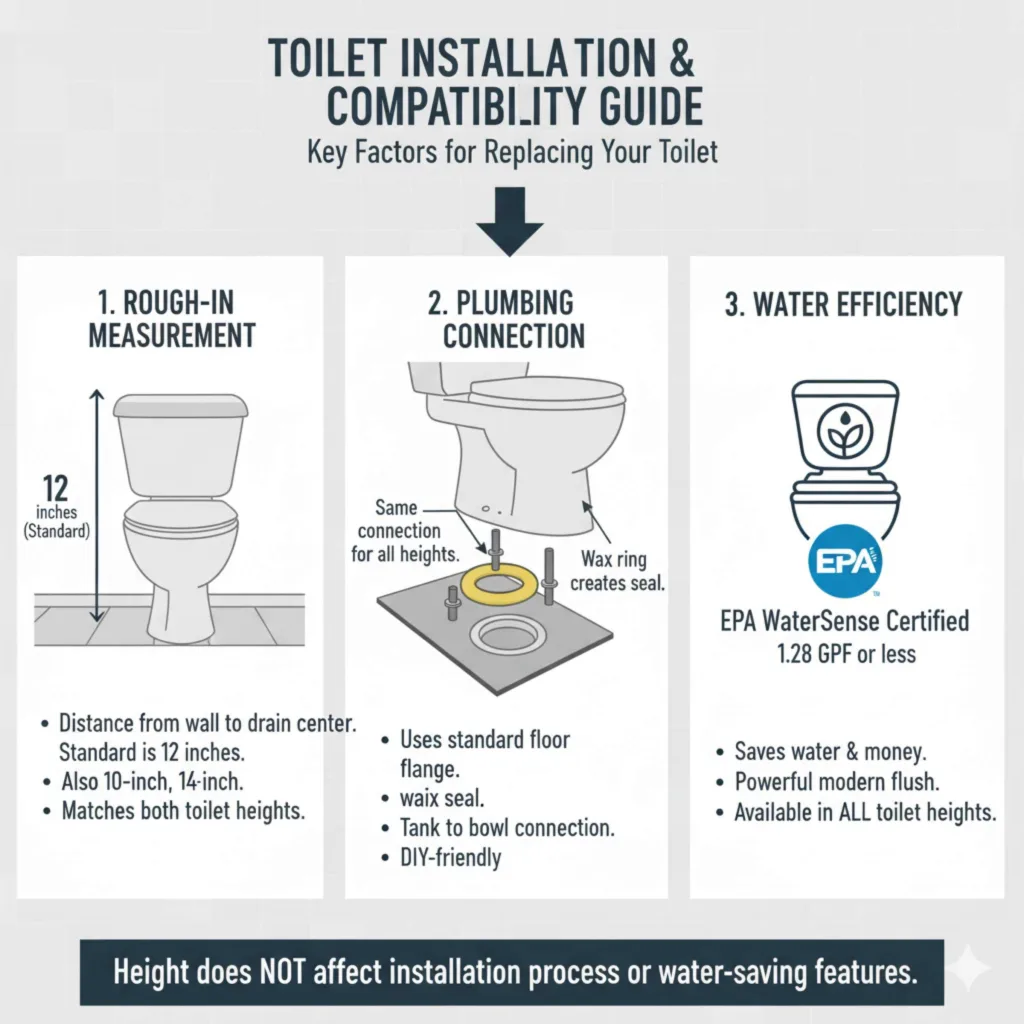
One of the great things about replacing a toilet is that both standard and chair height models use the same fundamental plumbing connection. This means you generally don’t need to hire a plumber for a different type of job. The toilet connects to the floor flange using a wax ring, and the tank connects to the bowl.
You can find detailed installation guides from reputable sources. For instance, the This Old House website offers comprehensive, step-by-step instructions that cover the process for most toilet types, reinforcing that the height difference doesn’t fundamentally alter the installation procedure.
Understanding Rough-In Measurements
The “rough-in” refers to the distance from the finished wall behind the toilet to the center of the drainpipe or the bolts that hold the toilet in place. The standard rough-in is 12 inches, though 10-inch and 14-inch rough-ins also exist. Both standard and chair height toilets are designed to work with these standard rough-in measurements. The toilet’s base is manufactured with its bolt holes and wax ring placement to align with these common rough-ins. When selecting a new toilet, ensure its rough-in specification matches your existing setup to avoid needing to alter your plumbing.
Water Efficiency and Flushing Power
When choosing a toilet, also consider its water efficiency. The EPA’s WaterSense program certifies toilets that use 1.28 gallons per flush (gpf) or less, which is significantly less than older toilets that could use 3.5 gpf or more. Both standard and chair height toilets are available in high-efficiency models. You can find WaterSense-labeled toilets that offer excellent flushing power and water savings, regardless of their height.
The flushing mechanism and bowl design play a bigger role in power than the height. Modern toilets, including taller ones, are engineered for effective waste removal with less water.
Frequently Asked Questions (FAQ)
Q1: What’s the main difference between standard and chair height toilets?
A1: The main difference is their height. Standard toilets are typically 14-15 inches from floor to seat, while chair height (or comfort height) toilets are 17-19 inches, similar to a dining chair.
Q2: Is a chair height toilet the same as an ADA toilet?
A2: Chair height toilets are often referred to as ADA-compliant because their height often falls within the range recommended by ADA guidelines for accessible facilities (17-19 inches). However, a toilet must meet several other criteria to be fully ADA-compliant, not just height.
Q3: Will a chair height toilet be too tall for my kids?
A3: Yes, very young children might find a chair height toilet a bit too tall. You can easily solve this with a small, portable step stool for them to use when using the toilet.
Q4: Do chair height toilets require different plumbing than standard toilets?
A4: No, they use the same standard plumbing connections, including the floor flange and wax ring. Installation is generally the same for both types.
Q5: Are chair height toilets more expensive?
A5: While some premium chair height models might be slightly more expensive, many comparable models are priced very similarly to standard height toilets. The cost difference is often minimal.
Q6: Who benefits most from a chair height toilet?
A6: Seniors, individuals with mobility issues, taller people, and anyone who experiences discomfort or difficulty when using a standard height toilet will find chair height toilets much more comfortable and accessible.
Q7: Can I convert a standard toilet to a chair height?
A7: You cannot physically convert a standard toilet bowl to be taller. However, you can often purchase aftermarket “risers” or “boosters” that sit between the bowl and the seat to add a few inches, or replace the entire toilet with a chair height model. Replacing the toilet is the most stable and recommended solution.
Conclusion
Choosing the right toilet height is a surprisingly impactful decision for the comfort and accessibility of your bathroom. While standard height toilets have been the norm for decades, chair height (or comfort height) toilets offer a significant advantage for many people, especially seniors, those with mobility challenges, and taller individuals. Understanding the few inches that separate them reveals why the latter can make a world of difference in ease of use.
By considering who uses your bathroom and their individual needs, you can confidently select the toilet that best serves your household. Remember, both types install using standard plumbing, and many chair height models are readily available and competitively priced. Making the switch to a chair height toilet is a practical step toward a more comfortable, safer, and accessible bathroom for everyone.