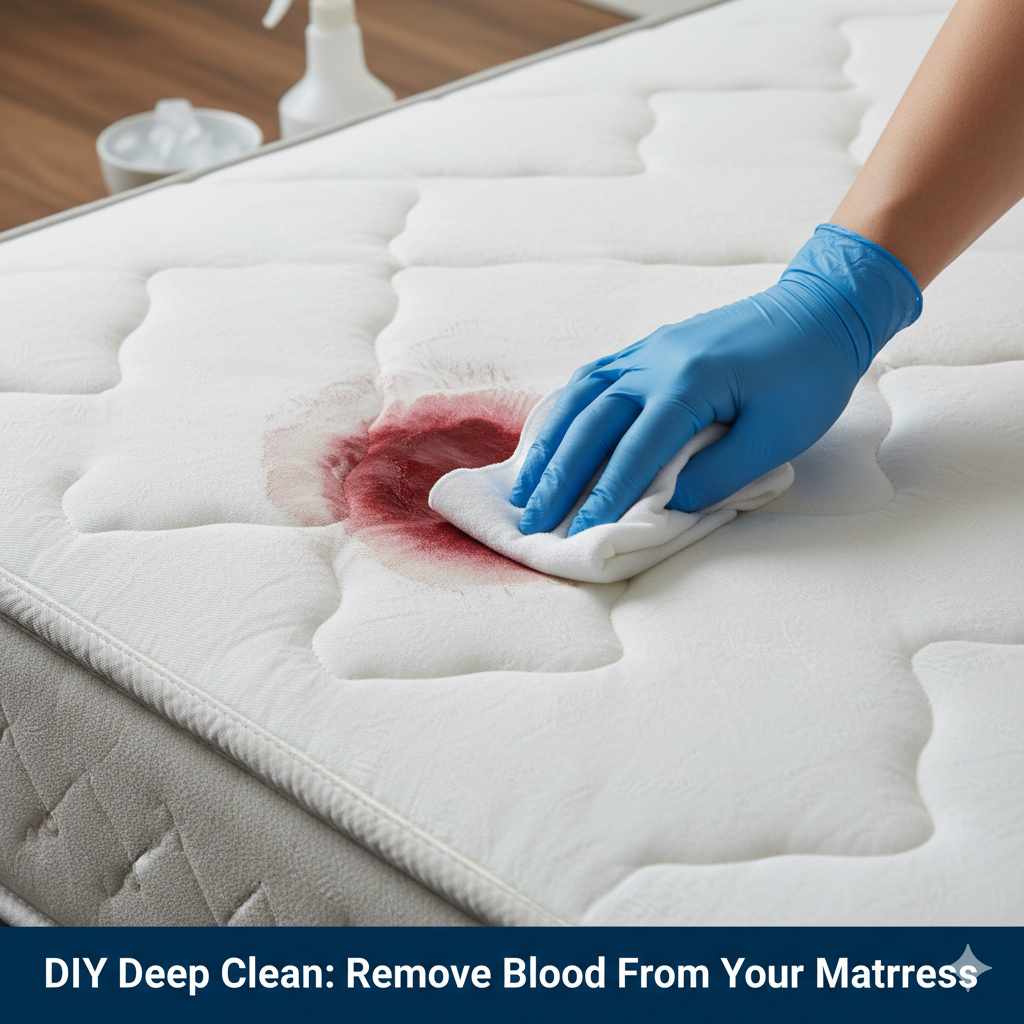
To remove a blood stain from a mattress, work fast using cold water and a mild cleaning solution like hydrogen peroxide or an enzyme cleaner. Always blot—never rub—to lift the stain before it sets permanently into the fabric.
Has a small accident left a stubborn blood spot on your mattress? Don’t panic! Dealing with stains on bedding can feel overwhelming, especially when it involves something tricky like blood. We’ve all been there, from minor scrapes to unexpected nosebleeds disrupting a good night’s sleep. The good news is that getting the refresh you need is simpler than you think. I’m Dustin Hall, and just like tuning up an engine, cleaning requires the right tools and clear steps. We will walk through exactly how to tackle that stain safely and make your mattress feel brand new again. Let’s get cleaning!
Why Blood Stains Are Tricky (and What We Need to Avoid)
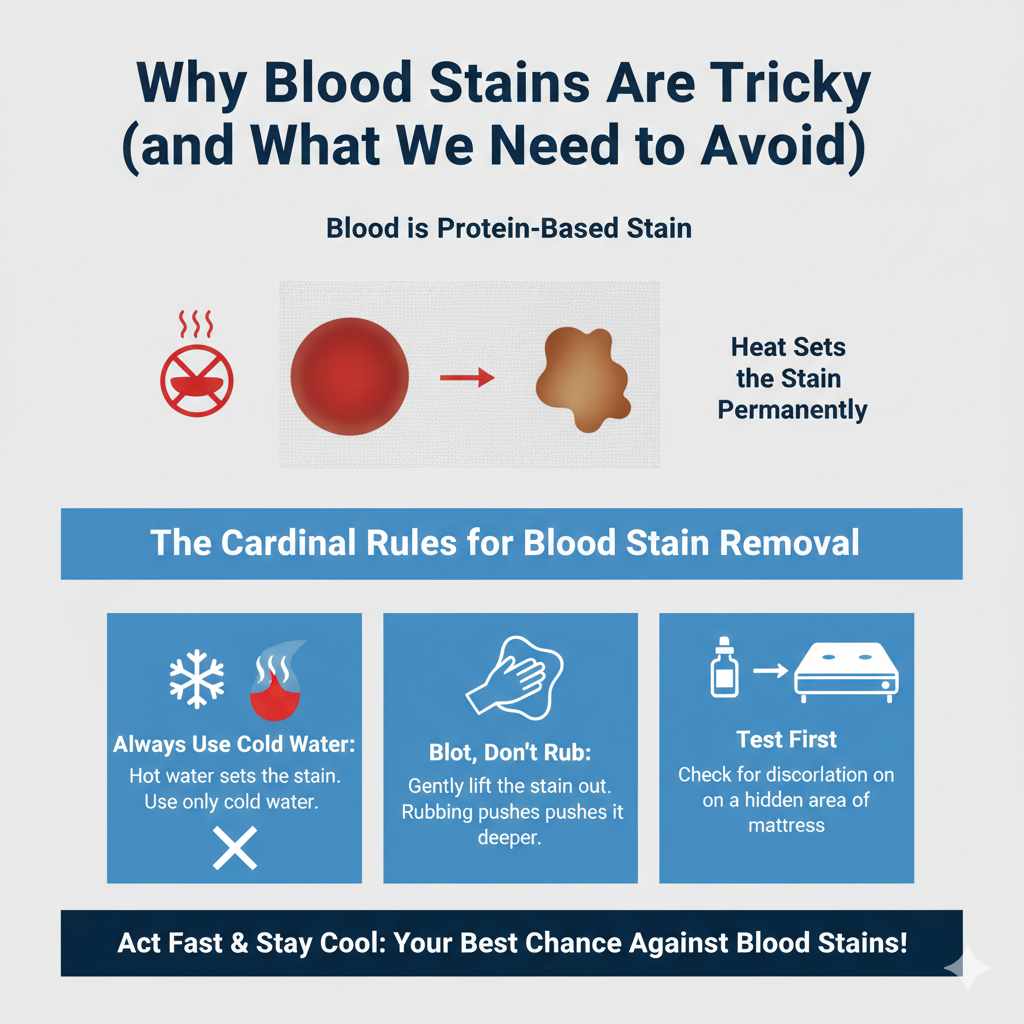
Blood is a protein-based stain. When protein hits heat, it “cooks” or coagulates, binding tightly to the fibers of your mattress ticking. This makes it incredibly hard, sometimes impossible, to remove later on. Think of it like cooking an egg—once it’s set, it’s set!
This is why the golden rule for blood removal is immediate action and temperature control.
The Cardinal Rules for Blood Stain Removal
Before you grab any cleaner, remember these key points. Following these prevents you from making the stain worse:
- Always Use Cold Water: Hot water sets the stain permanently. Always start and continue using only cold or cool water throughout the process.
- Blot, Don’t Rub: Rubbing pushes the blood deeper into the mattress padding. Gentle blotting lifts the stain out.
- Test First: Always test your cleaning solution on a small, inconspicuous area of the mattress (like the side or bottom edge) to ensure it doesn’t cause discoloration.
Gathering Your Cleaning Arsenal: Tools You’ll Need
You likely have most of these items already sitting in your laundry room or bathroom cabinet. Good car maintenance starts with the right tools, and so does deep cleaning!
Essential Cleaning Supplies Checklist
Having these items ready makes the process smooth and quick:
- Clean white cloths or paper towels (avoid colored cloths that might transfer dye).
- A spray bottle (optional, but helpful for controlled application).
- Small bowl for mixing solutions.
- A reliable source of cold water.
- Your chosen cleaning agent (see options below).
- A dry towel for final blotting.
- A fan or good ventilation to aid drying.
Choosing Your Stain-Fighting Agent
The best solution often depends on how old the stain is. Fresh stains are easier, but we have reliable options for dried spots too.
| Cleaning Agent | Best For | Notes & Cautions |
|---|---|---|
| Cold Water Only | Very fresh, wet stains (within minutes). | Safest option; always the first step. |
| Hydrogen Peroxide (3%) | Dried or stubborn fresh stains. | Excellent for breaking up blood; may slightly lighten darker mattress fabrics. Test first! |
| Enzyme Cleaner | Organic stains (blood, urine). | These specifically break down protein; very effective. Often used for pet stains. (You can often find these at home goods stores). |
| Salt Paste | Fresh stains (alternative to chemical cleaners). | Mix salt with cold water until it makes a thick paste. Good for drawing the stain out. |
Step-by-Step Guide: Removing a Fresh Blood Stain
If you catch the stain right when it happens, follow these urgent steps for the highest chance of complete removal. Remember: Speed is your friend here!
Step 1: Act Immediately and Blot Excess
As soon as you notice the stain, strip the bedding. Take a clean, dry cloth (white is best) and gently blot the area. Press down firmly but softly to absorb as much liquid blood as possible. Use a fresh section of the cloth with every press until no more blood transfers to the cloth.
Step 2: Apply Cold Water
Dampen a new, clean cloth with cold water only. Wring it out so it’s damp, not soaking wet. Gently blot the stained area repeatedly. The goal is to dilute the remaining blood and lift it onto this cloth.
Pro Tip: Work from the outside edge of the stain inward. This prevents the stain from spreading outwards onto clean mattress fabric.
Step 3: Introduce a Mild Cleaning Agent (If Needed)
If the cold water alone isn’t working, it’s time for a safe helper. If you are using an enzyme cleaner, follow the bottle directions, usually involving gentle spraying or dabbing.
If using basic dish soap:
- Mix one teaspoon of mild, clear dish soap into two cups of cold water.
- Dab this solution onto the stain using a clean cloth. Do not saturate the mattress core.
- Let it sit for just a minute or two.
- Blot again with a fresh, cold water-dampened cloth to rinse the soap residue away.
Step 4: The Final Rinse and Dry
Rinsing is crucial. Any soap left behind can attract dirt later. Blot the area thoroughly with a cloth dampened with plain cold water until all cleaning solution is lifted.
Finally, take a dry towel and press hard onto the entire area to wick away as much moisture as possible. Allow the mattress to air dry completely. Speed up this process by pointing a fan directly at the spot, or if possible, letting the mattress sit in sunlight (UV rays also help disinfect).
Tackling Dried or Old Blood Stains
Dried blood is tougher because those proteins have already locked into the fibers. This is where chemicals designed to break down organic matter shine. We can turn to Hydrogen Peroxide for these tougher jobs.
Method 1: The Hydrogen Peroxide Power Clean
Hydrogen peroxide (the standard 3% solution you buy at the pharmacy) is a fantastic, mild bleaching agent that breaks down blood components safely on most white or light-colored fabrics. Remember to test this first!
Step-by-Step Peroxide Application
- Prep the Area: Lightly dampen the dried stain area with cold water first. This helps the hydrogen peroxide work better.
- Apply Peroxide: Pour a small amount of 3% hydrogen peroxide directly onto the stain, or use a spray bottle to cover it lightly. You might see it bubble immediately—that’s the chemical reaction working!
- Wait (Briefly): Let the peroxide sit on the stain for only 5 to 10 minutes. Do not let it dry completely on the surface before rinsing.
- Blot Thoroughly: Use a clean, dry cloth to blot up all the peroxide and the lifted stain residue.
- Rinse and Dry: Blot the area repeatedly with a cloth dipped in plain cold water to neutralize the peroxide, followed by a final dry blot. Ensure the mattress is thoroughly dry before replacing linens.
Method 2: The Mighty Enzyme Cleaner
Enzyme cleaners are your secret weapon against tough organic stains. They use specialized bacteria or enzymes to “eat away” the proteins in the blood, making removal easier. You can often find these cleaners marketed for pet messes, as they target the same biological culprits. Check resources like the Environmental Protection Agency (EPA) guidelines on using cleaning agents safely around the home environment.
Use an enzyme cleaner according to its specific directions. Generally, you will apply it, let it sit for the specified dwell time (which might be longer than peroxide), and then blot it clean. Because these cleaners are designed to break things down, make sure you rinse completely to remove all residue.
Special Considerations for Mattress Fabric Types
While the cleaning methods are generally the same, the fabric covering your mattress—the ticking—can affect how much liquid it absorbs and handles cleaning agents. Modern mattresses often use synthetic blends that resist deep soaking better than old-fashioned cotton casings.
Handling Memory Foam and Newer Materials
Memory foam mattresses are notorious for absorbing moisture deep inside the core. If you have a memory foam mattress, you must be extremely cautious not to saturate it. Too much liquid can lead to mold or mildew growth inside the foam layer, which is a much bigger problem than a single stain.
When cleaning memory foam, use the technique that involves the least amount of liquid possible. Spray the cleaning solution lightly onto a towel rather than directly onto the stain, then gently press the damp towel onto the surface. Always use a fan to dry memory foam surfaces very quickly.
Cleaning Stains on White vs. Colored Mattresses
If your mattress ticking is white or very light, hydrogen peroxide is usually safe and effective. If your mattress has colored piping or a colored pattern, you must be vigilant about spot-testing peroxide, as it can strip color.
For colored mattresses, start with the mildest option—cold water and salt paste—and only move up to enzyme cleaners or very careful peroxide application if the milder methods completely fail. See the comparison below for material handling guidance.
| Mattress Type | Moisture Risk | Best Approach |
|---|---|---|
| Traditional Innerspring | Medium (Padding can hold moisture) | Use slightly more moisture but ensure good airflow after cleaning. |
| Memory Foam/Latex | High (Risk of mold/deterioration inside) | Use minimal liquid; spray onto the cloth, not the mattress. Dry immediately with a fan. |
| Natural Fiber (Wool/Cotton) | Low to Medium | Generally robust, but sensitive to harsh chemicals that might damage natural dyes. |
The Importance of Thorough Drying
I cannot stress this enough, especially when dealing with thick items like mattresses. A damp mattress is an invitation for mildew. Mildew will ruin your mattress, and removing that odor and growth is far harder than removing a blood stain!
Tips for Rapid Mattress Drying:
- Use powerful dehumidifiers in the room if the air is humid.
- Open windows to allow fresh air circulation.
- Position box fans or oscillating fans pointed directly at the cleaned area for several hours.
- If possible, stand the mattress on its side for an hour or two (with the stain facing outward) to allow air to move around all surfaces before replacing it on the frame.
When To Call in the Professionals
Is there a time when DIY isn’t the smart choice? Yes. If you have used strong cleaners without success, or if the stain covers a very large area, continuing to push moisture and chemicals into the core might not be worth the risk.
If you are dealing with very old, set-in stains that cover a significant portion of the surface, professional upholstery or mattress cleaners have commercial-grade equipment designed to extract moisture quickly after treatment. It might cost a bit more upfront, but it saves you the headache of potential mold issues down the road. Think of it like needing a specialist mechanic for transmission work—sometimes, you need the expert tools.

Frequently Asked Questions (FAQ) About Mattress Stains
Q1: Can I use laundry detergent on my mattress to remove blood?
A: Yes, mild laundry detergent (clear liquid is best) mixed with cold water works similarly to dish soap. Use it sparingly and blot thoroughly to ensure no residue remains, as detergent molecules can attract dust.
Q2: Is vinegar safe to use on a mattress to remove blood?
A: White vinegar mixed 1:1 with cold water is a good, safe alternative, especially for neutralizing odors or treating the final rinse. However, highly acidic vinegar might degrade certain fabric protectors, so always test it on a hidden spot first before broad application.
Q3: How long does it take for a blood stain on a mattress to become permanent?
A: Blood can set in as quickly as 15 to 30 minutes, especially if exposed to any warm air or sunlight that begins to dry it out. The faster you treat it while it’s still wet, the better your chances are.
Q4: What if I accidentally used hot water? Is the stain ruined?
A: If you used hot water, the stain is likely set. Do not rub it more. Try methods like hydrogen peroxide or enzyme cleaners immediately to see if they can lift the coagulated protein, but understand that older, heat-set stains are extremely difficult to remove completely.
Q5: Do I need to completely remove the mattress protector before cleaning?
A: Absolutely, yes. If the blood got through the protector, the protector should be washed immediately according to its label instructions (usually with cold water and an enzyme pre-soak). The mattress needs direct access to the cleaning agent.
Q6: Will hydrogen peroxide bleach my colored mattress cover?
A: It carries a high risk of discoloration. Always perform a patch test in an inconspicuous area (like under the dust ruffle or on a corner seam) before using peroxide on any colored fabric to ensure it doesn’t strip the dye.
Conclusion: Rest Easy with a Clean Surface
Seeing a tough stain like blood on your mattress can certainly cause a spike of stress, but mastering simple cleaning techniques gives you immense confidence as a homeowner and caretaker of your space. By remembering the core principles—act fast, use only cold water initially, and blot, don’t rub—you significantly increase your success rate.
Whether you rely on the surprising power of hydrogen peroxide for dried spots or the gentle lifting action of cold water on a fresh spill, you now have a proven, step-by-step plan. Keep those cleaning agents handy, treat the spot quickly, allow for complete drying, and soon enough, that mattress will be ready for a fresh, clean night’s rest. You handled that maintenance task like a pro!