
Don’t let a stubborn tie-down get the best of you! This guide shows you simple, effective ways to loosen any tie-down, from ratchet straps to rope, so you can easily secure and release your cargo. Get back to your journey with confidence and ease.
Ever found yourself wrestling with a tie-down strap that just won’t budge? You’re not alone! It’s a common frustration when transporting anything, whether it’s furniture on a truck, a kayak on a car, or even just securing items in your garage. A tie-down that’s too tight can be a real headache to loosen, and sometimes, it feels like it’s fused in place.
But don’t worry! Loosening a tie-down doesn’t have to be difficult or time-consuming. With a few simple techniques and a little know-how, you can conquer even the most stubborn straps or ropes. This guide will walk you through everything you need to know to make loosening tie-downs effortless, saving you time and preventing unnecessary stress.
We’ll cover the most common types of tie-downs and provide clear, step-by-step instructions for each. You’ll be a tie-down pro in no time, ready to handle any situation with ease and a smile!
Understanding Different Types of Tie-Downs
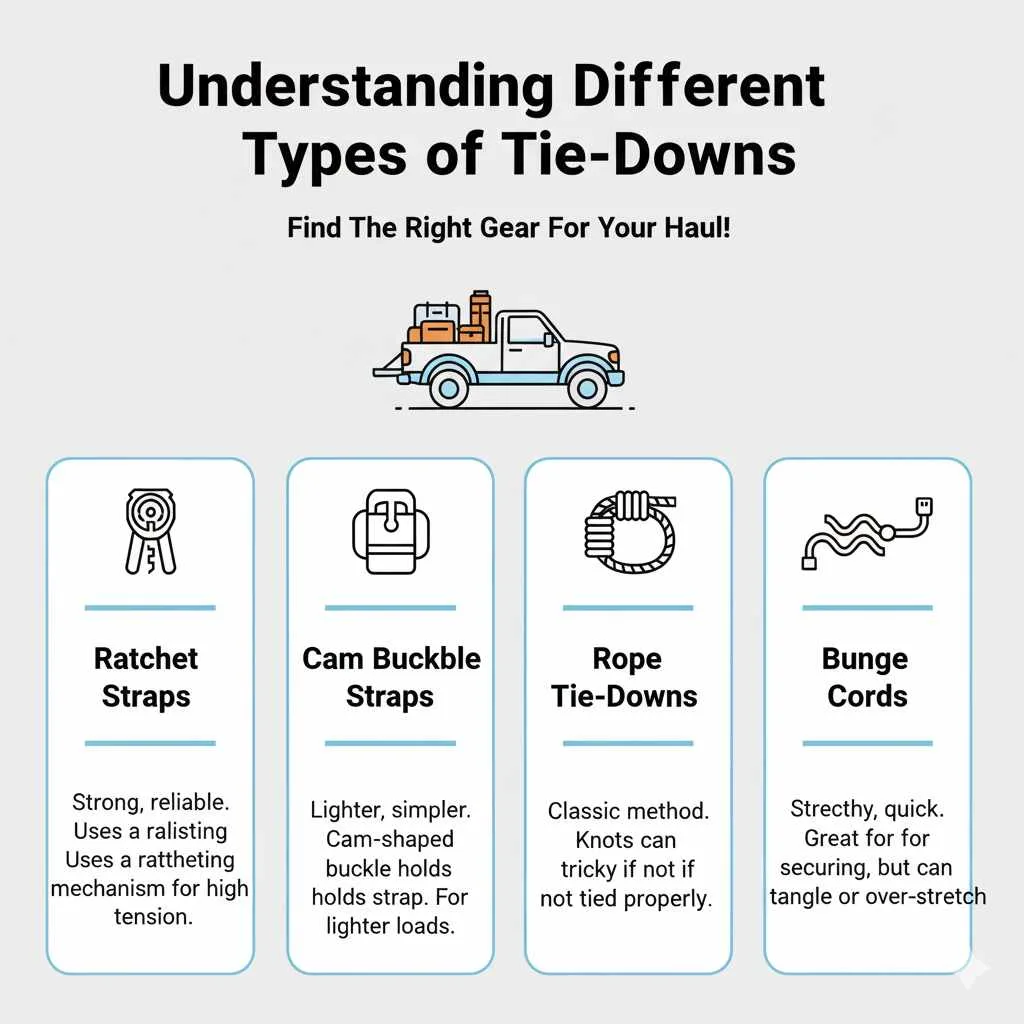
Before we dive into loosening techniques, it’s helpful to know what kind of tie-down you’re dealing with. The method for loosening often depends on the mechanism used to secure the load. Here are a few common types you’ll encounter:
- Ratchet Straps: These are incredibly popular for their strength and reliability. They use a ratcheting mechanism to tighten the strap around your cargo.
- Cam Buckle Straps: Lighter and simpler than ratchet straps, these use a cam-shaped buckle to hold the strap in place. They’re often used for lighter loads where extreme tension isn’t needed.
- Rope Tie-Downs: The classic method! While simple, knots can become incredibly tight and difficult to undo if not tied with loosening in mind.
- Bungee Cords: These stretchy cords are great for quick securing but can also be tricky if stretched to their limit or tangled.
Effortless Ways to Loosen Ratchet Straps
Ratchet straps are fantastic for securely holding loads, but releasing them when they’re tight can sometimes be a puzzle. The key lies in understanding how the ratchet mechanism works. Most ratchet straps have a lever or button that needs to be pressed to allow the mechanism to release. When it’s stuck, it usually means the tension is preventing the release lever from moving freely.
The Standard Ratchet Strap Release
This is the most common method and usually works if the strap isn’t excessively tensioned or jammed.
- Locate the Release Lever: Look at the ratchet mechanism where the strap feeds through. You’ll see a handle or lever.
- Apply Slight Upward Pressure to the Straps: While holding the release lever down, try to gently pull the loose end of the strap upwards, away from the spool. This slight tension release can be enough to allow the gears to disengage.
- Press and Hold the Release Lever: Firmly press the release lever.
- Turn the Handle Backwards: While holding the release lever down, slowly turn the ratchet handle in the opposite direction of how you tightened it. You should feel and hear the gears releasing.
- Feed the Strap Out: As the handle turns backward, the strap will begin to feed out. Continue holding the lever and turning until the strap is loose enough to remove.
When the Ratchet Lever is Stuck
Sometimes, even with pressure, the release lever won’t budge. This often happens when the strap is under immense tension or the mechanism has gotten a bit gritty. Here’s how to handle a stubborn ratchet:
- Use a Tool for Leverage: If your fingers aren’t strong enough, a flathead screwdriver or a similar tool can help. Gently wedge the tip of the screwdriver under the release lever to help lift it. Be careful not to force it too hard, as you could damage the lever.
- Apply Wiggle Power: While holding the lever down with one hand (or your tool), try gently wiggling the ratchet handle back and forth. This slight movement can sometimes free up the jammed gears.
- Check for Obstructions: Ensure no debris is stuck in the ratchet mechanism. A quick brush or a blast of compressed air can sometimes clear minor obstructions.
- Consider Lubrication (as a last resort): If the mechanism is genuinely stiff and seems to be binding due to dryness or minor corrosion, a quick spray of a quality lubricant like WD-40 can help. Spray sparingly directly onto the moving parts of the ratchet. Wipe away any excess. Always ensure the strap is completely dry and clean after using lubricant before re-tightening to avoid slips.
Remember, safety first! When working with any strap under tension, always ensure your hands and fingers are clear of pinch points as the strap releases.
How to Loosen Cam Buckle Straps
Cam buckle straps are known for their simplicity. To tighten, you thread the strap through the buckle and pull. To release, you typically just need to press a button or lever on the buckle while pulling the strap.
- Locate the Release Button/Lever: On the cam buckle, there will be a section that you can press.
- Press and Hold the Release: Push the button or lever firmly.
- Pull the Strap: While holding the release mechanism down, pull the loose end of the strap. It should slide easily through the buckle.
- Work it Loose: If the strap feels stuck, try gently wiggling the strap back and forth while the release is engaged. Sometimes, the strap might have gotten twisted or lodged against an edge within the buckle.
Cam buckles are less prone to getting “jammed” in the same way as ratchet straps, but if a strap is pulled extremely tight, it can make the release mechanism stiff. Applying a little steady pressure is usually all it takes.
Untangling Stubborn Rope Knots
Rope tie-downs are classic, but oh, the knots they can create! A knot that’s been under strain can shrink and tighten, making it a real challenge to undo. The key is patience and technique.
General Tips for Loosening Tight Knots
- Identify the Knot: Knowing the type of knot can help you understand its structure and how to untie it.
- Work the Center: For many simple knots, the first step is to try and push, twist, or wiggle the “bight” (the loop or curve) of the knot inwards. This can loosen the structure.
- Use a “Fid” or Pointed Tool: A marlinspike, a fid (often used in sailing and canvas work), or even a sturdy awl or thin screwdriver can be invaluable. Insert the tip into the heart of the knot and gently pry apart the strands. Work your way around the knot, loosening each turn. Boating experts often recommend having a fid for this purpose.
- Twist and Turn: Gently twist the rope strands in the direction they naturally want to coil. This can help them slip past each other.
- Wiggle and Jiggle: Sometimes, a bit of gentle back-and-forth wiggling of the rope ends while trying to work the knot loose can make a difference.
- Soaking (for natural fibers): If the rope is made of natural fibers (like cotton or manila) and has become very dry and stiff, soaking it in water can help it swell and loosen up. Synthetic ropes may not benefit as much.
Specific Knot Loosening Techniques
For Example: The Bowline Knot
If you have a bowline that’s jammed tight:
- Find the “rabbit hole” – the loop the working end passes through.
- Push the standing end of the rope into the knot. This will cause the loop that the working end forms to loosen.
- While pushing the standing end, try to pull the working end out of the now-larger loop.
For Example: A Square Knot (Reef Knot) that’s Stuck
This knot is notoriously tricky when tight. The trick is to identify which end is “loose” and which is “part of the loop.”
- Look closely at the knot. You’ll see two loops. Each loop has one end coming out of it.
- Take the end that forms a single loop (not the end that is part of the crossing section). Gently push or wiggle this end.
- Simultaneously, try to pull on the other end that comes out of the knot. This can help release the crossing strands.
It’s always best to tie knots with the intention of being able to untie them. For tie-downs, consider using knots that are easier to release, like a taut-line hitch (if applicable to your situation) or practicing your square knot so you can tie it correctly and untie it more easily.
Dealing with Bungee Cords
Bungee cords are convenient but can be tricky if they’re really stretched out or tangled. The elasticity means they can snap back quickly, so handle with care.
- Unhook Carefully: If the bungee is stretched over a hook, gently ease the hook off its anchor point. Use your free hand to control the cord so it doesn’t snap back unexpectedly.
- Untangle Gently: If cords are tangled, don’t just yank them. Try to gently work them apart. Sometimes, a little jiggling or rotating can help.
- Safety First: Never use frayed or damaged bungee cords. They can break under tension, posing a safety hazard. Check out resources on proper bungee cord use from organizations like the Occupational Safety and Health Administration (OSHA) for best practices.
Tools That Can Help Loosen Tie-Downs
While many tie-downs can be loosened with your hands, having a few basic tools can make a world of difference, especially with difficult situations.
| Tool | When to Use It | Important Note |
|---|---|---|
| Flathead Screwdriver | Stubborn ratchet strap release levers, prying apart tight rope knots. | Use gently to avoid damaging the mechanism or rope fibers. |
| Pliers (needle-nose or standard) | Gripping slippery rope ends, providing extra leverage on release levers. | Can damage rope if used improperly; use caution. |
| Marlinspike or Fid | Loosening very tight or jammed rope knots. | Specifically designed for this; ideal for rope. |
| Hammer (rubber mallet or gentle tapping) | Gently tapping a stiff ratchet mechanism or a knot. | Use extreme caution to avoid damage or injury. Light taps only. |
| Lubricant (e.g., WD-40) | Stiff or corroded ratchet mechanisms (as a last resort). | Apply sparingly and wipe excess. Ensure strap is clean and dry before use. |
These tools are common around most homes and garages, making them accessible for most DIYers.
Preventative Measures: Making Loosening Easier Next Time
The best way to deal with a tie-down that’s hard to loosen is to prevent it from getting that way in the first place! Here are some tips to make future loosening efforts much easier:
- Don’t Overtighten: Use only the tension needed to secure your load. Excessively tight straps strain the mechanism and can make them harder to release.
- Keep Mechanisms Clean: Regularly clean dirt, sand, and debris from ratchet mechanisms and cam buckles.
- Inspect and Maintain: Check your tie-downs for wear and tear. Replace any damaged straps, buckles, or ropes.
- Lubricate Sparingly (if needed): For ratchet straps that are used frequently or in harsh conditions, a tiny bit of lubrication on the moving parts of the mechanism can prevent stiffness. Always use a dry lubricant or ensure it doesn’t attract dirt.
- Proper Knot Tying: When using ropes, practice tying knots that are easy to release. Avoid complex knots unless absolutely necessary, and always snug them down gently.
- Store Properly: Store tie-downs clean and untangled. Coiling ropes neatly and storing straps without kinks or folds can prevent damage and ease of use.

Frequently Asked Questions (FAQ) About Loosening Tie-Downs
Q1: My ratchet strap won’t loosen at all. What should I do?
A: First, try applying some upward pressure on the strap while holding down the release lever. If that doesn’t work, a gentle wiggle of the handle while the lever is depressed might free it. If it’s still stuck, a flathead screwdriver can carefully be used to help lift the release lever.
Q2: Can I use pliers to loosen a rope knot?
A: Yes, you can use pliers for grip on slippery rope ends or to help twist strands. However, be careful not to damage the rope fibers, as this can weaken it. A marlinspike or fid is often a better tool for loosening tight knots themselves.
Q3: How do I loosen a bungee cord that’s really stretched?
A: Gently unhook one end. Use your free hand to manage the tension and prevent it from snapping back. If it’s tangled with other items, carefully work through the tangle rather than pulling hard.
Q4: Is it safe to spray lubricant on my ratchet straps?
A: You can use a little lubricant on the mechanism of a ratchet strap if it’s stiff, but avoid getting it on the strap itself. If lubricant gets on the strap, it can reduce friction and cause slippage, making the strap less secure. Always wipe off any excess and ensure the strap is clean and dry before use.
Q5: What’s the best knot for tie-downs if I need to take it apart easily?
A: For many basic tie-down needs, the square knot (reef knot) is common, but it can jam. Learning a taut-line hitch can be useful if you need a knot that can be adjusted. For simplicity and ease of release, practicing a standard overhand loop and a square knot tied neatly will serve you well. Always ensure your knot is secure but not overly cinched down.
Q6: My tie-down straps are dirty. Will this make them harder to loosen?
A: Yes, dirt, sand, and grit can get into the mechanisms of ratchet and cam buckle straps, causing them to stick or become stiff, making them harder to loosen. Keeping your tie-downs clean will significantly help with ease of use and longevity.
Conclusion
Loosening a tie-down might seem like a minor challenge, but knowing the right techniques can save you a significant amount of frustration. Whether you’re dealing with a stubborn ratchet strap, a jammed rope knot, or a stretched-out bungee cord, the methods outlined above should have you covered.
Remember to always approach the task with a little patience. Most issues can be resolved with a gentle application of pressure, a bit of wiggling, or the help of a simple tool. By understanding the mechanics of your tie-downs and employing these simple tricks, you can confidently secure and release your cargo with ease.
So, the next time you face a tie-down that seems determined to stay put, don’t despair! You’ve got the knowledge now to tackle it head-on. Happy travels and enjoy the peace of mind that comes with a well-secured load and the ability to easily remove it.