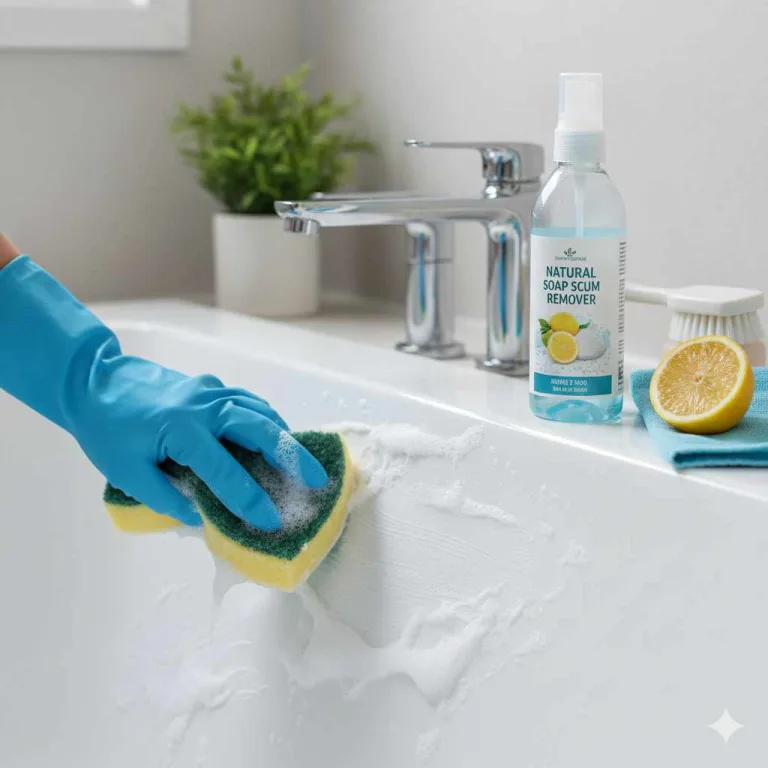
How to Get Scum Off Bathtub: Proven Effortless Clean
Get ready for a sparkling clean! Removing bathtub scum is easier than you think with simple, effective methods. This guide offers proven, effortless cleaning solutions to restore your tub’s shine without harsh scrubbing.
For a related kitchen decision, How To Clean The Inside Of A Tea Kettle adds another practical detail to check.
For another cleaning or care problem, How To Deep Clean A Sofa Like A Pro gives readers a useful next step.
For a related lighting or fan project, How To Clean Brushed Nickel Bathroom Fixtures gives readers another setup detail to compare.
Tired of looking at that tell-tale ring of grime around your bathtub? Bathtub scum is a common, frustrating sight for many of us. It can make even the loveliest bathroom feel a little less inviting. But don’t worry! You don’t need elbow grease or complicated chemicals to tackle it. With a few simple ingredients and easy-to-follow steps, you can banish bathtub scum and enjoy a beautifully clean tub. We’ll walk you through everything, making it a breeze to restore your tub’s gleam.
Your Effortless Guide to a Scum-Free Bathtub
As your go-to home decorator and DIY enthusiast, I’m here to tell you that a pristine bathtub is well within your reach. The key is using the right methods and not being intimidated by the mess. Think of cleaning your bathtub not as a chore, but as a refreshing act of self-care for your home. A clean bathroom contributes so much to the overall feeling of peace and tranquility in your living space.
Let’s dive into how we can achieve that sparkling clean finish, effortlessly!
Understanding Bathtub Scum: What It Is and Why It Happens
Before we start scrubbing (or rather, not scrubbing!), it’s helpful to know what bathtub scum actually is. It’s not just dirt; it’s a combination of several things that can build up over time.
Soap Scum: This is the main culprit. It’s formed when the fatty acids in bar soaps react with the minerals in hard water. This creates a waxy, sticky residue that clings to surfaces. Liquid body washes and shampoos can also contribute, though often less aggressively than bar soap.
Hard Water Minerals: If you have hard water, dissolved minerals like calcium and magnesium can leave behind dull, chalky deposits. These minerals can mix with soap residue, making the scum tougher to remove.
Body Oils and Dead Skin Cells: Naturally, as we bathe, our bodies shed oils and skin cells. These also contribute to the grimy film that coats the tub.
Product Residue: Shampoos, conditioners, and bath oils can leave behind their own residues that mix with everything else.
The good news is that most of these culprits are susceptible to common household cleaners and a bit of strategic application. We’re aiming for a clean that’s effective but gentle on your tub’s surface and your health.

Gather Your Cleaning Arsenal: Simple Tools for a Sparkling Tub
You won’t need a professional cleaning kit for this! Most of what you need is probably already in your pantry or under your sink.
| Item | Purpose |
|---|---|
| Baking Soda | A gentle abrasive and deodorizer. |
| White Vinegar | A mild acid that breaks down soap scum and mineral deposits. |
| Liquid Dish Soap | Cuts through grease and grime, helping to lift soap scum. |
| Spray Bottle | For applying vinegar or cleaning solutions evenly. |
| Soft Cloths or Sponges | For wiping and gentle scrubbing. Avoid abrasive scrubbers that can scratch surfaces. |
| Rubber Gloves | To protect your hands. |
| Old Toothbrush | For getting into grout lines and tight corners. |
Method 1: The Power Duo – Baking Soda and Vinegar (The Go-To for Tough Scum)
This is my absolute favorite method because it uses two of the most effective, natural cleaning powerhouses. It’s gentle yet potent, making it perfect for most bathtub materials.
Here’s how to do it:
- Rinse the tub: Start by giving your bathtub a quick rinse with warm water. This will wet the surface and help loosen some of the immediate grime.
- Sprinkle baking soda: Generously sprinkle baking soda all over the damp bathtub surfaces, paying extra attention to areas with visible scum. You want a good, even coating.
- Let it sit for a moment: Allow the baking soda to cling to the damp surface for about 5-10 minutes.
- Prepare the vinegar spray: While the baking soda is resting, fill a spray bottle with undiluted white vinegar.
- Spray the vinegar: Spray the white vinegar directly over the baking soda. You’ll notice a fizzy reaction – this is the magic happening! The vinegar reacts with the baking soda to create a paste that effectively breaks down soap scum and mineral deposits.
- Let the ‘magic’ happen: Allow the fizzy mixture to work its wonders for at least 15-30 minutes. For really stubborn scum, you can let it sit for up to an hour.
- Gentle scrubbing: Using a damp, soft cloth or sponge, gently scrub the bathtub surfaces. The baking soda acts as a mild abrasive, and the vinegar will have softened the scum, meaning you won’t need to press hard.
- Target tough spots: For grout lines or stubborn areas, use an old toothbrush dipped in the vinegar-baking soda paste to gently scrub away the grime.
- Rinse thoroughly: Rinse the entire bathtub with clean, warm water. Make sure all the baking soda and scum residue is washed away.
- Dry and admire: Wipe the tub dry with a clean cloth. You should instantly notice a brighter, cleaner surface!
This method is excellent for acrylic, fiberglass, porcelain, and enamel tubs. Always test in an inconspicuous area if you’re ever unsure about your tub’s material.
Method 2: Dish Soap and Baking Soda Paste (For Greasy Grime)
If your bathtub scum seems more on the greasy side, or if you prefer not to use vinegar, this method is a fantastic alternative. Liquid dish soap is designed to cut through grease, and baking soda provides that gentle scrubbing power.
Here’s how to do it:
- Make the paste: In a small bowl, mix about ½ cup of baking soda with enough liquid dish soap (just a few tablespoons to start) to form a thick paste. Add more dish soap or baking soda as needed to achieve your desired consistency – it should be spreadable but not runny.
- Apply the paste: Using your hands (with gloves on!) or a sponge, apply the paste generously to the entire bathtub surface, especially focusing on areas with scum.
- Let it dwell: Allow the paste to sit and work on the scum for at least 15-30 minutes. For tougher spots, you can let it sit longer.
- Gentle scrubbing: Use a damp, soft cloth or sponge to gently scrub all the treated areas. The baking soda will help lift and scrub away the grime.
- Rinse thoroughly: Rinse the tub completely with warm water, ensuring no paste residue remains.
- Dry and enjoy: Dry your bathtub with a clean cloth to reveal its renewed shine.
This is a great everyday cleaning option that keeps things fresh and tidy.
Method 3: The Vinegar Soak (For Stubborn Mineral Deposits)
Sometimes, especially in areas with very hard water, mineral deposits can build up and make the scum extra tough. In these cases, giving the tub a good vinegar soak can be incredibly effective.
Here’s how to do it:
- Protect your drain: Ensure your drain is plugged securely to hold the liquid in the tub.
- Heat the vinegar: Gently warm about 2-4 cups of white vinegar in a microwave-safe container or on the stovetop. Do not boil, just warm it. Warm vinegar is more potent.
- Fill the tub: Pour the warmed vinegar into the bathtub.
- Let it soak: Allow the vinegar to soak in the tub for at least 30 minutes to an hour. The acidity of the vinegar will help dissolve the mineral buildup and break down the soap scum.
- Drain and scrub: Drain the vinegar. You might notice that much of the scum has loosened on its own.
- Gentle cleaning: Use a soft cloth or sponge to wipe away any remaining residue. For any spots that are still stuck, you can make a baking soda paste (as in Method 2) to gently scrub them away.
- Rinse and dry: Rinse the tub thoroughly with water and dry it with a clean cloth.
This method is particularly effective for tubs that have accumulated a significant amount of hard water stains mixed with soap scum.
Maintaining Your Sparkling Bathtub: Prevention is Key!
Once you’ve achieved that beautiful, scum-free shine, you’ll want to keep it that way! Regular maintenance is much easier than deep cleaning. Try these simple habits:
- Squeegee after every use: A quick swipe with a squeegee or a microfiber cloth after you shower can prevent water from drying and leaving mineral spots, and it helps whisk away moisture that scum loves.
- Rinse down the walls: Give your tub walls a quick rinse with warm water after your bath or shower. This washes away loose soap and body oils before they have a chance to stick.
- Dry the tub: A quick wipe-down with a towel after rinsing also makes a big difference in preventing water spots and soap scum buildup.
- Switch to liquid body wash: If you primarily use bar soap, consider switching to liquid body wash. Liquid soaps tend to create less problematic scum than bar soaps.
- Use a daily shower spray: There are many excellent daily shower sprays available that help prevent soap scum and hard water stains from forming. You can also make your own by mixing equal parts water and white vinegar in a spray bottle, with a few drops of dish soap. Spray lightly after showering and let it air dry.
- Ventilate your bathroom: Proper ventilation helps reduce moisture, which is a key factor in allowing soap scum to build up. Always use your bathroom fan during and after showers.
By incorporating these simple steps into your routine, you can significantly reduce the frequency of deep cleaning needed to get rid of bathtub scum.
Considering Different Bathtub Materials
While the methods above are generally safe for most bathtubs, it’s always a good idea to be aware of your tub’s material.
Porcelain and Enamel: These are very durable but can be scratched by abrasive cleaners or tools. Stick to the gentler methods: baking soda paste, vinegar, and soft cloths.
Fiberglass: This material is prone to scratching. Avoid abrasive powders or scrubbing pads at all costs. The gentle baking soda paste or a dilute vinegar solution applied with a soft cloth will work best.
Acrylic: Similar to fiberglass, acrylic is susceptible to scratches. Always use soft cloths and mild cleaners. The baking soda and vinegar methods are usually safe, but test in an inconspicuous spot first.
Stone and Cultured Marble: These materials often require specific cleaners. Check the manufacturer’s recommendations. Generally, mild soap and water or specialized natural stone cleaners are best. Avoid acidic cleaners like vinegar and harsh abrasives.
If you’re ever unsure about what cleaner is safe for your tub, a quick check of your home’s documentation or a search for your tub model online can often provide specific care instructions. For example, the U.S. Environmental Protection Agency (EPA) offers great resources on environmentally friendly cleaning practices, which often align with gentler methods for your home surfaces.

Frequently Asked Questions About Bathtub Scum
Q1: How quickly can I expect to see results?
A: With the baking soda and vinegar method, you can often see and feel a difference within the first 30 minutes of cleaning, especially for lighter scum. For very stubborn, built-up scum, results might be most noticeable after an hour of soaking and a gentle scrub.
Q2: Can I use bleach to remove bathtub scum?
A: While bleach can sanitize, it’s not the most effective for breaking down soap scum itself, which is a combination of oils and mineral deposits. Additionally, mixing bleach with other cleaners (especially vinegar or ammonia) can create dangerous fumes. For effective scum removal, natural cleaners like vinegar and baking soda are safer and often more effective. If you choose to use bleach for sanitizing purposes, always do so in a well-ventilated area, wear gloves, and never mix it with other cleaning agents.
Q3: My bathtub is old and stained. Can these methods help?
A: Yes, these methods can significantly help with older tubs. The baking soda and vinegar work to break down the buildup that causes staining. For very old, set-in stains that might be deeper than just surface scum, you might need a few repeated applications or consider a slightly longer soak time with the vinegar method.
Q4: Are these methods safe for my septic system?
A: Yes, baking soda and white vinegar are generally safe for septic systems. They are biodegradable and don’t contain harsh chemicals that can harm the beneficial bacteria needed for waste breakdown in a septic tank. Using them in moderation as described in the methods is perfectly fine.
Q5: What if I don’t have white vinegar? Can I use apple cider vinegar?
A: You can use apple cider vinegar as a substitute for white vinegar. Both are acidic and will work to break down soap scum. White vinegar is often preferred because it’s colorless and less likely to leave any faint tint on light-colored surfaces, but apple cider vinegar will do the job effectively.
Q6: How often should I clean my bathtub to prevent scum buildup?
A: For best results and minimal effort, a quick rinse and wipe-down after each use is ideal. A more thorough cleaning using one of the methods described here can be done weekly or bi-weekly, depending on how much your tub is used and the hardness of your water.
Conclusion: Embrace Your Beautifully Clean Bathtub!
See? Getting your bathtub sparkling clean without a fight is totally achievable! You’ve learned how to tackle that stubborn bathtub scum using simple, effective, and budget-friendly methods. Remember, the key is understanding what causes scum and employing the right natural ingredients like baking soda and vinegar.
With these proven techniques, you can transform your bathroom into a more inviting and serene sanctuary. Don’t hesitate to try these methods; they are designed to be easy and give you confidence in keeping your home beautiful and fresh. Enjoy the feeling of stepping into a radiantly clean tub – you’ve earned it! Happy cleaning!
Products related to this article
Sponsored / affiliate links. As an Amazon Associate I earn from qualifying purchases. I may earn additional commission from eligible campaigns.