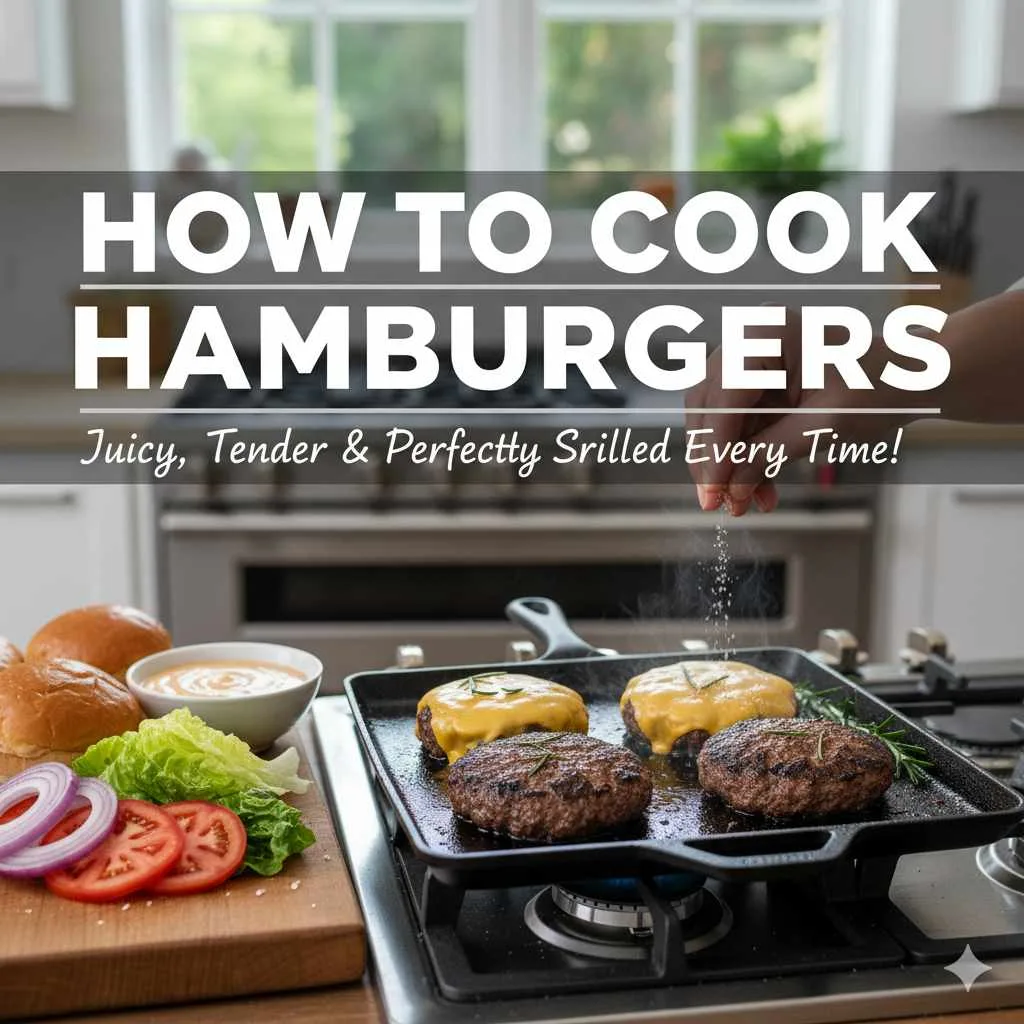
Mastering the skillet is the secret to perfectly juicy, flavorful hamburgers every time. Follow this simple guide for delicious, restaurant-quality burgers cooked right on your stovetop.
Tired of dry, crumbly burgers? You’re not alone! Getting that perfect, juicy burger from your own kitchen can feel like a culinary puzzle. Many home cooks struggle to achieve that golden-brown sear and tender interior that makes a truly great hamburger. But don’t worry, creating fantastic burgers is easier than you think. With a little know-how and the right technique, you’ll be flipping perfect patties with confidence.
This guide will walk you through everything you need to know, step-by-step, to achieve skillet mastery and impress yourself and your loved ones with incredible homemade burgers. Get ready to elevate your burger game!
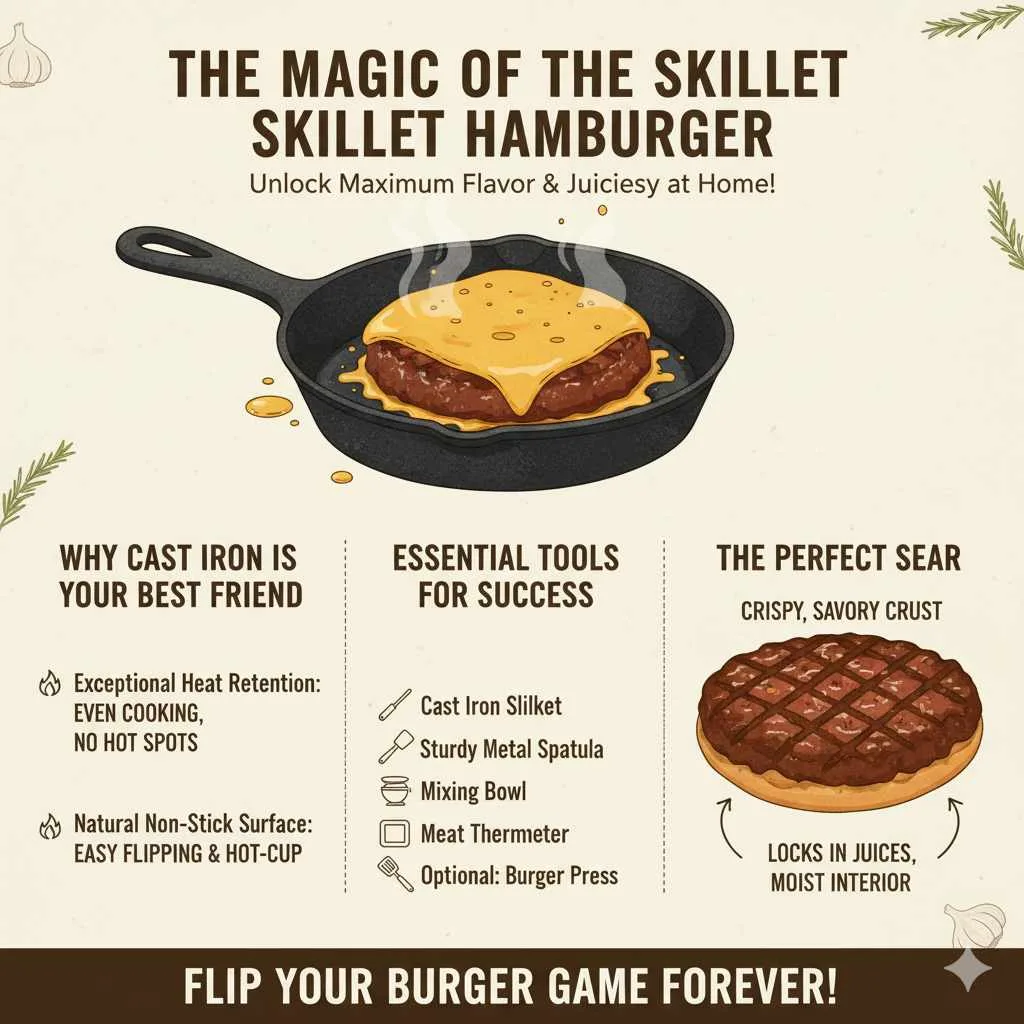
The Magic of the Skillet Hamburger
Cooking hamburgers in a skillet, especially a cast-iron one, is a classic for a reason. The direct heat allows for a beautiful sear, locking in juices and creating that irresistible savory crust. Unlike grilling, which can sometimes lead to overcooking or flare-ups, a skillet offers more control and consistency, making it the ideal method for beginners and experienced cooks alike. It’s an all-weather option, perfect for any day of the year, and it truly lets the flavor of the beef shine through.
Why Cast Iron is Your Best Friend for Burgers
While any sturdy skillet can work, cast iron truly elevates the hamburger cooking experience. Its exceptional heat retention and distribution mean your burgers cook evenly without hot spots. This leads to that perfect, consistent sear across the entire patty. Cast iron also develops a natural non-stick surface over time, making flipping and cleaning a breeze.
Essential Tools for Skillet Burger Success
Gathering your tools before you start is always a smart move. It ensures a smooth cooking process and fewer surprises. For perfectly cooked skillet hamburgers, here’s what you’ll need:
- A good quality skillet (cast iron is highly recommended!)
- A sturdy spatula (metal is best for flipping sturdy burgers)
- A bowl for mixing the meat (if making your own patties)
- Measuring spoons and cups (for seasonings)
- A meat thermometer (for checking doneness, though experienced cooks can often tell by touch)
- Optional: Burger press for uniformly shaped patties
Choosing and Preparing Your Ground Beef
The foundation of any great hamburger is the quality of the ground beef. For the best flavor and texture, go for a blend with a good fat ratio.
The Ideal Fat-to-Lean Ratio
When you’re picking out ground beef, look for a percentage of fat that’s around 80% lean to 20% fat. This ratio is crucial for creating juicy burgers. Too little fat, and your burgers will be dry and lean. Too much fat, and they’ll be greasy and might shrink excessively. This 80/20 blend offers the perfect balance for flavor, juiciness, and structure in your skillet-cooked burgers. Many butchers will grind beef to your specifications, so don’t hesitate to ask!
To Season or Not to Season? The Great Debate
This is where personal preference really comes into play! Some purists believe that only salt and pepper are needed to let the beef’s natural flavor shine. Others enjoy adding a touch of garlic powder, onion powder, or even a dash of Worcestershire sauce. For beginners, starting with just salt and pepper is a fantastic way to learn how the beef tastes. You can always experiment with other seasonings as you gain confidence.
When seasoning, be gentle. Overmixing the meat can make your burgers tough. Lightly season the outside of the patties just before they hit the skillet. If you plan to mix seasonings into the meat, do so very gently, just enough to distribute them. This is a delicate step to ensure the best texture.
Crafting the Perfect Patty
The shape and thickness of your patty significantly impact cooking time and texture. Here’s how to make them just right.
Forming Your Patties: Size Matters
When forming your patties, aim for a size that’s slightly larger than your burger bun. This accounts for shrinkage as the burger cooks. A good rule of thumb is about 4-6 ounces (115-170 grams) per patty, about 3/4 to 1 inch thick.
To prevent patties from puffing up in the center during cooking, make a slight indentation in the middle of each patty with your thumb. This little trick helps them cook flatter and more evenly. If you’re using a burger press, it will help you achieve uniformly thick patties, which is excellent for consistent cooking.
Don’t Overwork the Meat!
This is one of the golden rules of burger making: handle the ground beef as little as possible. Overworking the meat, or packing it too tightly, develops the gluten in the meat, resulting in a dense, tough hamburger. Think of it as gently shaping, not firm packing. Just bring the meat together enough to form a cohesive patty. This gentle touch is key to a tender, delicious burger.
Mastering the Skillet: Step-by-Step Burger Cooking Guide
Now, let’s get to the exciting part – cooking! Following these steps will help you achieve that perfect skillet sear every time.
Step 1: Preheat Your Skillet
This is a critical step that many beginners overlook. Place your skillet on the stovetop over medium-high heat. You want the skillet to be properly hot before you add the burgers. A good test is to flick a tiny drop of water; if it sizzles and evaporates immediately, your skillet is ready. For cast iron, allow a good 5-7 minutes for it to heat up evenly.
Step 2: Add Your Fat (Optional but Recommended)
While ground beef has fat, adding a little bit of oil or butter to the hot skillet helps prevent sticking and enhances the sear. A neutral oil like vegetable, canola, or grapeseed oil is perfect. About one tablespoon is usually sufficient for a regular-sized skillet. Swirl the pan to coat the bottom evenly. If you’re using a well-seasoned cast-iron skillet, you might get away with no added fat, but a little insurance never hurts.
Step 3: Place Burgers in the Skillet
Carefully lay your formed patties into the preheated skillet. Don’t overcrowd the pan; cook in batches if necessary. Overcrowding will lower the skillet’s temperature, steaming your burgers instead of searing them, which is exactly what we want to avoid for that perfect crust. Leave a little space between each burger.
Step 4: Sear and Cook the First Side
Let the burgers cook undisturbed for about 3 to 5 minutes. Resist the urge to move them around. This allows a beautiful brown crust to form. The exact time will depend on the thickness of your patty and the heat of your stove. You’ll see the edges start to change color as they cook.
Step 5: Flip and Cook the Second Side
Using your spatula, carefully flip each burger. Now cook the second side for another 3 to 5 minutes. Again, try not to press down on the burgers with your spatula, as this squeezes out valuable juices.
Step 6: Check for Doneness
This is where an instant-read meat thermometer is your best friend. Insert it into the thickest part of the patty, avoiding any bone if you were cooking a steak (not applicable here, but good practice).
Here are the recommended internal temperatures for different levels of doneness:
| Doneness Level | Internal Temperature | Description |
|---|---|---|
| Rare | 125°F (52°C) | Cool red center |
| Medium-Rare | 135°F (57°C) | Warm red center |
| Medium | 145°F (63°C) | Pink center |
| Medium-Well | 150°F (66°C) | Slightly pink center |
| Well-Done | 160°F (71°C) | No pink, fully cooked |
For the juiciest burgers, medium-rare to medium (135-145°F or 57-63°C) is often preferred. Remember that the temperature will rise a few degrees as the burger rests. For food safety, the U.S. Department of Agriculture (USDA) recommends cooking ground beef to an internal temperature of 160°F (71°C) to ensure it’s safe to eat.
Step 7: Add Cheese (Optional)
If you’re adding cheese, this is the time to do it. Lay a slice of your favorite cheese over the patty during the last minute or two of cooking. You can cover the skillet briefly to help the cheese melt beautifully and evenly.
Step 8: Rest Your Burgers
This is another often-skipped but vital step! Once your burgers reach your desired doneness, remove them from the skillet and place them on a clean plate or cutting board. Let them rest for 5 minutes. This resting period allows the juices to redistribute throughout the patty, making for a more tender and flavorful burger. If you cut into them too soon, all those delicious juices will run out.
Tips for Unbeatable Skillet Burgers
Beyond the basic steps, a few extra tricks can elevate your burgers from good to absolutely amazing.
The Power of the Sear
That delicious brown crust on the outside of your burger is called the Maillard reaction. It’s a chemical process between amino acids and reducing sugars that creates complex flavors and aromas. Achieving a good sear comes down to a hot skillet and giving the patty enough time on each side without moving it.
Busting Burger Myths: Don’t Press!
A common mistake is pressing down on the burger with the spatula while it cooks. This might seem like a good way to speed up cooking or get a flatter burger, but it’s a sure way to squeeze out all those delicious, juicy fats. Let the burger cook at its own pace.
Fat is Flavor
As we discussed, the fat content in your ground beef is crucial for juiciness and flavor. Don’t be afraid of the 80/20 blend; it’s there for a reason!
Flavor Boosters Beyond Salt and Pepper
Once you’ve mastered the basics, consider adding other flavors. A sprinkle of garlic powder, onion powder, or smoked paprika on the outside of the patty before cooking can add subtle depth. For a ‘smash burger’ style, you can press a thin layer of caramelized onions onto the hot patty while it cooks in the skillet.
Serving Your Masterpiece
Now that you have your perfectly cooked skillet hamburgers, it’s time to serve them up! Toasting your burger buns on the same skillet for a minute or two after removing the burgers adds an extra layer of flavor and prevents soggy bottoms.
Assemble your burgers with your favorite toppings, sauces, and condiments. Whether it’s crisp lettuce, ripe tomatoes, pickles, onions, ketchup, mustard, or a special sauce, the possibilities are endless.
Bun Selection
The bun is more than just a vessel; it’s part of the burger experience. A soft brioche bun, a sturdy potato roll, or a classic sesame seed bun all offer different textures and flavors. Consider the size and richness of your burger when choosing a bun. A robust burger might need a slightly sturdier bun to hold up.
Toppings Galore!
The fun really ramps up with toppings. Think about complementary flavors and textures:
- Crisp & Fresh: Lettuce, tomato slices, thinly sliced red onion, pickles
- Savory & Umami: Sautéed mushrooms, caramelized onions, crispy bacon
- Creamy & Rich: Cheese (cheddar, Swiss, blue cheese, pepper jack), avocado slices
- Sauces: Ketchup, mustard, mayonnaise, BBQ sauce, special burger sauce
Troubleshooting Common Skillet Burger Problems
Even with the best intentions, sometimes things don’t go perfectly. Here are answers to some common issues beginner cooks face.
My burgers stick to the pan. What did I do wrong?
This is usually due to the skillet not being hot enough, not enough fat in the pan, or trying to move the burger too soon. Ensure your skillet is preheated properly on medium-high heat. Add a tablespoon of oil like grapeseed or canola oil, or butter, and let it heat up before adding the burgers. Don’t try to flip them until they naturally release from the pan, which usually takes 3-5 minutes on the first side.
My burgers are dry and overcooked. How can I prevent this?
The most common culprits for dry burgers are overcooking and using beef with too little fat. Use an 80/20 lean-to-fat ratio of ground beef. Use a meat thermometer to ensure you’re not cooking past your desired doneness. Remember, the internal temperature will rise a few degrees as the burger rests. Take them off the heat a little before they reach your target temperature. Also, avoid pressing down on the burgers while they cook, as this squeezes out precious juices.
My burgers are falling apart. What should I do?
Burgers can fall apart if the meat is too lean or if it’s overworked during patty formation. Ensure you’re using ground beef with at least 20% fat. When forming patties, handle the meat as little as possible – just enough to shape it. Overmixing develops gluten, which makes the meat tough and prone to crumbling. Gentleness is key!
Why do my burgers puff up in the center?
This happens because the dense meat on the outside cooks faster than the center, causing steam to push the center outwards. The simple solution is to make a slight indentation in the center of each patty with your thumb before cooking. This helps the patty cook more evenly and stay flatter.
How do I get a good sear on the outside?
A good sear requires a screaming hot pan and patience. Preheat your skillet for at least 5-7 minutes over medium-high heat until it’s very hot. Add your fat (if using), and cook the burgers undisturbed for several minutes on the first side until a deep brown crust has formed. Resist the urge to peek or move them too early.

Frequently Asked Questions about Cooking Hamburgers
Q1: Can I use pre-made burger patties, or should I make my own?
You absolutely can use pre-made patties! Many grocery stores offer good quality ones. However, making your own allows you to control the fat content, freshness, and seasonings. For beginners, starting with good quality pre-made patties is a great way to practice cooking techniques.
Q2: What is the best type of ground beef to use for burgers?
The best ground beef for burgers is typically 80% lean and 20% fat. This balance provides excellent flavor and moisture. If you can’t find 80/20, 85/15 is the next best option, though it might be a little less juicy.
Q3: How long should I cook hamburgers in a skillet?
Cooking time varies based on patty thickness and desired doneness, but a general guideline for a 3/4-inch thick patty over medium-high heat is 3-5 minutes per side for medium-rare to medium. Always use a meat thermometer for accuracy. For well-done, it might take 6-8 minutes per side.
Q4: Do I need to add anything to the ground beef when forming patties?
For a pure beef flavor, you don’t need anything but salt and pepper. Seasoning the outside just before cooking is ideal. If you want to add more flavor, a little garlic powder, onion powder, or Worcestershire sauce can be gently mixed in, but be careful not to overwork the meat.
Q5: Is it okay to cook more than two burgers in the skillet at once?
You can cook more than two, but avoid overcrowding the pan. If your skillet is too full, the temperature will drop, and your burgers will steam instead of sear. This leads to a less desirable texture. Cook in batches if necessary to ensure each burger has enough space and direct contact with the hot pan.
Q6: What’s the deal with resting burgers? Why is it important?
Resting is crucial! When meat cooks, the muscle fibers contract and push the juices to the surface. Letting the burger rest for about 5 minutes after cooking allows those juices to redistribute evenly throughout the patty. This results in a much juicier, more tender burger. Skipping this step means you’ll lose a lot of flavor and moisture when you bite into it.
Q7: How do I get that slightly smoky flavor without a grill?
You can achieve a “smoky” essence in your skillet burgers using smoked paprika. Sprinkle a little bit on the patties before cooking. Another method is to use smoked salt or a drop of liquid smoke mixed into your seasonings if you are mixing them into the meat. Sautéed onions and mushrooms also add a layer of deep flavor that can mimic that hearty, outdoor-cooked taste.
Conclusion: Your Skillet is Now a Burger Haven
See? Achieving perfectly cooked, mouthwatering hamburgers in your own kitchen is entirely within reach. By understanding the importance of quality beef, gentle handling, a screaming hot skillet (especially cast iron!), and a patient, step-by-step cooking process, you’ve unlocked a powerful new skill.
Don’t be afraid to experiment with seasonings and toppings once you’ve mastered the basic technique. Each burger you make will build your confidence and