
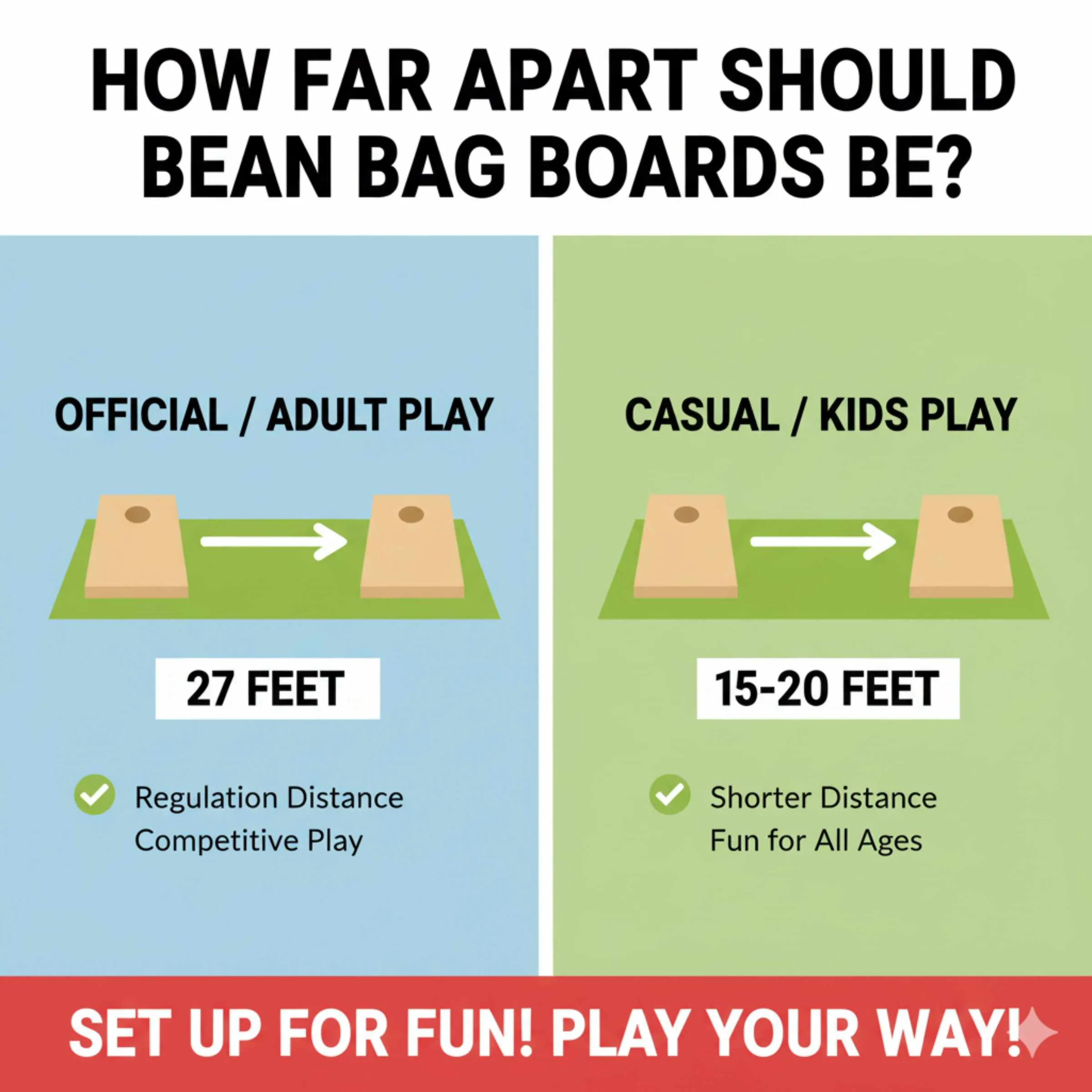
Quick Summary: For a standard game of Cornhole, bean bag boards should be placed 27 feet apart from the front edge of one board to the front edge of the other. This distance is widely recognized for optimal gameplay and competitive balance.
Ever set up your bean bag boards, tossed a few bags, and felt like something was just a little… off? Maybe the game was too easy, or perhaps it felt like you needed superhuman aim to even hit the board. A common culprit for this feeling isn’t your throwing arm (yet!), but the distance between your boards. Getting this measurement right is crucial for enjoying the game as it’s meant to be played, whether you’re having a casual backyard barbecue or gearing up for a friendly tournament.
Don’t worry if you’re unsure; it’s a simple detail, but one that makes a big difference. We’ll walk you through the standard, proven setup that makes your bean bag games fair, fun, and exciting for everyone. We’ll cover the official distance, explain why it works, and even touch on variations for different situations so you can be confident your setup is spot-on.
The Official Cornhole Board Distance: The Gold Standard
When you’re talking about bean bag boards, most people are referring to the game of Cornhole. For those who love the sport and want to play by competitive standards, there’s an established measurement for board placement. This distance ensures a balance of challenge and opportunity for players of all skill levels.
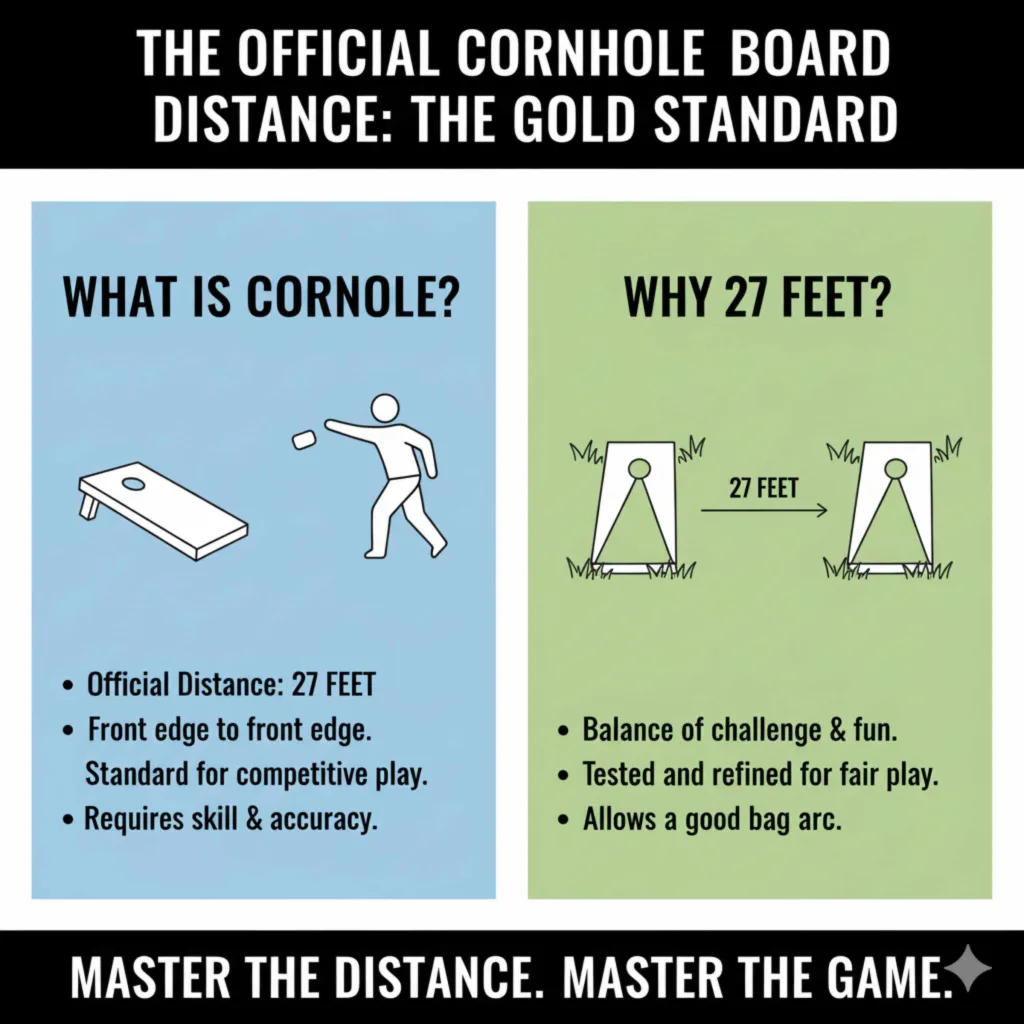
The official distance for Cornhole boards is 27 feet from the front edge of one board to the front edge of the opposing board. This measurement is widely accepted by organizations like the American Cornhole League (ACL) and is the standard for most tournaments and serious players.
Why this specific distance? It’s been tried, tested, and refined over years of play. This 27-foot span provides enough distance to require skill and accuracy without making it impossibly difficult for casual players. It allows for a good arc on the bag and gives players time to adjust their aim based on previous throws. Think of it as the sweet spot that makes every toss feel meaningful.
Measuring Your Board Distance: Simple Steps to Success
Getting the measurement right doesn’t require a degree in engineering. With a basic tape measure, you can ensure your boards are perfectly placed for an enjoyable game.
Tools You’ll Need:
- A standard tape measure (at least 50 feet long works best)
- A friend to help, especially if you’re setting up on a larger lawn.
Step-by-Step Setup:
- Choose Your Playing Area: Find a flat, open space. This could be a backyard, a park, or a dedicated Cornhole court. Ensure there are no significant slopes or obstacles that will interfere with the game.
- Place the First Board (Head Board): Position the first bean bag board on the ground. For the official setup, the “front edge” is the side with the hole. You’ll be tossing from behind this board.
- Measure the Distance: Take your tape measure and extend it from the very front edge of the first board. Walk the tape measure in a straight line towards where the second board will be placed.
- Mark the Second Board’s Position: You are aiming for a distance of 27 feet from the front edge of the first board. You can place a marker (like a small pebble, chalk mark, or simply hold the tape there) at the 27-foot mark.
- Place the Second Board (Foot Board): Position the second bean bag board so that its front edge is at the 27-foot mark you just measured. Again, the front edge is the one with the hole.
- Verify the Alignment: Look down the line where the boards are placed. They should be directly opposite each other, forming a straight parallel line. You can also measure the distance between the back edges or sides to ensure they are perfectly aligned.
It’s important to be precise. Even a foot or two can change the dynamic of the game. When in doubt, use a laser measuring device for extreme accuracy, but a standard tape measure is perfectly sufficient for most backyard games.
Understanding the “Front Edge”: Where the Measurement Starts
In Cornhole, the critical measurement is from the front edge of the board. This is the side that is closest to the opponent’s board and has the hole. It’s not from the center of the board, nor the back edge. This ensures consistency, as the angle and trajectory of the throw are always aimed at this specific line.
Visualizing the setup, imagine two players standing behind their respective boards, ready to toss. The 27-foot distance is the space between these two playing fields. This is the playing lane where the bags travel.
Why 27 Feet is the Magic Number: The Science of the Game
The 27-foot measurement isn’t arbitrary. It’s a carefully chosen distance that provides an optimal balance for skill development and enjoyable play.
- Skill and Accuracy: At 27 feet, players need to develop a consistent throwing technique to accurately land bags on the board or sink them into the hole. It’s far enough to require practice but close enough that consistent players can master it.
- Ballistics and Arc: This distance allows for a natural arc in the bean bag’s flight. Players can choose between a higher, loftier toss (the “slider” or “high bag”) or a lower, more direct approach. The 27-foot span is ideal for both styles to perform effectively.
- Engagement and Pace: The distance keeps players actively engaged in the game. It’s not so far that throws become sporadic or frustratingly difficult, nor so close that every bag is a guaranteed point. This pacing keeps the excitement up, bag after bag.
- Competitive Fairness: For competitive play, a standardized distance ensures that all participants are playing under the same conditions. This allows for fair comparison of skills and promotes a more serious, structured game.
The National Cornhole Championship rules, for instance, adhere to this 27-foot standard. This is a testament to its effectiveness in creating a dynamic and satisfying game experience. For more details on competitive rules, you can often find excellent resources on the International Bag Association website, which outlines standard gameplay and measurements.
Bean Bag Board Setup Variations: When to Adjust the Distance
While 27 feet is the standard, life isn’t always a perfectly measured tournament. There are times when you might want to adjust the distance between your bean bag boards.
1. Casual Backyard Play
For a relaxed get-together where you have a mix of seasoned players and first-timers, or if you have a smaller yard, you might consider shortening the distance.
- Shorter Distance (e.g., 20-25 feet): This makes the game more accessible for younger children or those less experienced with throwing. It reduces the pressure and increases the fun factor for a casual vibe.
- Considerations: If you shorten the distance significantly, aim to keep the boards aligned and on a level surface. The core principles of fair play still apply.
2. Indoor Play
If you’re setting up for an indoor game, space is often limited. You’ll definitely need to adjust.
- Even Shorter Distance (e.g., 15-20 feet): This is usually the maximum you can achieve indoors. It will change the game considerably, making it more about touch and precision than raw distance.
- Considerations: Ensure you have plenty of clear space around the boards. Use softer bags if possible to minimize damage to walls or furniture.
3. For Younger Children
When little ones are playing, especially if they’re just learning, the official distance can be too much.
- Very Short Distance (e.g., 10-15 feet): This allows them to experience success and build confidence. They’ll be able to make more successful throws and enjoy the interactive aspect of the game without becoming frustrated.
- Supervision is Key: Always supervise children during play.
Table: Recommended Bean Bag Board Distances
To make choosing your setup easier, here’s a quick reference table:
| Scenario | Recommended Distance (Front Edge to Front Edge) | Notes |
|---|---|---|
| Official/Competitive Play | 27 feet | Standard for tournaments and serious gamers. Requires skill and accuracy. |
| Casual Backyard BBQ | 25-27 feet | Offers flexibility. Slightly shorter might be preferred for mixed skill levels. |
| Family Fun with Younger Kids | 20-25 feet | Easier for less experienced players and children. |
| Indoor Play (Limited Space) | 15-20 feet | Adjust based on available space. Be mindful of surroundings. |
| Young Children’s First Game | 10-15 feet | Focus on fun and success. Builds confidence. |
Remember, these are guidelines. The most important thing is to find a distance that works for your space and ensures everyone is having a great time. The key to a good game is consistent setup.
DIY Board Construction and Spacing Considerations
If you’re looking to build your own bean bag boards, the standard dimensions are also important. They are typically 2 feet wide by 4 feet long. The hole is usually 6 inches in diameter and is placed 9 inches from the top of the board and centered horizontally.
When constructing your boards, ensure they are sturdy and level. The playing surface should be smooth. For consistent play, even if you’re crafting your own set, sticking to the standard dimensions and the 27-foot spacing is highly recommended. You can find great guides on building your own boards from resources like Family Handyman, which often include spacing recommendations.
A well-built board that’s placed correctly is a joy to play with. The angle of the board is also crucial for competitive play. Officially, the back of the board should be raised 12 inches off the ground, while the front edge should be just a few inches off the ground (typically 3-4 inches). This creates the signature slope that affects how bags land and slide.
Common Pitfalls to Avoid
Even with the right measurements, a few common mistakes can throw off your game:
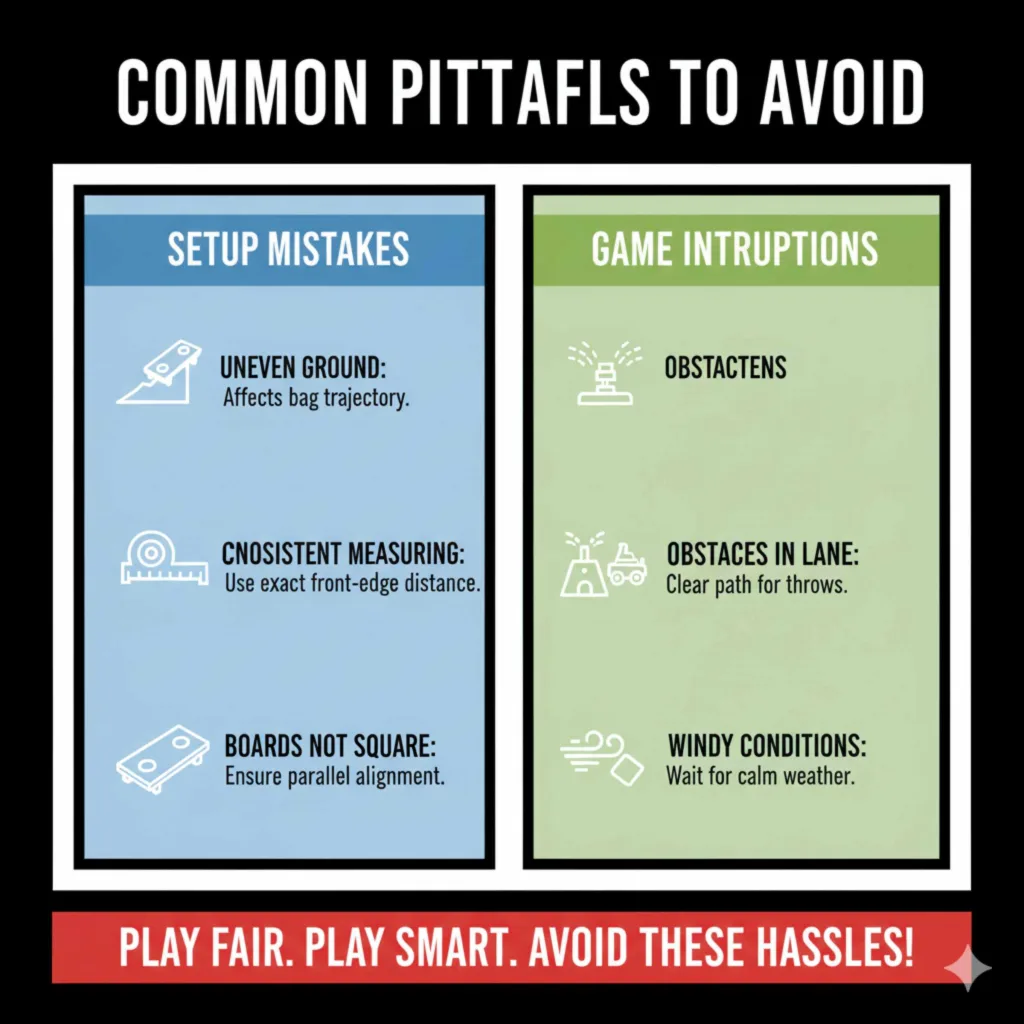
- Uneven Ground: Playing on a sloped surface can significantly affect bag trajectory and make the game unfair. Try to find the flattest area possible.
- Inconsistent Measuring: Using a crumpled tape measure or not measuring from the exact front edge can lead to incorrect spacing.
- Boards Not Facing Each Other Squarely: Ensure the boards are parallel. If one board is angled differently from the other, it’s not a true setup.
- Obstacles in the Playing Lane: Make sure the path between the boards is clear of sprinklers, toys, trees, or other hazards.
- Windy Conditions: While not a setup issue, high winds can dramatically affect bag flight. If it’s extremely windy, you might consider playing indoors or taking a break.
Addressing these common pitfalls will ensure that your game’s outcome is determined by skill, not by an improperly set up playing field.
FAQ: Your Bean Bag Board Questions Answered
Q1: What is the standard distance for bean bag boards in Cornhole?
A1: The standard distance for competitive Cornhole is 27 feet, measured from the front edge of one board to the front edge of the other.
Q2: How do I measure the 27 feet correctly?
A2: Use a tape measure and place one end at the very front edge of the board (the side with the hole). Extend the tape in a straight line to where the front edge of the opposing board will be. Aim for exactly 27 feet.
Q3: Can I use a shorter distance for casual games?
A3: Absolutely! For casual games, especially with mixed skill levels or younger players, a distance of 20-25 feet can be more enjoyable and accessible.
Q4: What if my playing area isn’t perfectly level?
A4: Try to find the most level spot possible. If it’s slightly sloped, ensure both boards are placed on the same degree of slope for fairness. Significant slopes can alter the game significantly.
Q5: Does the height of the boards matter?
A5: Yes, for official play, the back of the board should be 12 inches off the ground, and the front edge should be 3-4 inches off the ground. This creates the characteristic playing slope.
Q6: What is the “front edge” of the bean bag board?
A6: The front edge is the side of the board closest to the opponent’s board and where the hole is located. This is the starting point for measuring the distance.
Q7: Why is the 27-foot distance so important for competitive play?
A7: This distance allows for the development of skill, creates a challenging but achievable arc for the bean bag, encourages strategic play, and ensures a fair and consistent playing field for all competitors.
Conclusion: Perfect Your Setup, Perfect Your Game
Getting the bean bag board setup right is a simple but vital step to enjoying your game of Cornhole to its fullest. Whether you’re aiming for official tournament standards or just want a fun, fair game at your next backyard gathering, understanding the 27-foot rule is your starting point.
Remember it’s about measuring from the front edge of one board to the front edge of the other. This distance provides the ideal balance of challenge and fun, allowing for skillful throws and an engaging game experience. Don’t be afraid to adjust the distance slightly for casual play or younger players, but always strive for a level playing field and parallel board alignment.
With the correct setup, a bit of practice, and good company, you’re all set to toss some bags and enjoy countless hours of friendly competition. Happy throwing!




Leave a Reply