
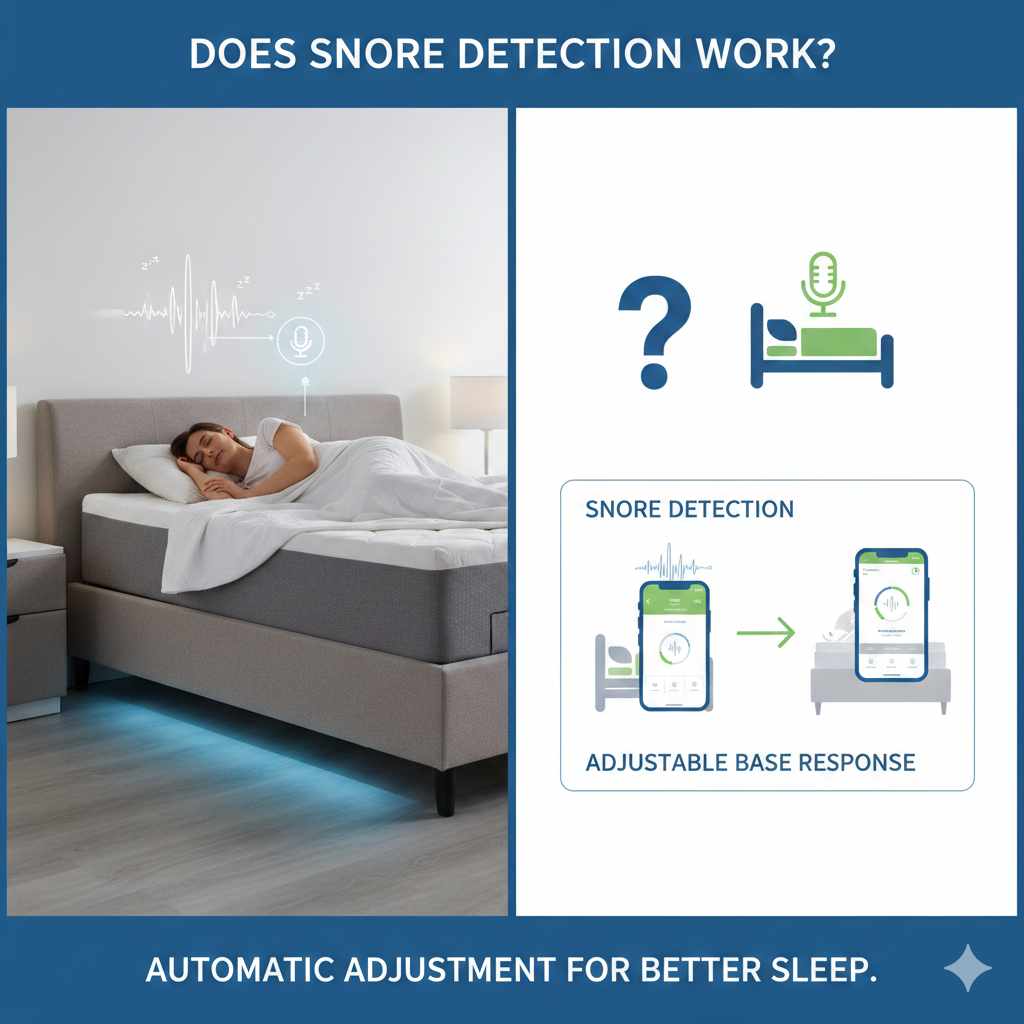
Yes, snore detection absolutely works with many modern adjustable bases! These smart bases use gentle, automated adjustments to the head of the bed—often just a few degrees—to open airways when snoring is detected. This feature is proving to be an essential upgrade for couples seeking quiet, restful sleep without needing loud machines or uncomfortable changes.
Do you or your partner snore? It’s a very common problem that can really mess up a night’s sleep for two people. Trying to ignore loud breathing noises is frustrating. Maybe you’ve heard about fancy adjustable beds that do something about it automatically. You might be wondering, “Does snore detection work with an adjustable base?” The answer is yes, for many newer models! This technology is designed to be simple and hands-off. We are going to break down exactly how these smart bases sense snoring and automatically adjust to help silence those noisy nights. Get ready to learn how to sleep better tonight!
Understanding Snore Detection Technology in Sleep Systems
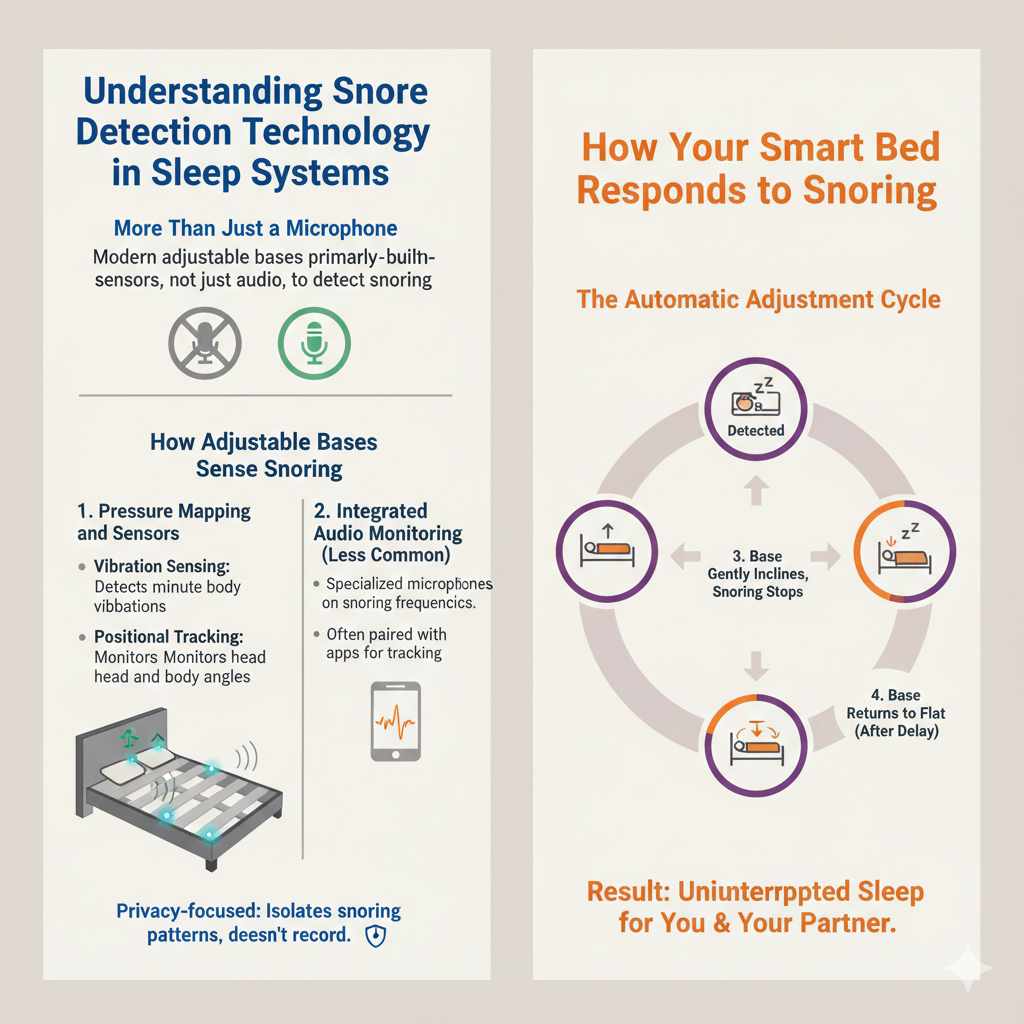
When you hear the words “snore detection,” you might picture a tiny microphone listening in. While some systems use audio, modern adjustable bases often rely on a more subtle, built-in system. Think of it less like a security camera and more like a smart sensor monitoring pressure.
How Adjustable Bases Sense Snoring
The magic behind automatic snore adjustment isn’t usually a separate noise machine plugged in. Instead, it’s integrated right into the bed’s frame and electronics.
1. Pressure Mapping and Sensors
Many high-end adjustable bases use internal sensors embedded in the frame or mattress support. These sensors are sensitive enough to detect changes in weight distribution and slight movements associated with snoring.
Vibration Sensing: When someone snores, their body vibrates slightly. The base’s sensors can often pick up these minute vibrations traveling through the frame.
Positional Tracking: The system monitors how you are positioned. If your head angle shifts into a position known to trigger snoring, the system takes note.
2. Integrated Audio Monitoring (Less Common but Present)
Some advanced systems do use microphones, but they are highly specialized and focus only on specific audio frequencies associated with loud snoring. These are sometimes paired with apps for tracking, but the action (the bed moving) is usually triggered by the pressure/movement sensors first.
These systems are designed for privacy and simplicity. The goal isn’t to record conversations, but to isolate the specific sound/vibration pattern indicating obstructed breathing.
The Core Function: Gentle, Automated Adjustments
Once the base identifies snoring, it doesn’t just blast an alarm. The technology is designed to solve the problem smoothly and quietly.
Snoring often happens because the soft tissues in the throat collapse slightly, narrowing the airway when a person is completely flat or slightly reclined. The fix is often just a small change in elevation.
What Happens When Snoring Is Detected?
When the sensors indicate snoring has started, the base initiates a very small, automated movement.
- Detection Threshold: The system waits until the snoring reaches a certain level (loudness or duration) that it determines needs intervention.
- Gentle Elevation: The head section of the adjustable base gently lifts. This elevation is usually very minor—often just 6 to 12 degrees, or a few inches.
- Airway Opening: This slight lift uses gravity to naturally tilt the jaw and neck just enough to open the air passage.
- Snore Cessation: Once the airway opens, the snoring stops almost immediately.
- Return to Position (Optional): Some smart bases will stay elevated until the user settles back down, while others may slowly lower back to the preferred setting after a set time.
This process is usually silent and happens while the user is largely asleep, making it much less disruptive than a partner elbowing you awake!
Key Benefits of Automated Snore Adjustment
For couples, this feature moves the adjustable base from a luxury item to a vital sleep tool.
Non-Invasive: Nothing is worn on the body (unlike CPAP machines or nasal strips).
Partner Friendly: The adjustment is smooth, so the non-snorer usually doesn’t even wake up.
Improved Sleep Quality: By keeping the airway open, not only does the snoring stop, but the snorer also gets deeper, more restorative sleep because they aren’t constantly choking or gasping.
Is Snore Detection a Standard Feature or an Upgrade?
This is a crucial point for shoppers. While adjustable bases are common now, the smartfeatures like automatic snore detection are generally found on premium or higher-tier models.
Comparing Base Features
Not every adjustable base has this capability. You need to look specifically for terms like “Snore Mode,” “Anti-Snore Feature,” or “Smart Diagnostics.”
| Feature Level | Typical Price Point | Snore Detection Included? | Movement Control |
| :— | :— | :— | :— |
| Basic (Single Zone) | Low to Mid-Range | No | Head/Foot Only (Manual) |
| Premium (Dual Zone) | Mid to High-Range | Sometimes | Head/Foot, Wireless Control |
| Smart/AI Enabled | High-End | Yes (Usually Standard) | Automated adjustments based on sensors/app data. |
If you are buying a new adjustable base specifically for snoring relief, always double-check the feature list. Look for features that integrate with smartphone apps, as this often signals deeper sensor technology.
Setting Up and Using Snore Detection: A Practical Look
Getting this feature to work reliably is straightforward, but it requires the right setup. Since this technology relies on sensors monitoring the bed, setup is usually easier than setting up complex electronics.
Step 1: Ensure Proper Mattress Pairing
Adjustable bases need the right mattress to work effectively. If you use an old, traditional innerspring mattress, the sensor system might not read your movements accurately.
You should use a mattress designed for adjustable bases, such as memory foam, latex, or hybrid designs where the coils are flexible enough to bend with the frame. Check with the manufacturer, but generally, newer foam mattresses are best for accurate sensor feedback.
Step 2: Connect to Power and Sync
Plug in the base and connect the remote or app. For the anti-snore function to work, the base usually needs to be connected to a Wi-Fi network or paired directly to a dedicated smartphone app so it can process the sensor data in real-time.
Step 3: Activate Snore Mode
Using the remote or the associated app, find the setting labeled “Snore Mode” or “Anti-Snore.” Activate this feature before you go to sleep.
Calibration: Some high-end systems might ask you to lie down briefly so the base can “learn” your baseline position.
Sensitivity Settings: If available in the app, you might be able to adjust how sensitive the system is. Low sensitivity means it ignores small noises; high sensitivity means it reacts to minor stirring.
Step 4: Sleep!
Once activated, the system runs silently in the background. You don’t need to do anything else. If snoring begins, the base will initiate the small lift automatically.
This hands-off approach is what makes automated adjustable bases so appealing compared to manual adjustments where one person has to wake up to press a button.
Why Is This Technology Getting Better? Understanding Sleep Science
The focus on positional snoring relief isn’t just a marketing trend; it’s backed by clear evidence about what causes snoring. Sleep researchers know that gravity plays a huge role in airway obstruction.
According to the National Sleep Foundation, maintaining an incline is one of the most effective non-medical ways to reduce snoring. When you lie flat, the tongue falls back, blocking the throat. Raising the head slightly counteracts this gravitational pull.
For more information on the science behind sleep positions and breathing, resources such as the Sleep Foundation provide excellent, reliable data. This technology automates the exact positional change doctors often recommend.
Airflow and Health Implications
While snoring is annoying, it can sometimes signal deeper issues like mild obstructive sleep apnea (OSA). While an adjustable base is not a medical treatment for diagnosed OSA, reducing significant snoring does improve overall sleep hygiene. By promoting better nighttime breathing, you are encouraging more oxygen saturation throughout the night.
Troubleshooting Common Snore Detection Issues
Even the smartest technology can sometimes get confused. If you find your snore detection isn’t working as expected, don’t worry—it’s usually a simple fix.
Problem 1: The Base Doesn’t Adjust at All
This is usually a connection or power issue.
Check the Connection: Is the base plugged securely into a working outlet?
Verify the App/Remote: Is “Snore Mode” definitely toggled ON in your control panel? Sometimes an accidental tap turns it off.
Firmware Update: Many smart devices require periodic software updates. Check the manufacturer’s app to see if the base needs a firmware update to ensure smart features are running correctly.
Problem 2: The Base Adjusts Too Often (False Alarms)
If the bed moves every time your partner shifts position, the sensitivity might be too high, or the mattress isn’t pairing well with the sensors.
Lower Sensitivity: Go into the app settings and reduce the sensitivity level of the sensors so they require a louder or more sustained snoring sound to trigger the lift.
Check Mattress Fit: Ensure the mattress isn’t shifting excessively on the frame base. If the mattress slides around easily, the sensors might mistake movement for noise.
Problem 3: The Adjustment is Not Enough
If the base only raises a tiny bit but snoring continues, you might need a more aggressive lift for that specific user.
Manual Height Check: Before bed, manually elevate the head of the bed to the maximumheight that is still comfortable for you when you are awake. Let the base “remember” that as the ideal starting point for the anti-snore function.
Consider a Wedge Pillow: If the anti-snore feature only offers 3 inches of lift and you need 5, using a firm wedge pillow under the mattress (if the manufacturer allows) might supplement the automated system for the deepest sleepers.
The Financial Angle: Is the Upgrade Worth the Cost?
Smart adjustable bases with integrated snore detection are an investment. They cost significantly more than basic flat bases. To decide if this essential cooling comfort is right for your budget, consider these factors:
Reasons to Invest Now:
- Sleep Debt Reduction: If snoring causes regular sleep loss for both partners, the cost might be less than the lost productivity and health impacts of poor sleep over time.
- Longevity of Use: These integrated systems are designed to last the life of the bed—many years of quiet nights.
- Built-in Comfort: You get the added benefit of a fully adjustable bed plus the snore feature, eliminating the need for separate anti-snore devices.
Reasons to Wait or Choose an Alternative:
- High Upfront Cost: The investment can be substantial, especially compared to manual bases or prescription treatments.
- Limited Medical Use: This is not a substitute for required medical devices if a sleep disorder like severe OSA is diagnosed. Always consult a physician if you suspect a serious issue. (See guidance from organizations like the CDC on sleep disorders for more context: CDC Sleep Disorders Information).
- Compatibility Issues: If you already own a perfectly good mattress, buying a new base might require buying a new mattress to ensure full compatibility with the sensor technology.

FAQ: Beginner Questions About Snore Detection Bases
Getting started with new sleep technology can bring up common questions. Here are simple answers to the things most beginners ask.
Q1: Do I need a special mattress for the snore detection to work?
Yes, you generally need a flexible mattress like foam or latex. Traditional, very rigid innerspring mattresses often do not allow the sensors to accurately read movement or may not bend properly with the base, leading to inaccurate detection.
Q2: Will the bed wake me up when it adjusts for snoring?
In a well-designed system, no. The adjustment is usually a very slow, subtle tilt of the head section, often taking 30 seconds or more to complete an entire degree or two of elevation. Most sleepers do not notice this gentle movement.
Q3: Can I use my existing adjustable base with a new snore detection feature?
Unfortunately, no. The snore detection sensors and the processing unit are built directly into the frame’s electrical system. You must buy a new adjustable base specifically advertised as having integrated anti-snore technology.
Q4: Is the microphone feature always recording my conversations?
No. High-quality systems are designed to look for specific vibrational patterns or audio signatures related to snoring. They are not recording or storing general conversations; the system only processes the data needed to trigger the mechanical response.
Q5: What if the snoring continues even after the base moves?
If the automated lift doesn’t stop the snoring, the issue might be more complex than simple positional snoring. You may need to try a slightly higher manual setting, or it’s time to consult a doctor, as prescription medical devices might be necessary.
Q6: How long does it take for the base to start working after I lie down?
Detection usually starts immediately once the base is powered on and “Snore Mode” is activated. There might be a short calibration period (a few seconds) when you first lie down, but the system is monitoring constantly while you sleep.
Conclusion: Making the Smart Choice for Better Sleep
You asked if snore detection works with an adjustable base, and the clear answer is yes—it’s one of the most impressive and practical features available on modern sleep platforms today. These smart bases take the guesswork and physical hassle out of correcting positional snoring.
Instead of relying on loud alarms, invasive tools, or a frustrated partner, automated snore detection uses quiet engineering to gently guide your body into a better breathing position. For anyone struggling with interrupted sleep due to snoring, integrating this technology into your bedroom setup can be a game-changer. By understanding how the sensors work and ensuring you have the right mattress pairing, you are taking a confident step toward silent, restorative nights. This proven essential upgrade helps protect both your sleep quality and your relationship!