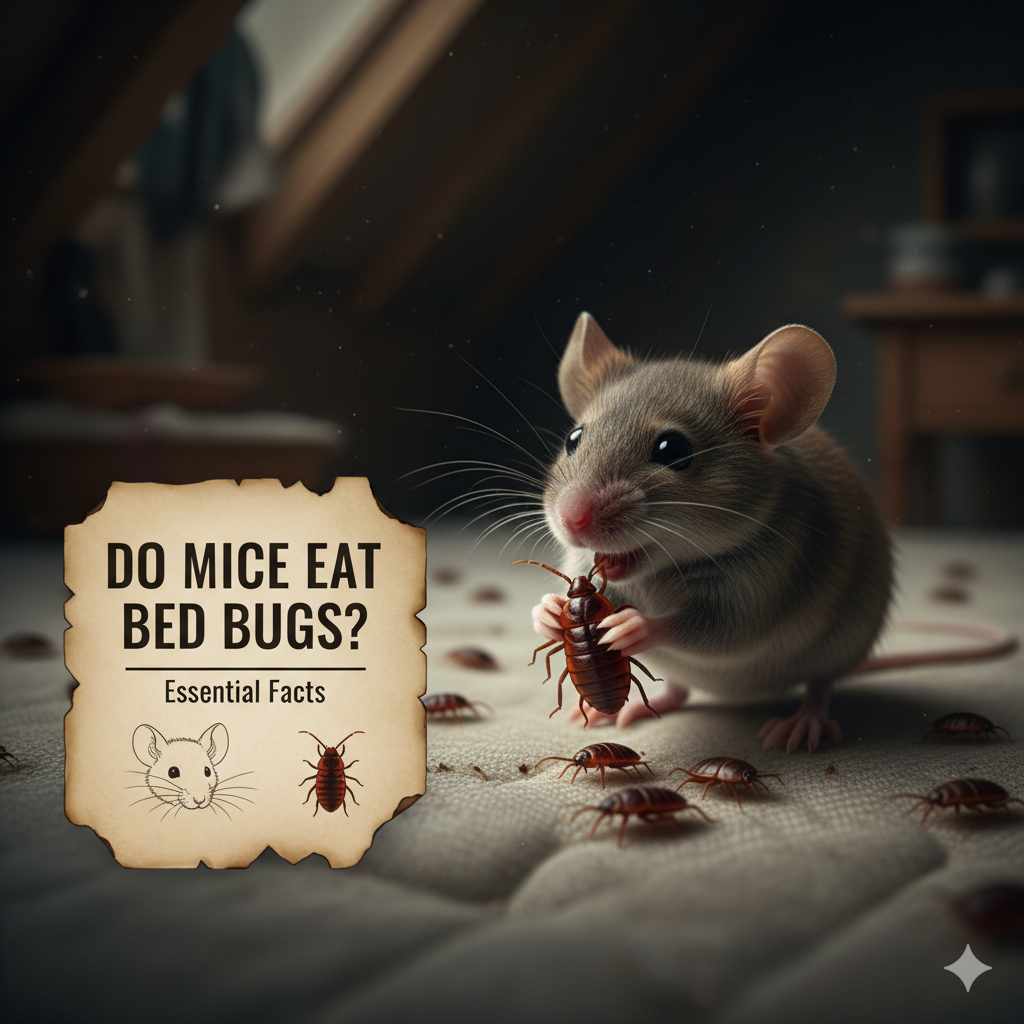
Do mice eat bed bugs? Generally, mice will not make bed bugs a regular part of their diet. While mice are opportunistic omnivores and might consume a bed bug if it is the easiest available food source, they prefer standard fare like seeds, grains, and insects. Bed bugs are small, often hidden, and offer little nutritional payoff compared to other pest options mice typically hunt.
Finding pests in your home can feel overwhelming. You might be dealing with those tiny, biting insects we call bed bugs, or maybe you suspect mice are moving in. It’s natural to wonder if one pest problem might solve the other! If you have an infestation of both, you’re probably asking: Do mice eat bed bugs? This is a smart question that helps paint a clearer picture of your pest situation. Don’t worry, we are going to break down the facts simply. You’ll learn what mice actually prefer to eat and why relying on them to handle your bed bug issue is not a good plan. Let’s look closely at the diet habits of these two common household invaders so you can tackle them the right way.
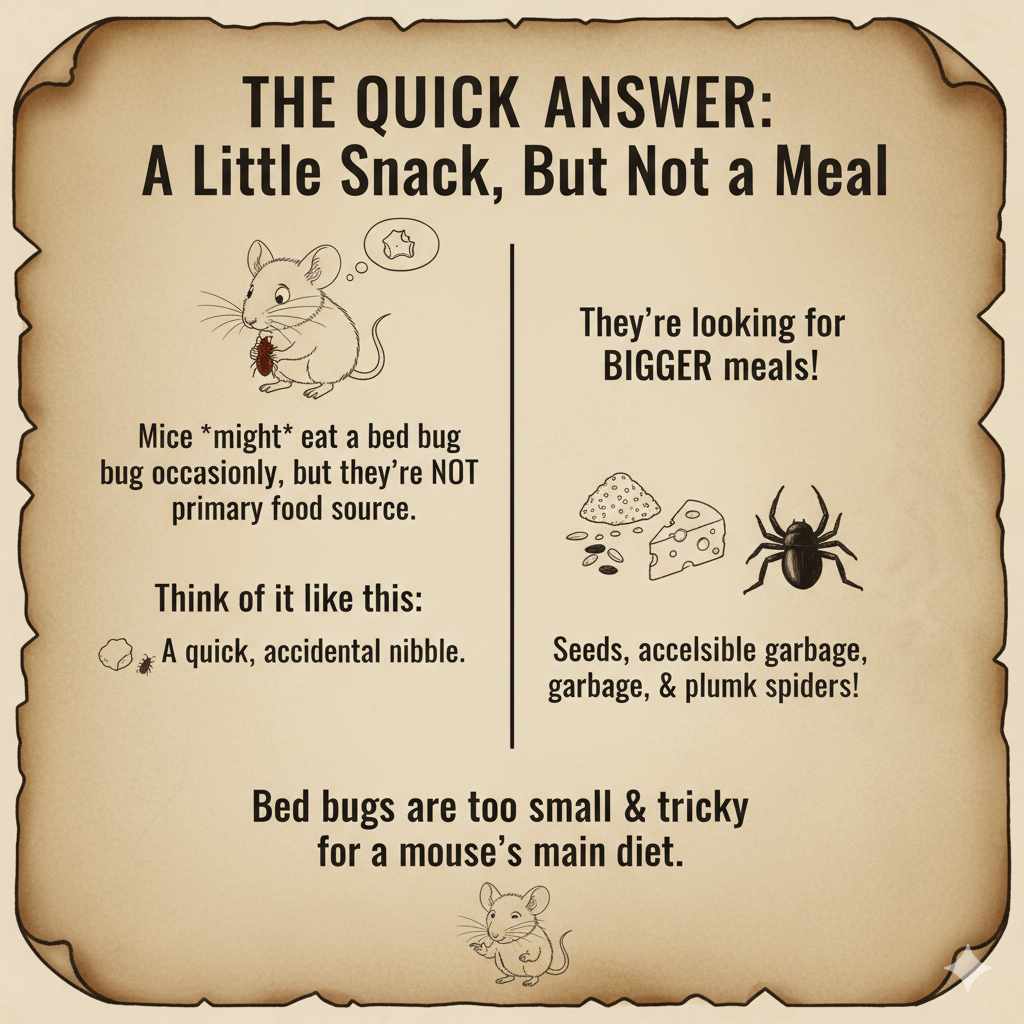
The Quick Answer: A Little Snack, But Not a Meal
To get straight to the point, mice might occasionally eat a bed bug, but they are not a primary food source. Think of it like this: if a mouse stumbles across a bed bug while looking for crumbs, it might take a nibble. However, mice are looking for bigger, more consistent meals. Bed bugs are usually too small and too tricky to catch consistently for a mouse’s main diet.
Mice are clever eaters. They look for food that gives them the most energy for the least amount of effort. Bed bugs simply don’t make the top of their list when there are tasty seeds, accessible garbage, or plump spiders nearby.
Understanding the Pest: What Do Mice Really Eat?
Before we talk about them eating bed bugs, let’s get clear on what a mouse’s standard menu looks like. Knowing their preferences helps you figure out how to manage them better. Mice, especially common house mice, are opportunistic omnivores. This means they eat almost anything they can find, but they have strong favorites.
Mice Favorite Foods: The Main Menu
If you leave food out, mice will typically go for what is easiest to access and highest in calories. This is why they are so often drawn to human homes in the first place.
- Grains and Seeds: This is often the number one choice. Birdseed, pet food, spilled cereal, and pantry staples are huge attractions.
- Fruit and Vegetables: Any rotting or dropped produce is easy pickings.
- Insects (The Big Ones): Mice love insects, but they prefer larger, slower-moving bugs like crickets, beetles, and grasshoppers. Spiders are also on the list.
- Garbage: Anything smelly or fatty found in trash cans is fair game.
Mice need to eat a small but steady amount of food daily to survive. They prefer food that is readily available in large quantities, like a forgotten bag of rice or accessible pet food.
Why Bed Bugs Don’t Make the Cut
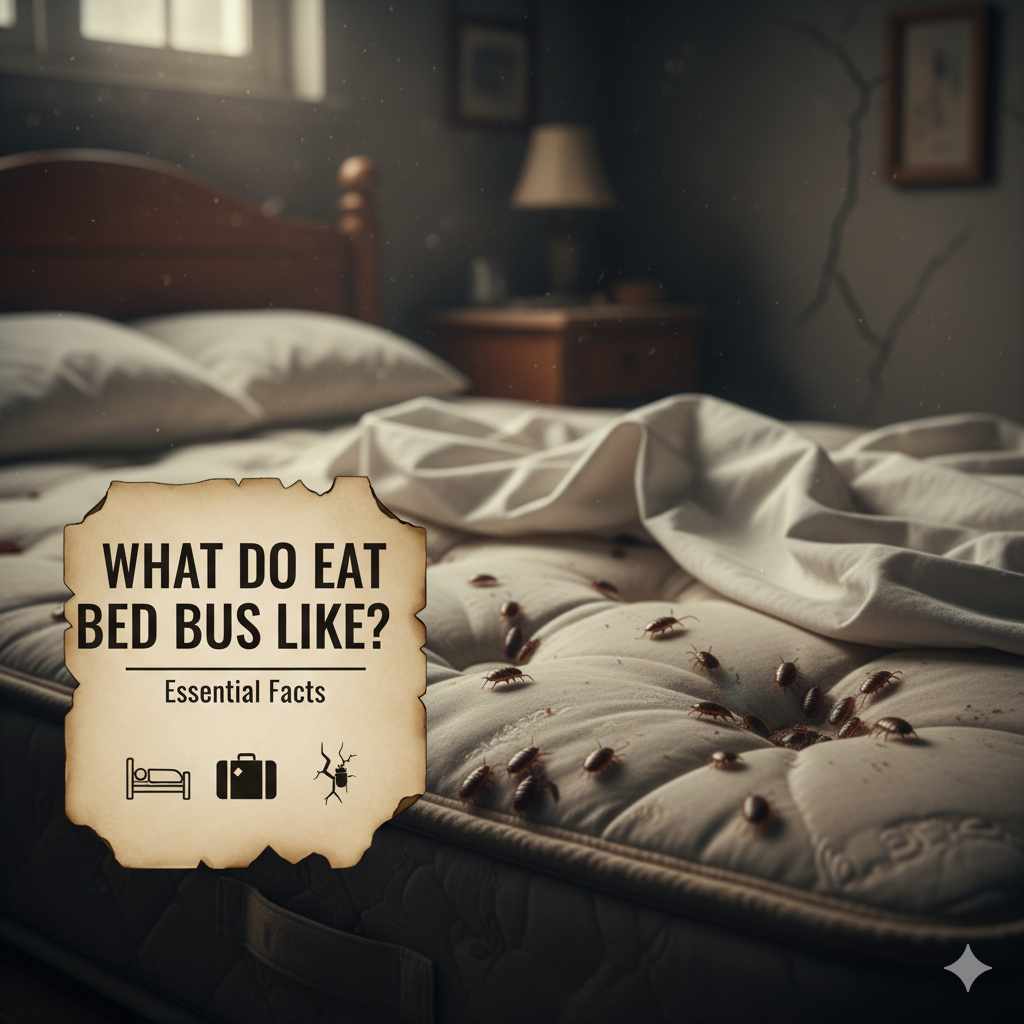
Bed bugs (Cimex lectularius) are small, fast when disturbed, and often hide in tiny crevices (like seams in mattresses or behind baseboards). For a mouse, the hunt is often not worth the reward when considering bed bugs.
- Size: Bed bugs are tiny targets that don’t offer much substance.
- Location: They hide where mice can’t easily reach them all the time.
- Blood Meal: While a mouse might eat a bug that is already dead or stunned, actively hunting a blood-filled bed bug is less appealing than finding a grain cache.
The Bed Bug Diet Versus the Mouse Diet
It is helpful to compare what both pests are looking for. This shows why they rarely see each other as suitable food targets.
| Pest | Primary Food Source | Hunting/Feeding Style |
|---|---|---|
| Mice | Grains, seeds, fruit, larger insects | Opportunistic foraging, seeking high-calorie density |
| Bed Bugs | Mammalian blood (humans, pets) | Nocturnal parasite, feeding only on warm-blooded hosts |
As you can see, their dietary goals are completely different. The bed bug needs blood to reproduce; the mouse needs easy calories to fuel its high metabolism. They occupy different niches.
Can Mice Be a Natural Predator for Bed Bugs?
In a perfect, completely wild scenario—maybe. If a house was abandoned and covered in both pests, a mouse might consume a few stragglers. However, in a typical infested home, the answer is a solid “no” for pest control. Relying on one pest to eliminate another is a trap homeowners often fall into.
Why You Shouldn’t Wait for Mice to Help
If you are dealing with bed bugs, your primary goal is eradication because they bite humans and bring health concerns. If you are dealing with mice, your goal is removal because they spread disease and damage property. Here is why predator control is unreliable:
- Bed Bugs Hide Well: Adult bed bugs, nymphs, and eggs are masters of concealment. They live deep in mattress seams, behind electrical outlets, and inside box springs. A mouse simply cannot effectively search these tight spaces.
- Mice Are Slow Breeders (Relatively): A few mice cannot keep up with the rapid reproduction rate of bed bugs. A single female bed bug can lay hundreds of eggs in her lifetime.
- Competition: Mice aren’t the only predators. If a mouse encounters a bed bug, a spider or even a cockroach might get to it first. Plus, other larger insects might simply outcompete the mouse for the few bugs available.
For reliable pest management, you need targeted solutions. If you are curious about the risks mice bring, you can check out guidelines from public health organizations, such as looking into the environmental health risks associated with rodents, which often involve diseases they carry directly, not through indirect pest consumption.
When Might a Mouse Actually Eat a Bed Bug? (The Exception, Not the Rule)
While it’s rare, there are specific situations where an encounter between a mouse and a bed bug is more likely to result in consumption.
1. Stunned or Dead Bed Bugs
A mouse is much more likely to eat a bed bug that isn’t actively moving or defending itself. If you have used a residual pesticide that kills bed bugs slowly, or if a bed bug has been crushed or dehydrated, a nearby mouse might scavenge it.
2. Extreme Hunger or Lack of Alternatives
If a home has virtually no other accessible food—no spilled crumbs, no accessible pet food, and no running water—a mouse’s dietary standards drop drastically. In this famine scenario, almost anything available, including a bed bug, becomes potential food.
3. Accidental Consumption
Sometimes, pests just share the same hiding spot. If a mouse is investigating a tight crack or hole where bed bugs are harbaging, it might accidentally ingest one while investigating the area or while hunting other, more common small insects that live there, like silverfish or small spiders.
Investigating Your Home: Signs of Mice vs. Signs of Bed Bugs
Because neither pest solves the other, you need to know what signs point to which problem so you can treat the right pest effectively. Treating for mice when you have bed bugs (or vice versa) wastes time and money.
Signs You Have a Mouse Problem
Mice are usually easier to spot through the trails they leave behind because they are constantly foraging for food and water.
- Droppings: Look for small, dark, pellet-shaped droppings, usually found along walls or near food sources. They look like tiny grains of rice.
- Gnaw Marks: Mice chew on wood, plastic packaging, and electrical wires to keep their teeth filed down.
- Scurrying Noises: Hearing scratching or running sounds in walls or ceilings, especially at night.
- Greasy Rub Marks: Mice run the same paths repeatedly, leaving behind oily body smudges on light-colored walls or baseboards.
Signs You Have a Bed Bug Problem
Bed bugs are stealthy, but they leave behind evidence related to feeding (blood and waste).
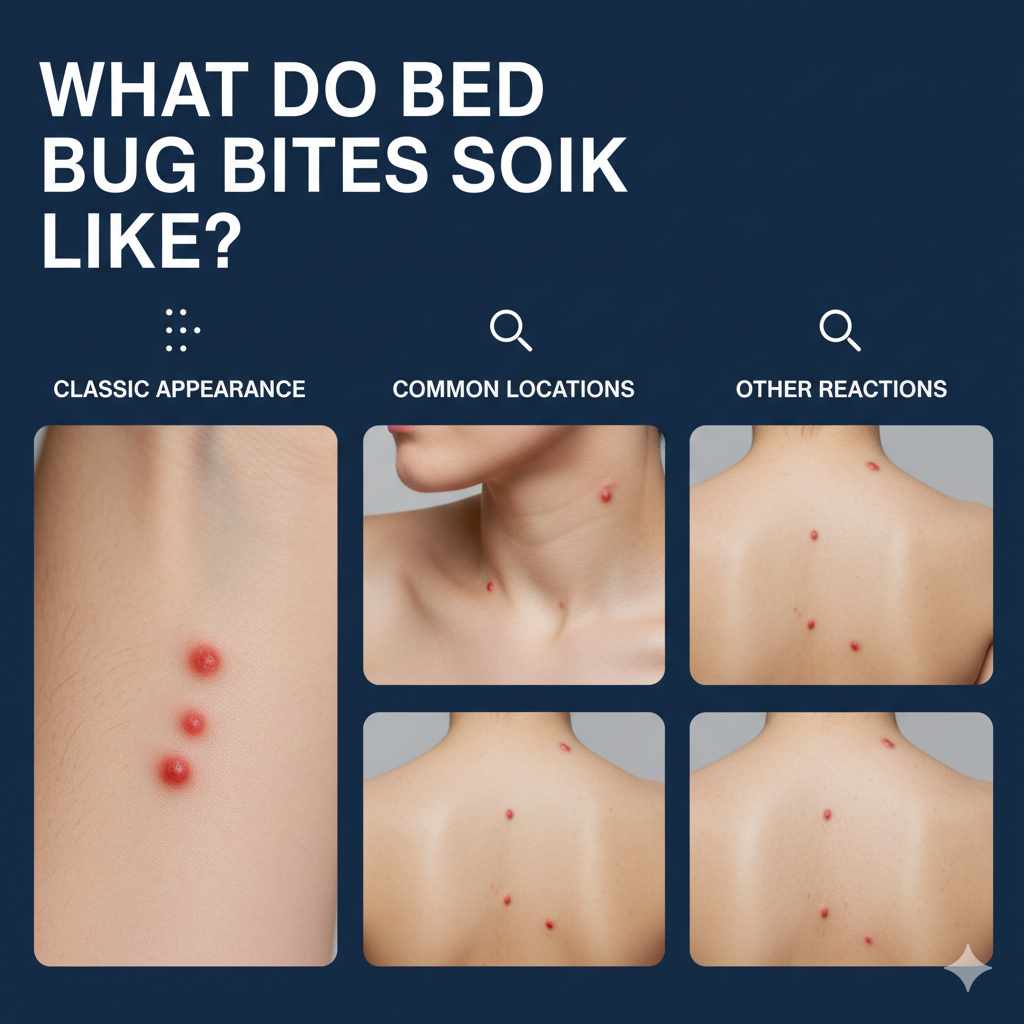
- Bites: Small, itchy red welts, usually in a line or zigzag pattern on exposed skin while sleeping.
- Fecal Spots: Tiny, rust-colored or black spots on sheets, pillowcases, or mattress seams—these are dried blood/feces.
- Shed Skins: You might find translucent, empty casings left behind as nymphs grow.
- Musty Odor: Heavily infested areas sometimes develop a sickly sweet or musty smell, often described as coriander or almonds.
Controlling Both Pests: Separate Strategies Needed
Since mice won’t manage the bed bug population, you need to implement targeted, safe strategies for both. As a DIY enthusiast, focusing on sealing and sanitation for mice, and heat/chemical treatment for bed bugs, is the best start.
Step-by-Step Guide to Managing Mice
Mice control focuses on exclusion (keeping them out) and sanitation (removing their food source).
- Inspect and Seal Entry Points: Find every gap larger than a dime. Mice can squeeze through tiny openings. Use steel wool, hardware cloth, or quality caulk to seal foundations, utility line entrances, and gaps under doors. Check roof vents too.
- Eliminate Food Sources: Store all dry goods (pet food, grains, snacks) in thick plastic or metal airtight containers. Clean up all crumbs immediately, especially under appliances.
- Use Traps Safely: Snap traps are very effective and humane if used correctly. Place them perpendicular to walls where mice run. For beginners, consider using enclosed bait stations if you have pets or small children, though snap traps are often faster.
- Remove Clutter: Mice love clutter (cardboard boxes, piles of newspapers) for nesting material. Keep storage areas tidy.
Safety Note: When dealing with rodents, always wear gloves when handling traps or droppings. Rodent waste can carry viruses. For safe disposal, lightly spray droppings with a bleach solution, let it sit, and wipe up with a paper towel, then seal the towel in a plastic bag.
Step-by-Step Guide to Managing Bed Bugs
Bed bug treatment requires precision because they hide so well, often relying on high heat for effective eradication.
- Strip and Wash Bedding: Immediately strip all sheets, pillowcases, and even curtain dust ruffles. Wash them in the hottest water cycle possible (over 120°F or 49°C is crucial) and dry them on the highest heat setting for at least 30 minutes. This heat kills all life stages.
- Vacuum Thoroughly: Use a powerful vacuum with a crevice tool. Systematically vacuum the mattress seams, box spring, bed frame, carpets around the bed, and upholstered furniture. Immediately seal the vacuum bag in a plastic bag and place it outside in the trash.
- Encase Mattresses and Box Springs: Purchase high-quality, certified bed bug-proof encasements for your mattress and box spring. These trap any remaining bugs inside, starving them out over time.
- Apply Residual Treatment: Use EPA-approved, labeled residual insecticides specifically designed for bed bugs where allowed (e.g., cracks, crevices around baseboards, behind headboards). Always follow label directions precisely. A product review from a reputable environmental science source can help you choose the right chemical tool.
- Consider Professional Heat Treatment: For severe infestations, professional heat treatment (raising the room temperature significantly) is often the most effective, though costly, method, especially for items like furniture that cannot be easily washed or treated chemically.
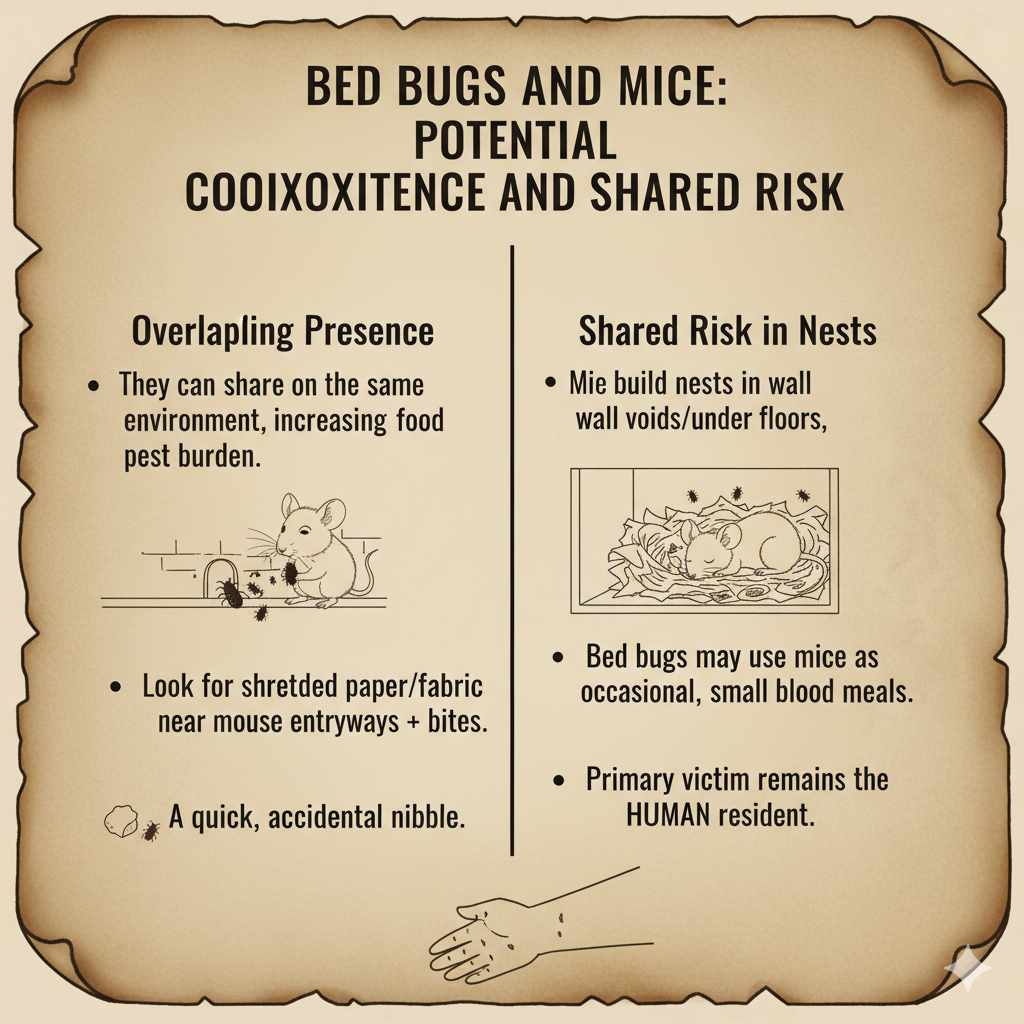
Bed Bugs and Mice: Potential Coexistence and Shared Risk
While one won’t eat the other reliably, mice and bed bugs can absolutely share the same environment. This overlapping presence simply increases the overall pest burden in your home.
If you see bedding material (like shredded paper or fabric) near a mouse entryway, and you also have bites, it could mean mice are nesting near where bed bugs are hiding. Mice often build warm nests in wall voids or under floors. If bed bugs find a way into the wall void, they may find the mice nesting there useful as occasional, small blood meals, though the primary victim remains the human resident.
The Bed Bug Lifecycle vs Mouse Lifecycle
Understanding the speed of reproduction highlights why DIY predator control fails:
| Factor | Bed Bugs | House Mice |
|---|---|---|
| Reproductive Rate | A female lays 1–5 eggs per day. | A female can have 5–10 litters per year. |
| Time to Maturity | About 5–8 weeks under ideal conditions. | About 6–8 weeks. |
| Primary Impact | Annoyance, skin irritation, sleeplessness. | Property damage, contamination of food/surfaces. |
The short time frame for bed bugs to mature means that unchecked populations grow exponentially faster than a small, manageable mouse population would typically allow for control.
FAQs for the Everyday Homeowner
Q1: If mice are present, does that attract bed bugs?
A: No, mice do not actively attract bed bugs. Bed bugs seek out warm-blooded hosts, mainly humans. However, if mice are nesting in the walls or under floors, and bed bugs get into that area, the mice might occasionally be fed upon, but they aren’t the primary draw for bed bugs.
Q2: If I see a mouse eating a bed bug, should I stop setting mouse traps?
A: Absolutely not. Catching and removing the mouse is still necessary because mice cause structural damage and spread disease. Seeing one mouse eat one bug is just a rare observation, not a sustainable pest control solution for your bed bug problem.
Q3: Are bed bug bites worse than a mouse problem?
A: They create different problems. Mouse contamination is a widespread sanitation and health risk (disease spread). Bed bug bites cause direct physical reactions (itching, allergic responses) and severe sleep disruption, which affects overall health.
Q4: Do bed bugs get eaten by other common household bugs (like cockroaches)?
A: Yes, cockroaches, especially larger wild species, will eat bed bugs if they find them. Similar to mice, relying on roaches for elimination is risky because roaches are pests themselves and prefer easier foods.
Q5: What part of the bed bug would attract a mouse most?
A: If a bed bug is completely engorged with a blood meal, the blood might be attractive to a mouse as a quick, liquid protein source. However, a live, unfed bed bug is less appealing.
Q6: If I clean up my house perfectly, will eliminating mouse food sources also help with bed bugs?
A: Cleaning up mouse food sources (sanitation) is crucial for managing mice. For bed bugs, sanitation (washing bedding, reducing clutter) helps expose them to treatments, but it doesn’t kill them effectively on its own. Bed bugs only need blood, not your crumbs.
The Takeaway: Effective Pest Control Requires Specific Tools
It’s comforting to think that nature might sort out one pest problem while you focus on another. Unfortunately, that’s not how it works inside a home. Mice are not reliable predators of bed bugs, and bed bugs are not a food source that can meaningfully support or reduce a mouse population. At best, a mouse might eat a bed bug by chance. At worst, you end up with two infestations instead of one.
The reality is simple: each pest follows its own survival strategy. Mice are opportunistic foragers seeking high-calorie, easy-access food. Bed bugs, scientifically known as Cimex lectularius, are specialized blood-feeding parasites that hide close to sleeping hosts. Their paths may cross, but not in a way that benefits you.
If you’re facing both problems, the solution isn’t to hope one eliminates the other — it’s to address each directly and strategically.