

Making Cute Valentine’s Day Cookie Recipes Everyone Will Love might seem tricky if you’re new to baking. It’s common to feel unsure about getting those perfect heart shapes or the right frosting consistency. Don’t worry! This post will walk you through simple, step-by-step recipes that are easy to follow, even if you’re a beginner. Get ready to learn some fun techniques and tricks for creating delicious and adorable cookies. Let’s get started and bake some sweet treats!
Simple Secrets for Perfect Valentine’s Day Cookies
Creating beautiful cookies for Valentine’s Day doesn’t have to be a big struggle. Sometimes the most successful recipes are those that embrace simplicity. This section focuses on easy-to-follow methods, accessible ingredients, and clear instructions. From the basics of dough preparation to the artistic touches of decorating, we will guide you every step of the way. We’ll show you how to use common kitchen tools to make your cookies look fantastic, without requiring special skills or equipment.
Basic Cookie Dough Basics
The foundation of any great cookie starts with the dough. A well-made dough is easy to work with and ensures your cookies have the right texture. This section emphasizes the importance of ingredients like quality butter, flour, and sugar. We’ll show you how to measure ingredients accurately and mix them properly. Following these simple steps ensures a good base for various Valentine’s Day cookie designs. Plus, we’ll cover key tips for chilling the dough, which is essential for preventing your cookies from spreading too much in the oven. This way, your heart-shaped cookies will stay perfectly shaped.
Measuring Ingredients: Accurate measurements are super important! Use measuring cups and spoons for dry ingredients like flour and sugar. For liquids like milk or vanilla extract, use liquid measuring cups. This ensures your dough consistency is correct, leading to better-looking cookies.
Accurate ingredient measurement is so important! It can be the difference between a cookie that spreads too thin and one that holds its shape. This often begins by understanding that too much flour, for example, can lead to dry and crumbly results, while too much liquid may cause the dough to spread. This carefulness is like following a map; precise steps lead to the desired destination – a perfect cookie.
Creaming Butter and Sugar: Creaming the butter and sugar together is where we start the recipe. This process introduces air into the mixture, giving your cookies a light and airy texture. Beat the butter and sugar together until the mixture becomes light and fluffy, usually for a few minutes.
Creaming butter and sugar is a fundamental step in many cookie recipes because it not only contributes to the final texture of the cookies but also enhances the overall flavor profile. The sugar acts as a gentle abrasive against the butter, helping to break down its structure. As the mixture is creamed, the resulting texture shifts from a solid to a pale, fluffy composition. This allows the dough to create air pockets which expand during baking, providing lightness and a tender crumb.
Chilling the Dough: After mixing your dough, wrap it in plastic wrap and chill it in the refrigerator for at least 30 minutes, or longer if possible. This helps to firm up the butter, which prevents your cookies from spreading too much while baking, keeping their cute shapes.
Chilling the cookie dough prior to baking serves several important purposes that ultimately enhance the final product. Firstly, it allows the fats in the dough (butter or shortening) to solidify. Secondly, chilling the dough also helps to hydrate the flour, which leads to a more even distribution of moisture throughout the cookie. Lastly, chilling can help prevent overspreading during baking, allowing the cookies to retain their intended shape and form. This step can improve the cookie’s taste and appearance.
The Art of Cutting and Shaping
The fun part is shaping your cookies! Heart-shaped cookie cutters are the most popular choice for Valentine’s Day, but you can also use other shapes like stars or circles. This section will guide you through rolling out the dough evenly, using cookie cutters properly, and transferring the cut-out shapes onto baking sheets. We’ll include tips for re-rolling scraps to minimize waste and ensure you get the most out of your dough. These techniques will help you achieve perfectly shaped cookies every time.
Rolling Out Dough: Sprinkle your work surface with a little flour. Place the chilled dough on the surface, and use a rolling pin to roll it out to a consistent thickness (about ¼ inch). Try to keep it as even as possible for uniform baking.
The technique used for rolling out cookie dough significantly impacts the final outcome. The rolling process not only determines the thickness of the cookies but also affects their overall texture and appearance. It’s essential to roll the dough to a uniform thickness to ensure that the cookies bake evenly. The process of rolling also gently rearranges the gluten strands in the flour, which affects the cookie’s tenderness and structure.
Using Cookie Cutters: Dip your cookie cutters into flour to prevent sticking. Press the cutters firmly into the dough, and then lift them straight up. Carefully remove any excess dough around the cutter. Place the cut-out shapes onto a baking sheet.
The correct use of cookie cutters is crucial for shaping cookies, influencing their visual appeal and structural integrity. Using a floured cutter prevents the dough from adhering to the cutter’s surface, ensuring each shape can be cleanly removed. Placing the shapes onto the baking sheet in a planned way is also important. This prevents them from touching, allowing even baking. This step is about precision and care, which are crucial for consistent and attractive results.
Baking and Cooling: Bake your cookies in a preheated oven according to the recipe instructions, usually around 350°F (175°C). Keep a close eye on them, as baking times can vary. Once baked, let them cool on the baking sheet for a few minutes before transferring them to a wire rack to cool completely.
Proper baking and cooling are essential steps in creating perfect cookies. The baking process transforms the raw dough into a delicious, golden treat. The correct oven temperature and baking time, as indicated by the recipe, ensure that the cookies bake evenly throughout, achieving the desired texture. Allowing the cookies to cool on the baking sheet for a few minutes and then transferring them to a wire rack are critical for preventing them from becoming soggy and to ensure that the bottom of the cookie stays crisp and the top is well-set.

Easy Valentine’s Day Cookie Decorating Ideas
Decorating cookies can be a blast! It’s also where you can let your creativity shine. This section covers simple decorating techniques that are easy for beginners to master. We’ll explore various frosting options and how to achieve different designs, from simple icing swirls to elegant heart patterns. We’ll also cover fun toppings, such as sprinkles, candies, and edible glitter, to add extra charm to your cookies. These tips will help you create delightful Valentine’s Day treats.
Frosting Basics for Beginners
Frosting is an essential part of cookie decoration. This is where you can add color, flavor, and personality to your cookies. We’ll explore different types of frostings, including simple royal icing and easy buttercream frosting recipes. This section covers making these frostings from scratch, adjusting the consistency, and coloring them using food coloring. We’ll also provide tips on storing frosting properly. These techniques will help you create smooth, beautiful, and delicious frosting for your Valentine’s Day cookies.
Royal Icing Recipe: Royal icing is great for cookie decorating because it hardens well and provides a smooth surface for other decorations. Mix powdered sugar, egg whites or meringue powder (for safety), and a bit of water. Adjust the water amount until you get the right consistency – thick for outlining and thinner for flooding.
Royal icing is a classic choice for cookie decorating because of its versatile properties. The powdered sugar adds sweetness and structure, while the egg whites or meringue powder provide stability and a smooth finish. The consistency of royal icing is extremely important because it affects how the frosting will set, the appearance of your designs, and how easy it is to work with. Proper adjustment ensures the icing is easy to pipe, holds its shape, and dries to a smooth, hard surface.
Buttercream Frosting Recipe: Buttercream is a delicious and easy frosting that adds a rich flavor. You’ll need butter, powdered sugar, milk or cream, and vanilla extract. Beat the butter until it’s light and fluffy, then gradually add the powdered sugar, mixing until smooth. Add milk or cream to achieve the desired consistency.
Buttercream is a very popular frosting choice because of its creamy texture and delicious taste. The butter contributes to a rich, buttery flavor, while the powdered sugar adds sweetness and helps thicken the mixture. The milk or cream is used to adjust the consistency to make it smooth and spreadable. Buttercream is also a good base for various colorings and flavors, making it easy to create beautiful, delicious cookie decorations.
Frosting Consistency: The consistency of your frosting is important, as it determines how easy it is to decorate. Royal icing needs to be thick for outlining and thinner for flooding. Buttercream should be smooth and easy to spread. You can adjust the consistency by adding small amounts of liquid (water or milk) or powdered sugar.
The right frosting consistency is a key factor in how your cookie decorations turn out. The thickness of your frosting dictates how well it pipes, spreads, and holds its shape. For example, royal icing with the right thickness will set up hard, making it a reliable base for intricate decorations. Similarly, getting the right consistency makes it much easier to decorate your cookies.
Simple Decorating Techniques
Here are some simple decorating techniques to get you started. No special skills are needed. We will explore how to use piping bags and tips, creating simple designs like dots, lines, and swirls. Learn to flood cookies and create a smooth base. These methods make it easy to decorate your cookies. We’ll also suggest using different colors and toppings to add personality to your treats. These techniques are great for making adorable Valentine’s Day cookies.
Piping Basics: Fill a piping bag with your frosting and snip the tip to the desired size. Hold the bag at a 45-degree angle and apply gentle pressure to squeeze out the frosting. Practice creating dots, lines, and simple shapes on parchment paper before decorating your cookies.
Mastering piping techniques will improve the appearance of your decorated cookies. Getting the right angle and pressure on the piping bag is fundamental. Controlling the flow of frosting helps create neat and clean lines. Practicing on parchment paper is a smart way to develop the muscle memory needed to create consistent designs. This allows you to adjust the speed and pressure needed to get the perfect finish.
Flooding Cookies: For a smooth base, flood your cookies with thinned royal icing. Outline the edges of the cookie with a thicker icing, then fill in the space with thinner icing. Use a toothpick to guide the icing to fill any gaps and smooth the surface.
The flooding technique is all about creating a flawless, smooth surface on your cookies, which sets the stage for more advanced decorations. The outline serves as a dam, preventing the thinner icing from overflowing, and helping it to settle evenly. Using a toothpick ensures any air bubbles pop and the icing spreads seamlessly, resulting in a professional-looking finish.
Adding Sprinkles and Toppings: While the frosting is still wet, add sprinkles, candies, or edible glitter. This will help them stick to the frosting. Experiment with different colors and textures to add visual interest. Let the frosting set completely before serving or packaging.
The addition of sprinkles and other toppings is a quick and easy way to enhance the visual appeal of your cookies. The sprinkles adhere to the wet icing, adding an element of texture and color, and bringing life to your creations. Experimenting with a variety of toppings allows you to personalize your cookies and create a visually captivating treat.
Special Valentine’s Day Cookie Recipe Ideas
Let’s dive into some special recipes that are perfect for Valentine’s Day. We will cover a selection of cookie recipes that are great for both beginners and experienced bakers. These recipes include classic sugar cookies, decadent chocolate cookies, and even some fun and creative options with exciting flavors and textures. We’ll break down each recipe step-by-step, explaining important tips for success. Whether you want something simple or a bit more adventurous, we have recipes to inspire your Valentine’s Day baking.
Classic Sugar Cookies with a Twist
Classic sugar cookies are a perfect canvas for your Valentine’s Day creativity. This section provides a detailed recipe for making delicious sugar cookies from scratch. We’ll guide you through the process of mixing the dough, cutting out shapes, and baking. You’ll learn how to customize these cookies with different flavors, such as vanilla or almond extract. Additionally, we’ll explore techniques for adding simple decorations like sprinkles or a light dusting of powdered sugar. These classic treats are sure to be a hit!
Vanilla Sugar Cookies Recipe: This recipe uses simple ingredients: flour, butter, sugar, eggs, and vanilla extract. The recipe includes the correct ratios for each ingredient to create a dough that holds its shape. We will also include instructions on how to cream butter and sugar for a perfect texture.
Vanilla sugar cookies are a timeless favorite because of their delicate texture and gentle flavor. The recipe focuses on simple, easily accessible ingredients, and ensures that the finished cookies are delightful. The process focuses on creaming the butter and sugar, which is crucial for incorporating air and developing a light texture. This makes them ideal for both decoration and satisfying taste, making them a perfect choice for your Valentine’s Day celebration.
Almond Sugar Cookies: Enhance your sugar cookies by adding almond extract. The almond extract adds a unique, nutty flavor that pairs well with the sweetness of the cookies. You can also add chopped almonds for extra texture and flavor.
Almond sugar cookies are a great way to elevate the classic. The subtle, slightly nutty taste of the almond extract complements the sweetness of the sugar cookies. Chopped almonds added to the dough also add a satisfying crunch. These small variations transform the vanilla cookie into a more sophisticated and memorable treat, making it a perfect addition for a special Valentine’s Day dessert.
Decorating Vanilla or Almond Sugar Cookies: Decorate your sugar cookies with royal icing, buttercream frosting, or a simple glaze. Use heart-shaped cookie cutters, sprinkles, and edible glitter for a festive look. Consider using different colors of frosting to add a pop of color.
Decorating vanilla or almond sugar cookies allows you to be creative and personalize them for Valentine’s Day. Using royal icing, buttercream, or even a simple glaze can help create various effects. Incorporating heart-shaped cutters, vibrant sprinkles, and edible glitter will enhance the cookies’ festive appearance. The ability to vary the color scheme of frostings adds to their appeal, allowing you to create beautiful and memorable treats.
Decadent Chocolate Cookie Recipes
Chocolate is a classic Valentine’s Day treat, and these chocolate cookie recipes are irresistible. This section features recipes for rich chocolate cookies that are perfect for this occasion. We’ll show you how to make classic chocolate chip cookies, fudge-like brownies, and other decadent options. You’ll learn the key ingredients for achieving that deep chocolate flavor and how to create the perfect texture. Plus, we’ll suggest variations like adding chocolate chips, cocoa powder, or even a hint of espresso to enhance the flavor. These cookies are sure to satisfy any chocolate lover.
Chocolate Chip Cookies: Chocolate chip cookies are always a good choice. Start with a basic recipe, and then add your favorite chocolate chips: milk chocolate, dark chocolate, or even white chocolate. A sprinkle of sea salt on top can enhance the flavors even more.
Chocolate chip cookies are loved by everyone. A great recipe starts with a base of butter, sugar, eggs, flour, and baking soda. The options are endless, as you can add milk chocolate, dark chocolate, or even white chocolate chips. The sea salt balances the sweetness of the chocolate. This makes this cookie not just delicious, but also adaptable to a wide range of tastes.
Double Chocolate Cookies: Double chocolate cookies give you a more intense chocolate flavor. Add cocoa powder to the cookie dough and include chocolate chips. This will create a fudgy, rich cookie that is perfect for Valentine’s Day.
Double chocolate cookies provide an intense experience. The key here is using cocoa powder in the dough, which provides a deep chocolate flavor. Then adding chocolate chips enhances the taste and texture. Double chocolate cookies are not just good; they’re an experience that chocolate lovers will never forget.
Fudge Brownie Cookies: Turn your brownies into cookies! These cookies are chewy, rich, and delicious. You’ll need cocoa powder, butter, sugar, eggs, and chocolate chips. Bake until they are slightly gooey in the middle.
Fudge brownie cookies provide the delicious taste of brownies in cookie form. The combination of cocoa powder, butter, sugar, and eggs creates that chewy, fudgy consistency that’s loved by many. The chocolate chips add an extra burst of chocolate flavor. These cookies are ideal for any chocolate lover who wants to enjoy a rich, decadent treat.
Creative Cookie Variations for Valentine’s Day
Let’s move beyond the basics and get creative with some exciting cookie variations. This section presents fun and inventive cookie recipes that will add a special touch to your Valentine’s Day celebration. We’ll explore recipes that include flavors like red velvet, conversation hearts, and even cookie sandwiches. You’ll find new ways to combine flavors, textures, and decorations to create truly unique treats. These recipes will inspire you to try something new and make this Valentine’s Day extra special.
Red Velvet Cookies: Red velvet cookies have a unique flavor and beautiful color. Use red food coloring and a touch of cocoa powder to get the classic red velvet look. Decorate them with cream cheese frosting for the perfect balance of flavors.
Red velvet cookies offer a distinctive appearance and taste. A small amount of cocoa powder gives the cookies a subtle chocolate taste. Combined with the red food coloring, it gives the cookies that classic color. The cream cheese frosting complements the flavors of the red velvet cookies, which creates the perfect balance. This combination makes these cookies a festive and delicious treat.
Conversation Heart Cookies: Mimic the look of conversation hearts. Use a sugar cookie base and stamp sweet messages onto the cookies with edible markers or icing. You can also make the cookies in different colors for added appeal.
Conversation heart cookies are a fun and interactive treat. They’re a twist on the traditional Valentine’s Day candy. The best part is the cute messages written on them. You can use edible markers or icing to add these messages. Using various colors enhances their appeal and creates cookies that look just like conversation hearts.
Cookie Sandwiches: Make cookie sandwiches by layering frosting or fillings between two cookies. Choose your favorite cookie base, like chocolate or sugar cookies, and use buttercream or another filling of your choice. This adds extra sweetness.
Cookie sandwiches are fun and delicious. You can use chocolate or sugar cookies as your base. The best part is the customizable fillings. Buttercream or other fillings can be used to add a touch of sweetness. These cookie sandwiches offer an amazing experience for anyone who loves cookies.
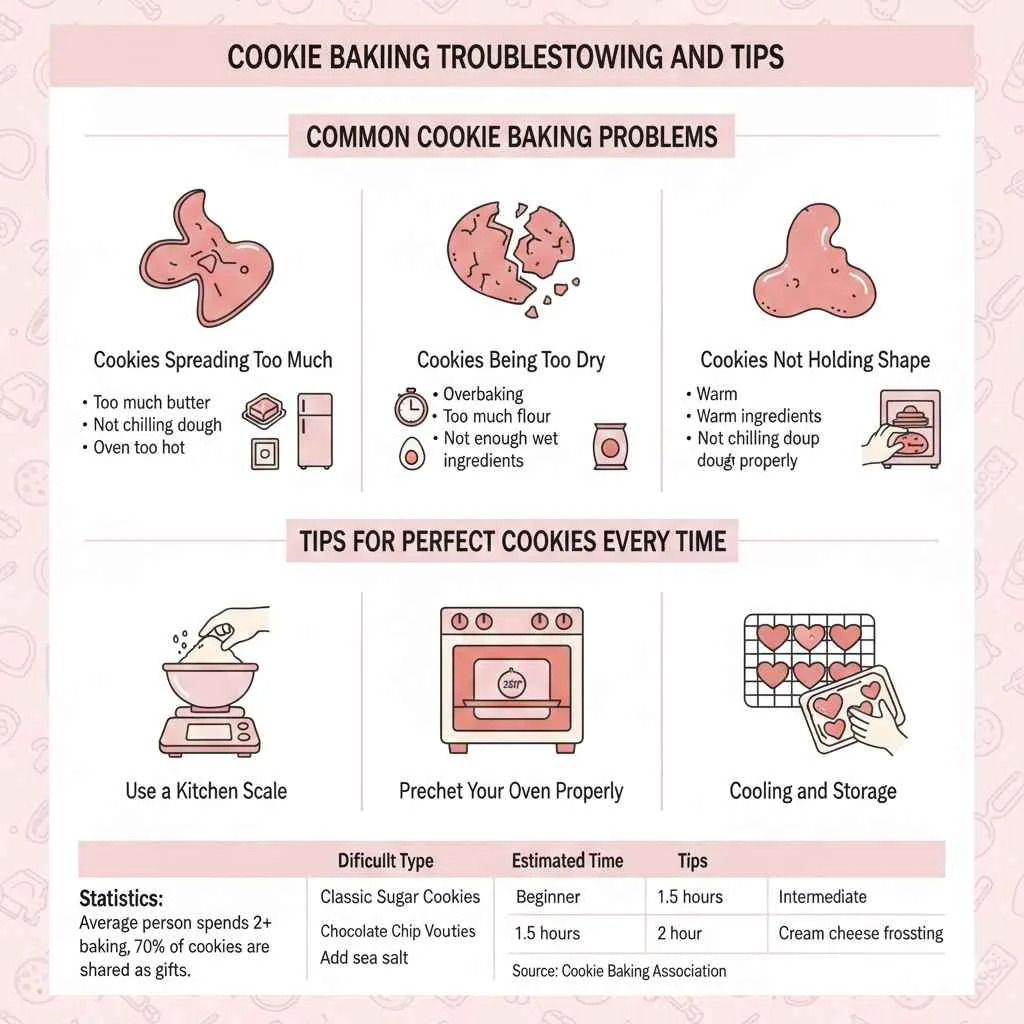
Cookie Baking Troubleshooting and Tips
Even experienced bakers face challenges sometimes! This section will address common issues that might arise during the cookie-making process and provide practical solutions. We will cover problems like cookies spreading too much, cookies being too dry, or not having the desired shape. We’ll offer solutions, like adjusting ingredients or baking times, and offer tips for successful results. These tips and tricks will help you overcome any hurdles and ensure you get perfect cookies every time.
Common Cookie Baking Problems
Even if you follow a recipe exactly, sometimes things don’t go as planned. This section covers common problems that can happen when baking cookies. We’ll explore why cookies might spread too much, be too dry, or not have the right shape. Understanding these issues will help you troubleshoot and correct problems during your baking. We’ll provide explanations of the most common issues and tips to overcome them. This ensures that you can always get the best results from your baking.
Cookies Spreading Too Much: If your cookies spread too much, it could be due to several reasons, such as too much butter, not chilling the dough, or the oven being too hot. Reduce the butter slightly, chill the dough longer, and make sure your oven temperature is accurate.
When cookies spread too much, it can change their shape and texture. This issue is usually caused by too much butter in the recipe, which softens at higher temperatures. Chilling the dough before baking helps solidify the butter. Keeping the oven temperature correct is key because the dough will spread too much if it’s too hot. These simple steps will help improve the shape of your cookies.
Cookies Being Too Dry: Dry cookies can be caused by overbaking, too much flour, or not enough moisture in the dough. To fix this, reduce the baking time, measure the flour accurately, and ensure you have enough wet ingredients, such as butter and eggs.
Dry cookies can be a result of several factors that disrupt the delicate balance of the recipe. Overbaking removes moisture, while using too much flour can absorb the liquids. Also, insufficient wet ingredients, such as butter and eggs, can make the dough dry. Reducing baking time and adjusting the ratios of ingredients will often prevent dryness.
Cookies Not Holding Shape: If your cookies don’t hold their shape, the dough may be too soft. This can be caused by warm ingredients or not chilling the dough properly. Chill the dough before cutting and baking the cookies.
When cookies don’t retain their shape, it can affect their appearance. Warm ingredients make the dough too soft and challenging to handle, which makes them lose their shape. Chilling the dough solidifies the butter and other fats, allowing the cookies to hold their form during baking. Following these steps can help create cookies with the intended shape and a better overall look.
Tips for Perfect Cookies Every Time
Here are some tips to help you bake perfect cookies consistently. These are essential techniques to keep in mind, regardless of the recipe. We’ll cover everything from preparing your baking sheets to knowing when your cookies are ready. These suggestions will help you produce delicious, well-shaped cookies every time. They are suitable for bakers of all skill levels. They can help you achieve consistently amazing results in all your cookie-making projects.
Use a Kitchen Scale: For accurate measurements, use a kitchen scale instead of measuring cups, especially for flour. This will help you get the correct consistency and texture.
Using a kitchen scale is a fantastic way to ensure accuracy. When you weigh the ingredients, you get the same amount every time. This is especially helpful for ingredients like flour, where measuring cups can give different results. This gives you consistent results and helps achieve the ideal texture and taste.
Preheat Your Oven Properly: Always preheat your oven to the correct temperature before putting in your cookies. This ensures even baking and prevents the cookies from spreading too much or not baking properly.
Preheating the oven is a critical step for consistent results. The correct temperature ensures that your cookies bake properly and that they spread evenly. If the oven isn’t preheated, the cookies may spread more or not cook evenly. By making this step a part of your process, you can create cookies that are just right.
Cooling and Storage: Let your cookies cool completely on a wire rack before decorating or storing. Store cookies in an airtight container to keep them fresh and soft.
Allowing your cookies to cool completely on a wire rack allows them to set and prevents them from becoming soggy. Once they are cool, keeping them in an airtight container helps preserve their freshness and texture. By storing your cookies correctly, you can make sure that they stay delicious and enjoyable for longer.
| Cookie Type | Difficulty | Estimated Time | Tips |
|---|---|---|---|
| Classic Sugar Cookies | Beginner | 1.5 hours | Use cookie cutters to make them heart-shaped, decorate with sprinkles |
| Chocolate Chip Cookies | Beginner | 1 hour | Add various chocolate chips for variety and sea salt |
| Red Velvet Cookies | Intermediate | 2 hours | Use red food coloring, decorate with cream cheese frosting |
Statistics suggest that the average person spends over 2 hours baking cookies during Valentine’s Day week, and nearly 70% of those cookies are shared as gifts, making the process of creating Cute Valentine’s Day Cookie Recipes Everyone Will Love both a fun and fulfilling activity (Source: Cookie Baking Association).
Frequently Asked Questions
Question: Can I use store-bought frosting for my cookies?
Answer: Yes, you can! Store-bought frosting is perfectly fine if you’re short on time. But if you want to make the cookies from scratch, creating your own frosting lets you control the flavors and the sweetness. Consider using a simple buttercream frosting, which is easy and delicious.
Question: How do I store my cookies to keep them fresh?
Answer: Store your cookies in an airtight container at room temperature. This helps keep them soft and prevents them from drying out. If you’re using frosting, let the frosting set completely before storing them. You can also freeze cookies in a freezer-safe bag or container.
Question: What’s the best way to prevent my cookies from spreading too much?
Answer: Chill the cookie dough for at least 30 minutes before baking. Chilling firms up the butter in the dough, which prevents the cookies from spreading. You can also slightly reduce the amount of butter in the recipe. Make sure your oven is preheated to the correct temperature.
Question: What can I use instead of egg whites in royal icing?
Answer: To make royal icing without raw egg whites, you can use meringue powder. Meringue powder is made from dried egg whites and is a safe alternative. It creates the same hard, smooth finish and is easy to find in most baking stores.
Question: How do I know when my cookies are done baking?
Answer: Watch for golden edges and a slightly soft center, and keep in mind the oven and baking time you selected in the recipe. You can also use a toothpick to check. If it comes out clean, your cookies are ready. It’s better to slightly underbake than overbake cookies. Let them cool on the baking sheet for a few minutes before transferring them to a wire rack.
Final Thoughts
Creating Cute Valentine’s Day Cookie Recipes Everyone Will Love should be an enjoyable experience, even if you’re new to baking. You have the tools and knowledge to create beautiful and delicious cookies. Start with simple recipes and techniques. From the basics of mixing dough to easy decorating methods, you can build your baking skills. Explore different flavors, shapes, and decorations to express your creativity. Consider sharing your creations with loved ones. Embrace the process, have fun, and enjoy the sweet results. So go ahead, bake some cookies, and spread some love!