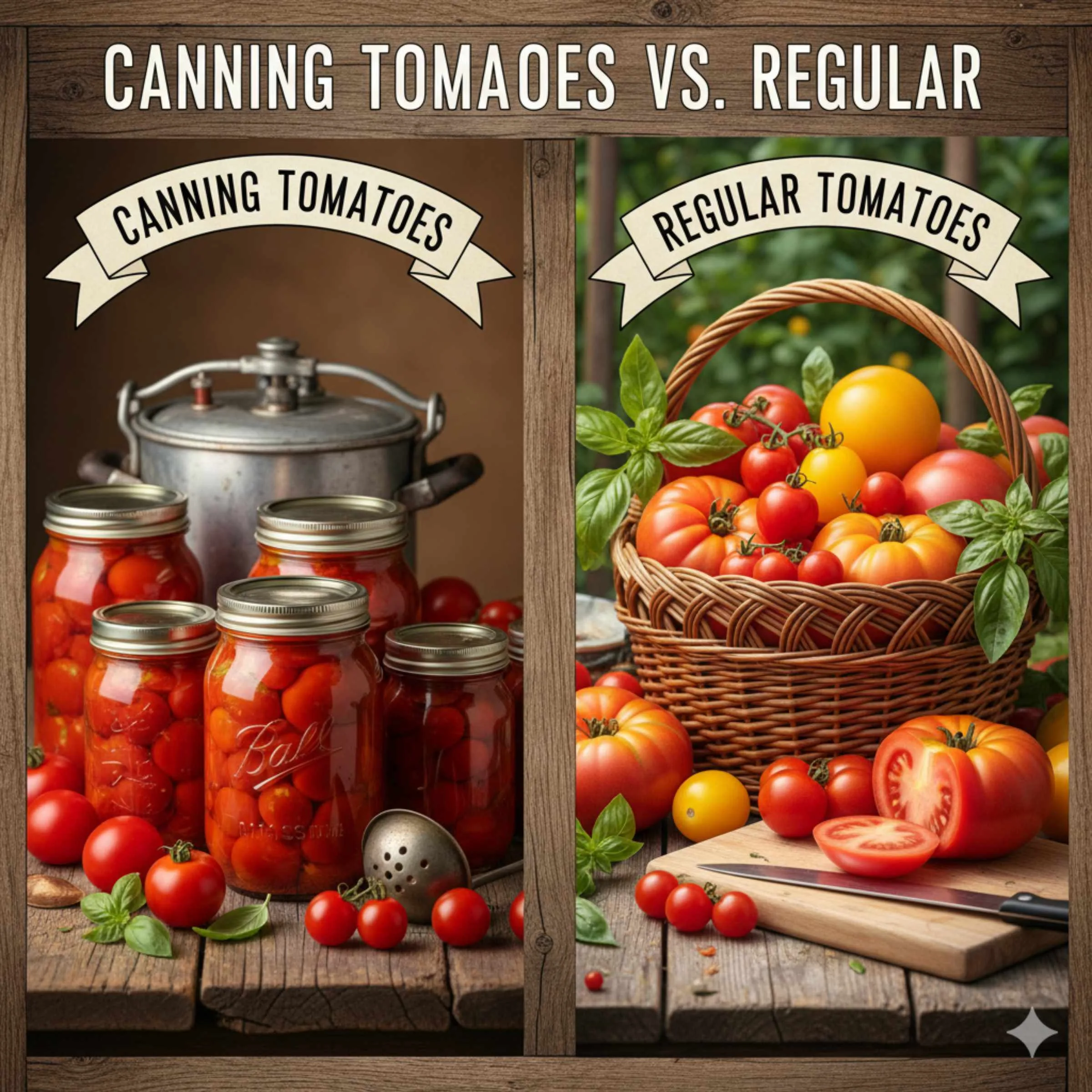
Canning tomatoes vs. regular tomatoes means choosing between shelf-stable, preserved food created via a scientific heat process (canning) or fresh, ready-to-eat produce (regular). Canning ensures safety and long-term storage but changes texture, while fresh maximizes flavor and nutrition right now.
Hey there! I’m Dustin Hall, and if you’ve ever stood in front of the canning aisle trying to figure out what the fuss is all about, you are not alone. It seems confusing when you compare a fresh tomato picked from the garden to that neat little can of diced goodness. Is one better? Are they even the same thing? Getting this wrong can lead to wasted money or, worse, a disappointing meal. Don’t worry! We’re going to break down the simple, proven essentials of canning versus keeping things regular. We’ll look at safety, flavor, and how each one works best for your kitchen projects. By the end of this guide, you’ll know exactly which one to grab every time.
Understanding the Basics: Canning vs Fresh Tomatoes
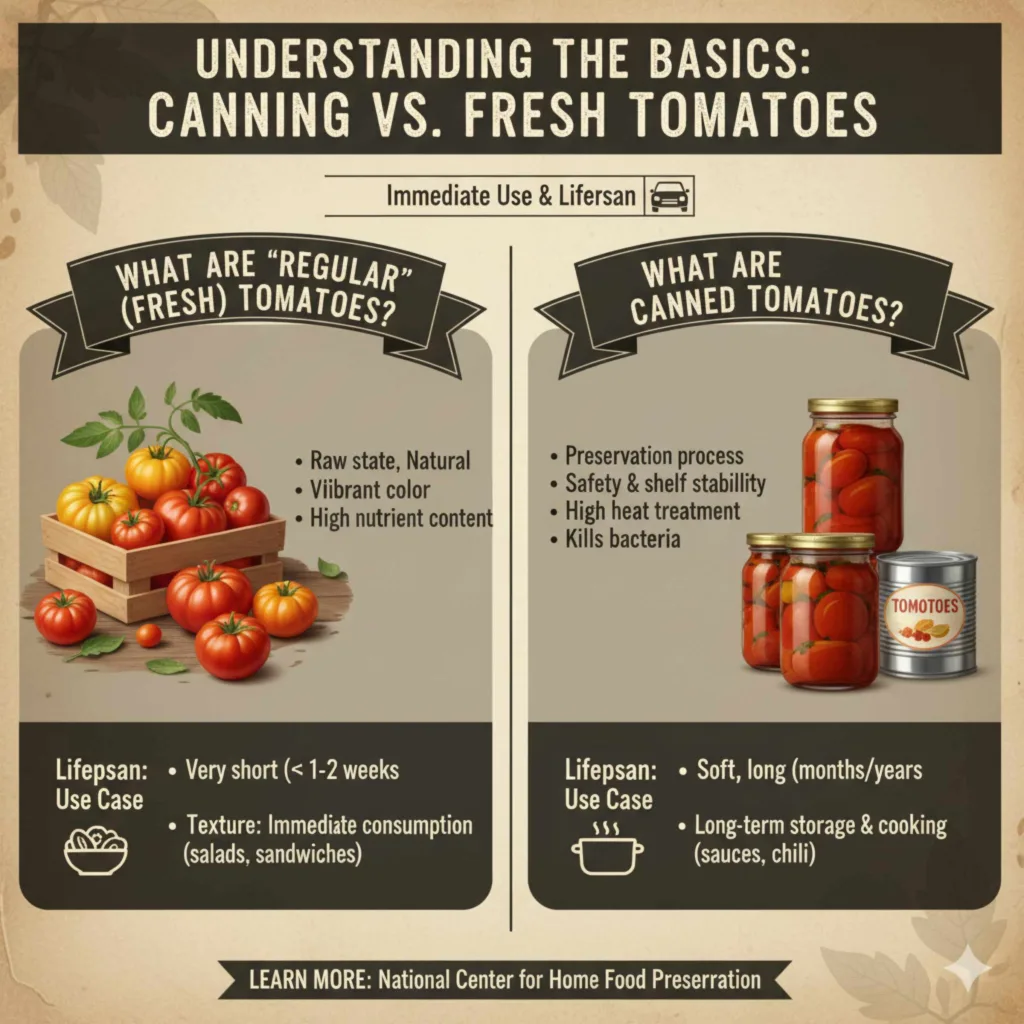
To really get the difference between canning tomatoes and regular tomatoes, let’s start with the basics of what each one actually is. Think of it like comparing driving a car off the lot versus keeping it in the garage—both are cars, but their immediate use and lifespan are totally different.
What Are “Regular” (Fresh) Tomatoes?
When we say “regular tomatoes,” we mean tomatoes that are fresh. They might have been bought at the grocery store, picked from your backyard garden, or grabbed from a farmer’s market yesterday.
These tomatoes are raw. They have their natural texture, vibrant color, and the highest possible nutrient content they will ever have. They are perfect for salads, sandwiches, or eating plain.
Lifespan: Very short—usually less than a week on the counter, maybe two weeks in the fridge.
Texture: Firm, juicy, and slightly crisp (depending on the variety).
Use Case: Immediate consumption where texture matters most.
What Are Canned Tomatoes?
Canned tomatoes are tomatoes that have gone through a specific preservation process. This isn’t just putting them in a jar; it’s a controlled scientific method.
The primary goal of canning is safety and shelf stability. The tomatoes (whether whole, diced, stewed, or pureed) are sealed into an airtight container (a can or jar) and then subjected to high heat. This heat treatment kills harmful bacteria and molds that cause spoilage.
This process is essential for keeping food safe for months or even years without refrigeration. If you want to learn more about the specific food science behind canning safety, a great resource is the National Center for Home Food Preservation, run by university extension services.
The Core Difference: What’s the Difference Between Canning Tomatoes and Regular Tomatoes?
The most crucial difference boils down to three things: Processing, Shelf Life, and Texture.
1. The Processing Difference (Heat Treatment)
This is the biggest separator. Regular tomatoes skip the heating stage entirely. Canning tomatoes are subjected to intense heat.
For Home Canners: If you are doing this yourself, you must use a tested, safe recipe. For most low-acid vegetables and meats, this requires a pressure canner to reach temperatures high enough (above boiling point) to kill bacteria spores that cause botulism—a potentially fatal illness. Tomatoes are borderline acidic, so many home recipes still call for added acid (like lemon juice) and boiling water bath canning, but always follow tested guidelines from reliable sources like the National Center for Home Food Preservation for safety.
For Commercial Canners: Large factories use massive, precise equipment to ensure every can reaches the exact temperature needed for the exact time required.
2. Shelf Life vs Freshness
With fresh tomatoes, you are buying time. You need to eat them soon. Canned tomatoes are designed to last.
| Product Type | Typical Shelf Life | Storage Requirement | Best For |
| :— | :— | :— | :— |
| Fresh Tomato | 3–10 Days | Room temperature or refrigerator | Immediate use, fresh flavor |
| Canned Tomato | 1–5 Years | Cool, dark pantry | Cooking, bulk storage, emergencies |
3. Texture and Flavor Impact
Heat changes everything! When tomatoes are canned, the high heat breaks down the cell walls that give fresh tomatoes their structure.
Fresh: Firm, bright, tart flavor.
Canned: Soft, intensely concentrated flavor. The heat releases sugars and deepens the savory “umami” taste, but the texture is mushy compared to raw. This softness is intentional—it makes them perfect for dissolving into sauces.
When to Choose Fresh: The Flavor Advantage
If you are looking for pure, unadulterated tomato perfection, fresh is it. Choosing regular tomatoes gives you versatility in texture that canning simply destroys.
Best Uses for Fresh Tomatoes
We rely on fresh tomatoes when the structure and brightness are non-negotiable parts of the dish.
1. Salads and Cold Dishes: Think Caprese salad, bruschetta, or pico de gallo. If you use canned tomatoes here, the result will be watery and sad.
2. Sandwiches and Burgers: You need that satisfying slice! Canning produces mush that slides right off your bun.
3. Garnishes: When a bright, clean tomato look is needed, only fresh will do.
Selecting Top-Quality Fresh Tomatoes
Choosing a good fresh tomato is easy once you know what to feel for. This is just as important as knowing where to store your canned goods later!
Smell: A good tomato should smell earthy and sweet right near the stem end. If it smells like nothing, it probably tastes like nothing.
Feel: It should yield slightly to gentle pressure, like a ripe peach. Avoid rock-hard tomatoes or ones that feel mushy in spots.
Look: Deep, consistent color. Avoid tomatoes with significant cracks or soft spots where mold could start.
When to Choose Canned: The Efficiency Essential
Canning isn’t just about making food last forever; it’s about efficient, consistent cooking. Commercial canning locks in the peak flavor of summer tomatoes and makes them available year-round, regardless of weather or season.
Best Uses for Canned Tomatoes
Canned tomatoes excel where you are going to cook them down anyway. Their softer texture means they break down beautifully, thickening sauces naturally.
1. Pasta Sauces and Marinara: Canned whole tomatoes (especially San Marzano style, if available) break down perfectly into rich, velvety sauces.
2. Chili and Soups: Diced or crushed tomatoes blend seamlessly into the background, adding body and acidity without needing to chop or prep fresh veg.
3. Braising and Slow Cooking: When tomatoes are cooked low and slow for hours, the initial texture difference between fresh and canned disappears. Canned is often preferred because they soften much faster.
Understanding Canned Tomato Types
Not all cans are created equal. Recognizing the common types is key to successful cooking:
Whole Peeled: Often the highest quality tomatoes are canned whole. You crush them by hand while cooking, giving you control over texture.
Diced: These are pre-cut. Be aware that diced tomatoes often contain calcium chloride, a firming agent that keeps them from turning to complete mush during cooking.
Crushed: A middle ground between puree and diced. Great for standard weeknight sauces.
Puree/Paste: Very little water content; used primarily as a thickener and flavor base.
Safety First: Canning Process Differences
For those new to the topic, comparing the safety protocols is crucial. Handling home canning incorrectly is dangerous, but commercial canning eliminates that risk for the consumer.
Home Canning Safety Essentials
Home canning involves specific pH rules relating to acidity. Tomatoes are often borderline—some varieties are acidic enough, but many modern varieties are not reliably acidic enough to prevent botulism without help.
Key Safety Steps for Home Canning Tomatoes (Water Bath Method):
- Use Tested Recipes: Never deviate from recipes provided by USDA or university extensions (like those found at the National Center for Home Food Preservation).
- Add Acid: For every quart jar, you must add a specific amount of bottled lemon juice or citric acid, even if you think your tomatoes are acidic enough. This lowers the pH level to prevent bacterial growth.
- Proper Headspace: Ensure the correct space (usually 1/2 inch) is left between the top of the food and the jar rim for a proper seal.
- Processing Time: Process jars in a boiling water bath for the exact time specified in the recipe, accounting for altitude changes.
Commercial Canning: A Closed System
Commercially canned goods use industrial pressure equipment. After the food is sealed, the containers are heated to temperatures far exceeding boiling water (often around 240°F or 116°C) for precise durations, ensuring everything inside is sterile and safe to store at room temperature. This is a highly controlled, monitored, and certified process designed for maximum reliability.
Weight, Price, and Nutrition Comparison
Let’s look at the practical side—what are you paying for, and what are you getting when you compare raw weight to a can?
Weight and Yield
When you buy fresh, you are paying for the whole tomato, including skin, core, and seeds. When you buy canned, you are usually paying for prepared, often peeled, fruit, usually mixed with liquid (water, puree, or juice).
General Rule of Thumb for Home Processing:
14.5 pounds of tomatoes yields about 7 quarts of canned tomatoes.
Nutritional Snapshot
Canning does reduce some heat-sensitive vitamins, but it can dramatically increase the availability of others, particularly lycopene.
| Nutrient Factor | Fresh Tomato | Canned Tomato | Why the Difference? |
| :— | :— | :— | :— |
| Vitamin C | Higher | Lower | Vitamin C is easily destroyed by heat. |
| Lycopene (Antioxidant) | Lower Bioavailability | Higher Bioavailability | Heat processing breaks down cell walls, making lycopene easier for your body to absorb. |
| Sodium | None (unless added) | Can be high | Commercial cans often add salt for flavor/preservation. |
| Fiber | Present | Present (but softer) | Cooking softens fiber but doesn’t destroy it. |
If your goal is to get a strong dose of health-boosting lycopene—especially for cooking—canned tomatoes might actually offer a nutritional edge over a store-bought fresh tomato that traveled a long distance.
Practical Tips for Choosing and Storing
Whether you opt for ready-to-eat freshness or long-term storage, how you handle them matters for quality and safety. Think of this like proper oil changes—it maximizes the life and performance of your purchase!
Handling Fresh Tomatoes
1. Don’t Refrigerate Immediately: Cold temperatures dull the flavor of fresh tomatoes. Keep them on the counter, stem-side down, until they are perfectly ripe or you plan to eat them within a day or two.
2. Inspect Before Buying: Never buy cracked or bruised tomatoes if you plan to eat them later in the week. They spoil quickly.
3. Use Quickly: The moment you see soft spots or slight wrinkling, move them to the fridge to slow further decay, even if the flavor dulls slightly.
Checking Canned Tomato Quality
When choosing canned tomatoes off the shelf, you are also looking for safety signals. Although commercial canning is very reliable, a quick check protects you.
Check the Seal: Ensure the lid (for jars) or the side seam (for cans) is completely intact. A bulging, leaking, or deeply dented can should never be purchased or opened.
Look for “No Salt Added”: If you are watching your sodium intake, look specifically for cans labeled “No Salt Added” or “Low Sodium.” You can always add salt when cooking, but you cannot take it out!
* Check the Ingredients List: For simple diced or whole tomatoes, the list should ideally just be tomatoes, tomato juice, and maybe citric acid. Avoid long lists of extra preservatives.
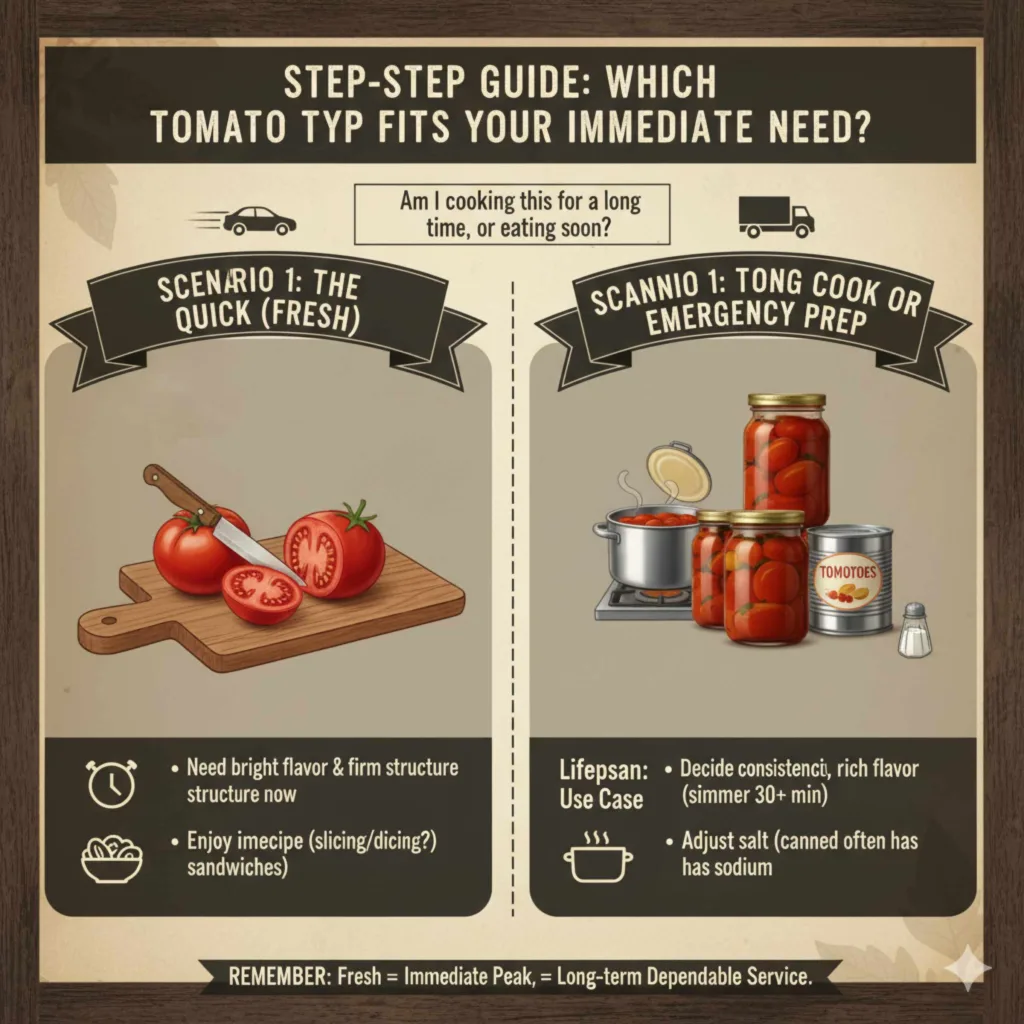
Step-by-Step Guide: Which Tomato Type Fits Your Immediate Need?
Let’s simplify the decision-making process. Ask yourself one question: “Am I cooking this for a long time, or eating it soon?”
Scenario 1: The Quick Meal (Leaning towards Fresh)
You need bright flavor and firm structure right now.
- Check your recipe needs—does it call for slicing or dicing?
- Select the freshest, firmest tomatoes available.
- Wash gently under cool water just before slicing.
- Enjoy immediately!
Scenario 2: The Long Cook or Emergency Prep (Leaning towards Canned)
You need a base for a deep, rich flavor that will simmer for 30 minutes or more, or you need pantry storage.
- Decide on the required consistency (whole tomatoes allow you to crush them yourself for the best texture).
- Open the can—if there is excessive, watery liquid, you might want to drain some off if making a thick paste.
- Add to your sauce or chili as the recipe directs.
- Remember to adjust your salt level, as canned goods sometimes contain added sodium.
This decision process is much like deciding whether to use new brake pads or re-ground ones on your truck—one is for immediate, peak performance (fresh), and the other is for long-term, dependable service (canned).
Frequently Asked Questions (FAQ) for Beginner Drivers
Q1: Are canned tomatoes less healthy than fresh tomatoes?
Not always! While fresh tomatoes have more heat-sensitive Vitamin C, the heat used in canning actually makes the powerful antioxidant lycopene much easier for your body to absorb. For cooked dishes, canned tomatoes can be just as, if not more, nutritious.
Q2: Do I have to refrigerate fresh tomatoes?
No, unless they are fully ripe or starting to go soft. Keep them on the counter (out of direct sunlight) to preserve their best flavor. Once they are very soft, put them in the fridge to slow down spoiling; however, the cold will dull the taste a bit.
Q3: Can I use canned tomatoes instead of fresh tomatoes in a salad?
It is generally not recommended. Canned tomatoes are deliberately soft and packed in liquid, which will make your fresh salad watery and ruin the texture. Stick to fresh tomatoes for anything served cold or raw.
Q4: If I make my own tomato sauce at home, should I use fresh or canned?
For nearly year-round cooking, canned tomatoes are superior because they have a deeper, more developed flavor profile ready for simmering. Fresh must be used immediately when perfectly ripe, which is often only a few weeks in the summer.
Q5: Is it safe to eat tomatoes straight out of a can that is dented on the side?
If the dent is small and smooth, it is usually fine. However, you should NEVER eat food from a can that is bulging (swollen), leaking, or has deep, sharp creases, especially near the seams. Bulging often signals dangerous bacterial activity.
Q6: How long do canned tomatoes last after I open the can?
Once opened, canned tomatoes lose their airtight seal and begin oxidizing, similar to fresh food. Transfer unused portions to an airtight container (like Tupperware or a glass jar) and store them in the refrigerator. They should be used within 5 to 7 days.
Final Thoughts on Making the Right Choice
Making the choice between canning tomatoes and regular ones isn’t about picking a winner; it’s about picking the right tool for the job. If you were repairing a flat tire, you wouldn’t use a lug wrench when you needed a jack—they serve different purposes.
Fresh tomatoes bring the irreplaceable vibrancy, sweetness, and crunch needed for immediate, simple enjoyment. They are the star of your summer BLT. Canned tomatoes, through their heat-treated stability, become the sturdy, reliable base ingredient that powers your winter soups and all-year pasta dishes. They are dependable, safe for long-term storage, and scientifically formulated to break down into rich flavor when cooked.
By respecting the process behind canning and understanding the peak quality of a fresh product, you gain confidence in your kitchen. You won’t waste fresh produce waiting for winter, and you won’t ruin a delicate salad with soft, cooked mush. Keep fresh separate from canned, and you’ll have the perfect tomato solution ready for any recipe, any time of year. Happy cooking!