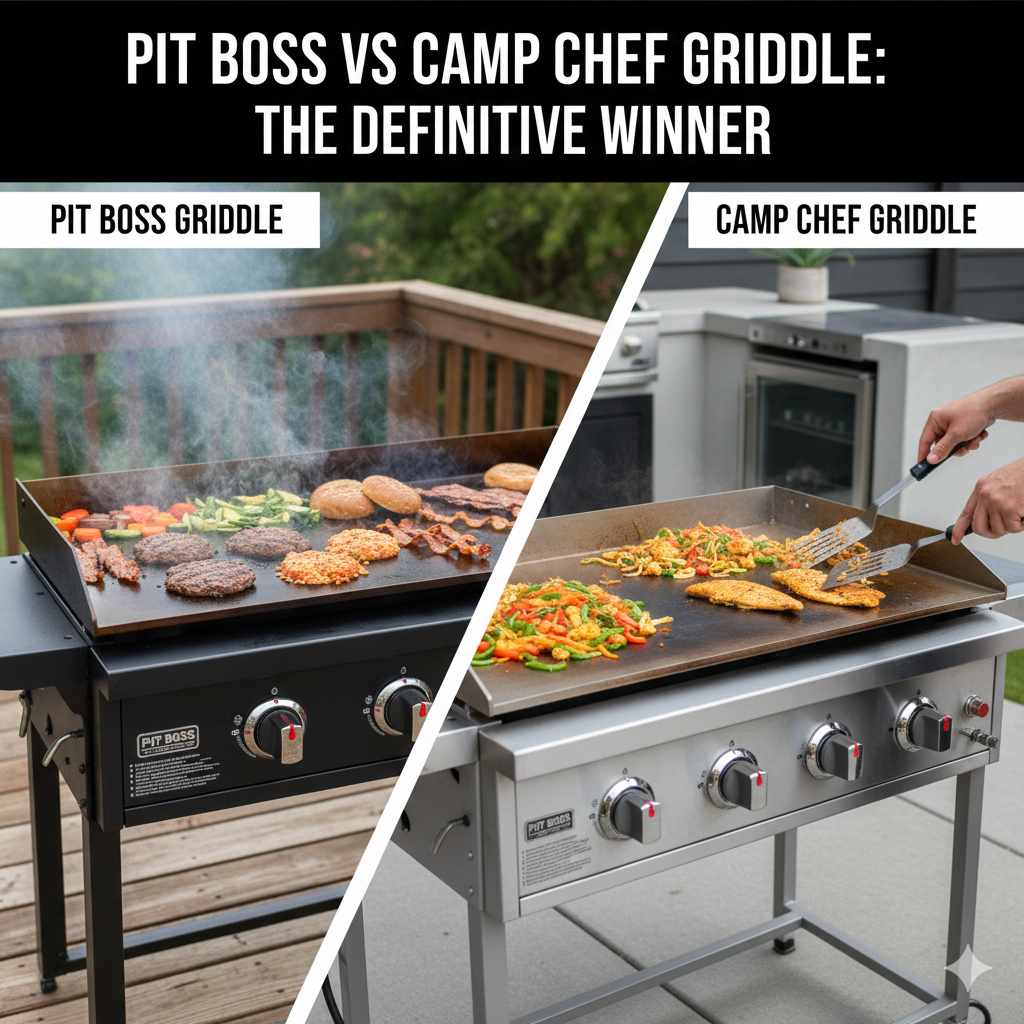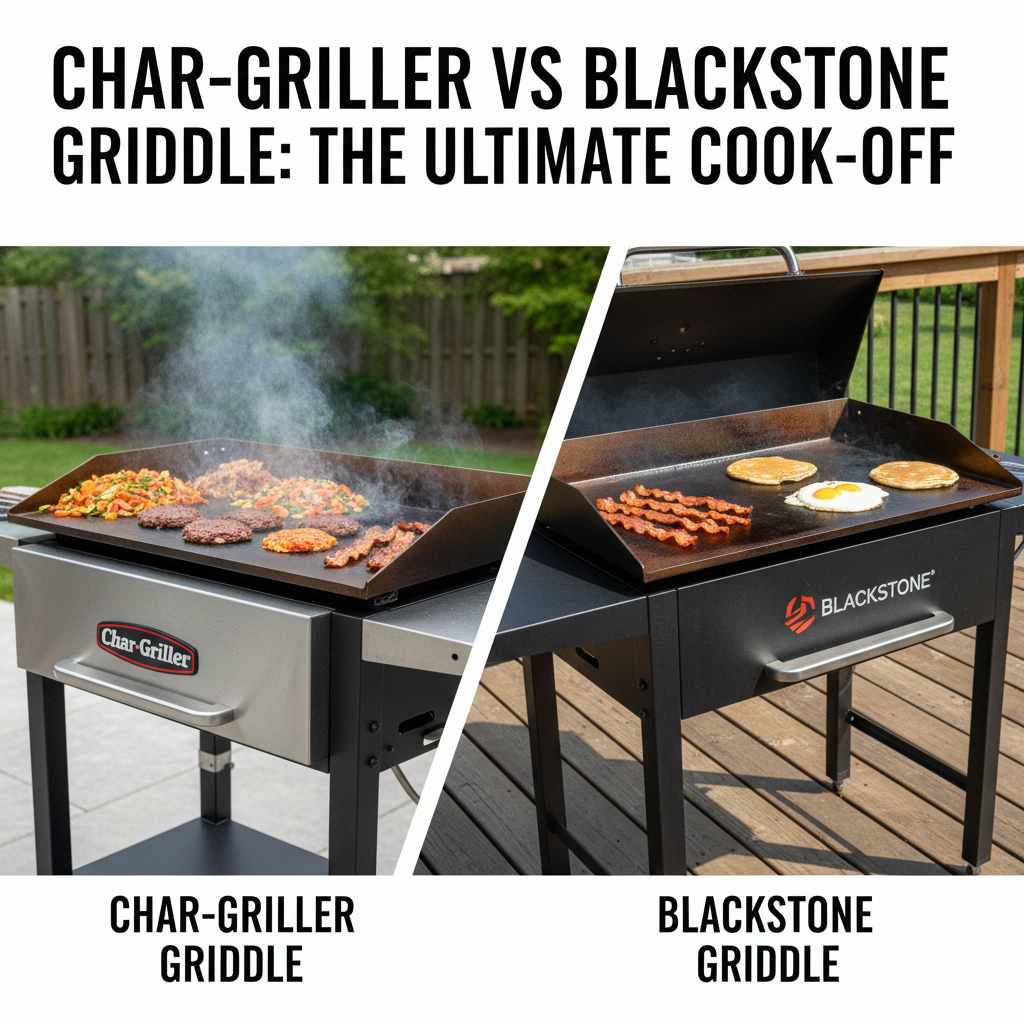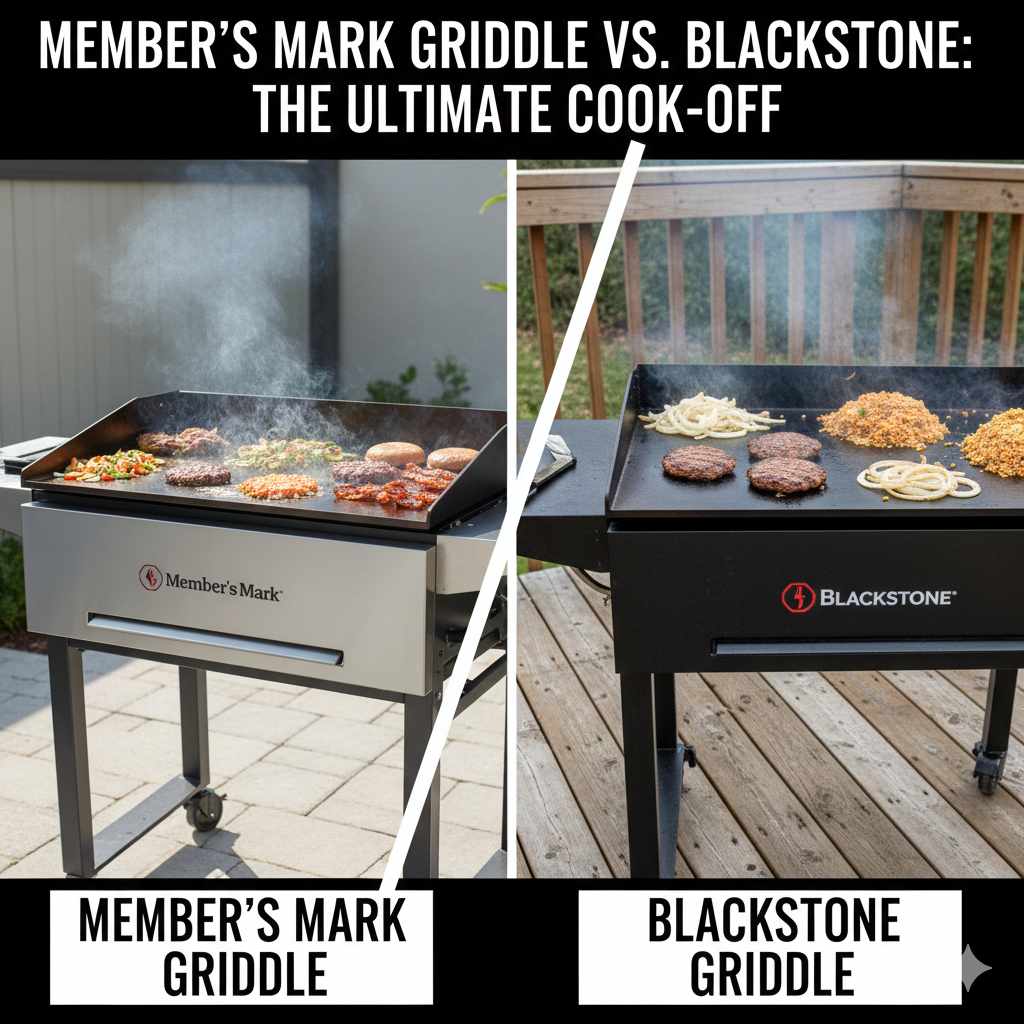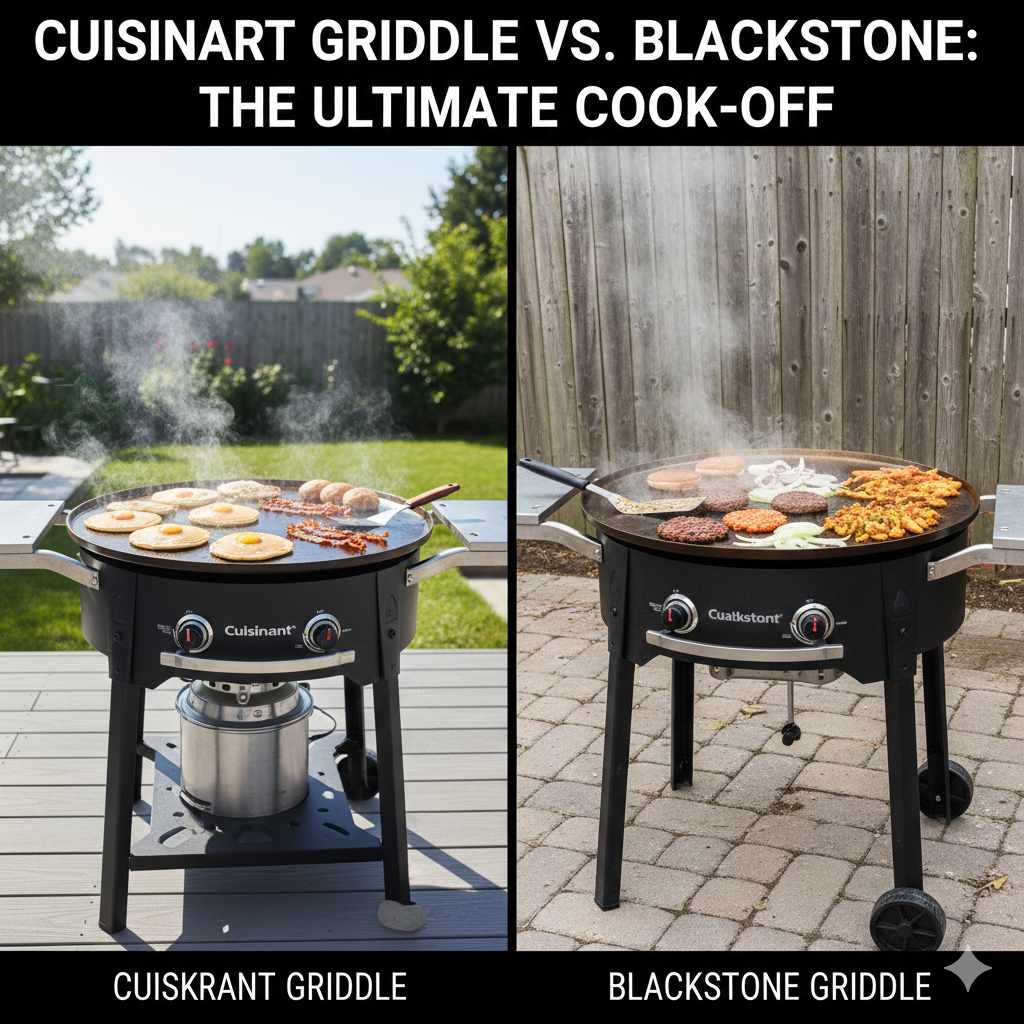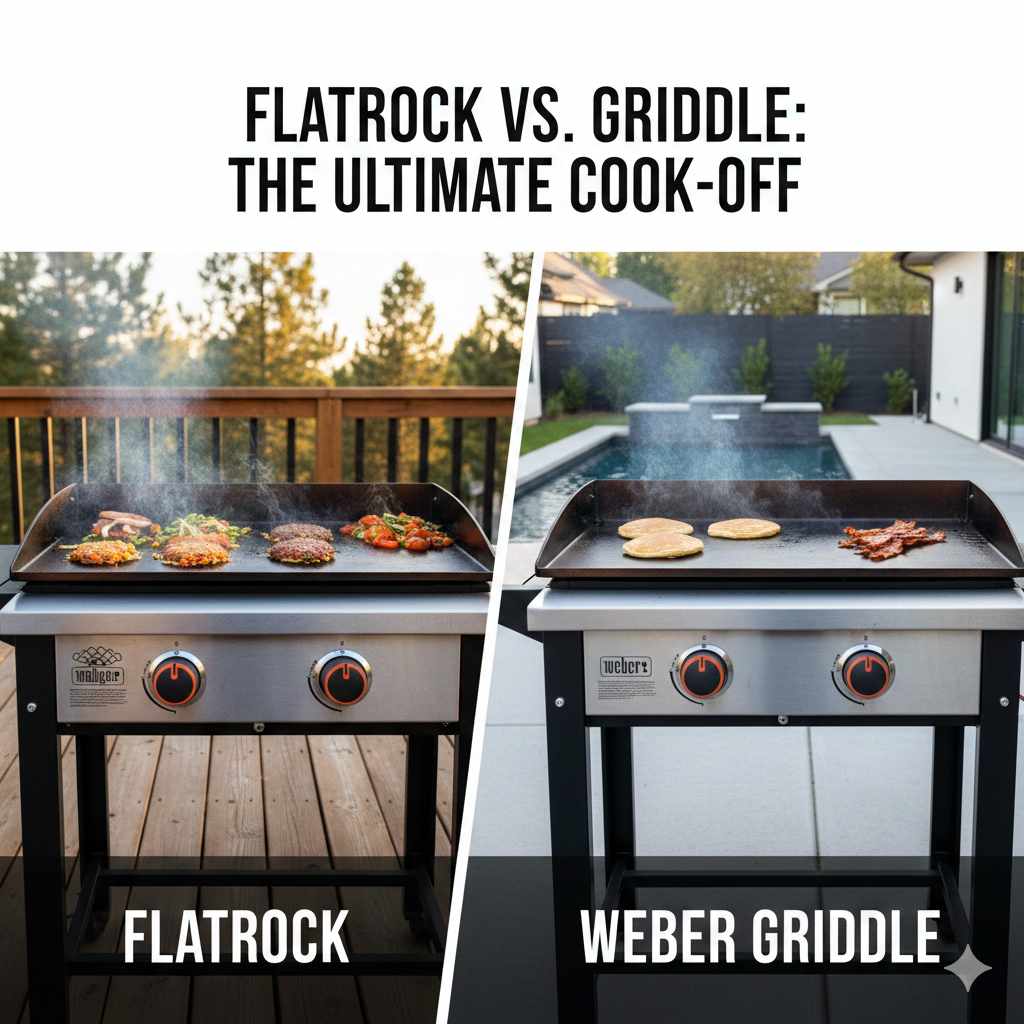
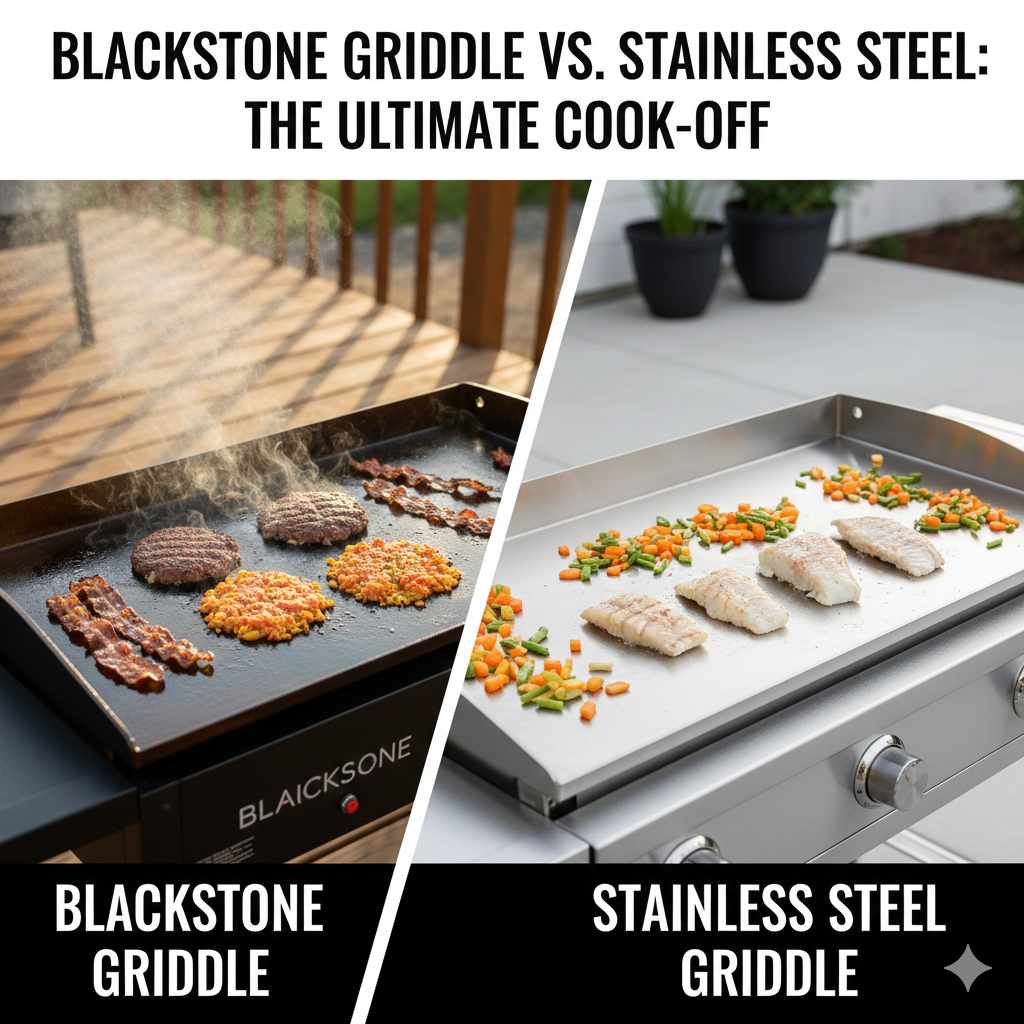
For most outdoor cooks, a Blackstone griddle is the best choice. Its rolled steel surface holds heat exceptionally well, creating a perfect, non-stick cooking top once seasoned. While stainless steel is easier to clean and rust-proof, it can’t match the Blackstone’s superior searing power and overall value for classic griddle cooking.
Are you standing in the store, staring at two different griddles? One is a dark, heavy Blackstone. The other is a shiny, sleek stainless steel model. It can be confusing. You just want to make amazing smash burgers and fluffy pancakes for your family. But which one is the right tool for the job? This is a common question, and you’re not alone in asking it.
Don’t worry, I’m here to help. We are going to break down the big debate: Blackstone griddle vs stainless steel. We will look at how they cook, how to clean them, and which one is the best fit for you. By the end of this guide, you will know exactly which griddle to bring home. You will feel confident and ready to start cooking up a storm. Let’s get started!
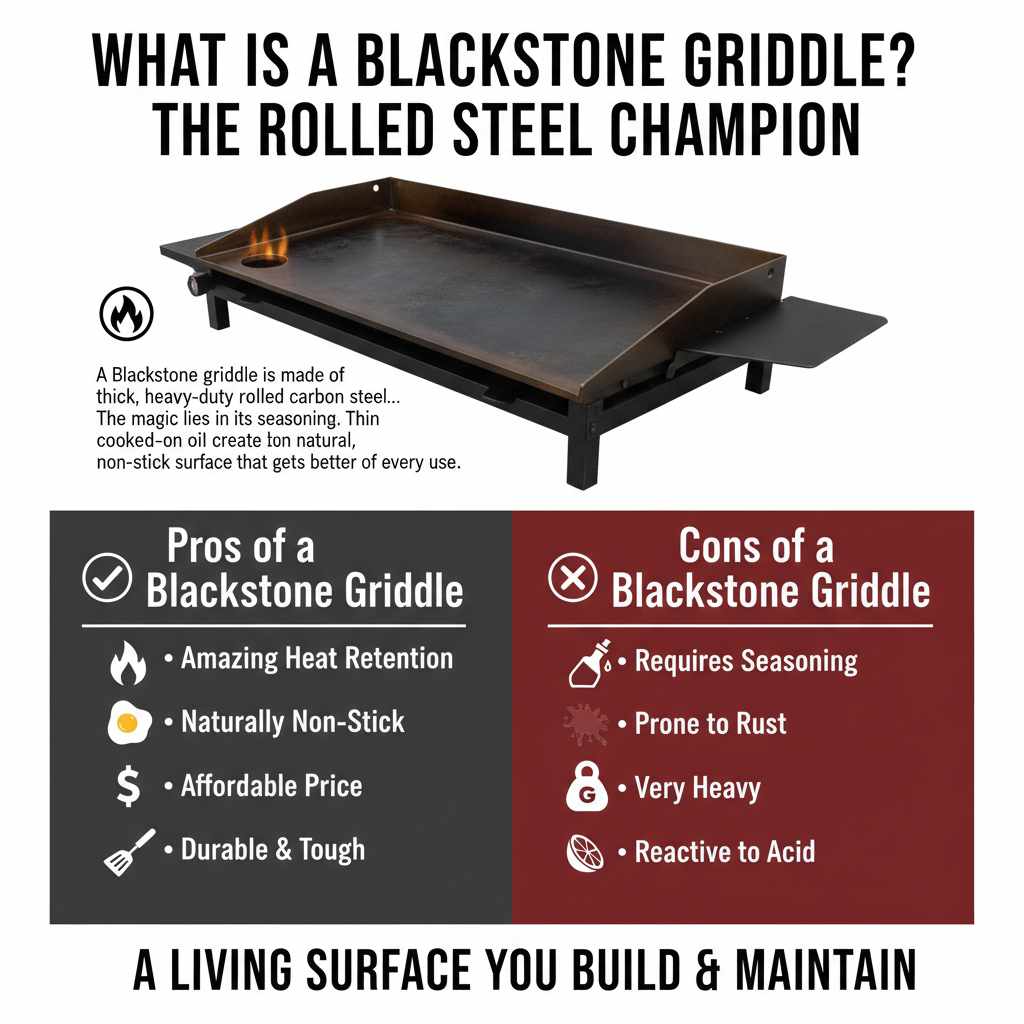
What is a Blackstone Griddle? The Rolled Steel Champion
When people say “Blackstone,” they are usually talking about the cooking surface itself. A Blackstone griddle is made of thick, heavy-duty rolled carbon steel. Think of it like a giant version of a classic cast iron skillet. It’s a simple, tough, and incredibly effective material for cooking.
The magic of a Blackstone lies in its seasoning. Just like cast iron, you build up thin layers of cooked-on oil over time. This process, called seasoning, creates a natural, non-stick surface that gets better with every use. This surface is what gives you that perfect sear on a steak and lets you flip pancakes with ease. It’s a living surface that you build and maintain.
Pros of a Blackstone Griddle
- Amazing Heat Retention: Once rolled steel gets hot, it stays hot. This even, consistent heat is the secret to a perfect crust on burgers and steaks. It cooks food quickly and evenly without creating hot spots.
- Naturally Non-Stick: A well-seasoned Blackstone is wonderfully non-stick. Eggs slide right off, and cheese cleans up easily. You built that surface yourself, which is a satisfying feeling!
- Affordable Price: Generally, Blackstone griddles and other rolled steel models offer incredible value. You get a huge, high-performance cooking surface for a very reasonable price.
- Durable and Tough: This is a solid slab of steel. It’s built to take a beating. You can use metal spatulas and scrapers without worrying about damaging the surface.
Cons of a Blackstone Griddle
- Requires Seasoning: You can’t just cook on it out of the box. It requires an initial seasoning process and regular upkeep to maintain its non-stick properties.
- Prone to Rust: This is the big one. If you leave a Blackstone uncovered in the rain or don’t keep it lightly oiled, it will rust. The good news is that rust is almost always fixable with a little scrubbing and re-seasoning.
- Very Heavy: That thick steel that holds heat so well is also very heavy. This makes the griddles less portable than some other options.
- Reactive to Acid: Cooking very acidic foods like tomato sauce or a lemon-heavy marinade can strip away some of the seasoning. You just have to re-season the spot afterward.
What is a Stainless Steel Griddle? The Sleek and Clean Contender
A stainless steel griddle looks modern and clean, just like the appliances in a professional kitchen. It’s an alloy of steel, chromium, and other elements. That chromium is key—it creates a passive layer that protects the steel from rust and corrosion. It shines right out of the box and stays that way.
Unlike a Blackstone, a stainless steel surface is non-reactive. You don’t need to season it. Its surface is ready to go from day one and won’t be damaged by acidic foods. Cleaning is as simple as using soap and water, just like your stainless steel pots and pans at home. It’s all about convenience and low maintenance.
Pros of a Stainless Steel Griddle
- Rust-Proof: Stainless steel’s biggest advantage is its resistance to rust. You can be a little more relaxed about leaving it outside or forgetting to oil it.
- Extremely Easy to Clean: There’s no special process here. A little soap, water, and a sponge are usually all you need. For tough, burnt-on food, a cleaner like Bar Keepers Friend works wonders.
- No Seasoning Needed: You can use it immediately after a quick wash. You never have to worry about building, maintaining, or stripping the seasoning.
- Non-Reactive Surface: Feel free to cook with lemons, vinegar, wine, and tomatoes. The surface won’t react with the food or affect its taste.
Cons of a Stainless Steel Griddle
- Poorer Heat Retention: Stainless steel heats up quickly but also loses heat quickly. When you place a cold steak on it, the surface temperature can drop, making it harder to get a deep, even sear.
- Food Can Stick: Without a layer of seasoning, food is more prone to sticking on stainless steel. Proper temperature control and using enough oil are critical for a good cooking experience.
- Can Be More Expensive: High-quality, thick stainless steel griddles are often more expensive than their rolled steel counterparts.
- Can Discolor: At very high temperatures, stainless steel can develop a blue or brownish tint called heat tint. This doesn’t affect performance, but it does change the look.
Head-to-Head Comparison: Blackstone vs Stainless Steel
Seeing the features side-by-side makes the choice much clearer. Here’s a simple breakdown of how these two griddle types stack up against each other.
| Feature | Blackstone (Rolled Steel) | Stainless Steel |
|---|---|---|
| Heat Retention | Excellent. Stays hot for a powerful, even sear. | Fair. Heats up fast but loses heat when food is added. |
| Heat Distribution | Very good. The thick plate spreads heat evenly. | Good. Thinner surfaces can have more hot spots. |
| Cleaning & Maintenance | Requires a specific process (scrape, wipe, oil). Prone to rust if neglected. | Very easy. Soap and water friendly. Rust-proof. |
| Non-Stick Properties | Excellent when properly seasoned. Gets better over time. | Fair. Requires more oil and careful temperature management. |
| Durability & Rust Resistance | Extremely durable but will rust without proper care. | Very durable and highly resistant to rust. |
| Price | Generally more affordable. Great value. | Often more expensive for a comparable size and quality. |
| Best For… | Searing meat, smash burgers, breakfast, hibachi-style cooking. | Cooking with acidic foods, easy cleanup, humid climates. |
Cooking Performance: Where Each Griddle Shines
Beyond the specs, what really matters is how they cook your food. Each surface has its own personality and excels at different tasks.
Searing Steaks and Burgers: The Blackstone Advantage
If your goal is to make the best smash burger of your life, with those crispy, lacy edges, the Blackstone is your champion. This is all about the Maillard reaction, the chemical process that creates the delicious brown crust on cooked meat. To achieve it, you need high, stable heat.
The Blackstone’s thick rolled steel acts like a heat battery. It stores a massive amount of thermal energy. When you slap those burgers down, the surface doesn’t cool off. It instantly starts creating that perfect crust. Stainless steel, on the other hand, can lose heat at that crucial moment, resulting in a less impressive sear.
Delicate Foods like Fish and Eggs: It’s a Tie
Here, the competition gets closer. A well-seasoned Blackstone is fantastic for eggs. They’ll slide around like they’re on an ice rink. Fish with skin also gets beautifully crispy without sticking.
Stainless steel can also cook these foods well, but it requires more skill. You need to preheat the griddle properly and use the right amount of oil. If the temperature is too low, food will stick. If it’s too high, it will burn. There is less room for error. However, its non-reactive surface is a plus for fish, especially if you’re squeezing a lemon over it at the end.
Cooking with Acidic Foods (Tomatoes, Lemon): A Clear Win for Stainless Steel
This is where stainless steel really pulls ahead. Imagine you want to make a griddle-top shakshuka with a rich tomato sauce, or deglaze the griddle with wine to make a pan sauce. On a stainless steel griddle, this is no problem.
On a Blackstone, acidic ingredients can chemically react with the seasoning and the metal underneath. It can break down that non-stick layer you worked so hard to build and sometimes impart a metallic taste to the food. While it’s not a disaster—you can always re-season the spot—it’s something you have to be mindful of. With stainless steel, you have complete freedom.
Maintenance and Upkeep: A Tale of Two Surfaces
Your relationship with your griddle continues long after the cooking is done. How you care for it will determine its performance and lifespan.
The Ritual of Seasoning Your Blackstone
Some people see seasoning as a chore. Others see it as a satisfying ritual, like caring for a good tool. It’s not difficult, it just requires consistency. Think of it as protecting your investment.
- Initial Seasoning: When your griddle is new, you’ll need to wash it, then heat it up and apply several very thin coats of a high-smoke-point oil (like canola, grapeseed, or Blackstone’s own seasoning blend), letting each coat smoke off completely. This builds your base layer.
- After Each Cook: While the griddle is still warm, scrape off any food debris. Squirt on some water to steam-clean any stubborn bits. Scrape it one last time.
- The Final Step: Wipe the surface down with a paper towel, then apply a very thin layer of cooking oil. This protects it from moisture and rust until your next cook. That’s it!
This simple process keeps your griddle black, slick, and ready to go.
The Simple Scrub-Down of Stainless Steel
Maintenance for stainless steel is as simple as it gets. There are no special rules to remember. You can treat it much like your indoor cookware.
- Let it Cool: It’s best to let the griddle cool down a bit before cleaning. Pouring cold water on a very hot stainless surface can, in extreme cases, cause it to warp.
- Scrape and Scrub: Scrape off any large food particles with a spatula. Then, you can use a scrub pad with soap and water to clean the rest. According to the USDA, keeping food surfaces clean is a critical step in preventing foodborne illness.
- For Stubborn Stains: For burnt-on grease or discoloration, a paste of Bar Keepers Friend and water will make your stainless steel surface look brand new again.
There’s no need to oil the surface for protection. Just clean it, dry it, and you’re done.
The Verdict: Which Griddle is Right for You?
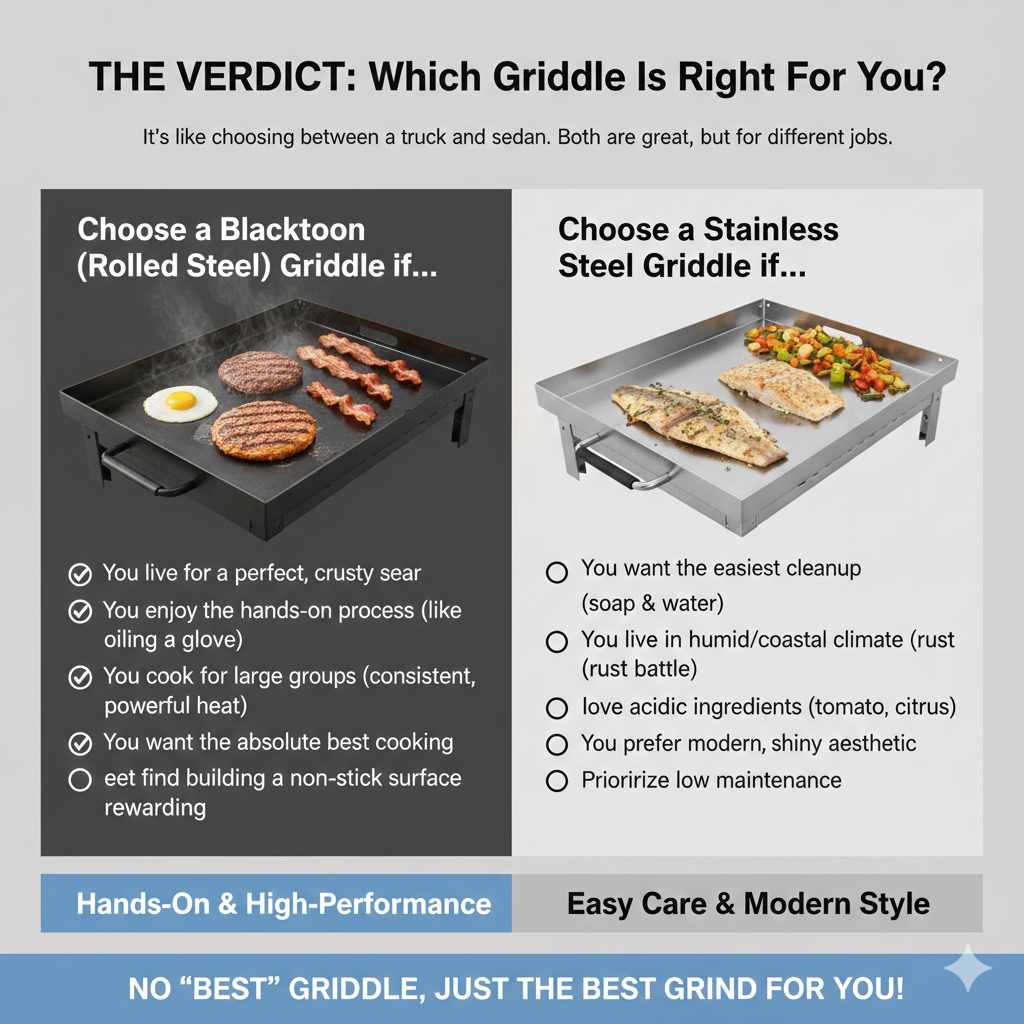
So, after all that, what is the proven best choice in the Blackstone griddle vs stainless steel debate? The truth is, the “best” griddle depends entirely on what kind of cook you are. It’s a personal choice, like picking between a truck and a sedan. Both are great vehicles, but they are built for different jobs.
Let this simple guide help you make your final decision.
Choose a Blackstone (Rolled Steel) Griddle if…
- You live for a perfect, crusty sear on your burgers and steaks.
- You enjoy the hands-on process of maintaining your gear, like oiling a baseball glove or waxing a car.
- You cook for large groups and need consistent, powerful heat across the entire surface.
- You want the absolute best cooking performance for your money.
- The idea of a non-stick surface that you build and improve yourself sounds rewarding.
Choose a Stainless Steel Griddle if…
- You want the easiest cleanup possible—no special steps, just soap and water.
- You live in a very humid or coastal climate where rust is a constant battle.
- You love to cook with acidic ingredients like tomato sauces, citrus, or wine.
- You prefer a modern, shiny aesthetic that matches other stainless steel appliances.
- You prioritize low maintenance over achieving the absolute perfect sear.
Frequently Asked Questions (FAQ)
Can you use soap on a Blackstone griddle?
It’s best to avoid soap. Soap is designed to break down oils, and it can strip away the seasoning you’ve worked to build on your rolled steel griddle. The best method is to scrape the surface and use water to steam-clean it, followed by a light coat of oil.
Does food stick to stainless steel griddles?
Yes, food can stick to stainless steel if not used correctly. The keys to preventing sticking are to preheat the griddle properly before adding food and to use a sufficient amount of cooking oil or butter to create a barrier between the food and the metal.
Is a Blackstone griddle hard to maintain?
Not at all! It might seem intimidating, but the process is very simple and takes only a few minutes after each cook. Scrape, wipe, and oil. The most important thing is consistency. As long as you keep it clean and oiled, it will last forever.
Which griddle gets hotter?
Both types of griddles can reach very high temperatures. The main difference is not the maximum heat, but how well they hold that heat. A Blackstone’s thick rolled steel surface retains heat much better, providing more consistent cooking power when you place cold food on it.
Can I use metal spatulas on both?
Absolutely. Both rolled steel and stainless steel are tough surfaces. You can use metal spatulas, scrapers, and other tools on both without worrying about scratching or damaging the cooktop. This is a major advantage over delicate non-stick coatings.
Do I have to season a stainless steel griddle?
No, you do not. Stainless steel does not need to be seasoned. Its rust-resistant properties are built into the metal itself. Just give it a good wash before its first use, and you are ready to cook.
Why is my stainless steel griddle turning blue or brown?
This is called “heat tint” or “heat discoloration.” It’s a normal and harmless reaction that happens when stainless steel is exposed to high temperatures. It does not affect the griddle’s cooking performance or safety in any way, though it does change its appearance.
Your Griddle, Your Choice
Choosing between a Blackstone and a stainless steel griddle isn’t about finding a single “winner.” It’s about finding the right partner for your cooking style. The Blackstone is like a classic muscle car: powerful, a little raw, and incredibly rewarding for those who love to be hands-on. It delivers unmatched searing performance that will make you a backyard hero.
The stainless steel griddle is like a modern luxury sedan: sleek, reliable, and packed with convenience. It offers worry-free maintenance and the flexibility to cook anything you can imagine without a second thought. Both will cook delicious food and bring family and friends together around a great meal.
So, think about what makes you excited to cook. Do you dream of that perfect burger crust, or do you dream of a cleanup that takes less than a minute? Your answer is there. Now, go pick your griddle with confidence, fire it up, and start making memories. Happy cooking!