Quick Summary
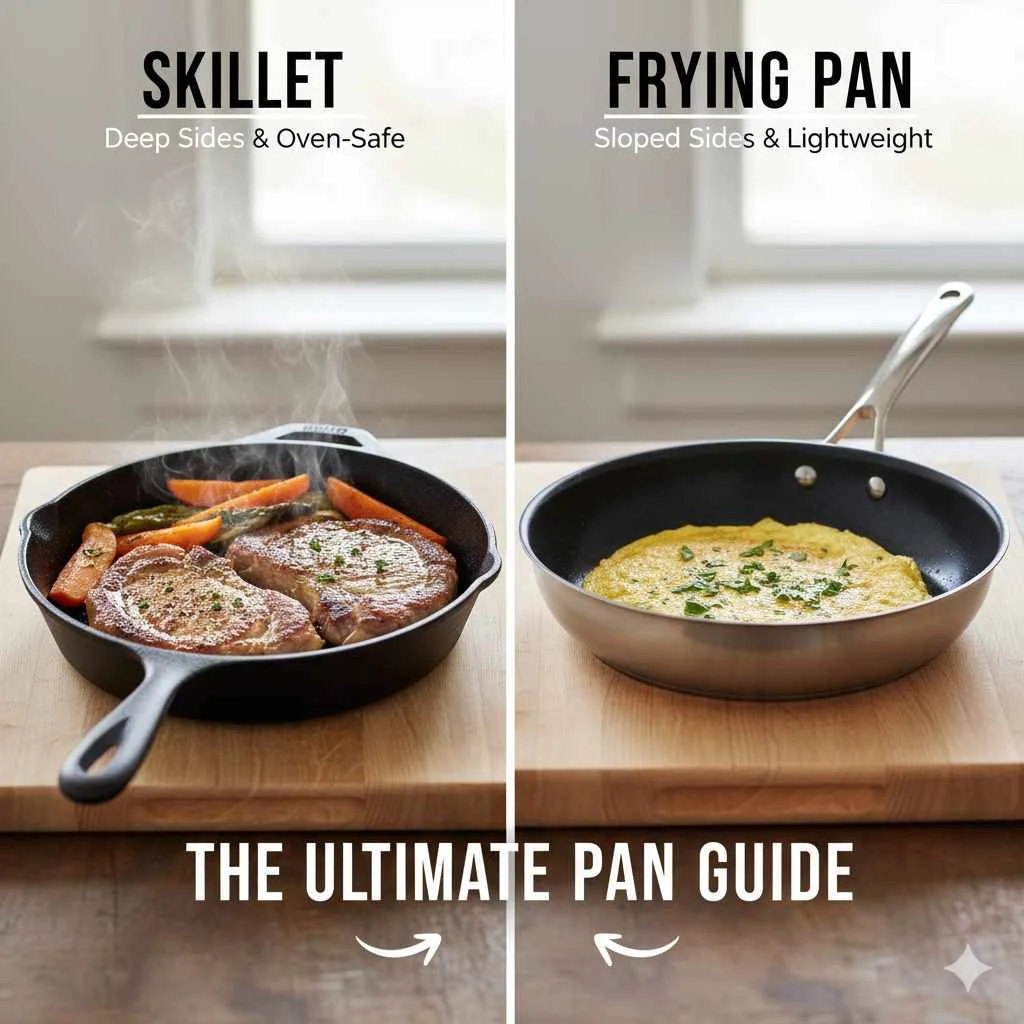
The primary difference between a skillet and a frying pan lies in their shape and purpose. A skillet typically has sloped sides and is ideal for sautéing and tossing food, while a frying pan has straight, high sides, making it better for frying, deep frying, and containing liquids. Both are essential kitchen tools for versatile cooking. This guide will clarify their distinct features and uses to help you choose the right one.
Have you ever stood in the kitchen, recipe in hand, staring at your cookware and wondering, “Wait, what’s the real difference between a skillet and a frying pan?” It’s a common question, and honestly, it can be a little confusing because these terms are often used interchangeably. But knowing the distinction can genuinely elevate your cooking, making everyday meals a little bit easier and a lot more delicious. Don’t worry, though! We’re here to break it down simply. Think of me as your kitchen guide, here to demystify these handy tools so you can cook with confidence. Ready to discover which pan is perfect for your next culinary adventure?
Understanding Your Cookware: Skillet vs. Frying Pan
In the world of cooking, pans are our trusty companions. Two of the most common and versatile are the skillet and the frying pan. While they might look similar at first glance, their design differences are key to their functionality. Understanding these nuances will empower you to select the right pan for any task, ensuring your food cooks perfectly every time. It’s not about having the most pans; it’s about having the right pans for the job!
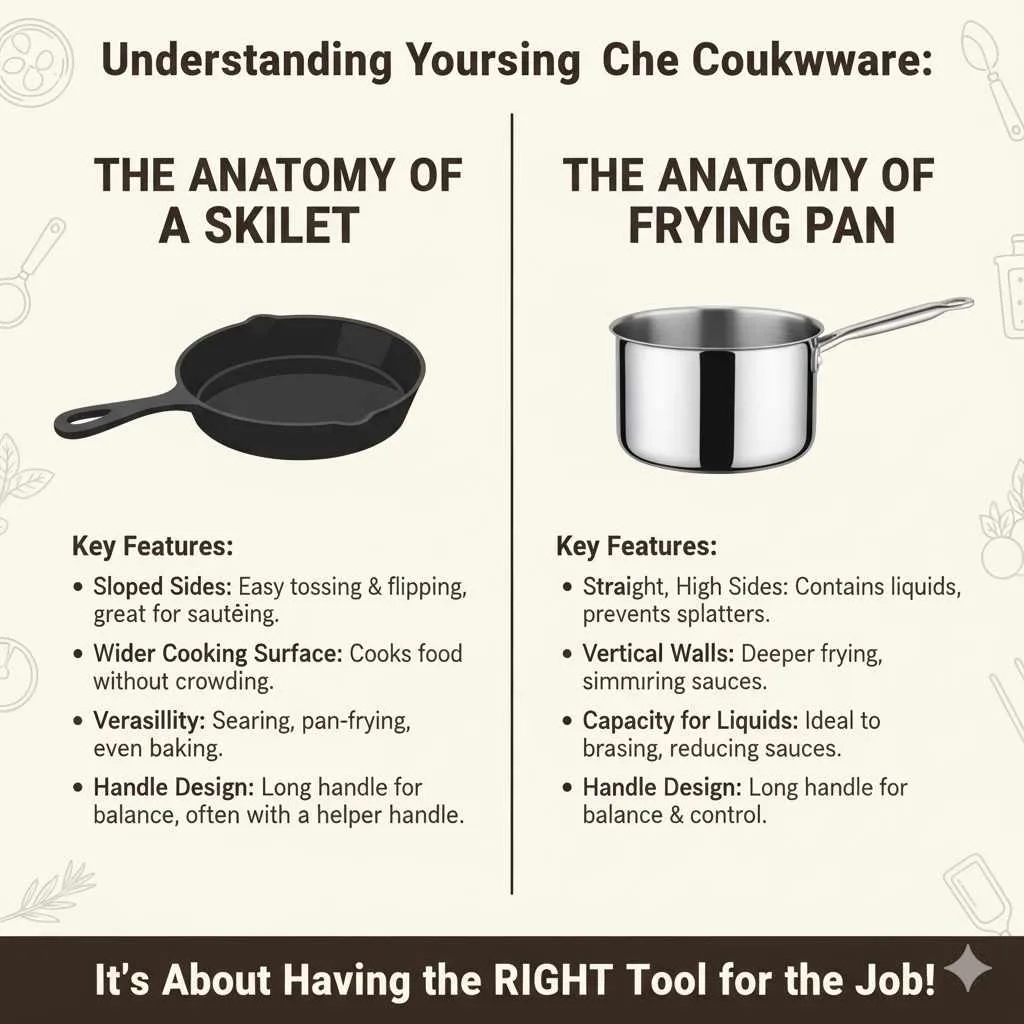
The Anatomy of a Skillet
A skillet is a kitchen workhorse, renowned for its versatility. Its defining characteristic is its gently sloped sides. These aren’t just for show; they serve a crucial purpose. The sloped design makes it incredibly easy to toss and flip food, a technique known as sautéing. Imagine gracefully flipping those delicate shrimp or perfectly browning those vegetables – the skillet’s shape makes it a breeze. This design also allows for easier stirring and maneuvering of ingredients. When a recipe calls for quick cooking over medium-high heat, allowing ingredients to make good contact with the hot surface while allowing moisture to escape, the skillet is your go-to pan.
Key Features of a Skillet:
- Sloped Sides: This is the most distinctive feature, facilitating easy tossing and flipping of food.
- Wider Cooking Surface: Skillets often have a broader base relative to their height, providing ample space for food to cook evenly without crowding.
- Versatility: Excellent for sautéing, searing, pan-frying, and even baking certain dishes.
- Handle Design: Typically features a longer handle for ease of movement and balance, often with a helper handle on larger skillets.
The Anatomy of a Frying Pan
Now, let’s talk about the frying pan. Frying pans, sometimes also called sauté pans depending on their specific design, are characterized by their straight, relatively high sides. These vertical walls are designed with a specific purpose in mind: containment. Whether you’re dealing with a saucy dish, simmering ingredients, or indulging in some good old-fashioned deep frying, those high walls prevent splatters and keep liquids from escaping. While they can still be used for frying and searing, their higher sides make tossing food a bit more challenging than in a skillet. However, they excel when you need to cook larger quantities of food, cook something that might break apart easily if tossed, or when you want to reduce a sauce without much evaporation.
Key Features of a Frying Pan:
- Straight, High Sides: These are crucial for containing liquids, preventing splatters, and allowing for deeper frying.
- Vertical Walls: Unlike the gentle curve of a skillet, frying pans have sharper, more defined angles.
- Capacity for Liquids: Ideal for dishes that involve simmering, braising, or frying in oil.
- Handle Design: Usually has a long handle, similar to a skillet, designed for balance and control.
The Core Differences at a Glance
To really drive home the distinction, let’s look at their primary design elements side-by-side. It’s these small, yet significant, differences in shape that dictate when you should reach for one over the other.
| Feature | Skillet | Frying Pan |
|---|---|---|
| Side Shape | Gently sloped, angled outwards | Straight, vertical |
| Primary Cooking Method | Sautéing, searing, pan-frying, tossing | Frying, deep-frying, simmering, braising |
| Liquid Containment | Moderate | Excellent |
| Ease of Tossing Food | High | Moderate |
| Best For | Quick cooking, browning, stir-fries, delicate foods | Dishes with sauces, frying in oil, larger batches |
When to Use Which Pan: Practical Applications
Knowing the technical differences is one thing, but understanding how they translate to everyday cooking is where the real magic happens. Let’s explore some scenarios where one pan truly shines over the other.
Why a Skillet is Perfect for Sautéing and Stir-Frying
Sautéing is all about cooking food quickly in a small amount of fat over medium-high heat. The word “sauté” itself comes from the French word for “to jump,” which perfectly describes the action of tossing food in the pan. The sloped sides of a skillet are designed precisely for this. As you shake the pan or use your spatula, the food glides up the sides and back down, ensuring even cooking and browning without the food becoming too crowded or sticking. This is also why skillets are an excellent choice for stir-fries, where continuous movement and quick, even cooking are essential.
Tips for Sautéing with a Skillet:
- Preheat the Pan: Always get your skillet hot before adding oil and ingredients.
- Don’t Overcrowd: Cook in batches if necessary to maintain high heat and prevent steaming.
- Use Enough Fat: A little oil or butter helps conduct heat and prevents sticking.
- Keep it Moving: Gently toss or stir ingredients frequently for even cooking.
When a Frying Pan (or Sauté Pan) is Your Best Bet
If your recipe involves a generous amount of sauce, like a creamy mushroom sauce for chicken or a tomato-based sauce for pasta, a frying pan with straight, high sides is your best friend. These walls keep that delicious sauce contained, preventing it from boiling over and making a mess on your stovetop. They are also the undisputed champions when it comes to frying. Whether you’re deep-frying chicken pieces, potato wedges, or even donuts, the high sides of a frying pan ensure that the oil stays in the pan and minimizes splattering, making the process safer and cleaner. Furthermore, for dishes that require braising or simmering after an initial sear, the high sides help to retain moisture and heat evenly.
When to Choose the Frying Pan:
- When a recipe calls for a significant amount of sauce or liquid.
- For any type of deep-frying where oil containment is crucial for safety.
- When cooking foods that might break apart easily if tossed, such as delicate fish fillets.
- For simmering dishes where you want to minimize evaporation and retain heat.
- When cooking in larger batches and you need to ensure everything stays within the pan.
Materials Matter: What Your Skillet and Frying Pan Are Made Of
Like most cookware, skillets and frying pans come in a variety of materials, each with its own pros and cons. The material significantly impacts heat distribution, retention, and ease of care. For beginners, understanding these options can feel overwhelming, but let’s simplify it.
Common Materials Explained:
Stainless Steel: This is an incredibly popular choice for a reason. Stainless steel pans offer excellent durability, are non-reactive (meaning they won’t alter the taste of your food, especially acidic ones), and are generally dishwasher safe. They provide good heat distribution, especially if they have an aluminum or copper core, and are fantastic for searing and developing fond (those tasty browned bits stuck to the bottom of the pan) which is great for making pan sauces. They are a workhorse for both skillets and frying pans.
Benefit: Durable, non-reactive, versatile.
Consideration: Can sometimes have hot spots if not a quality clad material.
Cast Iron: A true classic! Cast iron skillets and frying pans are prized for their exceptional heat retention and ability to develop a natural non-stick surface over time with proper seasoning. They get very hot and stay hot, making them ideal for searing steaks to perfection or achieving that beautiful crispy crust on fried chicken. Cast iron is incredibly durable and can last for generations. However, it requires special care – it’s not dishwasher safe and needs to be seasoned regularly to prevent rust.
Benefit: Incredible heat retention, develops non-stick surface, lasts forever.
Consideration: Heavy, requires seasoning and specific care, can rust if not maintained.
For more on cast iron care, the U.S. Forest Service offers some historical context and care insights, although our focus here is culinary.
Non-Stick (Coated): These pans typically have a metal base (aluminum or stainless steel) coated with a non-stick material like PTFE (Teflon™) or ceramic. They are a dream for beginners because food slides right off, making cleanup incredibly easy. They are perfect for delicate foods like eggs, pancakes, and fish. However, non-stick coatings can degrade over time, especially if overheated or scratched, and often require handwashing and the use of non-metal utensils.
Benefit: Easy food release, simple cleanup.
Consideration: Coatings can be damaged, may need replacement more often.
Carbon Steel: Similar to cast iron in its durability and ability to develop a natural non-stick surface with seasoning, carbon steel pans are lighter and heat up more quickly. They are often favored by professional chefs for their responsiveness and excellent searing capabilities. Like cast iron, they require seasoning and handwashing.
Benefit: Lightweight, responsive heating, develops great non-stick from seasoning.
Consideration: Requires seasoning and care, can rust if not maintained.
Choosing the Right Pan for Your Kitchen Needs
So, the million-dollar question: which one do you really need? For most home cooks, especially beginners, having at least one good skillet and one good frying pan (or a versatile sauté pan, which bridges the gap) is ideal. If you’re just starting out and have a tight budget, a good quality 10-inch or 12-inch non-stick skillet is incredibly versatile. It can handle most everyday tasks, from scrambling eggs to sautéing vegetables. As you cook more and discover your favorite types of dishes, you can gradually add other types of pans. For instance, if you find yourself craving perfectly seared steaks, a cast iron skillet might be your next investment. If you’re frequently making dishes with sauces, a straight-sided frying pan or sauté pan will be invaluable.
Essential Pans for Every Kitchen
Here’s a simple breakdown of what most households benefit from:
- A reliable skillet (10-12 inch): Your everyday go-to for sautéing, searing, and quick meals. Stainless steel or a good quality non-stick are excellent starting points.
- A frying pan or sauté pan (10-12 inch): With higher, straight sides for sauces, frying, and simmering. A stainless steel sauté pan with a lid is incredibly versatile.
- A smaller skillet (8 inch): Perfect for whipping up eggs for one or two, or smaller portions.
Many manufacturers, like All-Clad, offer highly reputable cookware made with advanced thermal technologies. Understanding these materials, like clad construction (layers of different metals bonded together), can inform your purchase for even better heat distribution, which is crucial for consistent cooking results. You can explore resources detailing the science behind cookware materials and their performance on sites like those hosted by university extension programs or culinary institutes, which often provide unbiased data on materials science in cooking.
Common Pitfalls and How to Avoid Them
Even with the right pan, it’s easy to make mistakes in the kitchen, especially when you’re learning. Let’s cover a few common issues you might encounter and how to fix them, whether you’re using a skillet or a frying pan.
Troubleshooting Your Cooking:
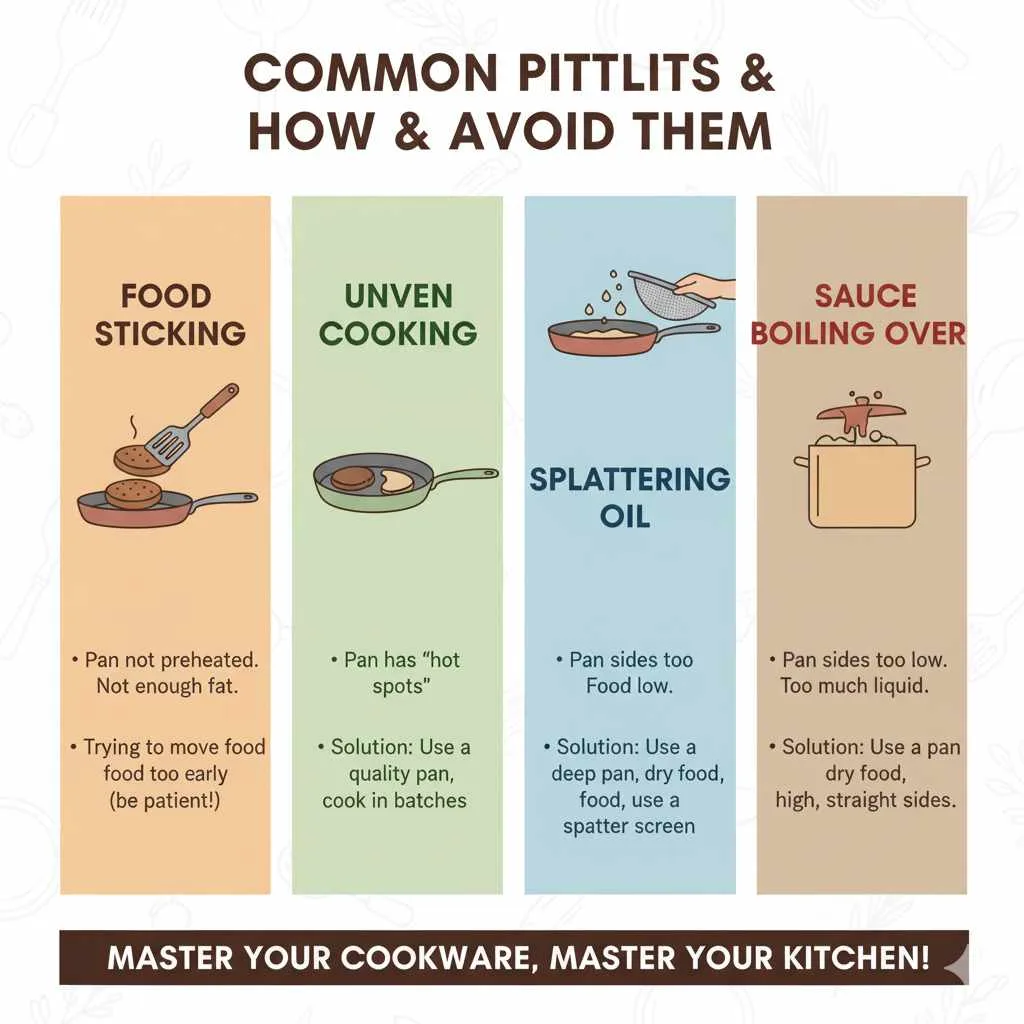
Food Sticking: This is the most common frustration. Ensure your pan is properly preheated before adding fat and food. For non-stick pans, avoid overheating and use appropriate utensils. For stainless steel or cast iron, a well-seasoned pan and correct preheating are key. Always ensure you’re using enough cooking fat as well.
Uneven Cooking: This can happen if your pan has hot spots or if you’re overcrowding it. Make sure your pan is heating evenly (all-clad stainless steel or cast iron tend to do this well). Cook in batches if necessary. A good quality pan material makes a significant difference here.
Splattering Oil: This is a particular concern with frying. Ensure your pan has high enough sides for the task (your frying pan is better here than a skillet). Make sure food is relatively dry before adding it to hot oil; excess water causes aggressive splattering. Use a splatter screen for added safety.
Sauce Boiling Over: This happens when your pan’s sides are too low. Switch to your frying pan or sauté pan, which effectively contains liquids and prevents messy overflows.
FAQs: Your Skillet and Frying Pan Questions Answered
Got more questions? We’ve got answers!
Q1: Can I use a skillet for deep frying?
A1: While you can fry in a skillet, it’s not ideal. The sloped sides offer less protection against splattering oil, making it less safe. A frying pan with straight, high sides is much better suited and safer for deep frying.
Q2: What is a sauté pan, and how does it differ from a skillet or frying pan?
A2: A sauté pan is often considered a hybrid. It typically has straight, high sides like a frying pan, but its base might be slightly narrower than a frying pan of the same diameter. This makes it excellent for both sautéing and simmering, offering good containment for liquids while still allowing for some maneuverability of food. Many home cooks find a 10- or 12-inch sauté pan to be incredibly versatile.
Q3: Is brand name cookware worth the extra cost?
A3: Often, yes. Higher-end cookware brands invest in better materials, construction (like multi-ply layering), and design, which leads to superior heat distribution, retention, and durability. For many home cooks, a good quality piece of cookware is an investment that performs better and lasts much longer.
Q4: How do I clean a cast iron skillet?
A4: Never use soap (unless it’s a very mild dish soap for a particularly tough situation, followed by re-seasoning) or put it in the dishwasher. For everyday cleaning, use hot water and a stiff brush or scraper. If food is stuck, you can simmer some water in the pan for a few minutes to loosen it. Always dry it thoroughly immediately after washing and apply a thin layer of cooking oil to prevent rust.
Q5: Can I use metal utensils in a stainless steel skillet?
A5: Yes! Stainless steel is very durable and safe for use with metal utensils. This is one of its many advantages. Just be mindful not to aggressively scrape or gouge the surface, which could create scratches over time.
Q6: How many inches should my first skillet or frying pan be?
A6: A 10-inch or 12-inch pan is typically the most versatile size for everyday cooking. A 10-inch pan is great for 1-2 people, while a 12-inch is better for families or when cooking larger portions. Starting with one of these sizes will cover most of your cooking needs.
Conclusion: Choose Wisely, Cook Beautifully
As we’ve explored, the difference between a skillet and a frying pan, while subtle in name, is significant in design and function. The skillet, with its elegant sloped sides, is your champion for tossing, flipping, and fast sautéing. The frying pan, with its sturdy, straight walls, is your reliable