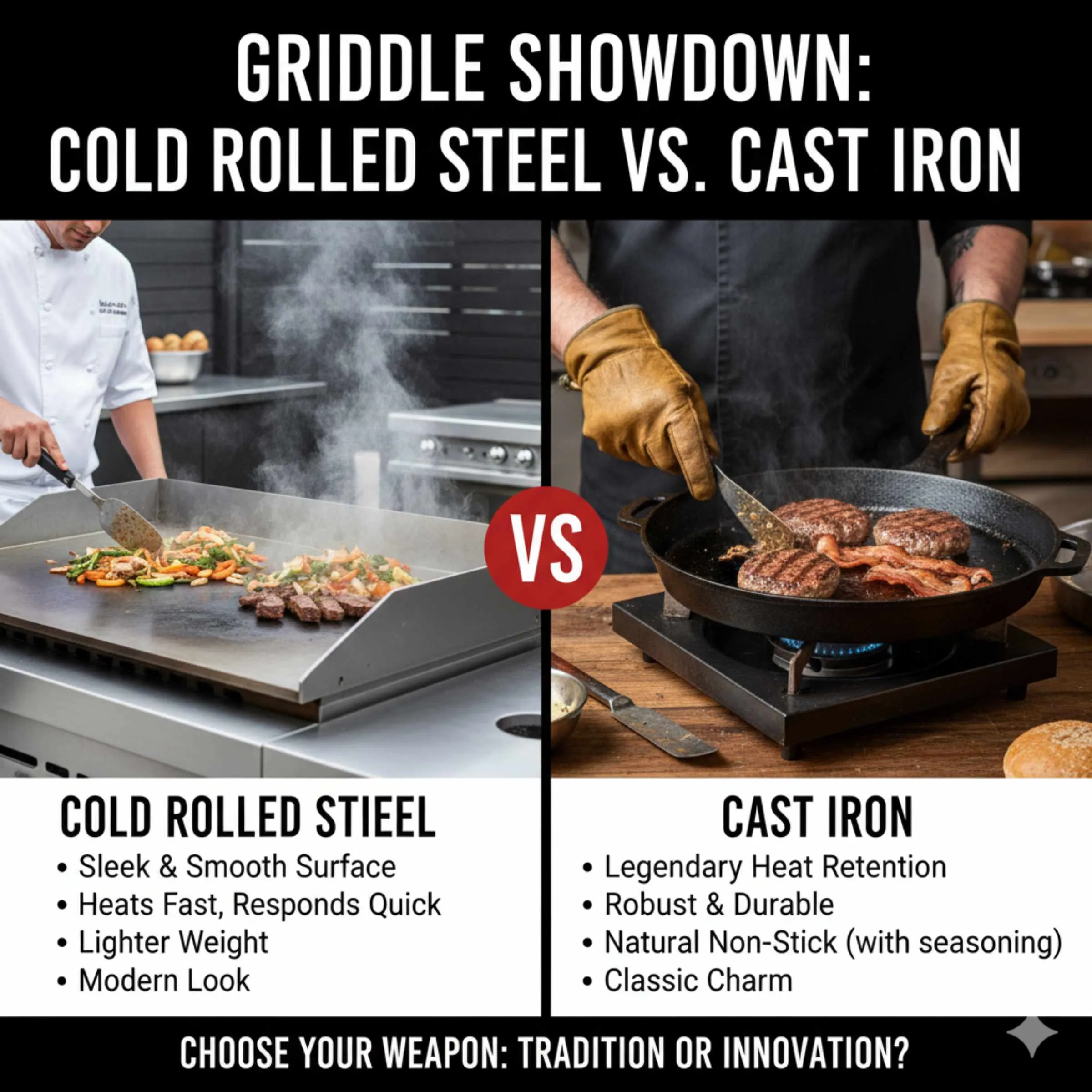
Cold rolled steel vs cast iron griddle choice comes down to cooking speed, weight, and maintenance. Cast iron holds heat superbly for long cooks, while cold rolled steel heats up faster and is lighter, making it a versatile and often preferred choice for many drivers and DIYers needing quick, reliable results.
Hey there, I’m Dustin Hall, and I know that when you’re looking to upgrade your cooking game—whether it’s in the garage for a quick weekend meal or planning your next overlanding adventure—the gear matters. Choosing the right cooking surface can feel like a big decision. Should you grab that heavy, classic cast iron griddle, or go for the sleeker, modern cold rolled steel? It’s confusing because both are tough and popular! Don’t sweat it. We are going to break this down simply, step-by-step, so you feel confident in your choice. By the end of this guide, you’ll know exactly which material fits your needs best, saving you time and frustration later.
The Big Question: Cold Rolled Steel Vs Cast Iron Griddle?
When folks talk about high-quality griddles, these two metals always come up. They are both fantastic cooking surfaces, but they behave very differently, especially regarding heat and care. Think of it like choosing between a reliable older truck and a newer, faster sports car—both get the job done, but the experience is unique. Understanding the core differences will make your decision easy.
What Exactly is Cold Rolled Steel? (CRS)
Cold rolled steel isn’t just a fancy name; it’s a manufacturing process. Steel starts out hot, but for CRS, the steel is rolled and finished at room temperature. This process squeezes out impurities and makes the surface incredibly smooth.
Why does this matter for your griddle?
Key Features of Cold Rolled Steel Griddles:
- Smooth Surface: It results in a very flat, even cooking area.
- Less Porous: It tends to require a slightly different seasoning process than cast iron, but it takes on non-stick qualities very well once seasoned.
- Lighter Weight: Compared to the same size cast iron piece, CRS is noticeably lighter, making it easier to handle, store, and move around.
- Faster Heat Response: It heats up quicker, which is great when you are in a hurry.
Many commercial kitchens prefer high-quality CRS because of its responsiveness and durability in high-turnover environments. Check out this overview on metal properties; it helps explain why room-temperature rolling creates such a strong, dense metal structure for cooking. Engineering Toolbox provides good data on steel properties.

Understanding Cast Iron: The Heritage Cookware
Cast iron is the old workhorse of the cooking world. It’s made by pouring molten iron into a mold. This process gives it that signature heavy, thick build.
Key Features of Cast Iron Griddles:
- Incredible Heat Retention: This is cast iron’s superpower. Once it’s hot, it stays hot—extremely hot—for a long time.
- Durability: You could easily drop a cast iron griddle and likely hurt the floor more than the pan. They last for generations.
- Thick Construction: The thickness helps distribute heat evenly, preventing those annoying “hot spots” once it’s fully preheated.
- Heavier Weight: This is the trade-off. They are serious heavy lifters, which impacts portability.
Head-to-Head: Heat Management and Performance
The biggest difference users notice immediately is how these two materials handle temperature changes. This is crucial when searing a steak or cooking delicate items like pancakes.
Heat Responsiveness (How Fast It Changes Temperature)
If you are cooking over a variable heat source—like a portable propane burner or a campfire where the flame constantly adjusts—responsiveness matters.
Cold Rolled Steel: The Quick Reactor
CRS responds quickly when you turn the heat up or down. If you are cooking a batch of smash burgers and need to drop the temp fast so they don’t burn, steel will lower its surface temperature faster than cast iron.
Cast Iron: The Thermal Battery
Cast iron acts like a thermal battery. Once you put heat into it, it takes a long time to heat up initially, but once it’s at temperature, it stores that thermal energy incredibly well. This steady heat is perfect for thick cuts of meat or big batches where you don’t want the temperature dropping sharply every time you add a new item.
Heat Retention and Stability
When comparing how long they stay hot, cast iron wins easily. Think about cooking breakfast for a whole crew. If you use a light steel griddle, the heat will drop significantly once you put four cold eggs and bacon down. A heavy cast iron griddle hardly notices the difference.
| Attribute | Cold Rolled Steel (CRS) | Cast Iron |
|---|---|---|
| Heat-Up Time | Fast | Slow (but thorough) |
| Heat Retention | Good | Excellent (Stays hot longer) |
| Weight/Portability | Lighter, easier to handle | Heavy, cumbersome |
| Initial Surface Smoothness | Very Smooth | Slightly rougher (unless highly polished) |
The Prep Work: Seasoning Secrets Revealed
Neither of these surfaces is truly non-stick right out of the box (unless you buy pre-seasoned versions, which is fine, but knowing how to do it yourself is empowering!). Seasoning is critical for longevity and performance.
Seasoning Cold Rolled Steel (CRS)
Seasoning CRS is essential for preventing rust and building a non-stick layer. Because CRS is so smooth, the oil bonds to the microstructure of the metal quickly.
Step-by-Step Guide to Seasoning Your CRS Griddle:
- Clean Thoroughly: Wash the new griddle with hot, soapy water. Dry immediately and completely. Any water left equals rust.
- Apply Thin Oil: Use a high smoke-point oil like grapeseed or flaxseed. Wipe the entire surface (top, bottom, edges) with oil, then wipe it off until it looks dry. You only want a molecular layer left.
- Bake Hot: Place the griddle upside down in an oven set to 450°F (232°C) for one hour.
- Cool Down: Turn the oven off and let the griddle cool completely inside the oven.
- Repeat: For the best seasoning, repeat steps 2 through 4 at least three times.
Seasoning Cast Iron: The Traditional Approach
Cast iron naturally has a more porous surface, meaning it soaks up seasoning oil easily. This is why cast iron often develops a deeper, darker patina over many years of use.
The exact steps are similar to CRS, but cast iron can often handle slightly higher baking temperatures without issue. Many seasoned chefs believe that the more food oils and fats are cooked into the cast iron over the decades, the better it performs.
Safety note: Always ventilate your kitchen well when baking seasoned cookware, as the burning-off process creates smoke and fumes.
Maintenance and Longevity: Which Is Easier to Live With?
This is where practicality meets your weekend plans. How much work are you willing to put in after you finish cooking?
Caring for Your Cold Rolled Steel Griddle
CRS is relatively easy to maintain, but it demands quicker attention after use.
- Cleaning: Scrape off food debris while warm. You can usually clean it with warm water and a non-abrasive sponge. Avoid soaking it.
- Rust Prevention: Because it’s lighter and often thinner than cast iron, CRS can flash rust faster if left wet or stored improperly. Always towel-dry immediately after rinsing.
- Re-Seasoning: If the surface looks dull or starts sticking during cooking, a quick wipe down with oil and heating it on the stove for 15 minutes is usually enough to refresh the seasoning layer.
Caring for Your Cast Iron Griddle
Cast iron is tough, but it has stricter rules about moisture.
- No Soap (Usually): While modern dish soap generally won’t destroy a well-seasoned piece instantly, traditional wisdom—and general best practice—is to avoid harsh detergents, as they strip away the valuable cooking oils.
- The Hot Water Scrub: Use a stiff brush or chainmail scrubber under hot running water to remove stuck-on bits.
- Drying is Crucial: After cleaning, dry it completely on the stovetop over low heat. You want to see all the water evaporate. This prevents cracking or rusting.
- Post-Dry Oil: Once completely dry and still warm, apply a light coat of oil to the cooking surface before storing.
For resources on proper cookware care, the National Center for Home Education suggests that understanding how materials interact with cleaning agents is key to preserving them. Mount Holyoke College provides great general chemistry advice on cleaning, which applies well to metal cookware.
Portability and Application: Where Will You Use It?
Your lifestyle dictates the tool. Are you cooking in a fixed outdoor kitchen, or are you packing this up to take camping every other weekend?
When Cold Rolled Steel Shines
CRS wins hands down in the portability department.
- Camping and Overlanding: Its lighter weight means less strain on your back and more room in your vehicle for essential supplies.
- Stovetop Flexibility: Because it heats up fast and is lighter, it handles small, quick tasks on standard home burners or small portable stoves exceptionally well without overheating the surrounding area.
- Beginners: For someone new to cooking or maintaining specialty pans, CRS generally has a slightly more forgiving nature when it comes to cleaning mistakes (a quick re-seasoning fixes most issues).
When Cast Iron Takes the Crown
Cast iron is the king of high-heat, long-duration cooking, often favored in setting where stability is key.
- High-Volume Cooking: Serving a large group directly off the cooking surface? The thermal stability of cast iron ensures every plate gets the same heat.
- Extreme Temperatures: If you plan to use the griddle directly over very high, uneven flame (like an open wood fire), the sheer mass of cast iron resists warping and maintains cooking integrity better.
- Home Flat-Top Setup: If it lives permanently on a dedicated outdoor cooking station, the weight becomes irrelevant, and you get to enjoy its superior heat retention every time.

Cost Comparison: What’s the Budget Look Like?
Generally, the raw material cost and the manufacturing process influence the final price tag.
In most retail situations, a similarly sized, high-quality piece of cold rolled steel will often be slightly less expensive than a thick, well-made cast iron counterpart. However, specialized, pre-seasoned or exceptionally thick gauge CRS can sometimes rival cast iron prices.
| Material | Typical Price Point (Similar Size) | Factor Affecting Price |
|---|---|---|
| Cold Rolled Steel | $$ (Moderate) | Thickness of the gauge and finishing process. |
| Cast Iron | $$ to $$$ (Moderate to High) | Weight, complexity of casting mold, and brand reputation. |
When you think about cost, picture this as an investment. A good cast iron griddle is literally an investment that can last 100 years. A quality CRS griddle, if cared for, will easily last decades, making both reasonable long-term choices.
Frequently Asked Questions (FAQ)
Q1: Can I use my cast iron griddle on an induction cooktop?
A: Yes, absolutely! Both cast iron and cold rolled steel are highly magnetic, meaning they work perfectly well on induction cooktops, which rely on magnetic fields to generate heat.
Q2: Is cold rolled steel hard to clean if food sticks?
A: If your cold rolled steel is properly seasoned, food shouldn’t stick badly. If it does, use salt as a gentle abrasive scrub while the pan is warm, rinse quickly, dry immediately, and apply a light coat of oil.
Q3: Does cast iron rust easier than cold rolled steel?
A: In general, yes. Cast iron is more porous and typically heavier, meaning it holds onto moisture longer if not dried thoroughly after washing. Both will rust if left wet, but cast iron requires a more vigilant post-wash drying routine.
Q4: Do I need to season a brand-new CRS griddle if it says “pre-seasoned?”
A: It’s always a good idea to add one or two extra seasoning layers on top of any factory pre-seasoning. This bumps up the protection and customizes the non-stick layer perfectly for your specific cooking style and heat source.
Q5: Which material is generally better for searing meat at very high temperatures?
A: While both can reach high temperatures, cast iron generally manages sustained, extremely high heat better due to its mass, ensuring the surface temperature doesn’t dip when you place cold food on it. However, a thick CRS griddle performs very closely.
Q6: How hot can I safely use my CRS griddle on a grill?
A: Cold rolled steel is very robust. You can safely use it over high grill heat, often up to 500°F (260°C) or more during the seasoning process. Just be mindful of rapid temperature changes causing temporary warping, though it usually self-corrects upon cooling.
Conclusion: Making Your Final Decision
Deciding between cold rolled steel and cast iron isn’t about finding which one is “better” overall; it’s about finding which one fits your driving life and cooking style best.
If you value portability, faster heat-up times, and slightly less physical effort when moving your gear, the excellent performance of a seasoned Cold Rolled Steel griddle makes it a fantastic, modern choice. It’s responsive and durable enough for nearly any standard cooking task.
However, if you prioritize maximum heat retention for seared perfection, cook high volumes often, and don’t mind the extra muscle required to carry it around, the rock-solid stability of Cast Iron remains unmatched. It’s the heavyweight champion that never lets the temperature drop.
Take a moment to think about your primary use. Are you road tripping every weekend? Lean toward steel. Are you setting up a permanent backyard cooking station? Cast iron is great. Either way, you are setting yourself up for delicious meals. Grab your favored metal, run a good seasoning cycle, and get cooking with confidence. You’ve got this!