
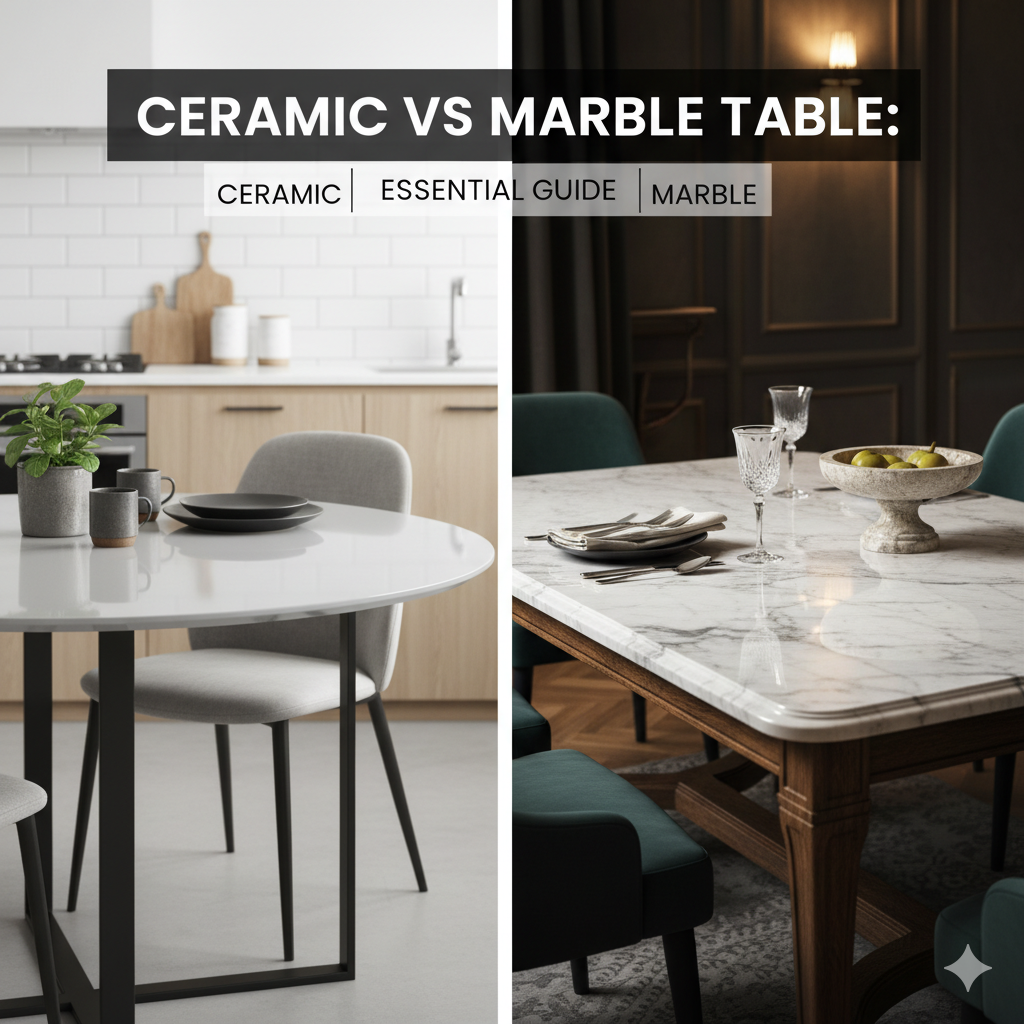
When deciding between a ceramic vs marble table, ceramic often wins for easy maintenance, stain resistance, and durability against scratches, while marble offers unmatched natural luxury and timeless elegance. Choosing the best one depends on your lifestyle needs for daily use versus high-end aesthetics.
Thinking about a new table top can be tough! You see those stunning marble slabs online, but then you hear about how easily they stain. Maybe you see sleek ceramic and wonder if it looks cheap. It’s a common headache for homeowners trying to balance beauty with real-life use. Worry not! I’m here to break down the pros of ceramic versus marble tables so you can pick the right surface with total confidence. We’ll look at how they hold up to daily life, spills, and scratches. Let’s clear up the confusion so you can get that perfect centerpiece!
Ceramic Vs Marble Table: Understanding the Core Materials
Before we jump into the pros and cons, let’s quickly understand what these materials actually are. Knowing their basic makeup helps you see why they behave differently in your home. Think of it like knowing the difference between basic oil and synthetic oil for your car engine—both work, but one handles stress better!
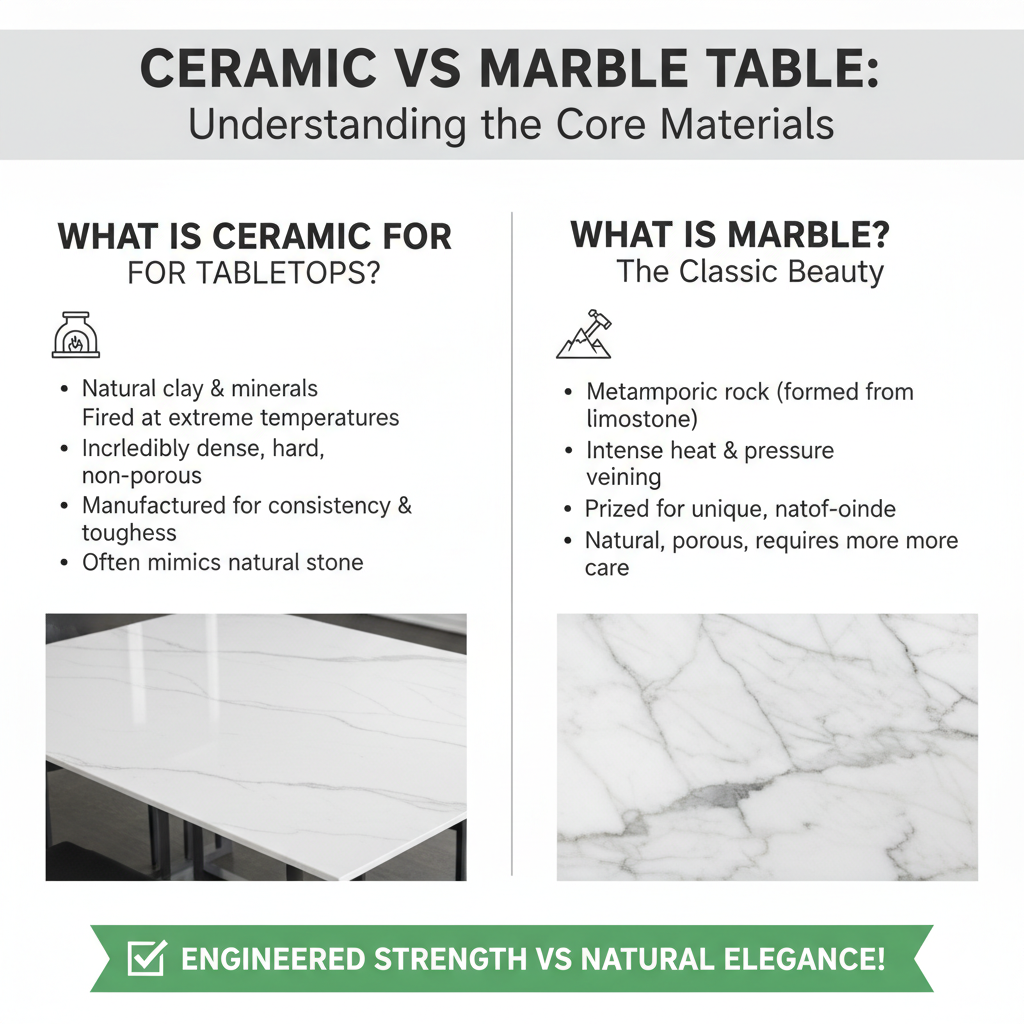
What is Ceramic for Tabletops?
Ceramic tabletops aren’t just your old clay pottery. Today’s ceramic for furniture is often porcelain or specialized engineered stone. These materials are made from natural clay and minerals, which are then fired at extremely high temperatures. This baking process makes the surface incredibly dense, hard, and non-porous (meaning liquids can’t soak in easily).
Modern ceramic tables often mimic the look of natural stone, like marble, but they are manufactured for consistency and toughness. They are built tough for everyday action.
What is Marble? The Classic Beauty
Marble is a metamorphic rock, formed when limestone is subjected to intense heat and pressure deep within the earth. It’s prized for its unique veining—those beautiful, flowing lines you see in high-end kitchens and luxury furniture. Every slab of marble is truly one-of-a-kind, making it a natural statement piece.
The big thing to remember with marble is that it is natural, and being natural means it has pores and softer characteristics than engineered materials. This is what gives it its beauty but also requires more care.
Essential Pros of Ceramic Tabletops for Everyday Living
If you have kids, pets, or just hate spending weekends sealing surfaces, ceramic is often your reliable workhorse. Here are the biggest wins for choosing a ceramic table.
1. Superior Stain Resistance (The Spill Stopper)
This is perhaps the biggest advantage for busy households. Because ceramic is fired at such high heat, its surface becomes virtually non-porous. This means common spills—like red wine, coffee, or tomato sauce—sit right on top instead of soaking in and leaving a permanent mark.
- Easy Cleanup: Most spills wipe right off with a damp cloth.
- No Sealing Required: Unlike marble, you never have to worry about applying special sealants to keep stains out. This saves time and money!
2. Incredible Durability and Scratch Resistance
Ceramic surfaces are extremely hard. When comparing hardness ratings, high-quality ceramic often outperforms even sealed marble. This means daily wear and tear is less of an issue.
Think about sliding a dinner plate across the table or accidentally bumping it with keys. A ceramic surface is far less likely to show fine scratches or etching than softer natural stone. This reliability is key for a piece of furniture you use every day.
3. Heat Resistance That Protects the Surface
While you should always use trivets (just good practice!), ceramic handles heat much better than many other materials, including some heavily sealed natural stones. The firing process essentially bakes out the material’s sensitivity to temperature changes, making it less likely to crack or discolor from hot pots or serving dishes.
4. Consistent Appearance and Color Options
Since ceramic is manufactured, you get exactly what you order. If you need two tables to match perfectly, or if you want a very specific, modern color (like matte black or a bright white), ceramic delivers consistency. You don’t have to worry about the “vein lottery” that comes with natural marble.
5. Generally Lighter Weight
For dining tables, moving furniture can be a headache. Ceramic tops, especially those made with honeycomb cores or thinner slabs, are often lighter than a solid piece of natural marble of the same size. This makes delivery, installation, and even slight repositioning much easier for the average person.
Essential Pros of Marble Tabletops for Timeless Elegance
If your main goal is creating a showpiece—a surface that speaks of luxury and history—marble is the clear winner. Its pros are focused heavily on aesthetics and prestige.
1. Unmatched Natural Beauty and Uniqueness
This is where marble shines brightest. Every single slab of marble has a unique pattern created by centuries of geological pressure. You are bringing a piece of natural history into your home. No one else will have the exact same veining pattern as you.
This organic beauty adds immediate visual warmth and sophistication to any room. It pairs perfectly with high-end design styles, from classic traditional to modern minimalism.
2. The “Cool Factor”
Marble naturally stays cooler to the touch than wood, glass, or many engineered materials. While this is a minor point for a dining table, it can be a noticeable advantage in warmer climates or for surfaces used for prep work (like pastry making, though sealing is crucial here).
3. High Perceived Value and Investment
Marble is widely recognized as a premium material. Having a marble table instantly elevates the perceived value and luxury of your space. In terms of resale or interior design trends, quality marble maintains its status as a high-end material.
4. Develops a Beautiful Patina Over Time
While etching and minor dulling are often seen as “damage” on marble, some enthusiasts appreciate the patina that develops over decades of use. This slight softening of the polish tells the story of the piece, adding character that a perfectly uniform ceramic table cannot replicate.
Side-by-Side Comparison: Ceramic vs Marble Table Pros
To help you decide where your priorities lie, let’s put the key strengths head-to-head in a quick reference table. Think about which column better matches your lifestyle.
| Feature | Ceramic Table Pros | Marble Table Pros |
|---|---|---|
| Stain Resistance | Excellent (Non-porous) | Fair (Requires regular sealing) |
| Scratch Durability | Very High (Harder surface) | Moderate (Softer stone) |
| Maintenance Effort | Very Low (Wipe and go) | High (Needs periodic resealing) |
| Aesthetic Appeal | Consistent, Modern, Varied Colors | Unique, Luxurious, Natural Veining |
| Heat Resistance | Excellent | Good (Can scorch sealant) |
The Maintenance Factor: Where Ceramic Really Shines
If you’re coming from a background of fighting dark rings on wood tables, you’ll appreciate the low-stress maintenance of ceramic. For marble, maintenance is not just about cleaning up spills; it’s about preventative care.
Caring for Your Ceramic Top: Simple Steps
Keeping a ceramic table looking brand new is remarkably easy. It requires almost no specialized knowledge. Think of it like cleaning a good quality ceramic coffee mug.
- Daily Wipe Down: Use a soft cloth, warm water, and mild dish soap for everyday crumbs and fingerprints.
- Tough Stains: For anything sticky or dried on, use a non-abrasive sponge and a gentle, pH-neutral cleaner. Avoid harsh scouring pads, as they can dull the factory finish over time.
- No Chemicals Needed: You never need to buy special stone cleaners or sealants. This is a huge money saver!
The Marble Maintenance Reality Check
Marble is an acid-sensitive stone. This means things like lemon juice, vinegar, wine, and even some sodas can chemically react with the stone’s surface. This reaction is called etching, and it causes dull spots.
To maintain that high-gloss look, you must commit to sealing. According to many industry standards, natural marble countertops and tables should be sealed at least once or twice a year, depending on use. For a good overview of stone care, resources like the Marble Institute of America (though focused on countertops, the principles apply) stress the importance of sealing. Learning about proper stone maintenance is crucial before investing in marble.
Aesthetics and Design Flexibility
Both materials offer fantastic design flexibility, but they achieve it in very different ways. Your personal style will guide you here.
Ceramic: The Modern Matchmaker
Ceramic has come a long way. You can now find engineered ceramic that mimics the look of concrete, aged wood, or, yes, even high-end marble—often with better performance characteristics.
- Color Customization: Manufacturers can create almost any color or texture imaginable.
- Seamless Look: If you choose a large ceramic slab, the pattern flow is usually very even, creating a clean, contemporary look.
- Matte vs Gloss: You have excellent control over the final finish, often preferring a smooth matte look that hides fingerprints better.
Marble: The Timeless Classic
Marble inherently brings a sense of history and timeless elegance. It works beautifully in formal dining rooms or high-style living areas.
- Natural Depth: The movement in the veining offers a visual depth that manufacturing processes struggle to perfectly replicate.
- Versatility in Style: It suits both ultra-modern spaces (used as a stark contrast) and very traditional, ornate settings.
- The Investment Piece: Many consider marble furniture an heirloom piece that appreciates in perceived value over time if well-cared for.
Weight, Installation, and Structural Considerations
When buying a large piece of furniture, you have to think about how heavy it is to move and how much stress it puts on the base structure.
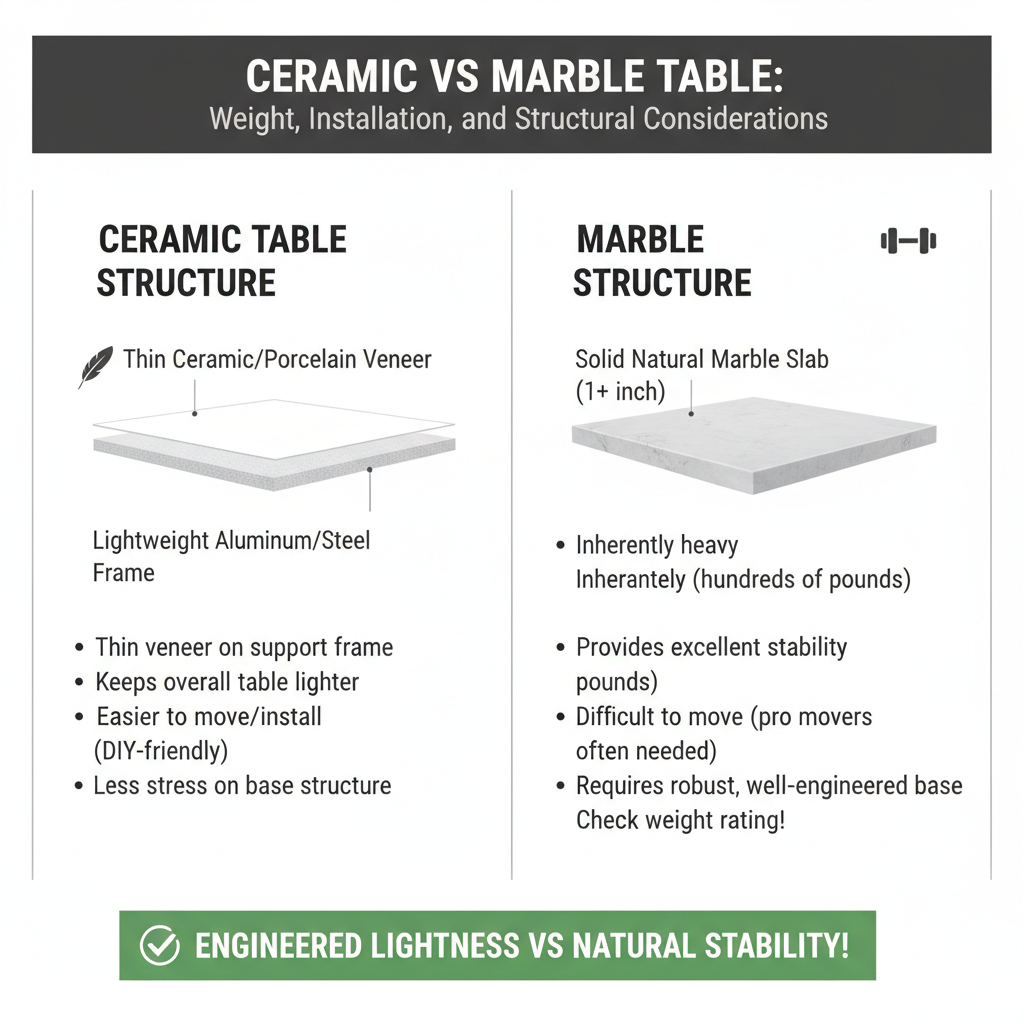
Ceramic Table Structure
Many modern ceramic tops are actually thin veneers of porcelain placed over a supporting structure, often aluminum or steel framing. This design choice keeps the overall table lighter.
If you are installing this yourself or plan to move it in the future, lighter weight is a significant pro. You are less likely to need professional movers for a simple table swap.
Marble Table Structure
Natural marble slabs are inherently heavy. A standard 1-inch thick marble slab for a dining table can weigh several hundred pounds. This weight provides fantastic stability—the table won’t wobble! However, it means that once it’s placed, it tends to stay there. This is a major consideration for renters or anyone who likes to frequently redecorate.
Furthermore, the base (legs and frame) supporting a marble top needs to be robust and well-engineered to handle that massive weight safely. Always check the weight rating specified by the furniture maker.
FAQ: Beginner Questions About Table Materials
Q1: Is ceramic scratch-proof?
A: Ceramic is highly scratch-resistant, much more so than soft wood or glass. While no surface is 100% scratch-proof against extreme force, daily use like setting down plates or keys is usually no problem for a good quality ceramic top.
Q2: Can I put a hot pan directly on a ceramic table?
A: Generally, yes, ceramic handles high heat very well due to the firing process. However, for safety and to protect any finish coatings, it is always best practice to use a trivet or hot pad, especially with brand-new tables.
Q3: Will my marble table definitely stain if I spill coffee on it?
A: If the marble is properly sealed and maintained, a coffee spill should sit on the surface for a short time and wipe away easily. If the marble is unsealed, or if the sealant has worn off, the coffee will likely soak in and leave a dark stain relatively quickly.
Q4: Does ceramic look “fake” compared to real marble?
A: High-end engineered ceramic has become incredibly realistic, often fooling the casual observer. Ceramic’s primary trade-off is sacrificing the true depth and unique imperfection of natural stone for reliable performance. If you prefer modern consistency, you’ll love it; if you crave natural variation, you might prefer real marble.
Q5: Which material is better for outdoor use?
A: Ceramic is generally better for outdoor environments because it handles UV rays, moisture, and temperature fluctuations more consistently than natural marble, which can sometimes crack or suffer sealant issues when exposed constantly to the elements.
Q6: Which table is easier for a DIYer to clean?
A: Ceramic is significantly easier for the beginner DIYer. It requires just simple soap and water. Marble requires specialized cleaners and diligence regarding acid exposure and annual resealing.
Making the Final Call: Which Surface Fits Your Life?
Deciding between ceramic and marble isn’t about declaring one universally superior; it’s about matching the material’s strengths to your lifestyle needs. Think of it like choosing tires: some people need rugged all-terrain (ceramic), and others need smooth, high-performance summer tires (marble).
If you read through the pros and found yourself nodding along when we talked about stain resistance, low maintenance, and durability for busy, everyday life, then the pros of a Ceramic Table are heavily stacked in your favor. It offers modern reliability without the constant worry.
If, however, your main goal is creating an undeniable focal point steeped in natural luxury, and you are fully prepared to commit to the sealing and careful handling that fine natural stone demands, then the timeless, unique elegance of a Marble Table is worth the extra effort.
No matter which you choose, remember that taking good care of your investment ensures it looks great for years to come. You’ve got this! Enjoy picking out your beautiful new centerpiece.