Quick Summary: Successfully clean dog urine from carpet by acting fast! Blot up excess moisture, treat with an enzymatic cleaner specifically designed for pet stains, and rinse thoroughly. This method neutralizes odors and prevents lingering stains, restoring your carpet’s beauty.
Oh, the joys of pet ownership! While our furry friends bring endless happiness, occasional accidents can leave us with moments of panic. That dreaded yellow stain and the lingering odor on your carpet can feel like a design disaster. But don’t worry! As your go-to home decor advisor, I’m here to tell you that tackling dog urine stains on carpet is totally achievable. You don’t need to be a cleaning expert or spend a fortune on professionals. With a few simple tools and a step-by-step approach, you can rescue your carpet and reclaim your beautiful, fresh-smelling home.
This guide will walk you through everything you need to know, from immediate cleanup to deep-down odor removal. Let’s get your home looking and smelling its best again!
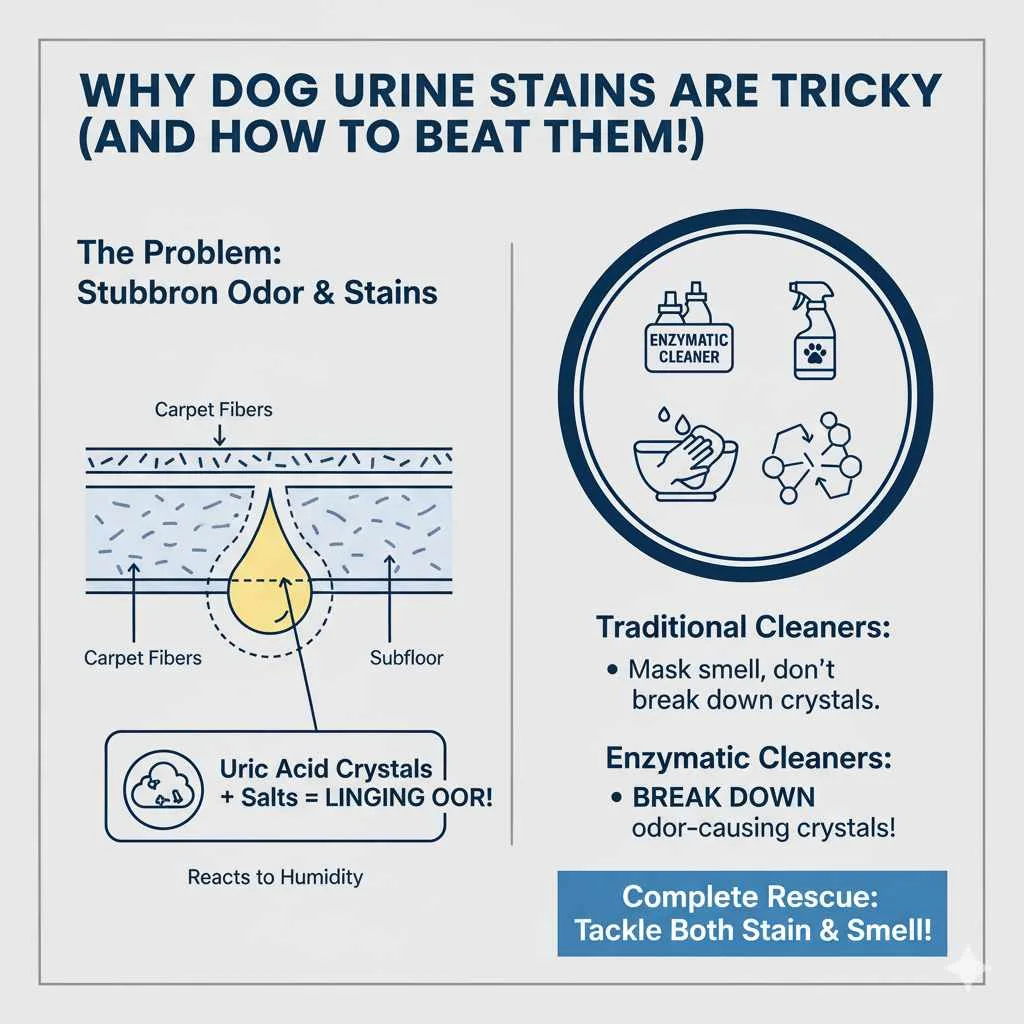
Why Dog Urine Stains Are Tricky (And How to Beat Them!)
Dog urine on carpet isn’t just an eyesore; it’s a multi-layered problem. The initial liquid soaks into the carpet fibers and padding. If not treated properly, the salts and uric acid crystals in the urine can remain even after the moisture evaporates. These crystals react to humidity, causing that unmistakable, stubborn odor to resurface, especially on damp days.
Traditional cleaners might mask the smell temporarily, but they often don’t break down these odor-causing crystals. This is where specialized solutions come in. Understanding how urine affects your carpet is the first step to a complete rescue. We’ll cover the best methods to tackle both the stain and the smell, ensuring a truly clean carpet.
Immediate Action: The First 5 Minutes Matter Most!
When an accident happens, your speed is your greatest ally. The sooner you can address the mess, the easier it will be to prevent a permanent stain and odor. Think of it like this: the longer the urine sits, the deeper it penetrates and the more it sets into the carpet fibers.
Here’s what to do in those crucial first few minutes:
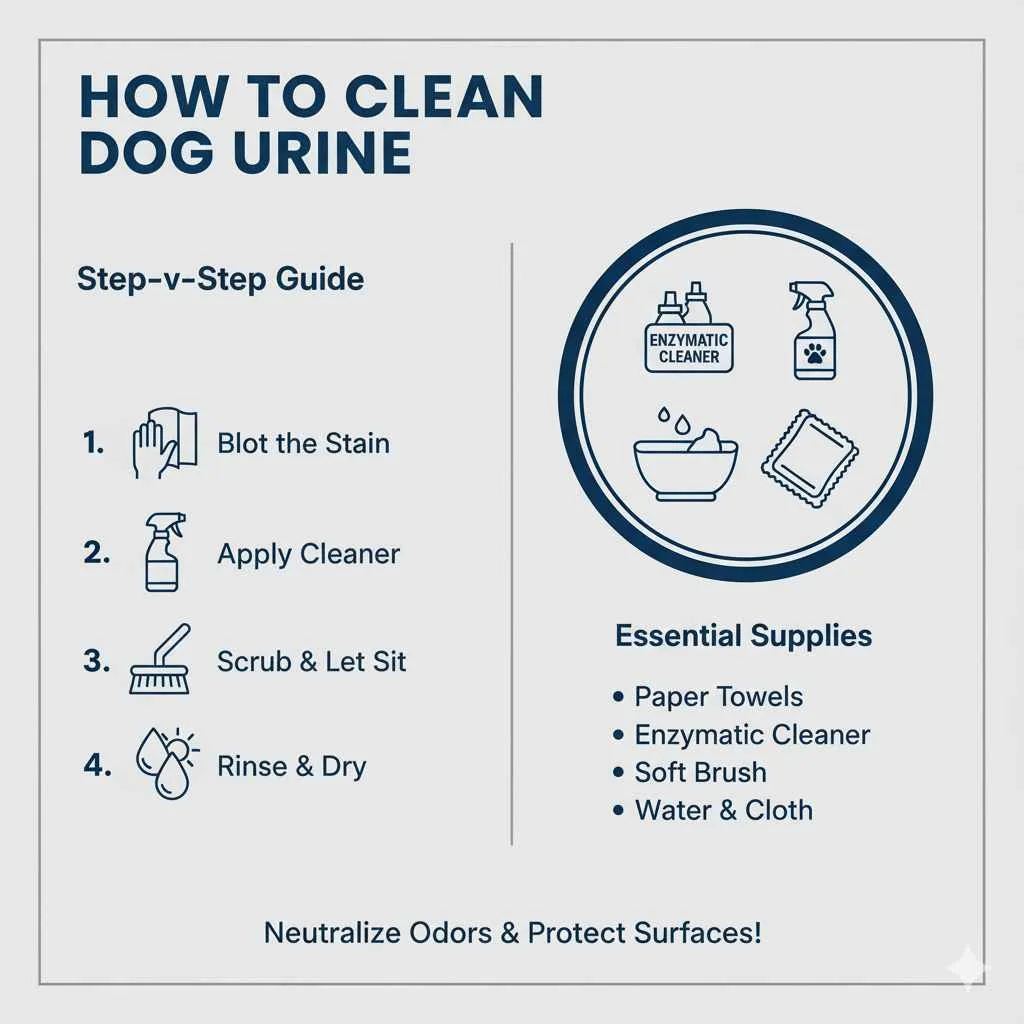
- Gather your tools: You’ll need paper towels or clean, absorbent cloths and a good amount of elbow grease.
- Blot, don’t rub: Grab those paper towels and press firmly onto the wet spot. The goal is to absorb as much liquid as possible. Keep replacing the towels with fresh ones as they become saturated. Continue blotting until no more liquid transfers to the towel. This is the most critical step to prevent spreading and pushing the urine deeper.
- Be patient: This might take a few minutes and several passes with fresh towels. Resist the urge to scrub, as this will push the urine further into the carpet and potentially damage the fibers.
The less liquid remaining, the less work your cleaning solution will have to do. This initial cleanup is key to preventing future odor issues and making the entire cleaning process much more successful.
Essential Cleaning Supplies for a Carpet Rescue
Having the right supplies on hand makes all the difference when an accident strikes. You don’t need a professional arsenal, just a few key items. These are the workhorses that will help you banish stains and odors effectively.
Here’s what you should have:
- Enzymatic Cleaner: This is non-negotiable. Enzymatic cleaners contain beneficial bacteria and enzymes that digest organic proteins, like those found in urine. They break down the odor-causing molecules rather than just masking them. Look for cleaners specifically formulated for pet stains. Brands like Rocco & Roxie, Nature’s Miracle, or Simple Solution are popular and effective. You can often find these at pet stores or major retailers.
- Paper Towels or Absorbent Cloths: For blotting up the initial mess.
- Gloves: To keep your hands clean and hygienic.
- Warm Water: For rinsing.
- Spray Bottle: For applying water and cleaning solutions evenly.
- Old Toothbrush or Soft Brush: For gently working cleaner into the carpet fibers (use with caution!).
- Vacuum Cleaner: For a final touch.
- Optional: Baking Soda: A natural deodorizer that can help absorb lingering smells.
- Optional: White Vinegar: A mild acid that can help neutralize odors and lift some stains.
Having these items ready means you can jump into action the moment you discover a spot. Preparation is part of the design for a stress-free home!
Step-by-Step Guide: How to Clean Dog Urine from Carpet
Now that you’re prepared, let’s get down to business. Follow these steps carefully for the best results. Remember, patience and thoroughness are your best friends here!
Blot Up Excess Urine
As mentioned, this is your absolute first step. Use clean paper towels or absorbent cloths to press into the wet area. Continue blotting until no more moisture is absorbed. The more liquid you remove now, the easier the rest of the process will be. Don’t rub; just press firmly.Rinse with Cold Water
Once you’ve absorbed as much as possible, lightly dampen the area with cold water. You can do this by spraying a fine mist from a spray bottle or blotting with a damp cloth. The purpose is to dilute the remaining urine, making it easier for the cleaner to work. Again, blot up this excess water with dry towels.Apply the Enzymatic Cleaner
This is where the magic happens. Generously spray your chosen enzymatic cleaner onto the affected area. Make sure you saturate the spot thoroughly, extending slightly beyond the visible stain. The cleaner needs to reach as deep as the urine did, into the carpet fibers and possibly the padding. Read the product instructions, as some recommend letting it sit for a specific amount of time.Some experts recommend saturating the area to ensure the enzymatic cleaner reaches all the way down to the carpet backing and padding, areas where urine can linger and cause odor. For older stains, you might need to let the cleaner work for longer, sometimes even overnight. For the best results, refer to the specific instructions on your enzymatic cleaner’s label.Let the Cleaner Work
This step requires patience. The enzymes need time to break down the uric acid crystals. Allow the area to air dry completely. This can take anywhere from several hours to a full day or two, depending on how damp you made the area and your home’s humidity. You can cover the treated spot with a clean, damp towel and place a heavy, waterproof object on top to help keep it moist and allow enzymes to penetrate deeper. Ensure the cover is breathable so air can circulate.Blot Again (Once Dry)
Once the area is completely dry, the urine residue and cleaner will have been broken down. Blot the area again with clean, dry towels. You might be surprised by what transfers to the towel, even after it appeared dry.Rinse and Blot Once More
Lightly mist the area with clean water again and blot thoroughly with dry towels. This step helps to remove any residual cleaner and loosened residue. It’s like a final tidy-up for your carpet.Vacuum
Once the carpet is fully dry, vacuum the area. This helps to lift the carpet fibers, restore their texture, and remove any lingering dry particles. It gives the carpet a finished, clean look and feel.
Alternative Methods: When to Use Vinegar or Baking Soda
While enzymatic cleaners are generally the most effective solution, there are times when you might want to employ other common household items. These can be good for very light, fresh stains or as a supplementary measure for odor control.
Using White Vinegar
White vinegar is a mild acid that can help neutralize the alkaline salts in urine, which are responsible for some of the odor. It can also act as a natural disinfectant. However, it’s less effective at breaking down the uric acid crystals than enzymatic cleaners.
How to use vinegar:
- Mix equal parts white vinegar and water in a spray bottle.
- After blotting up excess urine (step 1 above), spray the vinegar solution onto the stained area, ensuring it’s damp but not soaking.
- Let it sit for about 10-15 minutes.
- Blot up the vinegar solution with clean, dry towels.
- Rinse the area with plain water and blot dry again.
- Ventilate the room well, as the vinegar smell will be noticeable initially.
Using Baking Soda
Baking soda is a fantastic natural deodorizer. It can absorb odors that remain after cleaning or as a secondary treatment.
How to use baking soda:
- After the area has dried from an enzymatic cleaner or vinegar treatment, sprinkle a generous amount of baking soda over the affected spot.
- Let it sit for several hours, or ideally overnight.
- Vacuum up the baking soda thoroughly.
Important Note: Never mix vinegar and baking soda directly in a large batch, as they will create a fizzy reaction. Apply them separately according to the steps above, allowing the area to dry in between if using both.
When to Consider Professional Help
While most dog urine stains can be successfully handled with DIY methods, there are situations where calling in the professionals might be the best option. These include:
- Large or Old Stains: If the accident covered a very large area or if the stain is old and deeply set, professional carpet cleaners have more powerful equipment and specialized solutions to tackle it.
- Sensitive Carpet Materials: If you have expensive or delicate carpet materials like wool or silk, it’s wise to consult professionals who know how to clean them without causing damage.
- Persistent Odor: Despite your best efforts, if the odor remains strong and pervasive, professional deep cleaning might be necessary to reach deeper into the padding and subfloor.
- Recurring Accidents: If your dog repeatedly has accidents in the same spot, it might indicate a medical or behavioral issue that needs veterinary or professional training attention. Cleaners can help remove the scent markers that might be attracting your dog back to the same spot.
Professional carpet cleaning services have access to industrial-grade extractors and cleaning agents that can penetrate deeper into your carpet and padding than most home remedies. Their expertise can ensure a thorough clean without compromising your carpet’s integrity. Resources like the Carpet and Rug Institute (CRI) offers guidance on professional carpet care and selection.
Preventing Future Accidents: A Stylish and Smart Approach
The best way to deal with dog urine stains is to prevent them from happening in the first place! Creating a positive and predictable routine can help your dog feel secure and reduce the likelihood of accidents in the house. Think of it as designing a harmonious living space for both you and your pet.
Here are some tips for prevention:
- Consistent Potty Schedule: Take your dog out frequently, especially after waking up, after meals, and before bedtime. Reward successful potty breaks with praise and treats.
- Supervision: Keep an eye on your dog, especially during the initial training phases or if they’re prone to accidents. If you see signs they need to go (sniffing, circling), take them outside immediately.
- Crate Training: When used correctly and for appropriate durations, crate training can help with house-training because dogs typically avoid soiling their den.
- Address Medical Issues: Sudden changes in potty habits can be a sign of a medical problem. Consult your veterinarian if you notice any unusual behavior.
- Clean Accidents Thoroughly: As we’ve discussed, fully cleaning up accidents with enzymatic cleaners is crucial. Lingering odors can encourage repeat offenses.
- Designated Potty Area: If possible, try to have a specific spot outdoors where you’d prefer your dog to relieve themselves.
A well-trained dog makes for a more enjoyable home environment. By incorporating these preventative measures, you’ll spend less time cleaning and more time enjoying your beautiful, pet-friendly home.

FAQ: Your Carpet Cleaning Questions Answered
Here are some common questions beginners have about cleaning dog urine from carpets:
Q1: How quickly do I need to clean a dog urine stain?
A: The sooner, the better! Ideally, within minutes of discovery. Fresh stains are much easier to remove and leave less of a chance for odor-causing residues to set in.
Q2: Can I use bleach or ammonia to clean dog urine?
A: No, absolutely not. Bleach can damage carpet fibers and cause discoloration. Ammonia is actually a component of urine, so using it can sometimes attract your dog to re-mark the spot. Stick to enzymatic cleaners.
Q3: How do I get rid of the smell completely?
A: The key is to use an enzymatic cleaner that breaks down the uric acid crystals. Ensure you saturate the area thoroughly and allow the cleaner to air dry completely. Baking soda can be used afterwards to absorb any residual odors.
Q4: What if the stain has been there for a while?
A: Older stains are tougher, but an enzymatic cleaner is still your best bet. You may need to reapply it multiple times and let it soak longer. For very old or large stains, professional cleaning might be necessary.
Q5: Will an enzymatic cleaner discolor my carpet?
A: Reputable enzymatic cleaners are designed to be safe for most carpet types. Always test a small, inconspicuous area first before applying it to the main stain. Never use harsh chemicals like bleach.
Q6: What’s the difference between a pet stain remover and an enzymatic cleaner?
A: While many products labeled “pet stain remover” are enzymatic cleaners, some may be general-purpose cleaners. For urine, it’s crucial to choose a product specifically stating it uses “enzymes” or is “bio-enzymatic” to ensure it breaks down the odor-causing compounds effectively.
Q7: Can I use a carpet cleaning machine?
A: Yes, if the machine has a specific pet stain or odor setting. You can also use a portable spot cleaner. Always pre-treat the stain with an enzymatic cleaner and ensure you follow the machine’s instructions. Avoid using hot water with urine stains, as heat can set the stain and bond proteins to the fibers.
Conclusion: Embrace a Fresher, Cleaner Home
Dealing with dog urine on your carpet might seem daunting, but it’s a challenge you can absolutely overcome. By understanding the science behind the stains and odors, acting quickly, and using the right tools – especially a high-quality enzymatic cleaner – you can effectively rescue your carpet. Think of this process not just as cleaning but as part of maintaining a beautiful, comfortable, and welcoming home environment for you and your beloved pet.
Remember, the goal is to restore your carpet to its former glory, free from stains and unwelcome odors. With the steps outlined in this guide, you have the power to achieve amazing results. So, take a deep breath, gather your supplies, and tackle that stain with confidence. Your beautifully clean and fresh-smelling home awaits!