
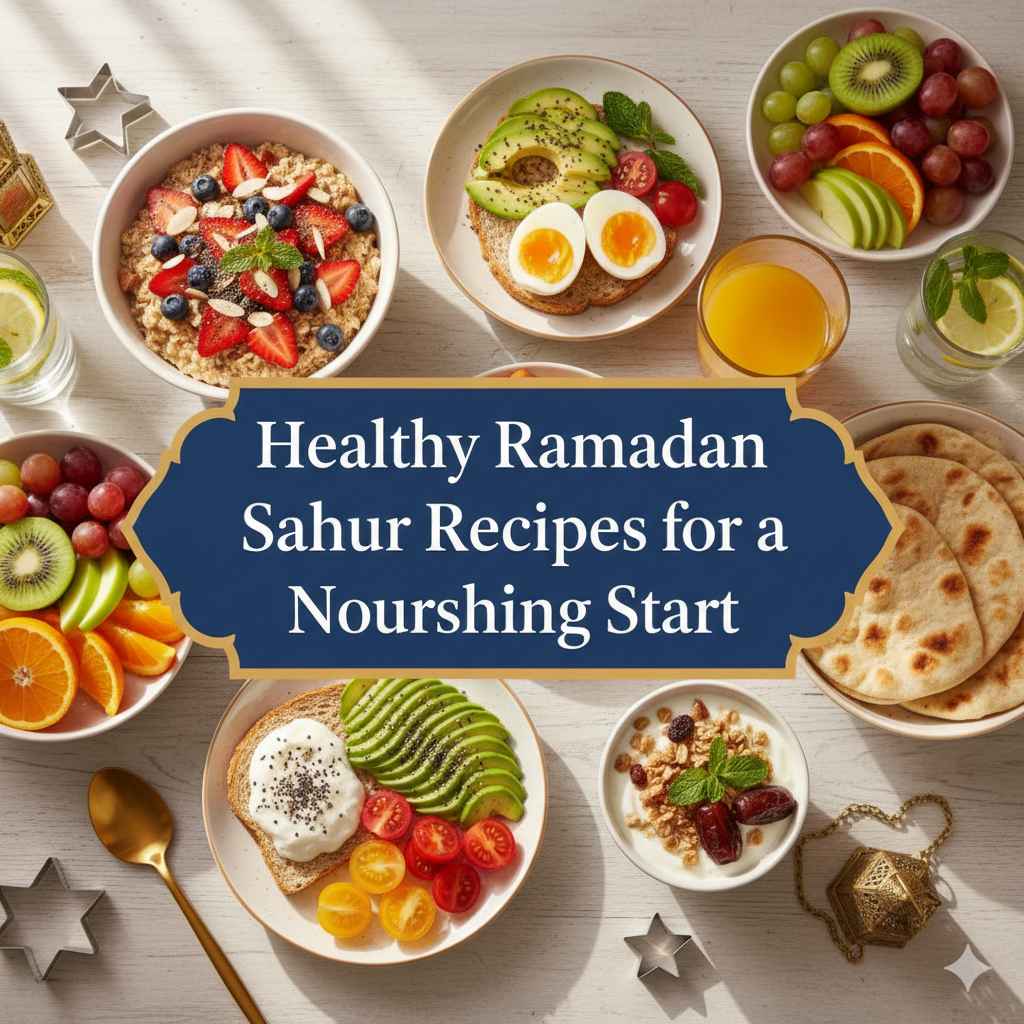
Planning Healthy Ramadan Sahur Recipes to Start Your Day Right can feel tricky for many, especially those new to fasting. You might worry about making food that’s filling, delicious, and keeps you energized all day. But don’t fret! We’re here to help you get ready for the day with simple, tasty, and satisfying options. We’ll show you step-by-step how to create meals that are great for Sahur. Get ready to explore some fantastic ideas that will make this Ramadan extra special!
Importance of Nutritious Sahur Meals
Sahur is the pre-dawn meal that Muslims eat before beginning their fast during Ramadan. It’s important because it’s what fuels your body and mind throughout the day of fasting. Eating a good Sahur meal helps maintain energy levels, prevents headaches and fatigue, and supports overall well-being. A nutritious meal provides your body with the necessary nutrients and hydration, reducing the chances of dehydration and helping you stay focused on daily activities. Poor Sahur choices can lead to a difficult day, so choosing the right foods is key to a successful fast.
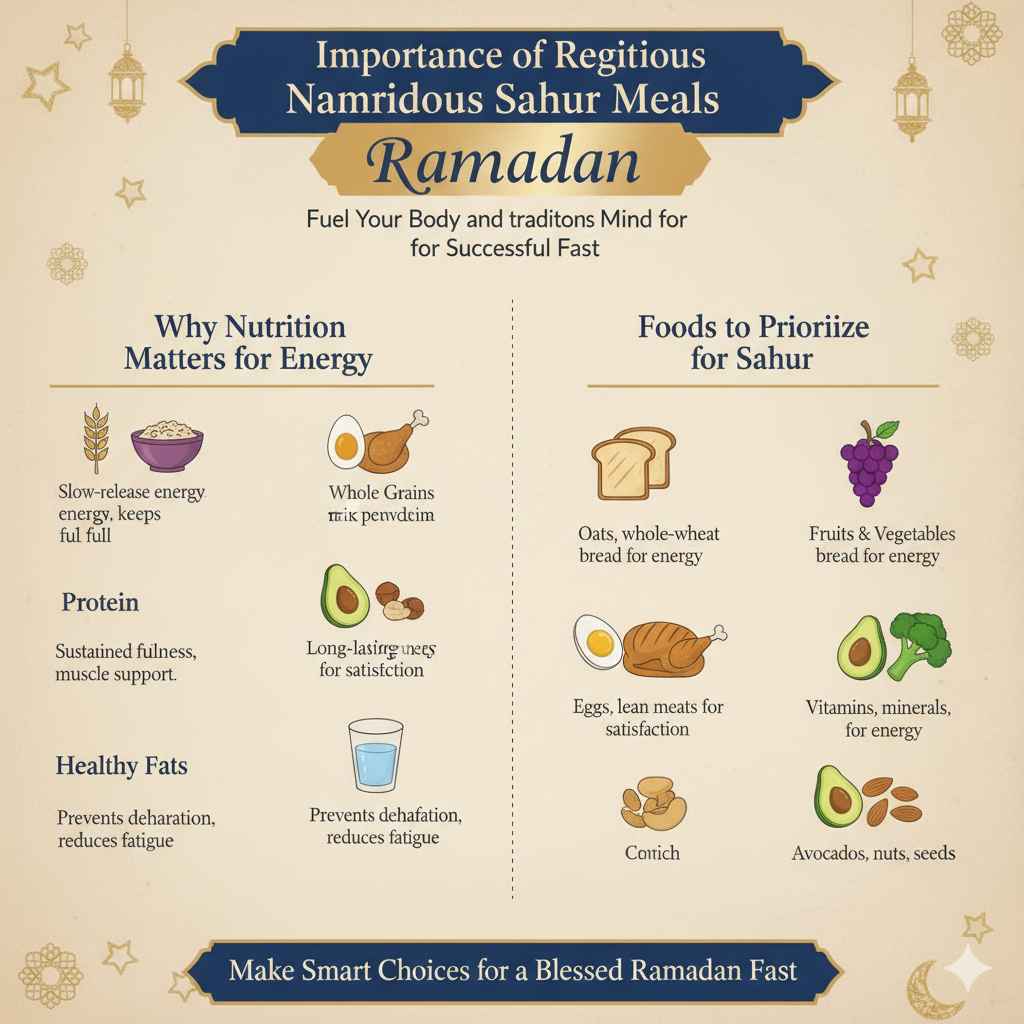
Why Nutrition Matters for Energy
During Ramadan, your body is essentially running on its reserves. The right foods at Sahur can significantly impact how you feel. Foods high in complex carbohydrates, like whole grains, release energy slowly, keeping you fuller for longer. Including protein in your Sahur meals is also important because it aids in keeping you full and helps build and repair tissues. Furthermore, incorporating healthy fats provides your body with necessary energy and aids in the absorption of vitamins. Proper hydration is a key component, so be sure to include water-rich foods and drink enough water before dawn.
- Complex carbohydrates are broken down slowly, giving you consistent energy over the day.
- Protein helps you feel full and supports muscle health, which is especially important during fasting.
- Healthy fats provide sustained energy and help absorb vitamins.
- Proper hydration prevents dehydration, which can lead to fatigue and headaches.
Foods to Prioritize for Sahur
Focusing on the right foods makes all the difference for your Ramadan fasting experience. Prioritize foods that release energy slowly, keep you feeling full, and provide essential nutrients. Think whole grains like oats and whole-wheat bread. Protein-rich foods such as eggs, lean meats, and beans help keep you satisfied. Fruits and vegetables are rich in vitamins, minerals, and hydration. Additionally, incorporate healthy fats from sources like avocados and nuts. Making smart food choices helps ensure you have enough energy and feel good throughout your fast.
- Choose whole grains, like oats or whole-wheat bread, for sustained energy.
- Include lean protein sources like eggs or lean meats to keep you full and support muscle health.
- Eat fruits and vegetables for hydration and essential nutrients.
- Add healthy fats from avocados, nuts, or seeds for sustained energy.
Simple and Delicious Recipes for Sahur
Creating quick and tasty Sahur meals doesn’t have to be hard. We’ll look at a variety of recipes that are easy to prepare and use common ingredients. These options will save you time and provide the energy you need for a full day of fasting. The recipes focus on a balanced mix of nutrients to keep you feeling great, and they can be easily adjusted to suit your taste. These simple, step-by-step recipes are designed for anyone wanting to make their Sahur more enjoyable and effective.
Oatmeal with Berries and Nuts
Oatmeal is a great starting point for Sahur because it’s packed with fiber, which helps keep you full, and it’s very easy to prepare. This recipe mixes rolled oats with water or milk, depending on your preferences. Add fresh berries for vitamins and antioxidants, and a handful of nuts for healthy fats and extra protein. A dash of cinnamon can add some flavor without lots of added sugar. This meal provides sustained energy, helping you feel satisfied and energized for the day ahead. Adjust the ingredients to meet your liking, making it a delicious and fulfilling choice every morning.
- Combine ½ cup of rolled oats with 1 cup of water or milk in a pot.
- Cook over medium heat, stirring occasionally, until the oats reach your desired thickness.
- Add a handful of berries (strawberries, blueberries, or raspberries) and a sprinkle of nuts (almonds, walnuts, or pecans).
- Optional: Add a dash of cinnamon or a drizzle of honey for extra flavor.
Scrambled Eggs with Whole-Wheat Toast and Avocado
Eggs are a great source of protein, which is essential for staying full and maintaining muscle mass during Ramadan. This recipe features scrambled eggs served with whole-wheat toast for complex carbohydrates and avocado for healthy fats. The avocado adds a creamy texture and helps you feel satisfied longer. This combination offers a balanced source of protein, carbs, and fats, giving you the energy you need throughout the day. It’s a quick, simple meal that provides important nutrients to fuel your fasting period.
- Scramble 2-3 eggs with a pinch of salt and pepper.
- Toast 2 slices of whole-wheat bread.
- Slice or mash ¼ of an avocado.
- Serve the scrambled eggs with the toast and avocado.
- Optional: Add a side of tomatoes or spinach for extra vitamins.
Yogurt Parfait with Granola and Fruits
A yogurt parfait is a convenient Sahur option, combining protein, probiotics, and fiber in one delicious serving. Use Greek yogurt for a protein boost, and layer it with granola for added texture and complex carbohydrates. Add a variety of fruits like bananas, berries, or sliced apples to increase your intake of vitamins and natural sugars. This simple meal is ready quickly and is easily customizable. It’s a flavorful and nutrient-rich option that will help keep you going throughout your fasting hours.
- Layer Greek yogurt in a glass or bowl.
- Add a layer of granola for texture and carbs.
- Top with a selection of your favorite fruits (berries, bananas, apples).
- Repeat layers as desired.
- Optional: Add a drizzle of honey or a sprinkle of chia seeds.
Hydration and Drink Choices for Sahur
Staying well-hydrated is critical during Ramadan, as you’ll spend many hours without fluids. Hydrating well at Sahur will lessen your chance of dehydration, which can cause fatigue, headaches, and other issues. Choosing the right drinks and taking steps to drink enough is important for feeling your best throughout the day. This section highlights the drinks that support your body’s needs. By making smart drink choices, you can effectively manage your hydration levels and maintain energy.
Best Hydration Drinks
Water is the best choice for hydration, but you can also incorporate other drinks to increase your fluid intake. Herbal teas, like chamomile or peppermint tea, can be soothing and provide hydration without added sugars. Fruit-infused water is a tasty way to drink more water, infusing your water with the flavors of fruits like strawberries, cucumber, and lemon. Limiting sugary drinks and caffeine is important, as these can have a dehydrating effect. Making these drinks part of your Sahur routine helps you stay hydrated.
- Water is the most crucial drink. Aim for at least 2-3 glasses.
- Herbal teas (chamomile, peppermint) are hydrating and caffeine-free.
- Fruit-infused water provides flavor while helping you drink more water.
- Limit sugary drinks, which can lead to dehydration.
- Limit caffeinated drinks which can also have a dehydrating effect.
Foods High in Water Content
In addition to drinking plenty of fluids, eating foods with high water content can boost your hydration. Fruits and vegetables like watermelon, cucumbers, and lettuce are mostly water, providing a great way to stay hydrated. Soups, especially clear broths, are another way to increase fluid intake, and also offer important minerals. Eating water-rich foods alongside your Sahur meal supports hydration, helping you feel more comfortable and energetic throughout the day. These foods can also provide key vitamins and nutrients.
- Watermelon is about 92% water.
- Cucumbers are very hydrating, with a high water content.
- Lettuce is another high-water content vegetable, perfect for salads.
- Soups, especially clear broths, contribute to hydration.
Time Management and Preparation Tips
Planning and preparation are keys to making Sahur as stress-free as possible. Preparing meals ahead of time and organizing your kitchen can save time and effort. Also, knowing the right time to eat and drink will help you stick to your fast. Making simple changes to your routines can improve your Sahur experience and help you start your day feeling well. Having a good plan in place will make your Ramadan smoother and more enjoyable.
Prepping Meals in Advance
Making parts of your Sahur meals ahead of time can be a real time-saver during Ramadan. Prepare ingredients like chopping vegetables, pre-cooking grains, or portioning out nuts and seeds the day before. Cook larger batches of your favorite meals on the weekends and store them in the refrigerator for easy reheating. Create a Sahur menu plan for the week, listing the meals you plan to eat. Prepping in advance means less work when it’s time to eat Sahur, giving you more time for other important things and ensuring you have nutritious options ready.
- Chop vegetables the day before.
- Cook grains (quinoa, oats) in advance.
- Portion out nuts and seeds for easy access.
- Prepare a weekly Sahur menu.
- Cook in large batches and refrigerate.
Tips for Waking Up and Eating
Establishing a regular sleep schedule and setting multiple alarms can help you wake up on time for Sahur. Keep your Sahur meals simple and ready to eat, so you can enjoy them without needing too much preparation. Drink water first thing to hydrate, then eat your meal at a reasonable pace. After you’ve eaten, take a few minutes to relax and prepare for the day. These steps will make sure you begin your fast with a good experience, making it easier to stay focused and full of energy.
- Set multiple alarms.
- Keep Sahur meals simple.
- Drink water first.
- Eat at a comfortable pace.
- Take time to relax before the fast begins.
Adapting Recipes for Dietary Needs
It’s important to adjust your Sahur recipes to accommodate any specific dietary requirements, like vegetarianism, veganism, or gluten sensitivity. With a few substitutions and adjustments, you can make sure your meals are safe and enjoyable. Making small changes can help you stick to your goals while eating nourishing food. This way, you can customize your Sahur meals to meet your unique needs and preferences. This section offers suggestions to keep your Sahur delicious and healthy while meeting your dietary needs.
Vegetarian and Vegan Options
For vegetarian meals, you can swap meat for plant-based proteins such as beans, lentils, tofu, or tempeh. Include eggs and dairy products if you are a vegetarian. To make meals vegan, omit all animal products like eggs and dairy. Utilize plant-based milk (almond, soy, or oat milk) for oatmeal or smoothies. Make sure to have a variety of plant-based protein sources, whole grains, fruits, and vegetables to ensure you are meeting all your nutritional needs. With these adjustments, you can enjoy delicious, healthy meals that fit your lifestyle.
- Use tofu or tempeh as meat substitutes in recipes.
- Include beans and lentils for protein.
- Use plant-based milk for oatmeal and smoothies.
- Make sure you get enough iron, calcium, and vitamin B12 through supplements or fortified foods.
Gluten-Free Sahur Meals
For gluten-free options, choose gluten-free grains, such as oats (make sure they are certified gluten-free, since they may be cross-contaminated) quinoa, or rice. Use gluten-free bread and wraps for sandwiches and rolls. You can easily modify many recipes. Check ingredient labels carefully to avoid hidden sources of gluten. Focus on fresh, whole foods like fruits, vegetables, eggs, and lean proteins, which are naturally gluten-free. By making these changes, you can ensure that your meals are safe, enjoyable, and support your health during Ramadan.
- Use gluten-free oats, quinoa, or rice instead of wheat-based grains.
- Opt for gluten-free bread or wraps.
- Check ingredient labels carefully.
- Focus on naturally gluten-free foods like eggs and vegetables.
Common Mistakes to Avoid
There are some common mistakes people make with Sahur that can impact their fasting experience. Eating too much or too little, choosing unhealthy foods, and not hydrating enough can all be problematic. Avoiding these pitfalls will help you feel your best throughout the day and make it easier to maintain your fast. This area will highlight some of the most common issues and show you how to fix them so you can have a healthier Ramadan.
Overeating and Undereating
Eating excessively during Sahur can make you feel sluggish and uncomfortable during the day. On the other hand, eating too little leaves you feeling hungry and lacking energy. Aim for a balanced meal that provides you with adequate nutrients and keeps you full until iftar. Avoid eating quickly, and be attentive to your body’s hunger cues. Find a middle ground where you feel satisfied without being overly full. Proper portioning is the key to preventing both overeating and undereating, and it helps you get through the day feeling good.
- Eat a balanced meal of protein, carbohydrates, and healthy fats.
- Avoid overfilling your plate.
- Eat slowly and pay attention to your body’s hunger cues.
- Don’t skip Sahur, as it can lead to overeating later.
Unhealthy Food Choices
Making the right food choices is important for energy and general well-being. Avoiding sugary and processed foods is crucial. These can cause blood sugar spikes and crashes, leading to fatigue and hunger later in the day. Prioritize whole, unprocessed foods like whole grains, fruits, vegetables, and lean proteins. Try to stay away from processed snacks, excessive amounts of sugar, and deep-fried items. By choosing healthier options, you’ll feel better throughout the day. Your energy levels and focus will improve as you fast during Ramadan.
- Avoid sugary cereals, pastries, and sweetened beverages.
- Limit processed foods, such as chips and packaged snacks.
- Reduce intake of deep-fried foods.
- Prioritize whole, unprocessed foods.
- Opt for fresh fruits and vegetables.
Planning a Sahur Menu
Planning your Sahur menu in advance can make the whole process easier and more enjoyable. Creating a meal plan helps you make wise food choices and prevents the last-minute stress of deciding what to eat. This section will walk you through planning your meals, making a grocery list, and getting ready for the week. This structured approach helps ensure you have nutritious and delicious meals every day.
Creating a Weekly Meal Plan
Start by writing down your favorite and preferred Sahur meals. Choose recipes that are easy to prepare and meet your dietary needs. Include a mix of complex carbohydrates, protein, and healthy fats. Schedule a day or two for preparing ingredients and assembling meals to save time during the week. Check your meal plan at the beginning of the week and make any changes as necessary. A simple plan will keep you from feeling stressed and make your fast more successful and enjoyable.
- List your favorite Sahur recipes.
- Choose recipes that fit your dietary needs.
- Incorporate complex carbohydrates, proteins, and healthy fats.
- Schedule time for meal prep.
- Make changes to the plan as needed.
Making a Grocery List
Making a comprehensive grocery list helps you purchase everything you need, and prevents unnecessary trips to the store. Write down all the ingredients needed for your weekly Sahur meals. Group similar items together to make shopping more efficient. When you go shopping, stick to your list to prevent impulse purchases. This will keep you from purchasing the wrong items and maintain your healthy eating goals. By carefully creating your list, you’ll make sure that you always have what you need to prepare nutritious Sahur meals.
- Write down all ingredients needed for each recipe.
- Group items by category (produce, dairy, etc.) to save time at the store.
- Stick to your list and avoid impulsive purchases.
- Check your pantry for existing items.
Combining Recipes with Lifestyle Choices
Making Sahur choices part of your overall lifestyle is a key part of your Ramadan experience. Pairing these meals with physical activity, stress management, and a good sleep schedule can enhance your well-being. This section will explore how to integrate Sahur with a healthy lifestyle, helping you maximize the benefits of both. This combined approach will support both physical and mental well-being during Ramadan.
Incorporating Exercise and Activity
Regular physical activity is vital for maintaining physical and mental health. Engaging in moderate exercise, such as walking or light cardio, helps to keep your energy levels up during the day. Avoid intense workouts, particularly close to iftar. Take part in exercises that are suitable for your body, but don’t exhaust yourself. Incorporating some light exercise into your day supports overall fitness, improves energy levels, and contributes to a good Ramadan. Always consult your doctor before starting any new exercise routine.
- Engage in moderate exercise, such as walking or light cardio.
- Avoid intense workouts, especially before iftar.
- Choose activities you enjoy.
- Listen to your body and rest when needed.
Stress Management and Sleep Hygiene
Taking care of your mental well-being is as important as taking care of your physical health. Practice stress-reducing techniques, such as meditation or deep breathing exercises, to maintain calm. Maintaining good sleep hygiene helps to ensure you get enough sleep, which is important for energy and overall health. Create a regular sleep schedule, have a dark, quiet, and cool sleep environment, and avoid caffeine and electronic devices before bed. These habits help you feel rested and support the ability to deal with daily challenges.
- Practice meditation and deep breathing techniques.
- Keep a regular sleep schedule.
- Create a restful sleep environment.
- Limit caffeine and electronic devices before bed.

Frequently Asked Questions
Question: How much water should I drink at Sahur?
Answer: It’s generally recommended to drink at least 2-3 glasses of water at Sahur to help you stay hydrated during the day. Consider drinking water between meals and avoiding drinking it all at once.
Question: Are there any foods I should avoid at Sahur?
Answer: It’s best to avoid sugary and highly processed foods, which can cause blood sugar spikes and crashes, leading to fatigue. Try to limit foods high in sugar and unhealthy fats.
Question: Can I drink coffee or tea at Sahur?
Answer: You can drink coffee or tea at Sahur, but it’s wise to limit caffeine consumption. Too much caffeine can have a diuretic effect, which can lead to dehydration during the fast.
Question: What if I don’t feel hungry for Sahur?
Answer: Even if you don’t feel hungry, it’s still important to eat a balanced Sahur meal. Choose light, easy-to-digest foods that provide you with the necessary nutrients and energy.
Question: How can I prevent heartburn during Ramadan?
Answer: Avoid overeating and spicy foods at Sahur. Eat at a slower pace and don’t lie down right after eating. Consider eating smaller portions throughout the meal to reduce strain on your digestive system.
Final Thoughts
Eating Healthy Ramadan Sahur Recipes to Start Your Day Right is crucial for a fulfilling and energetic fasting experience. We’ve explored simple, delicious recipes that are easy to prepare and tailored to meet different dietary needs, helping you make the most of your Ramadan. We’ve also talked about hydration, meal planning, and key things to avoid. Remember, your Sahur meal sets the tone for your day, so by making informed choices, you are able to better take care of yourself. Embrace these guidelines, experiment with different recipes, and make Sahur a nourishing part of your daily routine. Enjoy the blessings of Ramadan and make it a time of health and well-being!