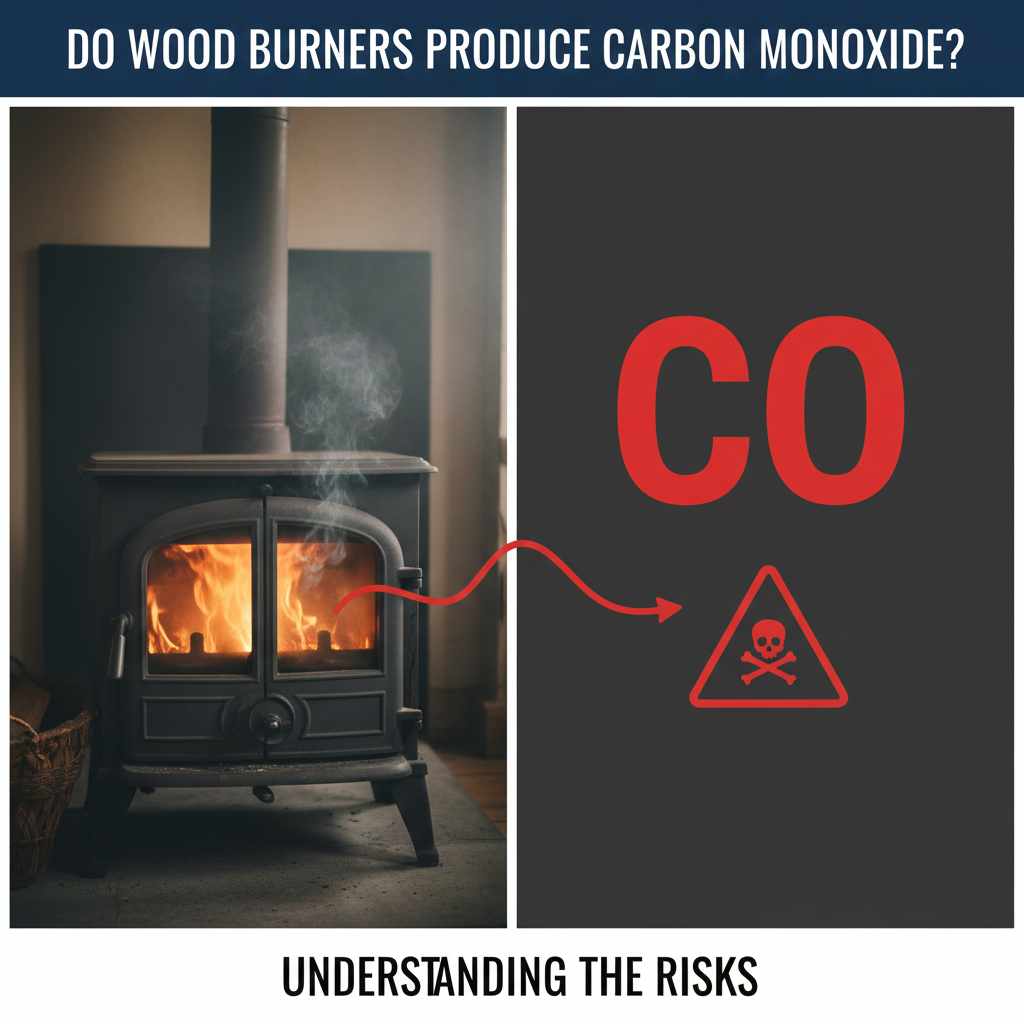
Yes, all wood-burning appliances produce carbon monoxide (CO) during the burning process. The key is ensuring safe operation, proper installation, and regular maintenance to vent this colorless, odorless gas safely outside. CO is a byproduct of incomplete combustion, so keeping your fire burning hot and clean is crucial for safety.
Have you ever smelled a funny odor while enjoying the warmth of a wood burner, or maybe just wondered about the air quality coming from your cozy stove? It’s a very common concern for anyone bringing a real fire into their home. Wood burners, while fantastic for ambiance and heat, do involve combustion, and combustion always creates gases. The big question is whether these gases, specifically carbon monoxide (CO), can actually get into your living space. Don’t worry; this isn’t as scary as it sounds when you know the simple facts. We are going to break down exactly what carbon monoxide is, why wood stoves make it, and the straightforward steps you can take to keep your home safe and warm. You’ve got this!
What Exactly is Carbon Monoxide (CO)? Simple Facts for Homeowners
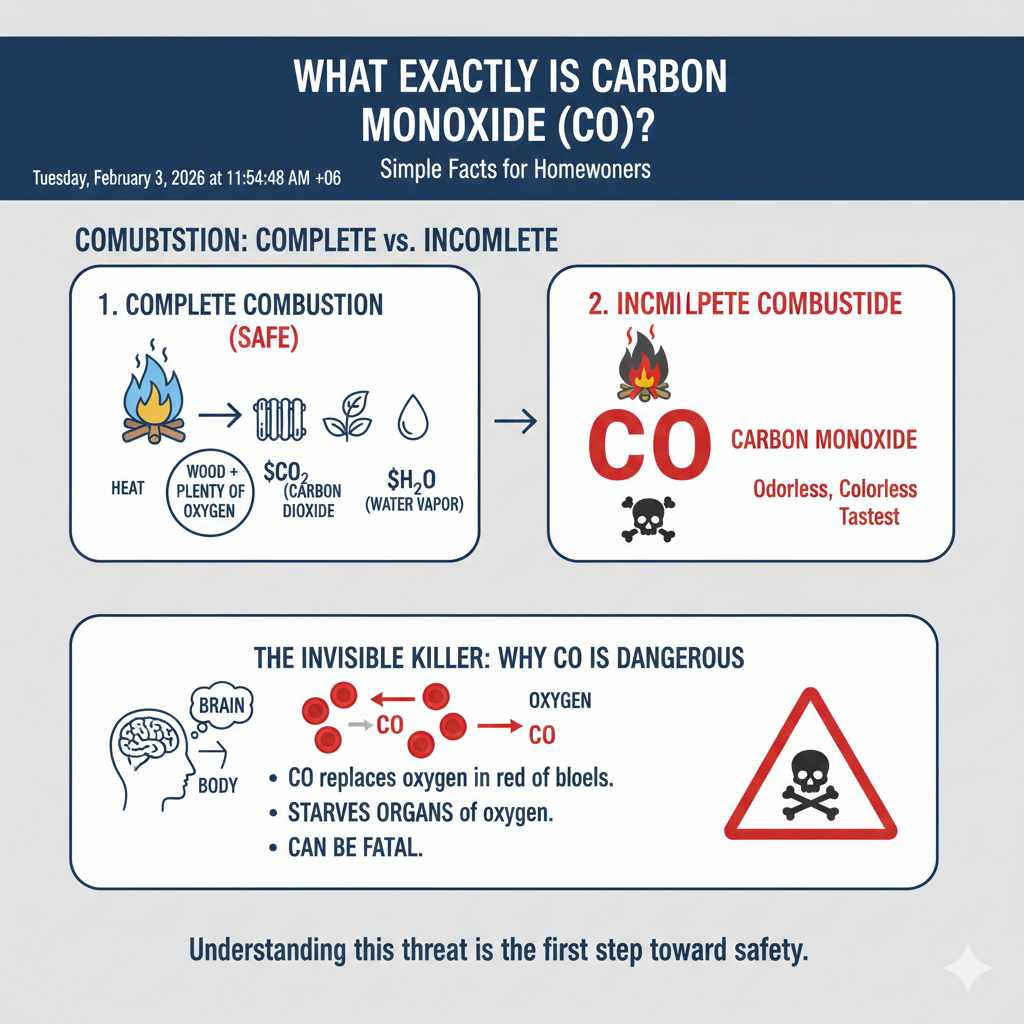
When you burn wood, leaves, or even gasoline in an engine, you are performing combustion. Think of combustion as wood needing oxygen to turn into heat and smoke. If the fire gets enough air (oxygen), it burns cleanly, producing mostly heat, carbon dioxide ($text{CO}_2$), and some water vapor.
But fires aren’t always perfect. If the fire doesn’t have enough air, or if the temperature is too low, the combustion is “incomplete.” This is where carbon monoxide (CO) creeps in.
The Danger of the Invisible Killer
Carbon monoxide is notorious because it’s completely silent and invisible.
- Odorless: You cannot smell it.
- Colorless: You cannot see it.
- Tasteless: You cannot taste it.
Because you can’t detect it naturally, CO is extremely dangerous if it builds up indoors. When inhaled, CO replaces the oxygen that your red blood cells are supposed to carry around to your brain and body. This is why it’s often called the “silent killer.” Understanding this threat is the first step toward safely enjoying your wood burner.
Carbon Monoxide vs Carbon Dioxide ($text{CO}_2$)
It’s easy to confuse these two gases, but they are very different in terms of immediate threat:
| Gas | Cause | Toxicity Level |
|---|---|---|
| Carbon Dioxide ($text{CO}_2$) | Complete combustion (ideal fire conditions) | Generally low risk at normal indoor levels; displacing oxygen in high concentrations. |
| Carbon Monoxide (CO) | Incomplete combustion (smoldering, poor airflow) | Highly toxic, binds to blood much more easily than oxygen. |
The good news is that a properly operating, well-maintained wood burner aims to produce $text{CO}_2$, not CO.
Why Wood Burners Produce Carbon Monoxide
Every wood burner, no matter how modern or efficient, chemically produces some level of carbon monoxide while it is operating. It’s a natural part of the burning process, especially during specific phases.
The Three Stages of Wood Burning
To understand when CO is most likely produced, think about how a log burns:
- Heating/Drying: The wood dries out and releases moisture as steam. Very little CO is produced here.
- Pyrolysis (Gas Release): As the wood gets hot (but before it bursts into visible flame), gases trapped inside the wood are boiled off. These gases are rich in carbon and hydrogen. This stage creates the most CO if the gases don’t ignite properly.
- Charcoal Burning: The remaining solid coal burns, which is usually a cleaner process, producing more $text{CO}_2$ and heat.
If you are seeing excessive amounts of smoke or if the fire is only glowing red without vibrant flames, you are mostly in Stage 2 without completing Stage 3 efficiently. This means low heat and high CO production entering the chimney system.
Factors That Increase CO Production
Several common homeowner mistakes or conditions can unintentionally spike CO production in your stove:
- Damp or Green Wood: Wet wood requires too much energy just to boil off the water. This lowers the overall temperature of the fire, leading to incomplete combustion and lots of CO. Always use wood that has been seasoned (dried) for at least six to twelve months.
- Restricted Airflow: If you choke the air intake vents too much to make the fire last longer, you starve the fire of oxygen. A starved fire smolders instead of burns brightly, creating high CO levels.
- Blocked Chimney or Flue: If soot or creosote (a sticky, tar-like residue) is blocking the exit path, the smoke and gases can backdraft or spill into the room instead of going straight up the chimney.
- Negative Pressure: Sometimes, other appliances in the house (like powerful exhaust fans, kitchen hoods, or dryers) can pull air out of the house faster than it comes in. This negative pressure can suck dangerous exhaust gases back down the chimney or flue if there isn’t enough makeup air.
How CO Escapes into Your Home: The Critical Role of the Flue
The entire safety system of a wood burner relies on safely channeling the smoke and gases outdoors via the flue pipe and chimney. If this system fails, CO enters your living space.
Chimney Blockages Are the Enemy
A chimney needs to be clear to draw smoke upward effectively. This draw is created by the difference in temperature between the hot gases inside the chimney and the cooler air outside—this is called “draft.”
What can block it?
- Creosote Buildup: This sticky substance forms when smoke cools too quickly in the chimney, often from burning wood too “coolly” (smoldering). Creosote is flammable (leading to chimney fires) and it narrows the passage.
- Nests and Debris: Birds, squirrels, and fallen leaves can entirely block the top of the flue, especially if the chimney doesn’t have a proper cap.
- Soot: While less severe than creosote, heavy, dry soot can still impede airflow over time.
Backdrafting: When Smoke Reverses Course
Backdrafting is arguably the most dangerous way CO enters a home from a wood stove. This happens when the natural upward draft of the chimney is overcome by negative air pressure inside the house.
If you notice a puff of smoke when you open your front door, or if your stove seems to smoke into the room even when the fire is burning well, you might have a backdraft issue. This usually means you need more “makeup air” from the outside, or there is a blockage. For more information on ensuring proper chimney function, consult guidelines from organizations like the Chimney Safety Institute of America (CSIA).
The Essential Safety Toolkit: Detecting Carbon Monoxide
Since you cannot see or smell CO, you absolutely must rely on technology to protect your home. Think of the wood burner as an engine—it needs a reliable diagnostic tool, which, in this case, is a CO detector.
Why You Need a CO Detector (And Where to Put It)
For homes with fuel-burning appliances (like gas furnaces, water heaters, or wood stoves), CO detectors are non-negotiable safety items. They are inexpensive and life-saving.
Here is a simple guide on placement:
- Near Sleeping Areas (Mandatory): Place the first detector in the hallway outside of every separate sleeping area (bedrooms). You need to be alerted immediately if CO leaks while you sleep.
- Near the Appliance (Recommended): Place a second detector near the wood burner itself, but follow the manufacturer’s instructions—too close to the heat source can cause false alarms or damage the unit. Keep it at least 15 feet away from the stove.
- Check the Height: Unlike smoke detectors, CO is the same density as air, so it mixes easily. Most manufacturers recommend installing them at eye level or as high as a standard wall outlet, but always defer to the manual specific to your model.
Understanding Your CO Detector Alarms
CO detectors listen for concentrations over time, not just a single burst. This is important because low levels over many hours can still be dangerous.
| CO Level (Parts Per Million – PPM) | Exposure Time Limit | Common Cause |
| :— | :— | :— |
| 35 PPM | Alarm after 8 hours | Minor leak, poor ventilation overnight. |
| 150 PPM | Alarm after 10 minutes | Moderate leak, perhaps from briefly opening the stove door improperly. |
| 400 PPM | Alarm after 15 – 45 minutes | Serious leak, likely due to a blocked flue or major combustion failure. |
Important Safety Note: If your CO alarm sounds, treat it as a serious emergency. Immediately evacuate everyone from the house and call your local fire department from a safe location outside.
Action Plan: How to Prevent CO from Escaping Your Wood Burner
Preventing CO leaks is much easier and safer than dealing with them after they happen. It boils down to three core areas: Fuel, Fire, and Flue.
Step 1: Mastering Your Fuel (Wood Quality)
The quality of what you burn directly controls the quality of the combustion.
- Use Seasoned Wood Only: Wood should have a moisture content below 20%. If you split a log and the center looks wet or green, it’s not ready. Store wood off the ground, covered on top, allowing air to circulate around the sides.
- Avoid Trash: Never burn painted wood, treated lumber, plastic, or glossy cardboard. These release highly toxic fumes, including lead and dioxins, not just carbon monoxide.
Step 2: Controlling the Fire (Proper Burning Technique)
You want a hot fire that burns efficiently, not a long, smoldering fire that produces smoke.
- Start Hot: Get the fire established quickly with plenty of air. You want bright, dancing yellow flames before you begin reducing the air supply.
- Don’t Overload: Never stuff the stove full of wood at once. Add only a few logs at a time.
- Reduce Air Slowly: Once hot, reduce the air intake gently to slow the burn rate. If the flames become weak, orange, or smoky, you’ve closed the air too much—open it up again until the flames become lively. The goal is to burn the gases released by the wood completely.
Step 3: Maintaining the Flue System (The Chimney Check-Up)
This is absolutely critical for safety and efficiency. You need professional help to ensure the chimney is clear and sealed correctly.
Schedule Annual Chimney Inspections and Sweeps
This is not optional; it is a necessary part of owning a wood burner. Professionals are trained to spot corrosion, cracks in the flue liner, and excessive creosote buildup that you can’t see from the ground.
When to Sweep: If you use your wood burner heavily (daily) during the heating season, plan for at least one sweep per year. If you use it only occasionally, check the inside of the flue lining carefully before starting the season.
Liner Integrity: A cracked chimney liner can allow dangerous gases to seep into wall cavities instead of going up and out. This needs professional repair.
Step 4: Ensuring Adequate Ventilation
As mentioned earlier, super-tight, modern homes can sometimes suffer from negative pressure, starving the fire of air and pulling CO back down the chimney.
A Simple Test: When your stove is burning strongly, quickly open a window near the stove slightly. If the fire instantly burns brighter and any room smoke seems to vanish, you likely need a dedicated air inlet or a slightly opened window when the stove is on high heat.
Consult a Pro: For modern, highly sealed homes, sometimes an external air kit (a vent pipe drawing air directly from outside to feed the stove’s combustion chamber) is the safest, most permanent solution. You can find resources on home ventilation requirements through consumer safety groups or local building codes.
The Difference Modern Stoves Make (EPA Certification)
If you are considering installing a new wood burner, new technology offers a significant safety and efficiency advantage regarding CO output. Traditional open fireplaces are notoriously inefficient and produce far more smoke and CO than modern stoves.
Understanding EPA Standards
In the United States, many new wood-burning stoves must meet strict Environmental Protection Agency (EPA) standards. These standards focus heavily on maximizing combustion efficiency, which has a direct positive effect on CO emissions.
A certified stove burns hotter and cleaner because it often includes secondary combustion chambers that re-burn the smoke particles before they exit.
Benefits of an EPA-Certified Stove:
Lower Emissions: Produces significantly less particulate matter and, consequently, less unburned carbon monoxide during normal operation.
Better Fuel Efficiency: You get more heat from less wood.
* Cleaner Burn: Flames are usually more visible and consistent, indicating better air/fuel mixture.
When looking at a stove, always ask if it meets the latest EPA emission standards. This choice heavily influences your long-term safety and air quality inside and outside your home. (For current U.S. emissions standards, checking the EPA’s official website is always recommended).
Troubleshooting Common Wood Burner CO Signals
Sometimes, you might notice symptoms that clearly point toward a CO issue, even without an alarm sounding. Knowing these signs lets you act fast.
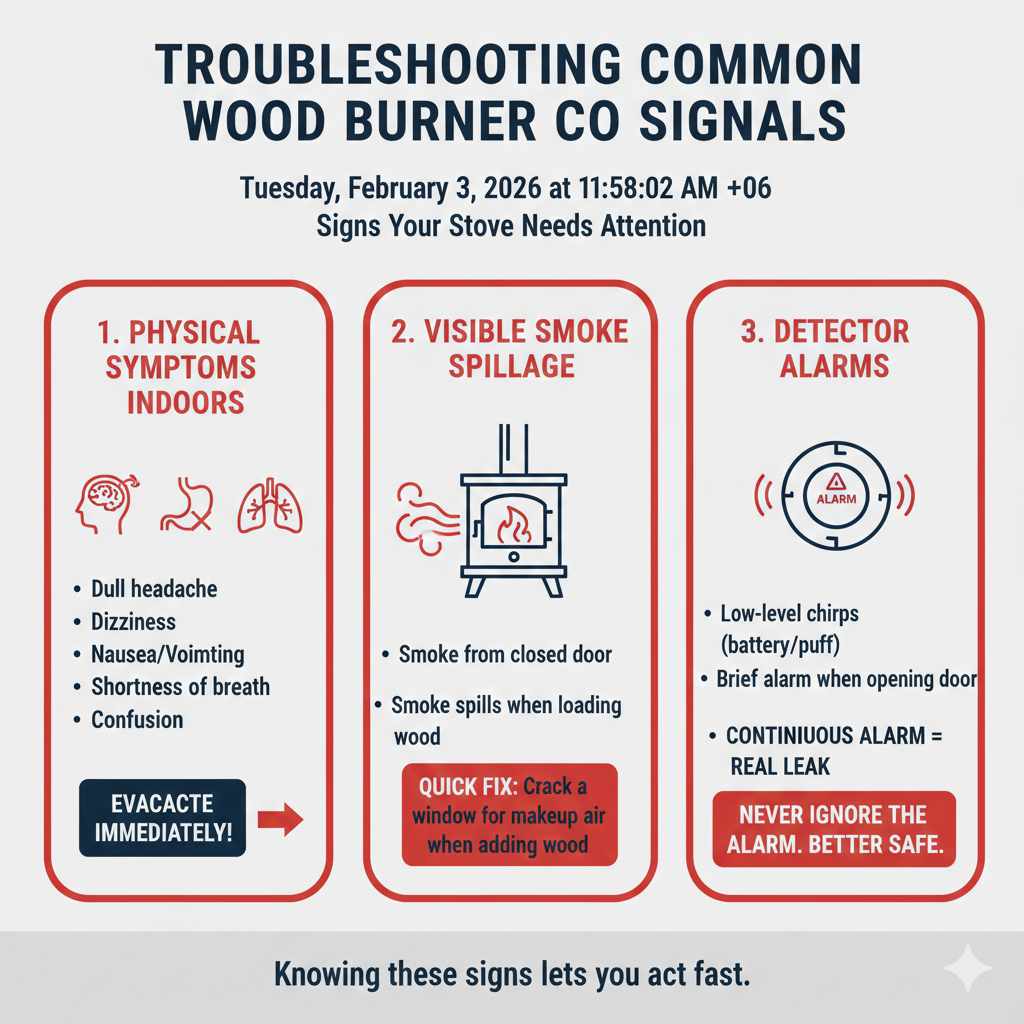
Sign 1: Physical Symptoms Indoors
If you or your family members experience any of these symptoms while the fire is burning, evacuate immediately and check the detectors:
- Dull headache (often the very first sign)
- Dizziness or lightheadedness
- Nausea or vomiting
- Shortness of breath
- Confusion or drowsiness
If symptoms clear up when you leave the house and return when you go back inside, you have a clear indication of a CO problem linked to your heating system.
Sign 2: Visible Smoke Spillage
If you see smoke curling out from the wood stove door when the door is closed, or if smoke appears to spill down the front of the stove when you open the door to add wood, this is a strong indicator of poor draft or negative pressure.
Quick Fix for Draft Issues (When Adding Wood):
When you open the door to load wood, momentarily crack a window nearby. This provides instant makeup air, stopping the stove from sucking air down the chimney path. Once the door is closed, you can carefully close the window again.
Sign 3: Detector False Alarms (Or Low-Level Chirps)
Sometimes, a detector might chirp due to a low battery—always replace those batteries twice a year, just like smoke detectors. However, if your alarm sounds briefly when you first open the stove door but quickly stops, it might just be a puff of smoke. If the alarm sounds continuously, it is a real leak, and you must evacuate. Never ignore the alarm, regardless of how minor the cause seems. Better safe than sorry every single time.
Frequently Asked Questions (FAQ) About Wood Stoves and CO
We know you might have a few lingering questions, so let’s tackle the most common ones beginners have about safety and operation.
Q1: If my chimney doesn’t smoke, does that mean it can’t leak CO?
No, that’s a common mistake. CO is odorless and invisible. Smoke is visible particulate matter, while CO is a gas that forms during incomplete combustion. A chimney can have a perfect draft for smoke, but if something inside is corroded or cracked—like the flue liner—CO can leak directly into the wall space even if you don’t see smoke in the room.
Q2: Do I need a separate CO detector if I have a gas furnace?
Yes, absolutely. Even if your wood burner is perfectly safe, your gas furnace, hot water heater, or gas stove could develop leaks. Carbon monoxide detectors protect against issues with all fuel-burning appliances in your home. You need redundancy in safety.
Q3: Can I use my wood burner if my CO detector is sounding?
Under no circumstances should you use the wood burner if the CO detector is sounding an active alarm (not a low battery chirp). Evacuate immediately, call emergency services, and do not re-enter until instructed by professionals who have checked the appliance and flue system.
Q4: How often should I check the battery in my CO detector?
Most experts recommend checking the battery monthly, and replacing the actual batteries twice a year (a good reminder is when you change clocks for Daylight Saving Time). If your detector is hardwired, it should still have a battery backup that needs testing.
Q5: Is a modern, top-of-the-line wood stove completely CO-free?
No appliance that burns fuel is completely CO-free. Modern, EPA-certified stoves are vastly cleaner because they are designed to burn wood much more completely, dramatically reducing the amount of CO produced. However, if the chimney is blocked or air supply is restricted, any stove can become dangerous.
Q6: What is the best way to store ashes from my wood burner?
Never put ashes directly into a plastic bag or a thin metal can. Even if they look dead cold, hot embers can survive for days. Scoop ashes into a metal container with a tight-fitting metal lid. Store this container on a concrete or dirt surface, well away from the house, garage, decking, or any flammable materials for at least 72 hours before disposal.
Conclusion: Enjoying Your Fire with Total Confidence
It is a fact: all wood-burning appliances produce carbon monoxide. But that fact alone shouldn’t scare you away from enjoying the warmth, comfort, and charm of a real wood fire. The real risk doesn’t come from the stove itself—it comes from poor combustion, blocked venting, and neglected maintenance.
When a wood burner is installed correctly, fueled with properly seasoned wood, burned hot and clean, and paired with a clear, well-maintained chimney, carbon monoxide is safely carried outside where it belongs. Add reliable CO detectors in the right locations, and you’ve created multiple layers of protection for your home and family.
The takeaway is simple: carbon monoxide is manageable. It’s predictable, preventable, and detectable. By understanding how CO is produced, recognizing the warning signs, and following proven best practices for burning and maintenance, you transform a potential hazard into a safe, dependable heat source.
A wood burner should bring peace of mind—not worry. With the right habits and basic safety tools in place, you can enjoy every crackling fire knowing your home is warm, efficient, and protected.