
To perfect your cheese fondue night, stick to sturdy dippers like crusty bread cubes, crisp vegetables (like broccoli and carrots), and maybe some small boiled potatoes. Balance the richness with tart apples or pickles. These pairings ensure the fondue stays on the fork and your meal feels complete and delicious
Cheese fondue sounds fancy, but it’s actually one of the easiest, coziest meals to master. The real challenge isn’t making the cheese smooth; it’s figuring out what to dip! Choosing the wrong dippers can lead to frustration—either they fall apart in the pot (hello, soggy bread!), or they clash with the yummy, melted cheese. We want dipping success every time. Don’t worry, this guide strips away the confusion. We’ll show you simple, tried-and-true companions to make your fondue experience smooth, fun, and perfectly balanced. Let’s get dipping without any slips!
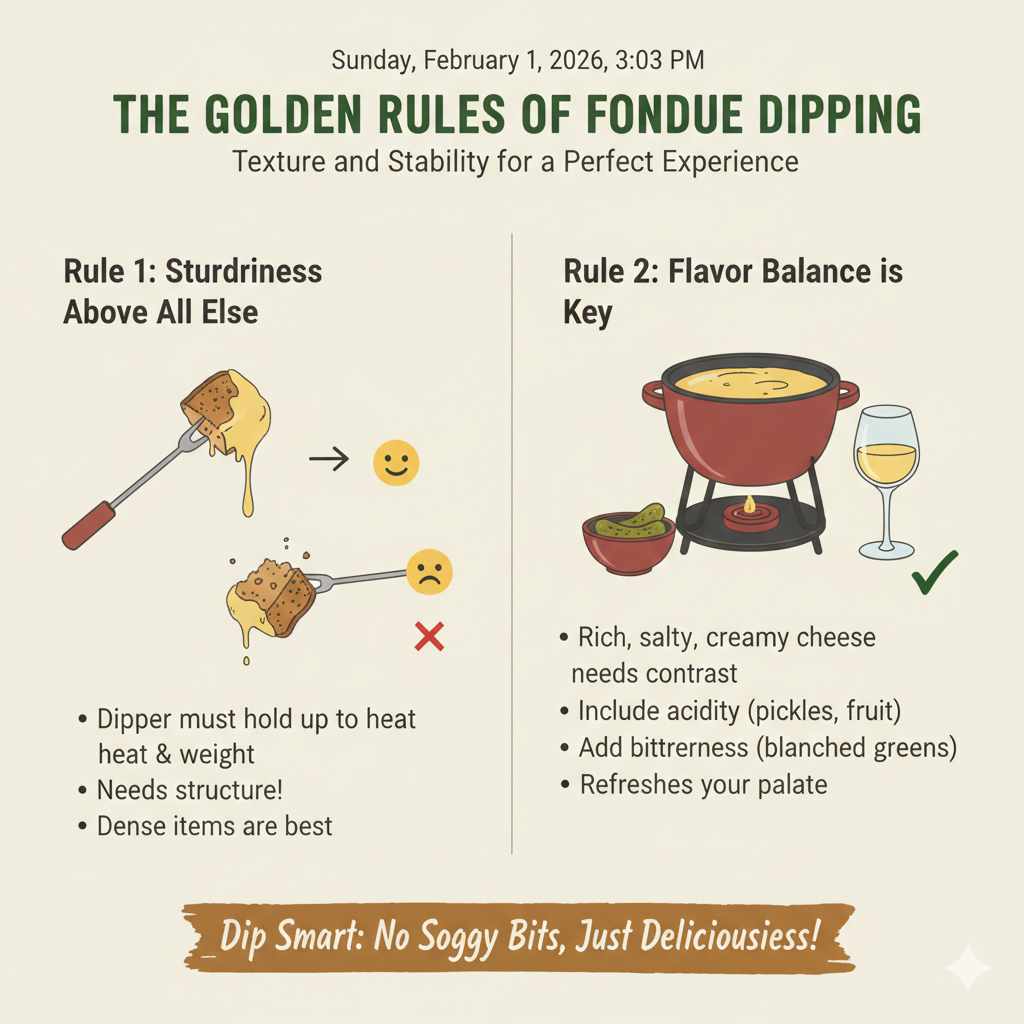
The Golden Rules of Fondue Dipping: Texture and Stability
Think of your fondue pot like the engine of a reliable car—it needs the right fuel (dunkers) to run smoothly. When thinking about what to eat with cheese fondue, the biggest mistake beginners make is picking items that are too soft or too wet. A great dipper must hold up to the heat and the weight of the cheese.
Rule 1: Sturdiness Above All Else
If your dipper crumbles when you pull it out, you’ll end up fishing soggy bits out of your communal pot. You need structure! We are looking for items dense enough that the melted cheese clings but doesn’t overwhelm them.
Rule 2: Flavor Balance is Key
Cheese fondue is rich, salty, and creamy. You need items to cut through that richness. This means including some acidity (like pickles or fruit) or a little bitterness to refresh your palate between dips. This balance is what takes fondue from just “cheese in a pot” to a gourmet experience.
Essential Foundation: The Bread and Starch Family
Bread is the King of the Fondue World. It’s traditional, affordable, and offers the best surface area for that delicious melted Gruyère or Emmentaler.
The Perfect Bread Choices
Forget the soft, pre-sliced sandwich bread from the grocery store aisle. That bread melts faster than ice cream on a hot driveway. You need something with a strong crust and a chewy interior.
- Day-Old Baguette: This is the gold standard. Let a fresh baguette sit out for a day, or gently toast slices in the oven until they are firm but not rock-hard. Cut them into generous 1-inch cubes.
- Sourdough or Rustic Loaves: Their slight tang pairs wonderfully with nutty Swiss cheeses. Again, ensure they are slightly stale or toasted for structure.
- Pumpernickel or Rye: These darker breads offer a deeper, slightly earthy flavor that adds complexity to traditional cheese blends.
Starchy Alternatives for Variety
If you want to give your bread break, or if you have guests with gluten sensitivities (though you’ll need gluten-free bread options for them), starches provide excellent dipping surfaces.
- Small Boiled Potatoes: Use waxy potatoes like Yukon Golds. Boil them until easily pierced, then let them cool slightly. Their neutral flavor allows the cheese to shine, and their texture is surprisingly sturdy.
- Cooked Pasta Shapes: Large, sturdy pasta shapes like farfalle (bow ties) or penne, cooked al dente and lightly tossed in garlic butter, make fun, sturdy dippers. This is a less traditional but tasty option!
- Pretzels: Hard pretzels offer a salty crunch that complements the creamy cheese beautifully. Use the large, sturdy stick pretzels or large knots—avoid the thin, broken ones.
The Crisp Crew: Vegetables That Don’t Quit
Vegetables are fantastic for adding color, crunch, and keeping the meal feeling lighter. They also help reset your taste buds. When choosing veggies, remember: steam or blanch them slightly first. Raw, hard vegetables can be tough to penetrate with the cheese.
Best Vegetable Dippers (Prepped Right)
The goal for vegetables is to soften the interior just enough while keeping the outside crisp. Think of this as pre-heating them for the hot cheese bath.
- Broccoli and Cauliflower Florets: Steam these for just 2-3 minutes until they are bright green/white but still have a significant bite (al dente).
- Carrot Sticks: Peel and cut into manageable sticks. Blanching for 3 minutes makes them slightly tender on the inside.
- Bell Peppers: Red, yellow, and orange peppers offer the best flavor. Cut them into thick strips. They don’t require cooking.
- Mushrooms: Small button or cremini mushrooms, wiped clean, work well. Some people lightly sauté them in butter first, which deepens their flavor.
- Blanched Asparagus: Cut the tough ends off and blanch for 1-2 minutes. The spear shape is perfect for dipping.
Pro Tip from Dustin: For vegetables like Brussels sprouts, you can roast them until they are just tender before serving. The slight caramelization really elevates the flavor combination with Swiss cheese.
The Bright Contrast: Fruits and Pickled Sides
This is the secret weapon for preventing “cheese fatigue,” where your mouth just gets tired of the creamy, salty flavor. Acidity and sweetness cut through the fat like a sharp set of new wiper blades cutting through heavy rain.
Tart Fruits for Texture and Tang
Fruit should be firm and cut into bite-sized, manageable pieces. Avoid squishy fruits like bananas or very ripe peaches.
- Apples: Granny Smith is the clear winner here due to its tartness and firm texture. Slice them thin and toss them lightly with a splash of lemon juice to keep them from browning.
- Pears: Bosc or Anjou pears offer a slightly softer texture than apples but still provide great contrast.
- Grapes: Whole, seedless grapes are easy to spear and offer a juicy burst of sweetness.
Brine and Pickle Power
Pickled items introduce vinegar and salt, which are fantastic palate cleansers.
- Cornichons (Tiny Pickles): These tiny, tart French gherkins are non-negotiable for an authentic Swiss experience.
- Pickled Onions: Their sharp bite is addictive alongside melted cheese.
- Kiwifruit: Although not traditionally pickled, its tartness offers a similar bright reprieve. Cut into thick slices.
Meats and Protein: Adding Substance to Your Dip
While fondue is traditionally vegetarian (focused on cheese, bread, and wine), adding cured meats makes it a far more substantial meal. You need meats that are already cooked or cured, as the fondue pot is just for melting and dipping, not cooking raw items.
Charcuterie Classics for Dipping
Select meats that hold their shape and offer savory, salty notes.
| Meat Type | Why It Works With Fondue | Preparation Note |
|---|---|---|
| Prosciutto or Jamón Serrano | Thin, salty, melts slightly on the hot cheese. | Serve in small rolled strips. |
| Smoked Sausage (e.g., Kielbasa) | Firm texture; robust flavor stands up to strong cheeses. | Slice ½ inch thick and lightly pan-fry beforehand. |
| Salami or Pepperoni | Easy to handle and adds a nice spice element. | Cut into quarters. |
| Cooked Ham Cubes | Classic pairing, especially with Gruyère. | Avoid watery, low-quality deli ham. Use thick-cut baked ham. |
Using meats is a great way to ensure everyone feels satisfied. For a more comprehensive guide on ensuring your meat prep is up to safety standards before cooking, check out guidelines from the USDA Food Safety and Inspection Service regarding cured and cooked meats.
What NOT to Dip in Cheese Fondue: The “Danger Zone” List
Just as important as knowing what to use is knowing what to avoid. Throwing the wrong item into that carefully balanced pot spells doom for your smooth, creamy sauce. These items can either break the emulsion (making the cheese oily and stringy) or simply fall off.
The Kitchen No-Dip List
- Raw, Watery Vegetables: Anything too raw and crisp, like raw bell peppers or snap peas, often doesn’t soften enough and can pierce the cheese surface, causing a hole where the cheese drains away. Fresh lettuce is a definite no-go.
- Very Soft/Fresh Bread: As mentioned, soft sandwich bread collapses instantly into cheesy sludge.
- Anything Too Large: If you can’t manage to lift the item out in one clean motion, it’s too big. Large items cool the cheese too quickly where they touch and increase the chance of dropping food into the pot.
- Sweet Baked Goods: Doughnuts, muffins, or overly sweet pastries often contain too much sugar, which can negatively affect the cheese texture when melted together.
- Soupy or Saucy Items: Anything that introduces a large amount of water or liquid will immediately cause the cheese to seize up and separate into an oily mess.
Mastering the Forks: Fondue Etiquette and Safety
Fondue is a communal activity. Following simple etiquette rules keeps the experience fun and safe. Think of it like keeping your hands clean before working on an engine—safety and neatness come first!
Using the Right Tools
Most fondue sets come with long, slender forks. These are mandatory. Using a regular dinner fork is unsafe; the long handles keep your hands away from the hot burner, and the slender tines are better for securing items.
- Use only the provided fondue forks for dipping.
- Never, ever poke someone with your fondue fork!
- When resting your fork on the pot rim, ensure only the handle is touching the outside—not the tines holding food.
The “Dropped Food” Rule
Inevitably, someone might lose a cube of bread to the molten cheese abyss. Every traditional fondue gathering has an informal rule for this:
- The universal rule (often joked about, but enforced): If you drop your bread, you owe the pot a kiss, a song, or buy the next round of Kirsch (the traditional cherry brandy often added to the cheese mix).
- If it’s not funny, ensure you retrieve the item with a slotted spoon immediately so it doesn’t dry out and clump at the bottom.
Perfecting the Flavor Profile: What Does Your Cheese Need?
The things you eat with the fondue are important, but sometimes the cheese itself needs a boost. Often, the best pairings are achieved not just by selecting the right dippers, but by knowing what the cheese itself craves.
Acid and Spice Boosters (Inside the Pot)
Your fondue preparation usually involves dry white wine (like Sauvignon Blanc), which provides the necessary acid to keep the cheese smooth. If you taste your finished fondue and it seems too heavy or dull, you can often remedy it with a small addition to the pot (off the heat, stirred well):
| Flavor Goal | Ingredient to Add (Small Amounts Only!) | Effect |
|---|---|---|
| Extra Zing/Acidity | A tiny splash of fresh lemon juice | Helps stabilize the base and brightens the heavy flavor. |
| Depth/Earthy Note | A dash of nutmeg or paprika | Traditional enhancements that marry well with Swiss cheeses. |
| Kick of Warmth | A few dashes of Worcestershire sauce | Adds umami complexity that cuts saltiness. |
Remember, the actual preparation of fondue usually involves melting Swiss cheese varieties like Gruyère and Emmentaler with wine and a thickener like cornstarch. Good technique here prevents oily cheese, which ruins any dipper!
Beyond the Dip: Complete Fondue Meal Strategy
A great fondue spread isn’t just about what goes on the fork; it’s about the whole plate. Consider these items as supporting actors that make the main event shine brighter.
Lighter Sides to Start or End
Because fondue is so filling, you don’t want a heavy appetizer or dessert. Keep it simple.
- Simple Green Salad: A light salad dressed with a sharp vinaigrette (mustard and vinegar based) is an excellent palate cleanser before diving into the cheese feast.
- Cured Olives: A small bowl of brine-cured olives adds saltiness and texture before the dipping starts.
- Chilled Fruit Platter: If you are serving dessert later, a simple platter of chilled berries (strawberries, raspberries) works well as a light finish, though some prefer a chocolate fondue for dessert instead!
The Importance of the Beverage Pairing
Just like pairing oil with the right tools, pairing drinks correctly enhances the meal. For cheese fondue, stick to the traditional pairings:
- Dry White Wine: The wine used in the fondue (like Chasselas or unoaked Pinot Grigio) should be the wine you drink. Its acidity cuts the fat perfectly.
- Black Tea: Surprisingly, a simple, unsweetened black tea is highly traditional, especially in Switzerland. It warms the stomach and cleanses the palate without adding more dairy or sugar.
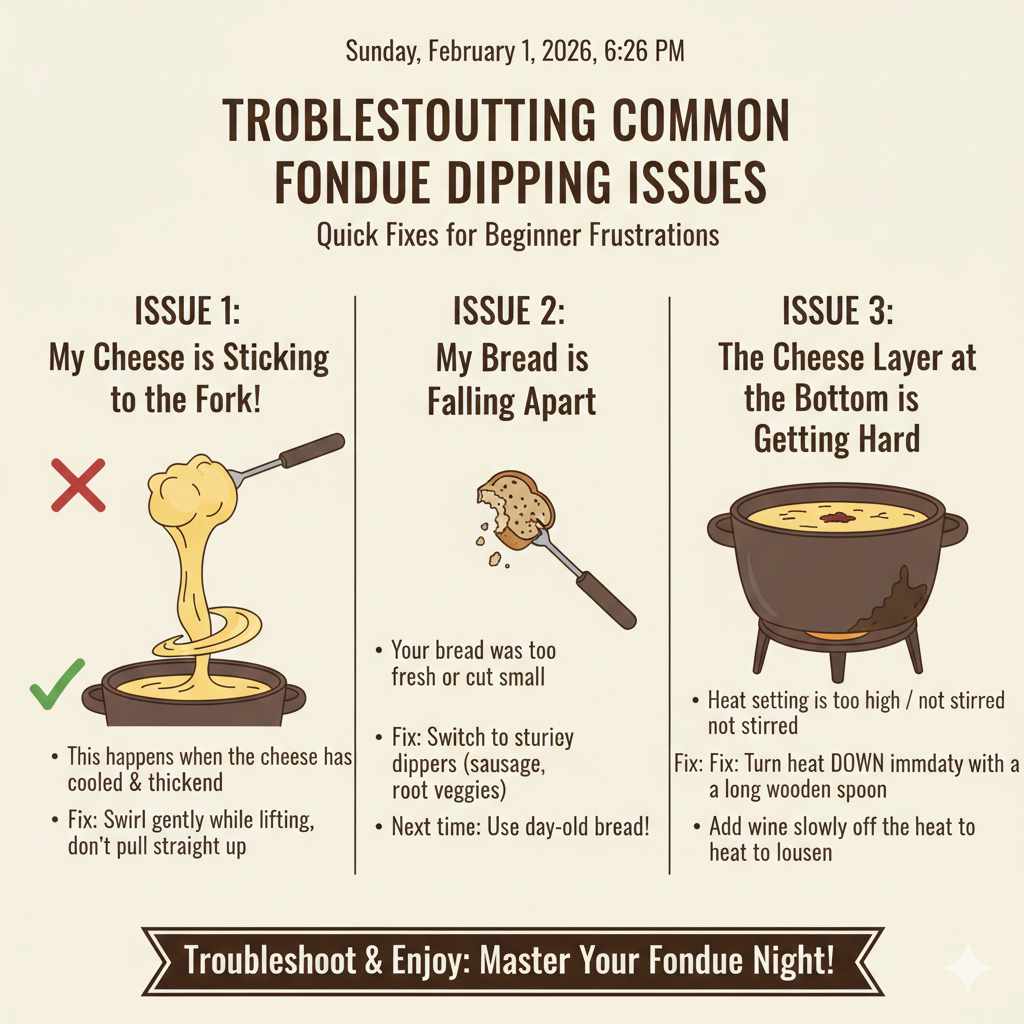
Troubleshooting Common Fondue Dipping Issues
Even with the best dippers, things can go wrong. Here are quick fixes for common beginner frustrations:
Issue 1: My Cheese is Sticking to the Fork!
This happens when the cheese has cooled slightly and become a little too thick. It clings stubbornly.
Fix: Dip your fork quickly, but then swirl the item gently in the cheese while lifting. Don’t pull it straight up. A quick, gentle circular motion helps detach the excess cheese cleanly as you lift it from the pot’s surface.
Issue 2: My Bread is Falling Apart
Your bread was too fresh or cut too small.
Fix: For the current dipping session, switch immediately to sturdier options like sausage cubes or blanched root vegetables. For next time, ensure all bread is at least one day old!
Issue 3: The Cheese Layer at the Bottom is Getting Hard
The heat setting is too high, or the fondue hasn’t been stirred recently.
Fix: Turn the heat down immediately. If the bottom is crusting, gently use a long wooden spoon (not your fondue fork!) to scrape the bottom and incorporate the crust back into the liquid. A little added wine can help loosen it up, but add it very slowly off the heat.
Frequently Asked Questions (FAQ) for Fondue Beginners
Q1: Can I use raw vegetables like celery or cucumbers in cheese fondue?
A: Generally, no. Items like celery are too watery and rigid. Raw vegetables tend to not soften enough in the gentle heat of the fondue pot and can introduce too much moisture, potentially causing the cheese to break or separate.
Q2: Is it tacky if I double-dip my bread if I lose my first piece?
A: In a home setting with friends and family, it’s usually fine if you are the second person to dip that specific piece. However, in formal settings or large groups, the rule is strictly no double-dipping. It’s best practice to only dip once per piece of food.
Q3: What’s the best way to keep my fondue warm without burning it?
A: Use a very low flame (or a candle/tea light, depending on your set). The ideal temperature is just hot enough to keep the cheese viscous, but not hot enough to bubble. Stir regularly, every few minutes, to distribute the heat evenly.
Q4: Are marshmallows an acceptable thing to eat with cheese fondue?
A: While people sometimes debate this, it is not a traditional pairing. Marshmallows are very sweet and will melt into a sticky, sugary mess in the savory cheese, which most purists avoid. Stick to apples for sweetness!
Q5: If I am running out of bread, what is the best last-minute replacement?
A: Reach for any dense, dry, or pre-cooked starch you already have on hand. Excellent emergency options include hard croutons, toasted pita wedges, small boiled potatoes, or even thick pretzel sticks. The key is avoiding anything soft or moist — if it can hold its shape when speared with a fork, it will work in a pinch.
Final Thoughts: The Right Dippers Turn Cheese Fondue into a Perfect Meal
Cheese fondue isn’t about complicated rules or fancy ingredients — it’s about choosing foods that work with the cheese, not against it. When your dippers are sturdy, dry, and thoughtfully balanced, every bite feels effortless and satisfying.
Crusty bread and small potatoes give you structure. Blanched vegetables add freshness and crunch. Tart apples and pickles cut through the richness and keep your palate energized. Add a few well-chosen cured meats, and suddenly your fondue isn’t just a snack — it’s a complete, comforting meal.
The beauty of fondue is its simplicity. Slow down, dip carefully, stir often, and enjoy the shared experience around the pot. A dropped cube or a string of cheese on a fork isn’t a failure — it’s part of the fun.
Now that you know exactly what to eat with cheese fondue (and what to avoid), you’re ready to host a relaxed, delicious fondue night with confidence. Warm cheese, good company, and the right dippers — that’s all you really need.