
Making Traditional Qatayef Recipes for Ramadan Celebrations seems tricky, doesn’t it? Many people think it’s difficult because the pancake batter needs to be perfect, and the filling options can seem endless. Don’t worry, though! It’s much easier than you might believe. I’ll guide you through each step, making sure you feel confident and ready to create amazing atayef. Let’s get started and explore how to make these delicious treats.
Discovering the Delight of Qatayef
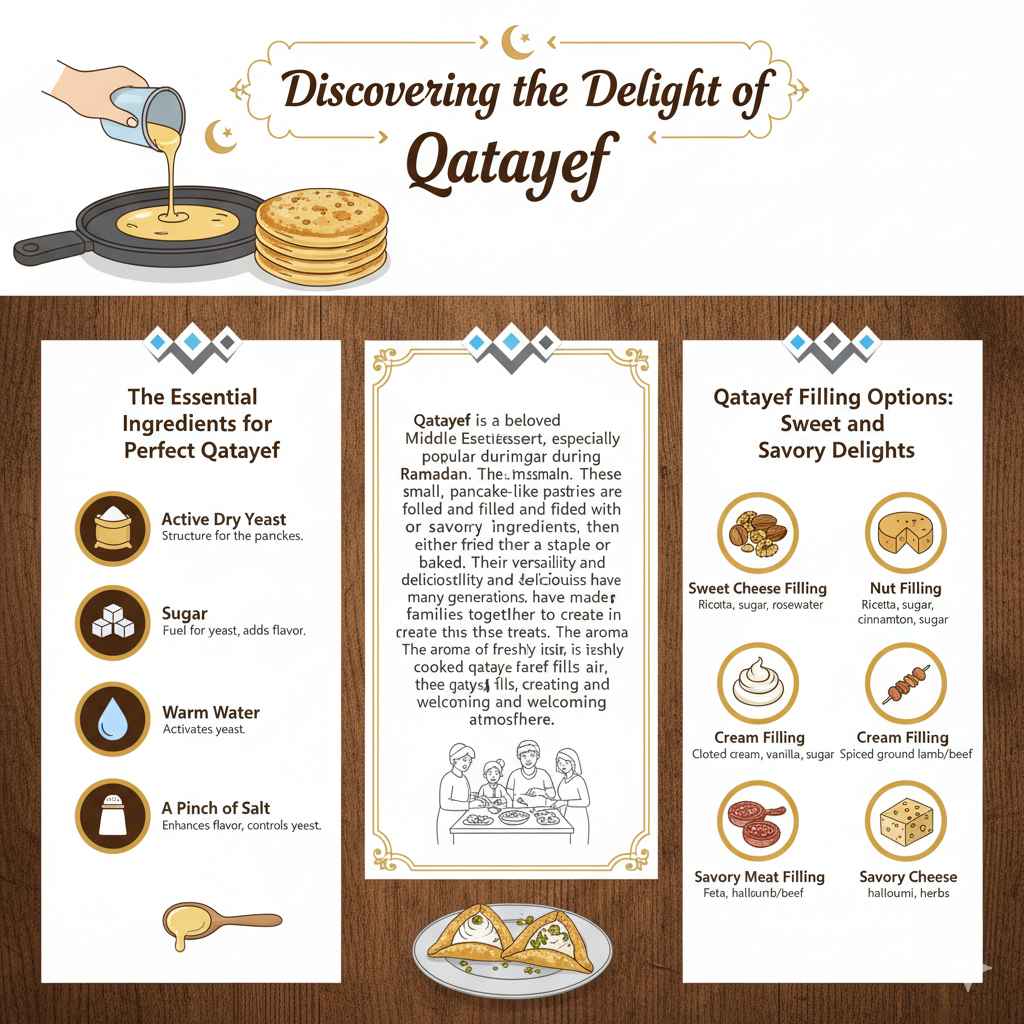
Qatayef is a beloved Middle Eastern dessert, especially popular during Ramadan. These small, pancake-like pastries are folded and filled with sweet or savory ingredients, then either fried or baked. Their versatility and deliciousness have made them a staple in many households for generations. The process itself is part of the joy, bringing families together to create these treats. The aroma of freshly cooked qatayef fills the air, creating a warm and welcoming atmosphere.
For many, the preparation is a tradition. People often share the task, each family member contributing a part of the process. It’s a fantastic way to pass down recipes and customs. You will find that making atayef doesn’t require hard-to-find ingredients, and the steps are quite simple. Let’s explore the fundamental components, making your own qatayef experience seamless and fun.
The Essential Ingredients for Perfect Qatayef
The foundation of great qatayef starts with the ingredients. Getting the right components is key to a light, airy pancake. Luckily, most of these items are easily accessible. The basic list includes flour, water, yeast, sugar, and a pinch of salt. You might also want to add a bit of orange blossom water or rosewater for a special fragrant touch. The type of flour matters too. All-purpose flour is usually best, but you can experiment with different options.
The yeast is important to give the pancakes their bubbles. Make sure your yeast is fresh, so the pancakes rise correctly. Sugar helps feed the yeast, and salt enhances the flavor. Remember that the quality of your ingredients directly impacts the final taste. Using high-quality items can make all the difference. When you gather your ingredients, take the time to measure them precisely. It’s also wise to check the expiration dates of the ingredients, to avoid any surprises.
- All-Purpose Flour: This is the workhorse of the recipe. It gives structure to the qatayef pancakes.
- All-purpose flour gives the right balance of gluten, making the pancakes sturdy enough to hold the filling. It’s also versatile, allowing for both the traditional and modern variations in your recipes. Make sure to sift the flour before measuring to avoid lumps in your batter.
- Active Dry Yeast: The rising agent.
- This is what causes the qatayef to bubble and become light. Ensure that the yeast you use is fresh and active. You can test your yeast by dissolving it in warm water with a little sugar; it should foam up, showing it’s ready to use. If the yeast doesn’t foam, it’s probably old and won’t work.
- Sugar: Fuel for the yeast, plus flavor.
- Sugar provides the food for the yeast, helping it to create carbon dioxide, which causes the pancakes to rise. It also adds a touch of sweetness to the batter itself, enhancing the flavor of your finished qatayef. The amount of sugar can vary depending on your taste, but it’s typically a small amount.
- Warm Water: Activates the yeast and brings the batter together.
- The water’s temperature is key. It needs to be warm, around 105-115°F (40-46°C), to activate the yeast properly. Water that is too hot can kill the yeast, and water that’s too cold won’t activate it. Warm water is the key element.
- A Pinch of Salt: Enhances flavor and controls the yeast.
- Salt doesn’t just add flavor; it also helps to control the yeast’s activity, preventing it from rising too quickly or too much. A pinch of salt also helps balance the sweetness of the batter and the filling. Even a small amount of salt can improve the overall taste.
Qatayef Filling Options: Sweet and Savory Delights
The fun part is choosing what goes inside your qatayef! Traditional sweet fillings include sweet cheese, nuts, and cream. Each of these fillings provides a different texture and taste experience. The nuts, especially pistachios and walnuts, are often chopped and mixed with sugar and spices. The sweet cheese options can range from ricotta to a soft, creamy cheese specially made for desserts. You can also mix in some chocolate or fruit for a more contemporary version.
Savory qatayef fillings are less common but are a unique twist. They often include spiced meat or cheese, offering a contrast to the sweet flavors. These variations are great for serving as an appetizer. The key to any filling is ensuring it complements the pancake itself. Whether sweet or savory, the stuffing choice is a critical element in crafting delightful qatayef.
- Sweet Cheese Filling: A traditional favorite.
- This filling usually uses a soft, creamy cheese, like ricotta. The cheese is often mixed with sugar or honey and maybe a touch of orange blossom water for added flavor. Sometimes, you may add raisins or chopped nuts for additional texture. The filling should be sweet and smooth.
- Nut Filling: A crunchy alternative.
- This includes finely chopped nuts like pistachios, walnuts, or almonds. These nuts are mixed with sugar, cinnamon, and sometimes a bit of rosewater. The nut mixture provides a delightful crunch and nutty flavor that complements the soft pancake.
- Cream Filling: Adds a rich, creamy texture.
- Often, a clotted cream or a thick cream is used. It offers a luxurious taste. The cream is usually mixed with a little sugar and vanilla. This filling is excellent when served with a drizzle of syrup and adds a touch of sophistication to your qatayef.
- Savory Meat Filling: For a unique twist.
- Typically made from spiced ground meat, such as lamb or beef, this provides a flavorful contrast to the sweet pancake. The meat is spiced with onions, herbs, and spices and then cooked until tender. This filling can be a great option for an appetizer or a savory snack.
- Savory Cheese Filling: A flavorful savory option.
- Similar to the sweet cheese filling but using savory cheese like feta or halloumi. This savory cheese is often mixed with herbs and spices for flavor. This is an excellent option for those who prefer something less sweet.
Mastering the Qatayef Pancake
The qatayef pancake is the heart of this treat. It’s a special type of pancake with a unique texture. The right pancake needs to be soft, but able to hold its shape when filled. Mastering the batter and cooking process is key to getting perfect results. Getting a consistent pancake is about paying attention to the details – from the batter consistency to the temperature of your cooking surface. This part of the process is simple once you have the right steps. Now, let’s explore how to achieve it.
The cooking of the pancake requires some practice. The batter should be the right thickness, and the heat should be just right. The cooking process is quick, so you need to be ready. You’ll cook one side of the pancake only, which gives it its unique shape. It’s a quick process once you get used to it, and the results are well worth the effort. Let’s explore the essential steps that lead to wonderful qatayef.
Making the Batter: The Secret to Light and Airy Pancakes
The foundation of a good qatayef pancake is the batter. Achieving the correct consistency is critical, and a balanced recipe is essential. You will want to mix the dry ingredients, such as flour, sugar, and yeast, first. Then, add the water and mix. It’s important to allow the yeast time to activate, usually about an hour. During this time, the batter will rise slightly and develop small bubbles. These bubbles give the pancakes their light and airy texture. Let’s delve into the steps.
The technique involves letting the batter rest. This lets the gluten relax and allows the yeast to do its work. If you start cooking the pancakes right away, they will not have the signature bubbles. The consistency is important. Too thick, and the pancakes will be dense; too thin, and they will spread too much. Achieving the right consistency is about a balance of liquid and flour. By following these steps and letting the batter do its work, you will be well on your way to great pancakes.
- Combine Dry Ingredients: Flour, sugar, yeast, and salt.
- This is where you start. In a bowl, you mix the flour, sugar, yeast, and salt. Make sure everything is well-combined, as this ensures even distribution of the yeast, which will help the pancakes rise evenly. Sift the flour to avoid lumps, and properly measure the ingredients for perfect results.
- Add Warm Water: Mix until just combined.
- Gradually pour the warm water into the dry ingredients while mixing. Use a whisk to avoid lumps. Mix until it’s just combined. Overmixing can develop the gluten, making the pancakes tough. The mixture should be smooth. A few small lumps are fine.
- Let the Batter Rest: Allow the yeast to activate.
- After mixing, let the batter rest for an hour at room temperature. This allows the yeast to activate and produce bubbles. Cover the bowl with a clean cloth. You will see the batter rise slightly and develop bubbles. If you don’t let the batter rest, your pancakes won’t be light and airy.
- Check the Consistency: Adjust if needed.
- After resting, check the consistency. The batter should be thick enough to hold its shape but fluid enough to spread out slightly on the griddle. If the batter is too thick, add a bit more water. If the batter is too thin, it may spread too much during cooking.
- Add Flavorings (Optional): Incorporate for extra taste.
- Consider adding a teaspoon of orange blossom water or rosewater for extra flavor. These are common in many traditional recipes. Mix these in gently after the resting period. The extra flavor will boost the overall experience of your qatayef.
Cooking the Qatayef: Achieving the Perfect Texture
The cooking process involves a hot griddle or pan. It’s important to use medium heat, so the pancakes cook evenly. You only cook one side, giving the qatayef its distinctive look. This process is fairly quick – usually a minute or two per pancake. The goal is to cook the top until small bubbles appear. The bottom should be golden. Practice and patience will help you perfect your technique.
The cooking surface should be lightly oiled. Then, pour a small amount of batter onto the hot surface. The amount depends on the size you want your qatayef to be. You’ll see bubbles forming on the top side of the pancake. This is when you know it’s ready to remove from the heat. Cooking time varies depending on your stove and pan, so watch carefully and adjust as needed. When cooked, the pancake is ready for filling.
- Heat Your Griddle: To the right temperature.
- Heat a flat griddle or a non-stick pan over medium heat. It’s important to get the temperature right. If the pan is too hot, the qatayef will brown too quickly on the bottom. If the pan isn’t hot enough, the pancakes won’t cook correctly. You’ll want the surface hot enough so the batter sizzles as it hits it.
- Lightly Oil the Surface: Prevents sticking.
- Lightly oil the surface of the griddle or pan to prevent the pancakes from sticking. You can do this by using a pastry brush or a paper towel dipped in oil. Wipe off any excess oil. This is important to ensure the pancakes release easily when cooked. This step is a small one, but it’s important.
- Pour the Batter: Use a ladle or a measuring cup.
- Use a ladle or measuring cup to pour a small amount of batter onto the hot griddle. The size of the qatayef depends on your preference. Pour a circle, starting from the center and spreading outwards. Be careful not to make the circles too large, as they should be easy to fold.
- Cook One Side Only: Until bubbles form.
- Cook only one side of the qatayef. As the pancake cooks, bubbles will begin to form on the surface. These bubbles indicate that the top is set. Cook for about 1-2 minutes, or until the bottom is lightly golden. Don’t flip the pancake.
- Remove and Cool: Prepare for filling.
- Remove the cooked qatayef from the griddle. Place them on a clean cloth or plate to cool slightly. The un-cooked side should still be soft. This allows the pancakes to remain pliable and prevents them from drying out. While the pancakes cool, prepare your chosen filling.
Assembling and Serving Your Creations
The final step is to fill and serve the qatayef. This is the moment to bring everything together. After the pancakes have cooled slightly, add your chosen filling. The way you fold the pancake is important, as it secures the filling and provides a pleasing presentation. The finished qatayef can be fried, baked, or served cold, depending on the recipe.
The options for serving are diverse. You can dust them with powdered sugar, drizzle them with syrup, or serve them plain. The presentation is important too. People often serve qatayef on a decorative platter, making it a visual treat. The entire process, from making the batter to serving, is a cherished part of Ramadan. You’ll enjoy sharing this treat with family and friends. This creates a lasting memory.
Folding and Filling: Securing the Goodness Inside
The goal is to seal the filling inside the pancake. This is what gives qatayef its signature shape. The pancake is folded in half, or sometimes into a half-moon shape. The edges are then pinched together to seal the filling inside. The most important step is ensuring the edges are sealed properly to prevent the filling from escaping. Whether sweet or savory, this is a key step.
The filling should be placed in the center of the pancake. When you fold it over, make sure the filling doesn’t reach the edges. Leaving some space allows you to seal the edges more easily. Use your fingers to press the edges together firmly. If you are having trouble sealing them, you may want to add a bit of water to help the edges stick. Once they’re sealed, they are ready for cooking or serving.
- Place the Filling: In the center of the pancake.
- Spoon the filling into the center of the pancake. Use a reasonable amount, ensuring that the pancake can still be folded easily without overflowing. Don’t add too much filling. This makes it challenging to close the qatayef. Aim for the proper amount, and ensure you have room to seal it well.
- Fold the Pancake: Into a half-moon shape.
- Fold the pancake in half to create a half-moon shape. Make sure the edges align. It is important to fold it evenly so the final shape is balanced. This shape is perfect for both frying and baking. This neat fold is a key part of the treat.
- Pinch the Edges: Seal the filling in.
- Use your fingers to pinch and seal the edges of the qatayef. Press firmly to ensure that the filling is completely sealed inside. This prevents the filling from spilling out during frying or baking. You can use a fork to give the edges a decorative look and further seal them.
- Adjust Filling Amount: Avoid overfilling.
- If you find that the qatayef is difficult to seal, you might have too much filling. Reduce the amount of filling. It is better to have less filling than to have the filling spill out during cooking. This ensures a clean and easy folding process. A bit of practice makes it easy.
- Storage: Prepare ahead and keep the treats fresh.
- If you aren’t cooking the qatayef right away, you can store the filled, uncooked qatayef in the refrigerator. Place them in an airtight container or wrap them tightly to prevent them from drying out. When you’re ready to cook them, you can fry or bake them.
Cooking and Presenting QAtayef: Fried, Baked, or Fresh
After they are filled and sealed, you have several choices for cooking. Frying is the classic method, giving them a crispy exterior and a soft interior. Baking is a lighter alternative, with a slightly different texture. They can also be served fresh, without any further cooking. Each method offers a different taste and texture. Consider your preferences when deciding how to serve them.
The presentation adds to the enjoyment. Fried Qatayef can be served hot, dusted with powdered sugar, or drizzled with syrup. Baked Qatayef are often served with syrup as well. Presentation is a chance to show your creativity. You can also add garnishes, such as nuts or fruit. The choice depends on personal preferences. Take a look at the array of presentation choices. These elements can make a lasting impression.
- Frying: Crispy and delicious.
- Heat oil in a pan over medium heat. Fry the filled Qatayef until golden brown on both sides. This creates a crispy exterior. Remove the Qatayef and place them on a paper towel to drain excess oil. The frying process results in a crispy treat that is favored by many. This delivers a classic taste.
- Baking: A lighter option.
- Preheat your oven to 375°F (190°C). Place the filled Qatayef on a baking sheet. Bake for about 10-15 minutes, or until golden brown. This provides a less oily, healthier alternative. The baking method offers a slightly different texture but maintains the original flavor. This makes them less calorie-intensive.
- Serving Fresh: Enjoy them as is.
- You can serve the filled Qatayef fresh without frying or baking. Some fillings, like cream or fresh fruit, are best enjoyed this way. This preserves the freshness. This is especially useful if you are using delicate fillings that are not suitable for high-heat cooking. The simple, fresh approach makes them a good option.
- Drizzling Syrup or Honey: Adds sweetness.
- If you like sweetness, drizzle syrup or honey over the Qatayef. This is common for the sweet versions of the treat. The syrup adds a sticky, sweet layer that enhances the flavor. Warm syrup or honey can also make the treat extra nice. A sweet drizzle is a simple but effective enhancement.
- Garnishing: Enhance the appeal.
- Garnish your Qatayef with chopped nuts, shredded coconut, or a dusting of powdered sugar. The garnish enhances the appeal and adds extra taste and texture. Use your imagination and add different things. Garnishing is a great way to make them look beautiful and tasty. A visual treat will entice more people.
Exploring Variations of Qatayef: Beyond the Basics
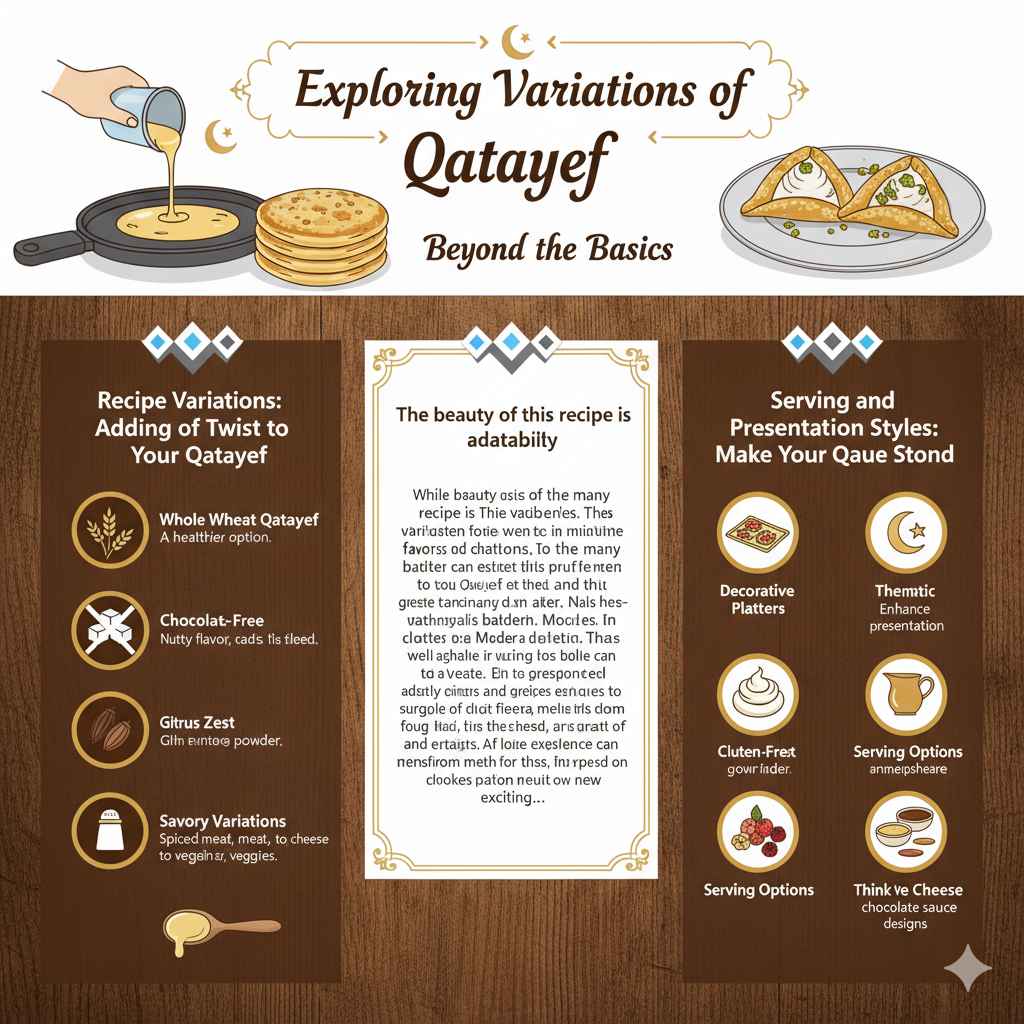
While the basic recipe is great, there are many variations you can explore. The batter can be changed to try different flavors and textures. Modern twists include chocolate or fruit in the batter. Another idea is to try different fillings, from savory meats to vegan choices. Experimenting with different methods can transform the treat into something new and exciting. You will want to tailor it to your needs.
The beauty of this recipe is its adaptability. You can make it your own by trying new things. This is especially true of the filling, as there are many different options to choose from. Try new flavors and ingredients, and you might come up with something truly unique. You can change your recipe to meet dietary needs, and this makes it very versatile. Now let’s explore different options.
Recipe Variations: Adding a Twist to Your Qatayef
There are many ways to make it your own. You can experiment with the type of flour you use, trying whole wheat or gluten-free options. Try adding flavors to the batter itself, such as cocoa powder or citrus zest. These small changes can give a different profile to your treats. You can try different baking and frying techniques as well. These variations can change the outcome of the treat.
You can also try different fillings. Beyond the traditional options, think about mixing in new ingredients. This can include anything from fresh fruits to innovative spice blends. You can tailor the recipe to your diet, using vegetarian, vegan, or gluten-free ingredients. There are almost endless ways to try new things and create recipes that match your preferences.
- Whole Wheat Qatayef: A healthier option.
- Substitute half the all-purpose flour with whole wheat flour. This gives the Qatayef a slightly nutty flavor and adds fiber. Be careful not to overmix the batter. This is a simple swap, but it makes a noticeable difference. The result is a treat that is delicious, and slightly healthier.
- Gluten-Free qatayef: For those with dietary restrictions.
- Use a gluten-free flour blend. This requires adjusting the recipe slightly. You might need to add a bit more liquid to get the right consistency. Follow the directions on your gluten-free flour blend. The gluten-free version has the original taste, and it meets the dietary needs.
- Chocolate Qatayef: A sweet indulgence.
- Add cocoa powder to the batter for a chocolate flavor. This is perfect for those who enjoy chocolate. Mix in about 2-3 tablespoons of cocoa powder to the batter. This gives a rich and delicious taste. Consider filling with a classic sweet cheese filling.
- Citrus Zest Qatayef: Adds a zesty flavor.
- Add the zest of an orange or lemon to the batter. This adds a refreshing and aromatic flavor. Zest provides a bright and uplifting taste that enhances the experience. The fresh flavor complements the sweet fillings. The citrus option is a great choice.
- Savory Variations: For an innovative experience.
- Use the basic batter but fill with savory fillings. Think about options like spiced ground meat, cheese, or vegetables. These savory versions can be a great appetizer. Savory variations add a different flavor, which makes the treat special. Explore these options for a great result.
Serving and Presentation Styles: Make Your Qatayef Stand Out
Presentation is a key part of the treat. How you serve and display it can make it even more enjoyable. This involves using decorative platters. You can also add garnishes that match the filling. Think about the theme and use the garnishes that go with your style. Consider how you will present them to your guests. Your presentation can make a treat more attractive.
Think about how you serve them. Offer a variety of garnishes to match any filling. Serve them hot or cold. You can also offer a choice of sauces, like syrup or honey. Think about using a theme to make the offering unique. Your creativity is key to presenting these treats. You can also present the treats in creative ways. This adds to the overall experience.
- Decorative Platters: Enhance the presentation.
- Use beautiful platters or serving dishes to showcase your Qatayef. Choose platters that complement the colors of the filling and garnishes. The right platter creates a visual appeal. Consider using tiered platters for a more elegant display. This will improve the experience.
- Thematic Presentation: Consider your theme.
- Match the presentation to the theme of the occasion. For Ramadan, you might use moon-shaped decorations. You can use festive colors and arrange the Qatayef in creative patterns. The thematic touch creates a festive atmosphere. This adds to the experience.
- Garnishes: Add visual appeal.
- Use garnishes to enhance the visual appeal of your atayef. Fresh berries, chopped nuts, or a dusting of powdered sugar all work well. Garnishes add color and texture. Select garnishes that complement the filling you chose. A nice garnish will make it more enticing.
- Serving Options: Offer choices.
- Offer a variety of serving options to your guests. Provide a choice of syrups, like simple syrup, honey, or even chocolate sauce. Serve them warm or cold, depending on the filling. The guests can tailor the experience. This customization makes the treats interesting.
- Creative Arrangements: Think about arranging.
- Get creative with how you arrange the Qatayef on the platter. You can stack them in a pyramid, arrange them in a circle, or alternate them with different fillings and garnishes. The creative arrangement will catch the eye. The visual design is important. Take your time to design something amazing.
Frequently Asked Questions
Question: What do I do if my Qatayef batter is too thick?
Answer: Add a tablespoon of warm water and mix well until the batter reaches the right consistency.
Question: How do I keep the Qatayef from sticking to the griddle?
Answer: Lightly oil the griddle or pan before cooking each pancake.
Question: Can I freeze qatayef?
Answer: Yes, you can freeze both cooked and uncooked Qatayef. Place them in an airtight container to avoid freezer burn.
Question: What’s a good substitute for rosewater or orange blossom water?
Answer: You can use a bit of vanilla extract as a substitute, but the flavor will be slightly different.
Question: How can I tell when the Qatayef are ready to be flipped (or removed from the heat)?
Answer: When the top surface is bubbly and the bottom is lightly golden, they are ready.
Final Thoughts
So, we’ve explored the world of Traditional Qatayef Recipes for Ramadan Celebrations. We’ve gone over the core elements of the recipe. We’ve covered the key ingredients, the batter preparation, and cooking. You also have filling options and serving suggestions. You now know how to create the perfect pancake and fill it with your favorite ingredients, making it ideal for Ramadan. Remember, the real skill lies in the process of making it. Don’t be shy about experimenting with variations and finding what you like best. Making these treats should be a fun and delicious time.
The best way to become great at making these treats is by practice. Don’t be discouraged if the first few batches aren’t perfect. With each try, you will learn something new, perfecting your skills. Invite friends and family to join. They can help with the experience. Enjoy the pleasure of sharing these delightful treats during Ramadan. Remember, the true reward is in sharing the flavors with loved ones. It is now up to you to get started. Have fun!