
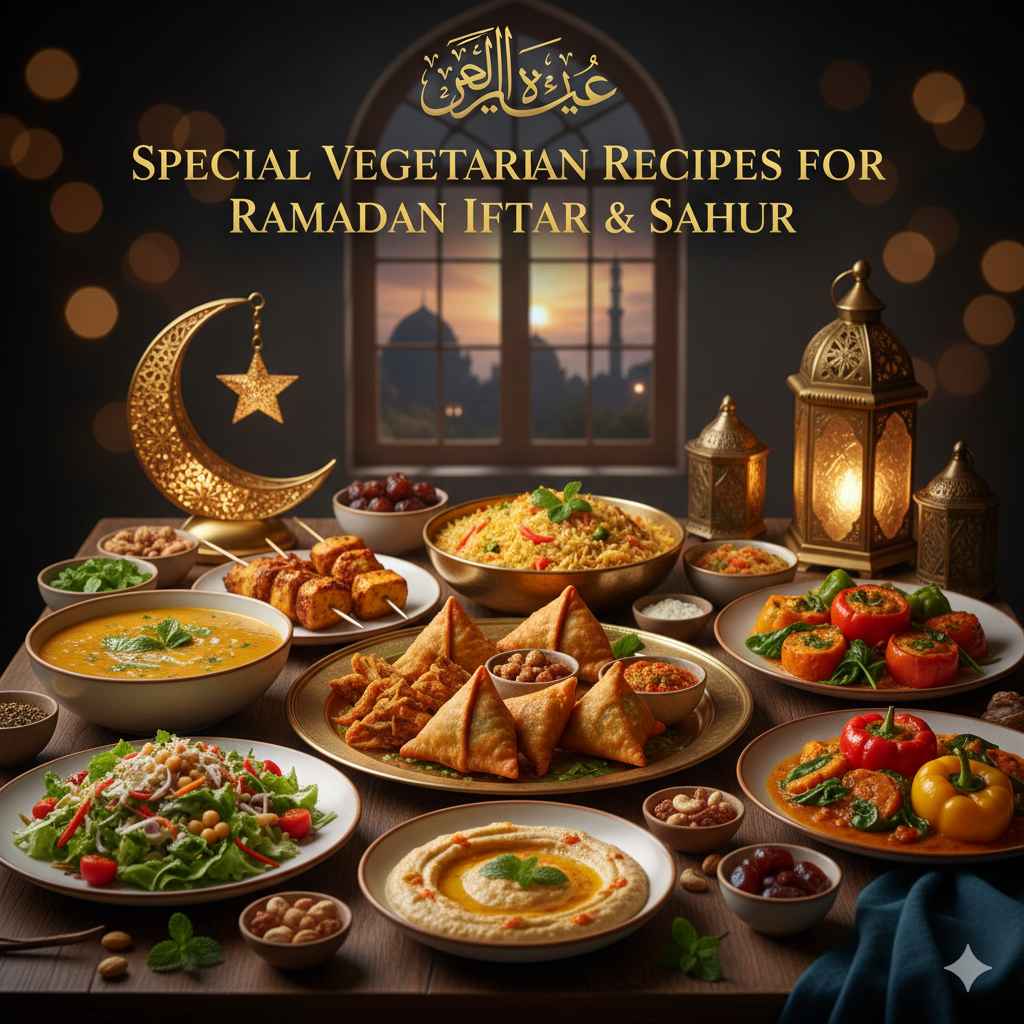
Planning for Special Vegetarian Recipes for Ramadan Iftar & Sahur can seem tricky, especially if you’re new to cooking or have specific dietary requirements. The challenge lies in creating tasty and satisfying meals that are both healthy and easy to prepare during a time of fasting. However, don’t worry! This guide is designed to make things simple. We’ll explore delicious, step-by-step vegetarian recipes perfect for breaking your fast and starting your day. Let’s get cooking!
Embracing the Flavors of Ramadan Vegetarian Cuisine
Ramadan is a time of reflection, community, and delicious food. For vegetarians, this means celebrating the bounty of plant-based ingredients. Many people believe vegetarian meals might be limited, but this is far from the truth. Vegetarian cuisines from around the globe offer a wide range of tastes and textures. From the fragrant spices of Indian dishes to the fresh herbs of Mediterranean recipes, the possibilities are vast.
This section will celebrate the diversity and accessibility of vegetarian cooking during Ramadan, highlighting how easy it is to create flavorful and nourishing meals that everyone can enjoy. We will explore ingredient selection, planning ahead, and the key components of building satisfying vegetarian meals.
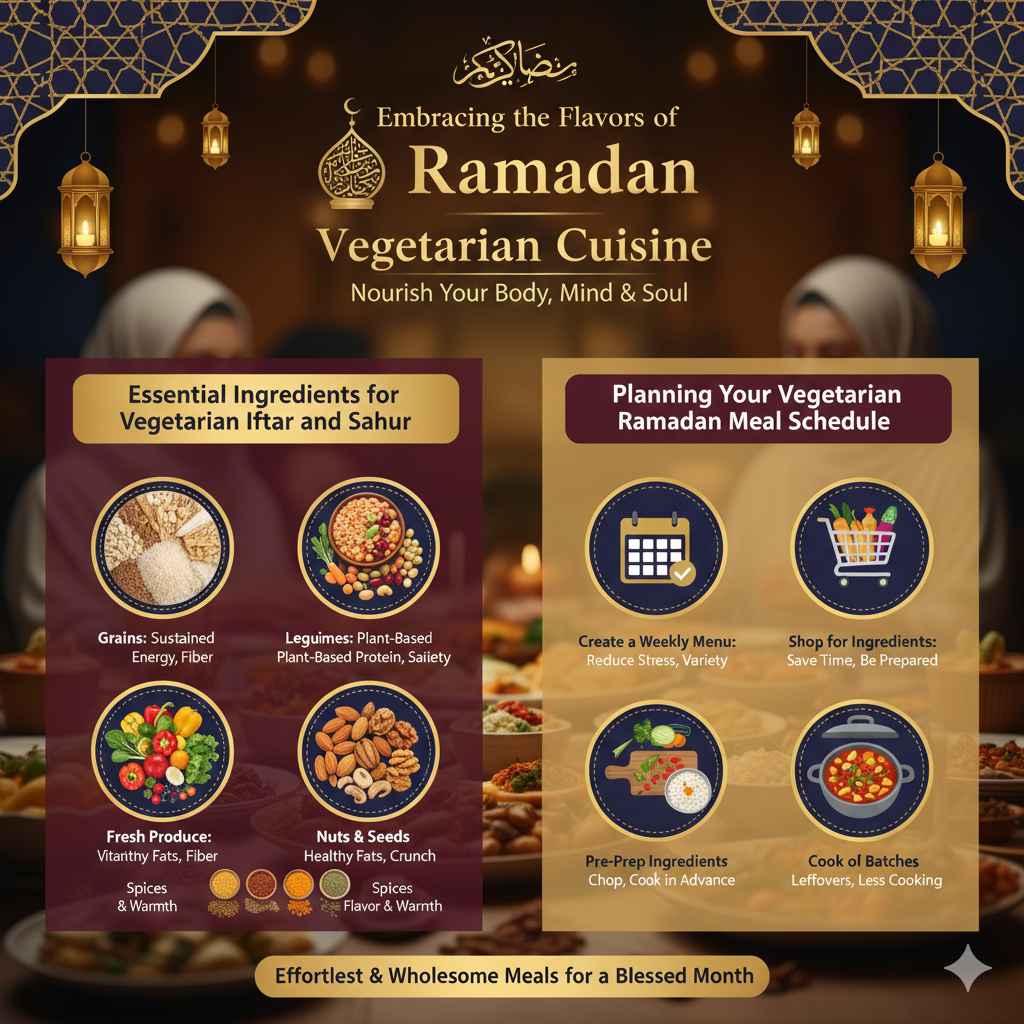
Essential Ingredients for Vegetarian Iftar and Sahur
The foundation of any good vegetarian meal lies in its ingredients. Selecting the right components is key to creating a truly enjoyable and satisfying experience. Stock your pantry with a selection of grains, legumes, and fresh produce. Grains such as rice, quinoa, and couscous provide sustained energy, while lentils, chickpeas, and beans offer a protein boost. Don’t forget an array of fresh vegetables and fruits, which provide essential vitamins, minerals, and fiber.
Spices play a crucial role in enhancing the flavor of your dishes. Consider investing in a variety of seasonings such as cumin, coriander, turmeric, and paprika to explore different flavors. Finally, nuts and seeds add a satisfying crunch and are packed with healthy fats. By focusing on quality ingredients, you can build the foundation for a variety of healthy and flavorful dishes.
- Grains: Opt for whole grains like brown rice, oats, and barley for sustained energy. Whole grains release glucose slowly into the bloodstream, making them ideal for managing energy levels throughout the day.
- Legumes: Lentils, chickpeas, and various beans are excellent sources of plant-based protein and fiber, promoting satiety. Protein helps keep you feeling full for longer.
- Fresh Vegetables and Fruits: Incorporate a variety of seasonal produce for vitamins, minerals, and antioxidants. These components support overall well-being.
- Nuts and Seeds: Add a handful of almonds, walnuts, or flaxseeds to boost healthy fats and provide a satisfying crunch. These ingredients can also add protein and fiber to your dishes.
Planning Your Vegetarian Ramadan Meal Schedule
Meal planning is essential for a smooth and enjoyable Ramadan experience. Preparing a weekly menu helps reduce stress, minimizes food waste, and ensures you have a variety of healthy options. Begin by considering your dietary needs and preferences. Factor in the time you have available for cooking, and choose recipes that suit your schedule. Prepping ingredients in advance, such as chopping vegetables or cooking grains in bulk, can save valuable time during the busy fasting hours.
Consider including both simple, quick recipes for busy days and more elaborate dishes for when you have more time. Planning ahead also helps you to avoid unhealthy impulsive choices and make sure you’re getting a balanced intake throughout the month. This approach helps maintain your energy levels and ensure you can fully participate in the spiritual aspects of Ramadan.
- Create a Weekly Menu: Plan your Iftar and Sahur meals for the week, considering the recipes you want to make and any dietary restrictions. List all your ingredients.
- Shop for Ingredients: Purchase all the ingredients needed for your planned meals in advance. This saves time and ensures you have everything you need.
- Pre-Prep Ingredients: Chop vegetables, cook grains, and prepare any sauces or marinades ahead of time to make cooking easier during Ramadan.
- Cook in Batches: Prepare larger quantities of dishes, like soups or stews, to have leftovers for the next day, which reduces cooking time.
Special Vegetarian Recipes for Ramadan Iftar
Iftar, the evening meal, is a time for breaking the fast and refueling the body. It’s important to select dishes that are both nourishing and satisfying after a long day of abstinence. This section focuses on creating delicious and appealing vegetarian options perfect for breaking the fast. From savory starters to hearty main courses, you’ll find inspiration to craft a memorable and balanced Iftar spread.
These recipes are designed to be easy to prepare, so you can spend less time in the kitchen and more time enjoying the spiritual aspects of Ramadan. We will explore a variety of cuisines, offering diverse flavors and textures to please all taste buds.
Quick and Easy Iftar Starters
After a day of fasting, it’s wise to start with something light and easily digestible. Starters provide a welcome break and help prepare the stomach for a more substantial meal. Simple salads, soups, and appetizers can be made quickly, using readily available ingredients. Consider recipes that provide a burst of nutrients and flavors, such as fresh salads with vibrant dressings or warming lentil soups. Avoid dishes that are heavy or greasy, as these can be difficult to digest after a long day. The goal is to gently reintroduce food to your system while ensuring you receive a balance of nutrients. These starters provide a good balance of flavors.
- Dates with Almonds: Dates are a traditional Iftar staple, providing natural sugars to replenish energy. Fill dates with almonds for added protein and healthy fats.
- Lentil Soup: A hearty and nutritious soup that is easy to digest and packed with protein and fiber. Many cultures have their own variations, allowing for a flavor match.
- Vegetable Samosas: Homemade or store-bought vegetable samosas are a tasty appetizer, but bake instead of frying for a healthier option.
Hearty Main Dishes for Iftar
After your starter, it’s time for the main course. The main dishes should be satisfying and provide enough energy to last you through the evening. Consider a variety of dishes with different textures and flavors to keep your meal interesting. These could include flavorful curries, comforting stews, or pasta dishes loaded with vegetables and plant-based protein.
Make sure your recipes incorporate a good source of carbohydrates, protein, and healthy fats. This will provide lasting satiety and support your energy levels throughout the night. Experiment with different spices and cooking methods to keep your menu exciting and enjoyable.
According to a survey by the Vegetarian Society, 62% of vegetarians and vegans are motivated by a desire to improve their health. This underscores the need for thoughtful meal planning during Ramadan.
- Vegetable Biryani: A flavorful rice dish layered with vegetables, herbs, and spices. It’s both filling and satisfying.
- Chickpea Curry: A classic dish with chickpeas in a rich, spiced tomato and coconut milk-based sauce. Serve with rice or naan.
- Vegetarian Pasta Bake: A baked pasta dish loaded with vegetables and a creamy sauce for a satisfying meal.
Special Vegetarian Recipes for Ramadan Sahur
Sahur is the pre-dawn meal that prepares you for the day of fasting. The goal is to provide sustained energy and nutrients to keep you feeling full and energized until Iftar. This section focuses on delicious and filling vegetarian recipes specifically crafted for Sahur. These recipes emphasize foods that are slowly digested, such as whole grains, legumes, and high-fiber fruits. You’ll find ideas for creating balanced meals that support hydration, provide essential vitamins and minerals, and help maintain your energy levels throughout the day. The focus is on preparing quick, simple, and satisfying dishes that are easy to eat before the sun rises.
Filling and Energizing Sahur Meals
The best Sahur meals include a combination of complex carbohydrates, protein, and healthy fats. These foods take longer to digest, providing a steady release of energy and helping you feel full for longer. Whole grains like oats and whole-wheat bread are great options, as are legumes such as beans and lentils. Incorporate lean protein sources such as eggs or dairy (if you consume it) or plant-based protein options like tofu or tempeh.
Don’t forget to hydrate with water or herbal teas to stay refreshed during the day. The goal is to build a foundation of healthy foods that can support you throughout the fasting hours. This strategy allows for sustained energy and good physical and mental performance.
- Oatmeal with Berries and Nuts: A classic choice that provides slow-releasing carbohydrates, fiber, and healthy fats.
- Vegetable and Tofu Scramble: A protein-packed dish that keeps you full and energized, with a quick prep time.
- Whole-Wheat Toast with Avocado and Eggs: A combination of healthy fats, protein, and fiber that is both satisfying and nutritious.
Tips for Staying Hydrated During Ramadan
Staying hydrated is key during Ramadan. Even though you can’t drink water during fasting hours, it is crucial to drink plenty of fluids during the non-fasting periods. This helps prevent dehydration and its associated symptoms, such as fatigue and headaches. Drink water, herbal teas, and fruit-infused water throughout the evening. Avoid sugary drinks and excessive caffeine, as these can dehydrate you.
Pay attention to your body’s signals and drink fluids regularly to maintain your hydration. Also, include hydrating foods like fruits and vegetables in your meals. This proactive approach will help you feel more comfortable and energized throughout the day.
Research indicates that adequate hydration helps improve cognitive function and energy levels. This is a very important aspect during fasting.
- Drink plenty of water: Aim to consume at least eight glasses of water between Iftar and Sahur.
- Include hydrating foods: Consume fruits and vegetables with high water content, like watermelon, cucumber, and tomatoes.
- Limit caffeine and sugary drinks: These beverages can contribute to dehydration.
Creative Vegetarian Recipes for Ramadan
Beyond the basics, it’s fun to explore unique and creative vegetarian recipes for Ramadan. This section encourages you to try new flavors, experiment with different cuisines, and discover innovative ways to create delicious meals. This includes using seasonal ingredients, combining different spices, and adapting dishes from various cultures. Get creative in the kitchen by modifying familiar recipes or trying something completely new. This exploration helps expand your culinary skills while also adding excitement and variety to your Ramadan menu.
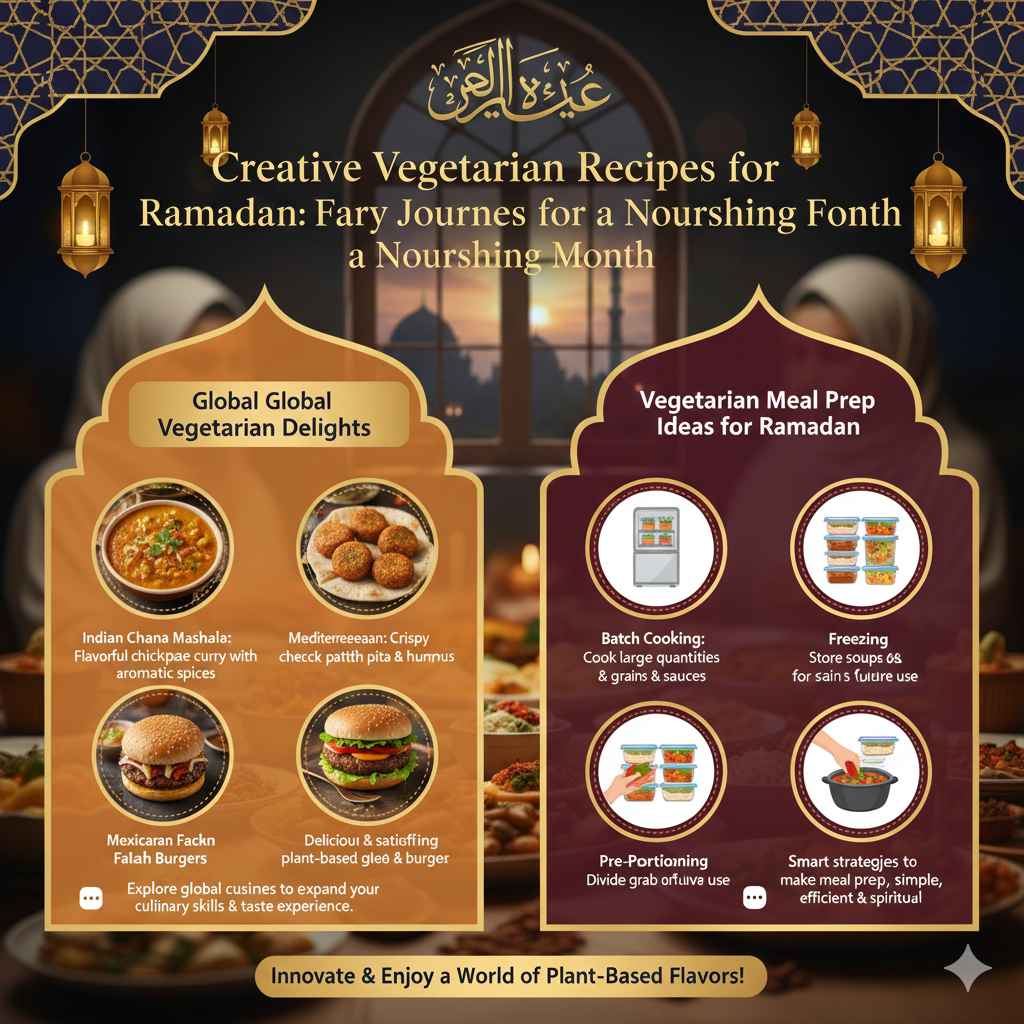
Global Vegetarian Delights
Explore the flavors of different cuisines to add variety to your Ramadan meals. From the aromatic spices of Indian curries to the fresh ingredients of Mediterranean dishes, the vegetarian world offers diverse options. Experiment with recipes from different cultures to broaden your culinary skills and taste experience. Consider trying a flavorful Moroccan tagine or a hearty Ethiopian lentil stew.
Each cuisine brings a unique set of ingredients and cooking methods to the table, providing a rich array of flavors and textures. Embracing global vegetarian dishes helps you discover new favorites and enjoy a more diverse menu throughout the month. This approach helps to keep your meals exciting and stimulating.
- Indian Chana Masala: A flavorful chickpea curry seasoned with a blend of aromatic spices.
- Mediterranean Falafel: Deep-fried or baked chickpea patties served with pita bread and hummus.
- Mexican Black Bean Burgers: A delicious and satisfying burger option, perfect for a change of pace.
Vegetarian Meal Prep Ideas for Ramadan
Meal preparation is essential during Ramadan, but it doesn’t need to be tedious. Adopt strategies to make it simple and efficient. Cooking in bulk and storing meals in the refrigerator is a great time-saver. Consider prepping ingredients like chopped vegetables or cooked grains in advance. Prepare ingredients on one day and assemble your meals throughout the week to help you. Focus on recipes that can be easily reheated and that don’t lose their flavor or texture. This will reduce your time spent in the kitchen and allow you to fully enjoy the spiritual aspects of Ramadan. Meal prep can be customized to suit your individual needs and the rhythm of your schedule. This way, you’re well-equipped to experience Ramadan efficiently.
- Batch Cooking: Cook large quantities of grains, legumes, and sauces to save time.
- Freezing: Freeze meals or components like soups and stews for future use.
- Pre-Portioning: Divide meals into individual portions for easy grab-and-go convenience.
- Smart Shopping: Plan your shopping list carefully to minimize food waste and optimize your pantry.
Frequently Asked Questions
Question: Can I eat meat during Ramadan?
Answer: Yes, you can eat meat during Ramadan, but this guide focuses on vegetarian options. Meat can be included during Iftar and Sahur, but vegetarians and vegans will opt for plant-based choices.
Question: Are there any specific foods to avoid during Ramadan?
Answer: It’s best to avoid excessive amounts of processed foods, sugary drinks, and fried foods, as these can negatively impact energy levels and overall health during the fast.
Question: How can I manage hunger and cravings during fasting hours?
Answer: Eating a balanced Sahur meal, staying hydrated during non-fasting hours, and engaging in light physical activity can help manage hunger and cravings.
Question: Is it safe to exercise during Ramadan?
Answer: Light to moderate exercise is generally safe during Ramadan, but it’s important to adjust your workout routine and listen to your body. Avoid strenuous activities, especially during fasting hours.
Question: How can I make sure I am getting enough nutrients as a vegetarian during Ramadan?
Answer: Focus on a variety of foods, including whole grains, legumes, fruits, vegetables, nuts, and seeds. Supplementing with vitamins or minerals might be a helpful measure, but always consult with a healthcare professional.
Final Thoughts
Preparing Special Vegetarian Recipes for Ramadan Iftar & Sahur doesn’t have to be complicated or overwhelming. By embracing the principles of smart meal planning, and by focusing on whole, plant-based foods, you can create delicious and satisfying meals throughout the month. Remember to prioritize a balanced intake that includes complex carbohydrates, protein, and healthy fats. Experiment with different cuisines, and don’t hesitate to try new recipes.
With a little organization and a dash of creativity, you can enjoy a Ramadan filled with tasty, nutritious vegetarian dishes. Focus on your well-being, take pleasure in the process of cooking, and savor the experience of breaking your fast with delightful and healthful meals. Start planning your Ramadan menu today, and enjoy the flavorful possibilities that vegetarian cuisine offers!