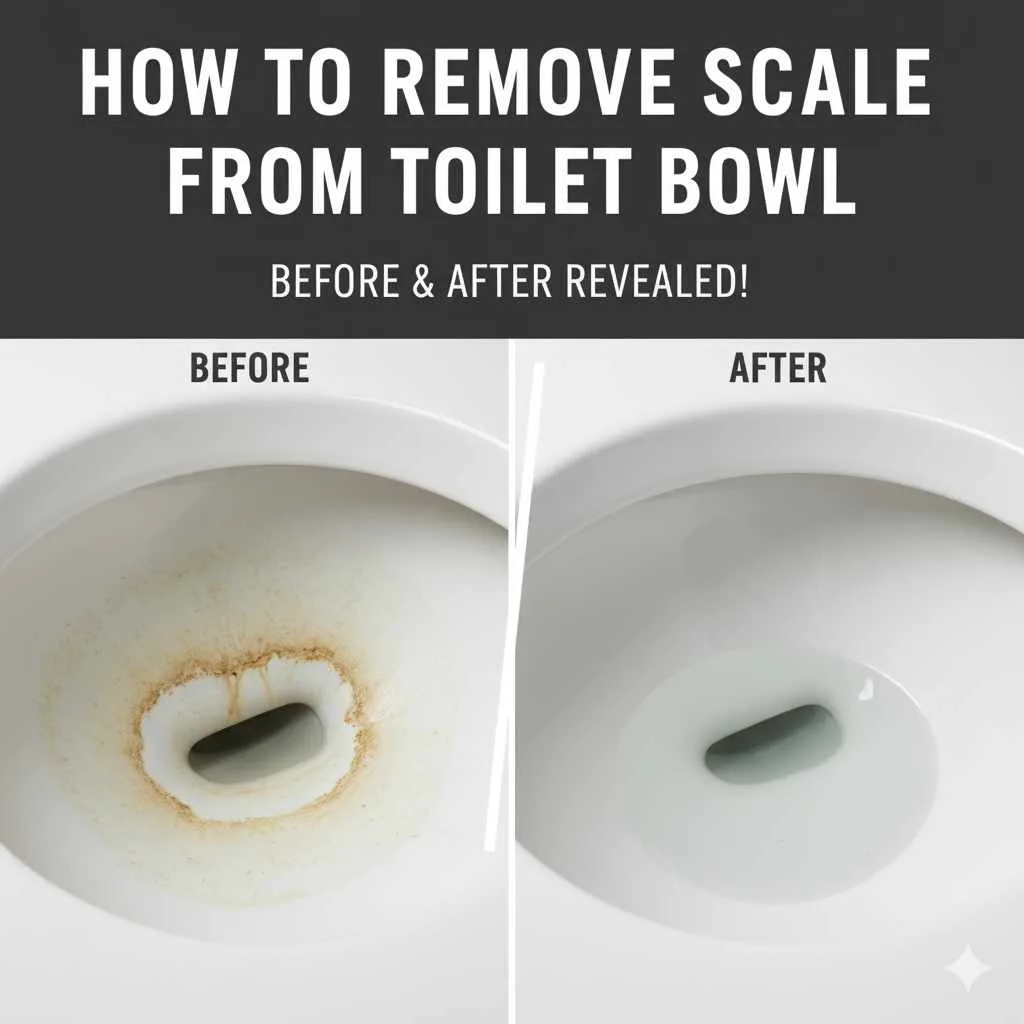
To remove stubborn scale from your toilet bowl, a simple yet genius solution involves natural household ingredients like vinegar and baking soda. This effective method tackles tough mineral deposits, restoring your toilet’s shine without harsh chemicals. Follow these easy steps for a sparkling clean result.
Nobody likes a dingy toilet bowl. Seeing those unsightly rings and stubborn scale buildup can be frustrating, making your bathroom feel less than fresh. But don’t worry! You don’t need expensive or harsh chemicals to get your toilet looking its best. As a home decor enthusiast, I’ve found a fantastic, budget-friendly, and incredibly effective way to tackle this common problem. It’s so simple, you might wonder why you haven’t tried it before!
This guide will walk you through a genius, step-by-step process using common items you probably already have in your kitchen. We’ll break down exactly what you need and how to use it to banish toilet bowl scale for good. Get ready to restore the gleam and feel confident about your bathroom’s appearance!
Why Does Toilet Bowl Scale Form? Understanding the Buildup
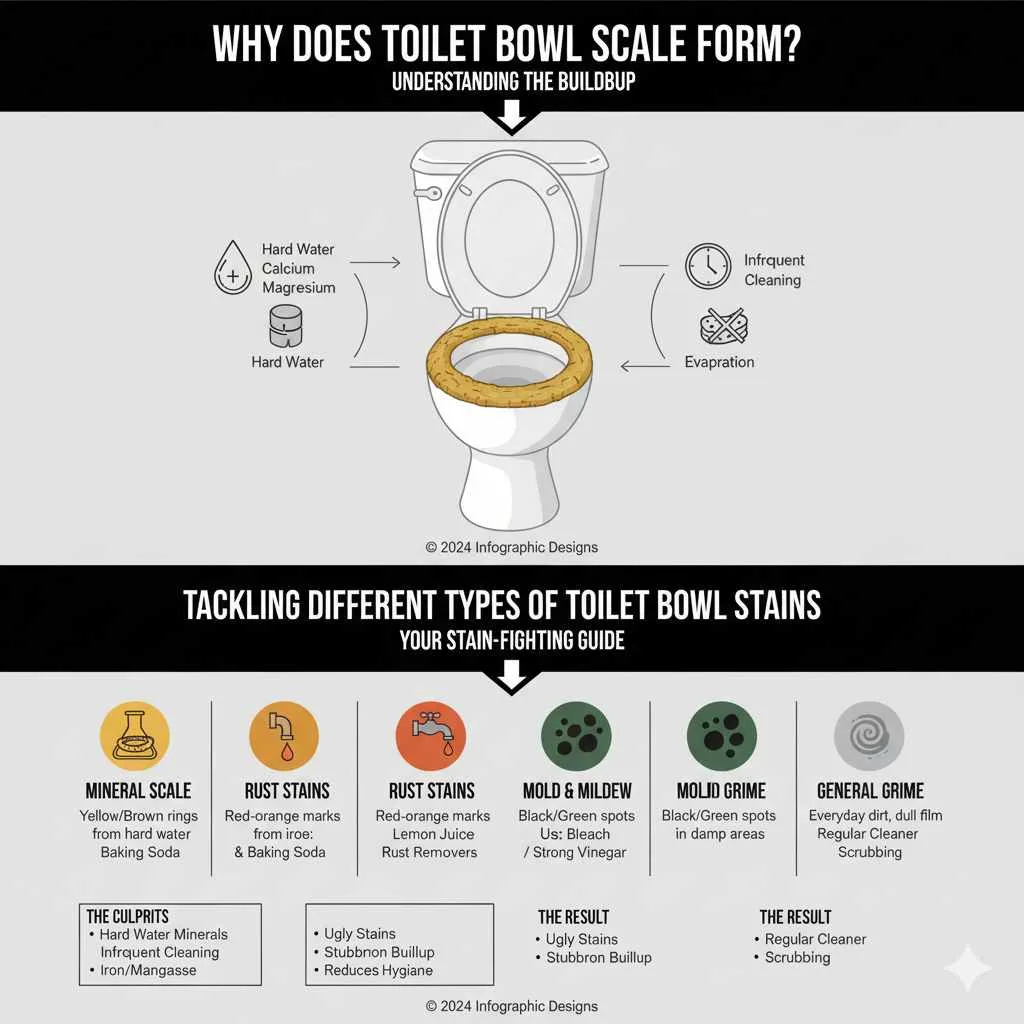
Before we dive into the solutions, let’s quickly understand what causes that stubborn scale. Toilet bowl scale, often seen as a yellowish, brownish, or even reddish ring or splotches, is primarily caused by mineral deposits in your water. This is especially common in areas with “hard water,” which contains high levels of dissolved minerals like calcium and magnesium. When water evaporates or sits in the toilet bowl, these minerals are left behind, gradually building up over time.
Factors like infrequent cleaning, especially around the waterline, and the presence of iron or manganese in the water can also contribute to the formation of tougher stains. These mineral deposits can be quite tenacious, resisting regular toilet bowl cleaner and scrubbing alone. The goal is to find a way to dissolve or loosen these minerals so they can be easily wiped away. This is where our “genius solution” comes into play, offering a powerful yet gentle approach.
The Genius Solution: Vinegar and Baking Soda Power
Our star players for tackling toilet bowl scale are white vinegar and baking soda. These are not only readily available and affordable but also incredibly effective natural cleaners. Vinegar is acidic, which helps to break down mineral deposits. Baking soda is a mild abrasive and a deodorizer, perfect for scrubbing away loosened scale and leaving your toilet fresh.
Here’s why this combination is so powerful:
- Acidity of Vinegar: White vinegar (acetic acid) is excellent at dissolving the alkaline mineral deposits that form scale.
- Abrasive Action of Baking Soda: When combined with vinegar, baking soda creates a fizzy reaction that can help lift stains. On its own, it acts as a gentle scrub.
- Natural and Safe: Unlike many commercial cleaners, vinegar and baking soda are non-toxic and safe to use around family and pets (though it’s always good practice to ensure good ventilation).
- Cost-Effective: Buying large bottles of vinegar and boxes of baking soda is significantly cheaper than specialized toilet bowl cleaners.
This method is designed to be simple enough for anyone to follow, making it a go-to solution for maintaining a sparkling clean toilet. Let’s gather our supplies and get started!
Materials You’ll Need
To successfully remove scale from your toilet bowl, you won’t need a lot of fancy equipment. The beauty of this solution lies in its simplicity and the common household items it requires. Here’s what you should have on hand:
- White Vinegar: A standard bottle of distilled white vinegar (5% acidity is typical and effective).
- Baking Soda: A box of plain baking soda.
- Toilet Brush: A sturdy toilet brush for scrubbing.
- Gloves: Rubber gloves to protect your hands.
- Optional: Pumice Stone or Toilet Scraper: For extremely stubborn, thick scale deposits. Ensure it’s specifically designed for toilets to avoid scratching the porcelain.
- Optional: Spray Bottle: For applying vinegar to the sides of the bowl, especially above the waterline.
- Optional: Old Rags or Paper Towels: For wiping down surfaces or cleaning up drips.
Gathering these items beforehand will ensure a smooth and efficient cleaning process. You’ll be amazed at how these simple ingredients work their magic!
Step-by-Step Guide: How to Remove Scale From Toilet Bowl
Ready to say goodbye to those unsightly toilet bowl rings? Follow these easy steps for a spotless finish. We’ll break down the most effective way to use vinegar and baking soda to tackle even the toughest scale.
Step 1: Prepare the Toilet Bowl
The first step is to create a somewhat dry surface for the cleaning agents to work directly on the scale, and to allow for better application. This also helps to concentrate the cleaning power.
- Lower the Water Level: To expose the scale rings more effectively, you’ll want to reduce the amount of water in the bowl. You can do this by turning off the water supply valve (usually located behind the toilet near the floor) and flushing the toilet. Hold the flush handle down until most of the water drains out. Alternatively, you can carefully bail out some water with a disposable cup or a bucket.
- Dry the Area (Optional but Recommended): For the best results, especially if the scale is above the waterline, use old rags or paper towels to dry the affected areas as much as possible. This ensures the vinegar and baking soda directly contact the scale.
Step 2: Apply the Vinegar
Vinegar’s acidity is key to breaking down mineral deposits. We want to let it sit and work its magic.
- Pour Vinegar: Pour at least 1 to 2 cups of white vinegar directly into the toilet bowl. Try to focus the stream on the areas with the most scale buildup, especially around the waterline.
- Spray the Sides: If you have a spray bottle, fill it with white vinegar and spray the sides of the toilet bowl, particularly above the waterline where scale can also form. This ensures even coverage.
- Let it Soak: Allow the vinegar to sit for at least 30 minutes. For very stubborn scale, you can let it soak for several hours, or even overnight. The longer it sits, the more time it has to break down the minerals.
Step 3: Add the Baking Soda
Now, we introduce the baking soda to work in conjunction with the vinegar.
- Sprinkle Baking Soda: After the vinegar has soaked, sprinkle a generous amount of baking soda (about 1 cup) directly over the vinegar-soaked areas. You’ll notice a gentle fizzing reaction.
- Let it Sit (Again): Let this mixture sit for another 15-20 minutes. The fizzing action helps to loosen the scale, and the baking soda adds a mild abrasive quality.
Step 4: Scrub Away the Scale
This is where the elbow grease comes in, but the vinegar and baking soda should have done most of the hard work.
- Scrub Thoroughly: Use your toilet brush to vigorously scrub all the areas affected by scale. Pay close attention to the waterline and any visible deposits. The loosened scale should start to come away easily.
- For Tougher Buildup: If some scale remains unbudged, you might need a little extra power. Gently use a pumice stone designed for toilets or a toilet scraper. Be careful not to scratch the porcelain. Wetting the stone or scraper and gently rubbing the stubborn spots can help lift them. Always rinse the stone/scraper frequently.
Step 5: Flush and Inspect
The final step is to see your sparkling results and ensure all the scale is gone.
- Turn Water Back On: If you turned off the water supply, turn it back on.
- Flush the Toilet: Flush the toilet to rinse away the loosened scale and cleaning residue.
- Inspect for Remaining Scale: Check the toilet bowl. If any stubborn spots remain, you can repeat the process or use the pumice stone/scraper on those specific areas. Sometimes, a second round is all it takes.
Congratulations! You’ve successfully removed toilet bowl scale using a simple, natural, and effective method.
Alternative and Complementary Methods
While the vinegar and baking soda method is a tried-and-true favorite, there are other effective ways to tackle toilet bowl scale, and sometimes combining methods yields the best results. These options can be useful if you have exceptionally tough buildup or prefer to try something different.
1. Lemon Juice or Citric Acid
Similar to vinegar, the citric acid in lemon juice can help break down mineral deposits. For a stronger effect, you can use powdered citric acid, which is available in many grocery stores or online. Mix a few tablespoons of citric acid with a little water to form a paste, or dissolve it in water and apply it like vinegar.
- How to Use: Apply lemon juice or a citric acid solution to the scale, let it sit for at least 30 minutes, and then scrub.
- Pros: Natural, pleasant scent (lemon juice).
- Cons: Can be less potent than vinegar for very heavy scale.
2. Cola (Yes, Really!)
The phosphoric acid found in colas like Coca-Cola can also help dissolve calcium deposits. This is a fun, quirky method that sometimes works wonders!
- How to Use: Pour a can of cola into the toilet bowl, ensuring it covers the scale. Let it sit for a few hours or overnight. Then, scrub and flush.
- Pros: Uses a common household beverage, can be surprisingly effective on some stains.
- Cons: Sticky residue possible, may not be strong enough for heavy buildup, contains sugar which can attract pests if not rinsed thoroughly.
3. Commercial Toilet Bowl Cleaners with Acidic Bases
If natural methods aren’t cutting it, you might consider a commercial cleaner specifically designed for rust and lime scale. Look for products that contain hydrochloric acid or phosphoric acid, but use them with extreme caution and always follow package instructions precisely for ventilation and personal protection.
Important Note: Never mix different cleaning chemicals, as this can create dangerous fumes. For instance, mixing bleach with acidic cleaners (like vinegar-based ones or some commercial toilet cleaners) can produce toxic chlorine gas.
4. Prevention is Key
Once you’ve got your toilet sparkling clean, preventing future scale buildup is crucial. Regular cleaning is your best defense.
- Weekly Cleaning: A quick scrub with your toilet brush and a swish of toilet bowl cleaner (or your DIY vinegar solution) once a week can prevent minerals from hardening.
- Water Softeners: If you have very hard water, consider installing a whole-house water softener. This is a more significant investment but tackles scale issues throughout your home. You can learn more about water softening from resources like the EPA’s WaterSense program, which offers insights into water quality.
- Toilet Drop-In Cleaners: While some people use them, be aware that some in-tank cleaners can degrade toilet components over time.
Tackling Different Types of Toilet Bowl Stains
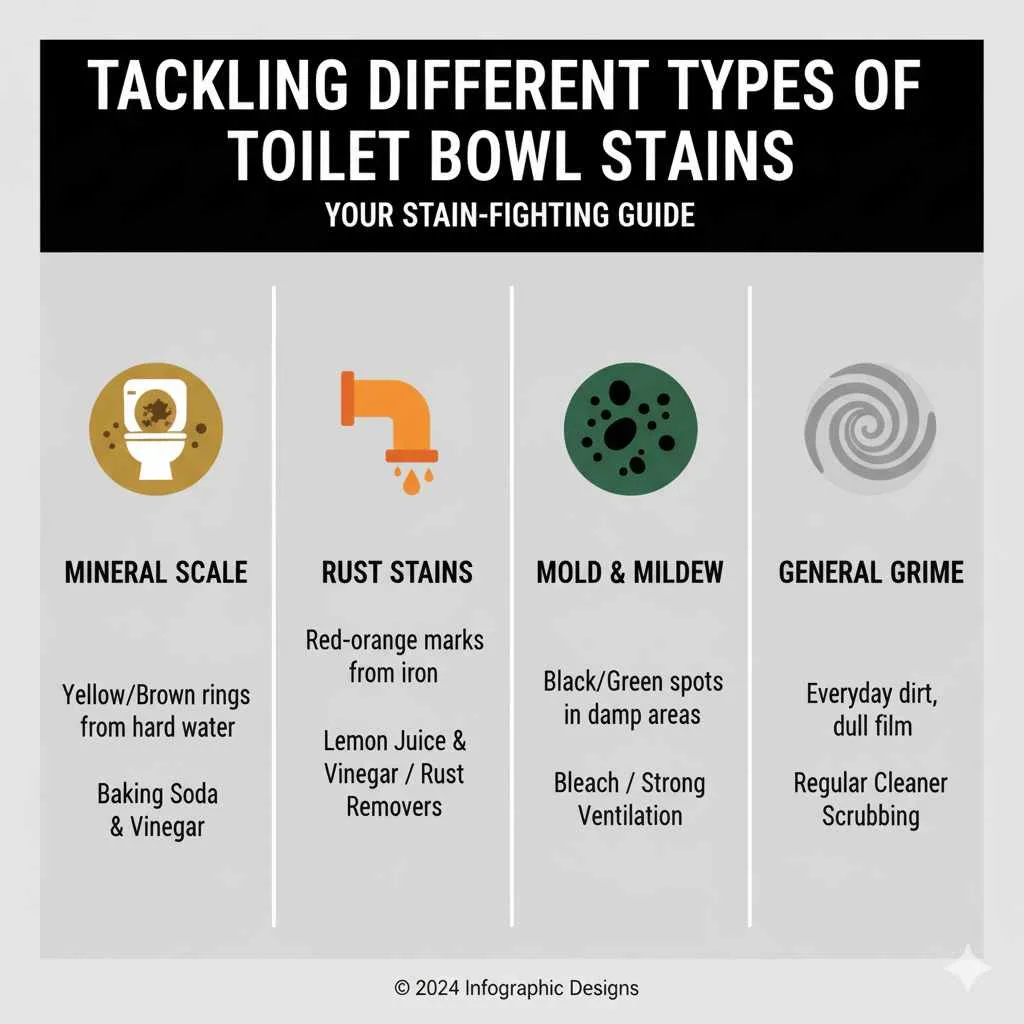
While we’re focusing on scale, it’s helpful to know that different stains require slightly different approaches. Understanding the type of stain can help you choose the most effective cleaning strategy.
Mineral Scale (Hard Water Stains)
As discussed, these are typically white, yellow, brown, or reddish-brown rings or crusty deposits caused by calcium, magnesium, and iron in hard water. Our vinegar and baking soda method is excellent for these.
Rust Stains
Often caused by iron in the water or from corroding pipes, these stains are typically reddish-brown to orange.
- Best for Rust: Acids are still good here. Lemon juice, vinegar, or commercial rust removers (use with caution) work well. Applying a paste of baking soda and lemon juice and letting it sit before scrubbing can also lift rust.
Mold and Mildew
These appear as black, green, or gray splotches, often in the lower part of the bowl or under the rim. They thrive in damp environments.
- Best for Mold/Mildew: Bleach is highly effective. For a less harsh option that still works, a strong vinegar solution or a paste of baking soda and water followed by scrubbing can do the trick. Ensure good ventilation when using bleach.
- Prevention: Keeping the bathroom well-ventilated can help reduce mold and mildew growth.
General Grime and Algae
This is the everyday dirt and grime that accumulates with regular use. It often looks dull and can be slightly slimy.
- Best for Grime: Regular scrubbing with your preferred toilet cleaner (commercial or DIY) is usually sufficient. The baking soda and vinegar combination also tackles this effectively.
By identifying the stain, you can select the most efficient method. For mineral scale, the vinegar and baking soda approach remains a top-tier, beginner-friendly solution.
FAQ: Your Toilet Scale Questions Answered
Here are some common questions people have when dealing with toilet bowl scale. I’ve kept the answers simple and straightforward, just for you!
Q1: How often should I clean my toilet bowl to prevent scale?
A1: For best results, aim for a quick scrub with your toilet brush at least once a week. A deeper clean using your preferred method (like vinegar and baking soda for scale) can be done monthly or as needed.
Q2: Can I use bleach to remove toilet scale?
A2: Bleach is great for disinfecting and killing mold/mildew but is not very effective at dissolving mineral scale on its own. It’s best to use acidic cleaners like vinegar for scale removal. Never mix bleach with acidic cleaners, as it creates dangerous toxic gas.
Q3: What’s the best way to clean under the toilet rim?
A3: To clean under the rim, try using a toilet brush that has a curved or angled head. You can also soak paper towels in vinegar or a diluted bleach solution (if using bleach, ensure good ventilation and never mix with other cleaners), tuck them under the rim, let them sit for a while, and then scrub. Many commercial toilet bowl cleaners come with angled nozzles to help reach this area.
Q4: My toilet bowl is stained red. What is this and how can I remove it?
A4: Red stains are usually due to iron in your water supply. Acidic cleaners such as vinegar or lemon juice are effective. You can also try a paste made from baking soda and lemon juice, let it sit on the stain, and then scrub well. For very stubborn iron stains, you might need a commercial cleaner specifically labeled for rust removal, always used with care and following instructions.
Q5: Is it safe to use a pumice stone in my toilet bowl?
A5: Yes, it is safe, provided you use a pumice stone specifically designed for cleaning toilets or porcelain. Always wet the stone and the toilet bowl surface thoroughly before scrubbing. Gently rub the stubborn scale. Never use a dry pumice stone, and avoid excessive force, as it could potentially scratch the porcelain, though toilet-specific ones are made to avoid this.
Q6: How can I make my DIY toilet cleaner stronger?
A6: For tougher scale, you can increase the soaking time for the vinegar, or even do a second application. You can also try making a thicker paste with baking soda and a smaller amount of vinegar, then applying it directly to the scale and letting it sit. Another option is to use a stronger acid like undiluted citric acid dissolved in warm water before scrubbing.
I hope these answers help clear up any lingering questions you might have. Tackling toilet stains doesn’t have to be complicated!
Conclusion
Maintaining a sparkling clean toilet bowl is achievable for everyone, and you don’t need harsh chemicals or expensive products to do it. The genius combination of white vinegar and baking soda offers a powerful, natural, and cost-effective solution for removing stubborn scale and leaving your toilet looking fresh and bright. By following the simple steps outlined in this guide – from preparing the bowl to scrubbing away those mineral rings – you can restore the beauty of your bathroom with confidence.
Remember, consistent cleaning is your best ally in preventing future buildup. Regular weekly or monthly maintenance will make those deeper cleaning sessions much easier and less frequent. So, embrace this simple yet effective method, and enjoy a cleaner, more welcoming home. You’ve got this!