
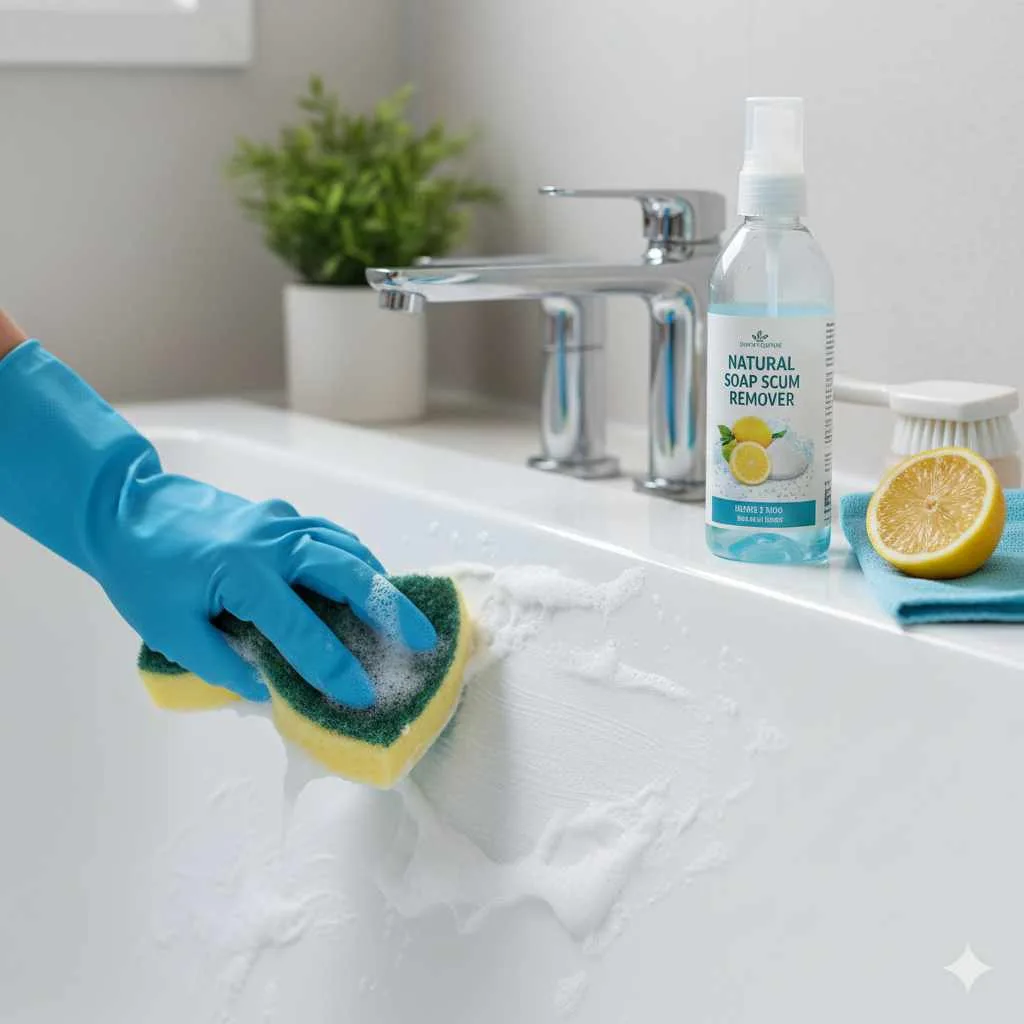
Effortlessly conquer stubborn soap scum in your bathtub with simple, effective DIY solutions and readily available household items. This guide provides genius, no-scrub methods and practical tips for a sparkling clean tub in no time.
Is that pesky soap scum leaving your bathtub looking dull and uninviting? You’re not alone! It’s a common bathroom woe that can feel like a never-ending battle. But don’t worry, achieving a sparkling clean tub doesn’t require harsh chemicals or endless scrubbing. I’m here to share some brilliant, beginner-friendly secrets that will make this chore feel almost effortless. Get ready to transform your bathroom from grimy to gleaming with these simple, proven techniques. Let’s dive in and discover how to banish soap scum for good!
Why Does Soap Scum Happen Anyway?
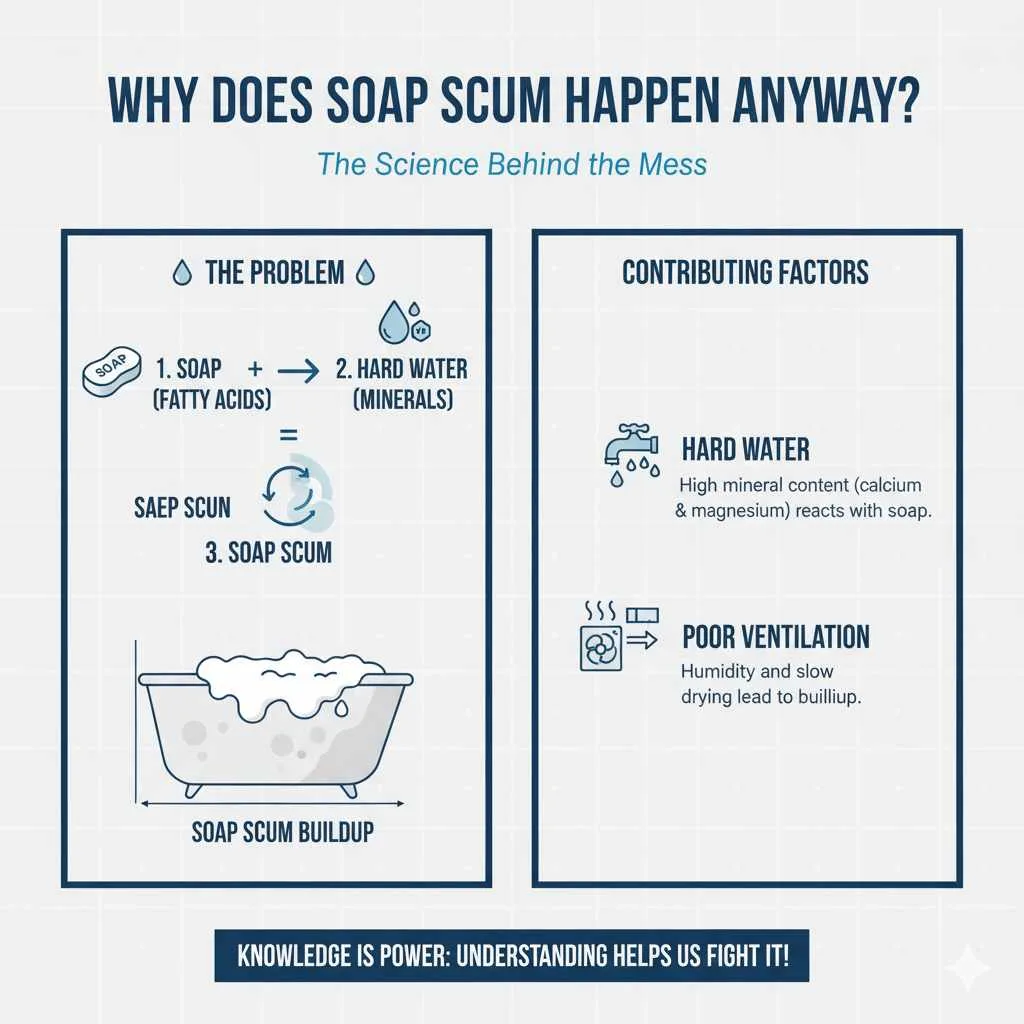
Before we tackle the mess, it’s good to know what we’re up against! Soap scum isn’t actually just soap. It’s a combination of the fatty acids in your soap (whether bar soap or liquid body wash) reacting with minerals in your water, like calcium and magnesium. This sticky residue clings to surfaces, and over time, it builds up, creating that dull, grayish-white film you see on your bathtub and shower walls. Factors like hard water and less-than-ideal ventilation can also contribute to its stubbornness. Understanding this helps us choose the right tools and techniques to break it down effectively.
Your Arsenal: Simple Ingredients for a Sparkling Tub
The best part about tackling soap scum? You likely already have most of what you need in your pantry or under your sink! Forget expensive, specialized cleaners; these everyday heroes are incredibly effective and budget-friendly.
Essential Cleaning Tools:
- Spray bottles
- Microfiber cloths (several!)
- Old toothbrush or small scrub brush
- Squeegee
- Gloves (to protect your hands)
- Non-abrasive sponges
Hero Cleaning Agents:
- White Vinegar: The undisputed champion for cutting through mineral deposits and soap residue due to its acidity.
- Baking Soda: A gentle abrasive that helps lift grime without scratching surfaces.
- Lemon Juice: Offers acidity similar to vinegar and a pleasant, fresh scent.
- Dish Soap: Excellent at breaking down grease and oils, which are part of the soap scum mixture.
- Hydrogen Peroxide (3%): A mild bleach alternative that can help whiten and disinfect.
Genius Method 1: The Vinegar & Dish Soap Power Duo
This is a holy grail method for many, combining the grease-cutting power of dish soap with the acidic prowess of white vinegar. It’s incredibly effective for most bathtub materials.
Why It Works
Vinegar’s acetic acid is fantastic at dissolving the mineral and soap components of scum, while dish soap emulsifies the fatty acids, helping to lift and rinse them away.
What You’ll Need:
- 1 cup white vinegar
- 1 cup liquid dish soap (like Dawn, which is known for its grease-cutting ability)
- Spray bottle
- Microfiber cloths
- Non-abrasive sponge
Step-by-Step Guide:
- Warm the Vinegar: Pour 1 cup of white vinegar into a microwave-safe bowl. Heat it in the microwave for about 30-60 seconds. You want it warm, not boiling hot. Warm vinegar works more effectively.
- Mix the Solution: Pour the warm vinegar into your spray bottle. Add 1 cup of liquid dish soap. Gently swirl the bottle to combine the ingredients. Avoid shaking vigorously, as this can create too many suds.
- Spray Liberally: Spray the vinegar and dish soap mixture all over the soap scum-covered areas of your bathtub. Ensure you get a good coating on the walls, floor, and around the faucet.
- Let It Sit: This is the “effortless” part! Allow the solution to sit and work its magic for at least 15-30 minutes. For tougher grime, you might let it sit for an hour. The longer it sits, the more time it has to break down the scum.
- Gentle Wipe Down: After waiting, use a damp microfiber cloth or a non-abrasive sponge to wipe away the loosened soap scum. You’ll likely see it coming off with minimal effort.
- Rinse Thoroughly: Rinse the tub completely with warm water. Ensure all the cleaning solution and scum residue are washed down the drain.
- Dry and Admire: Use a clean, dry microfiber cloth or a squeegee to dry the tub. This prevents water spots and leaves your tub gleaming.
Genius Method 2: Baking Soda Paste for Tough Spots
When you have thicker, more stubborn patches of soap scum, baking soda can be a gentle yet powerful abrasive helper. It works wonders when combined with a liquid to create a scrubbing paste.
Why It Works
Baking soda is a mild alkali and a fine abrasive. When made into a paste, it creates a gentle scrubbing action that physically lifts and removes the adhered scum without scratching most bathtub surfaces.
What You’ll Need:
- 1/2 cup baking soda
- Liquid dish soap or water (enough to form a paste)
- Old toothbrush or small scrub brush
- Microfiber cloths
Step-by-Step Guide:
- Make the Paste: In a small bowl, combine 1/2 cup of baking soda with enough liquid dish soap or water to create a thick paste. It should have the consistency of toothpaste.
- Apply to Scum: Using your hands (gloved!) or a sponge, apply the baking soda paste directly onto the areas with heavy soap scum buildup. Use your toothbrush or small scrub brush to gently work the paste into the scum.
- Let It Dwell: Allow the paste to sit on the soap scum for at least 15-20 minutes. For particularly stubborn areas, you can let it sit longer.
- Scrub Gently: After letting it sit, use your damp sponge or cloth to gently scrub the area. The baking soda will help lift the softened scum. You might need to re-apply paste to very tough spots.
- Rinse Clean: Rinse the tub thoroughly with warm water, ensuring all paste and loosened scum are washed away.
- Dry and Shine: Dry the tub with a clean microfiber cloth or use a squeegee for a spot-free finish.
Genius Method 3: Lemon Power for Freshness and Shine
Lemons offer a natural, acidic alternative that not only cleans but also leaves a wonderfully fresh scent. This method is a great choice if you’re sensitive to strong vinegar odors.
Why It Works
The citric acid in lemon juice acts similarly to vinegar, helping to break down the mineral and soap deposits that form scum. Plus, the natural fragrance is a lovely bonus!
What You’ll Need:
- 2-3 lemons
- Spray bottle (optional)
- Microfiber cloths
- Non-abrasive sponge
Step-by-Step Guide:
- Prepare the Lemons: Cut the lemons in half.
- Apply the Juice: You can either squeeze the lemon juice directly onto the soap scum or into a spray bottle. If using a spray bottle, you might want to add a tablespoon of water to dilute slightly, but pure juice is also fine.
- Rub and Squeeze: For stubborn spots, rub the cut side of a lemon directly on the soap scum. Squeeze as you rub to release more juice.
- Spray and Wait: If you’re using a spray bottle, generously spray the lemon juice onto the affected areas.
- Let It Sit: Allow the lemon juice to sit on the soap scum for at least 30 minutes.
- Wipe and Rinse: Use a damp microfiber cloth or non-abrasive sponge to wipe away the loosened scum. Rinse the tub thoroughly with water.
- Buff Dry: Dry with a clean cloth for a bright, fresh-smelling finish.
Beyond the Bathtub: Tackling Shower Doors and Tiles
These methods aren’t just for the tub itself! Soap scum loves to build up on shower doors, tiles, and grout.
Shower Doors: The vinegar and dish soap method is fantastic for glass shower doors. Spray it on, let it sit, then wipe clean with a microfiber cloth. A squeegee is your best friend here for a streak-free finish. For tougher spots on glass, the baking soda paste can also be effective.
Tiles: For ceramic or porcelain tiles, any of the above methods will work. Always test a small, inconspicuous area first.
Grout: The baking soda paste is particularly good for grout lines. Apply it with an old toothbrush, let it sit, then gently scrub. You can also use a paste made from baking soda and hydrogen peroxide for a bit of whitening power.
A helpful resource for understanding different tile materials and their care can be found on government sites like those for the Environmental Protection Agency (EPA), which offers general guidance on cleaning and chemical safety in the home.
Maintaining Your Sparkling Tub: Prevention is Key!
The best way to deal with soap scum is to prevent it from building up in the first place. It takes a little effort, but it saves you tons of scrubbing time later!
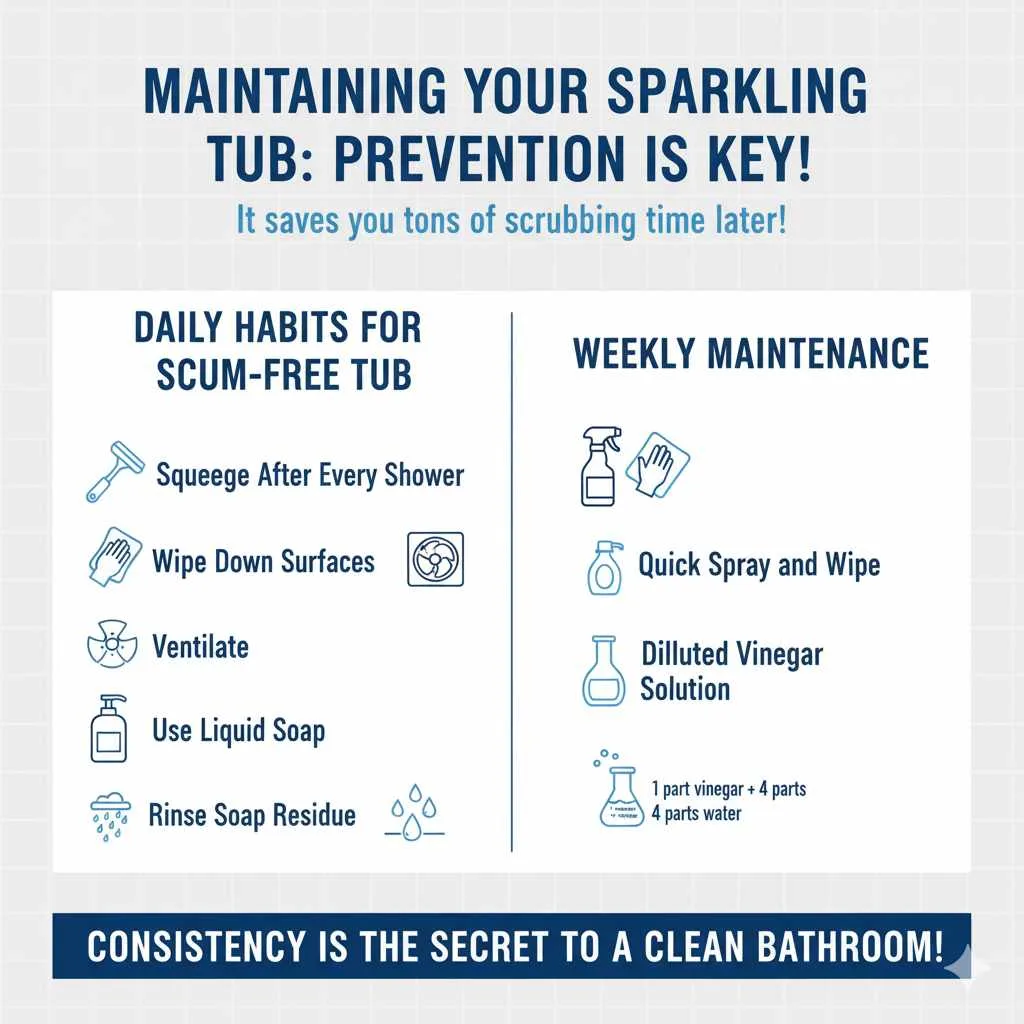
Daily Habits for a Scum-Free Tub:
Squeegee After Every Shower: Keep a squeegee in your shower and use it on the walls and doors after each use. This removes excess water, which is where scum begins to form.
Wipe Down Surfaces: A quick wipe with a microfiber cloth after showering can make a huge difference.
Ventilate: Always turn on your bathroom fan during and after showers to reduce humidity. If you don’t have a fan, open a window. Keeping the bathroom dry is crucial.
Use Liquid Soap: Bar soaps tend to have more fatty acids that contribute to scum buildup. Switching to liquid body wash can help.
Rinse Soap Residue: Make it a habit to quickly rinse down the walls and faucet area after your bath or shower to wash away any clinging soap.
Weekly Maintenance:
Quick Spray and Wipe: Once a week, give your tub and shower a quick spray with a diluted vinegar solution (1 part vinegar to 4 parts water) and wipe it down. This prevents any minor buildup from becoming a major problem.
When to Call in the Pros (Or Use a Commercial Cleaner)
While DIY methods are incredibly effective, there are times when you might consider other options:
Extremely Stubborn Buildup: If you’ve tried the methods above multiple times and the scum remains, you might have an exceptionally tough build-up.
Sensitive Surfaces: If you have delicate or antique fixtures, some acidic cleaners might be too harsh. Always check manufacturer recommendations.
Time Constraints: Sometimes, you just need a quick fix. In these cases, a reputable commercial bathroom cleaner specifically designed for soap scum can be a good option. Always follow product instructions carefully and ensure good ventilation.
Here’s a quick comparison to help you choose:
| Cleaning Method | Best For | Potential Downsides | Effort Level |
|---|---|---|---|
| White Vinegar & Dish Soap | General soap scum, greasy buildup | Vinegar smell (dissipates) | Low to Medium |
| Baking Soda Paste | Thick, stubborn scum, grout lines | Requires gentle scrubbing | Medium |
| Lemon Juice | Light scum, odor removal | Less potent for heavy buildup | Low |
| Commercial Cleaners | Rapid cleaning, very heavy scum | Can be harsh, requires careful use, cost | Low |
For a deeper understanding of household cleaning chemicals and safety, resources from the Federal Trade Commission (FTC) can be beneficial.
Frequently Asked Questions About Cleaning Soap Scum
Q1: How often should I deep clean my bathtub to prevent soap scum?
A1: Aim for a thorough cleaning once a week. Using the preventative measures mentioned (squeegee, wipe-down), you can tackle soap scum before it becomes a major issue, making your weekly clean much easier.
Q2: Can I use bleach to clean soap scum?
A2: While bleach can whiten, it’s not the most effective cleaner for soap scum itself. Soap scum is a combination of minerals and oils. Bleach is better for sanitizing and whitening mold or mildew. Mixing bleach with acidic cleaners like vinegar can create dangerous fumes. It’s generally safer and more effective to use acidic cleaners, gentle abrasives, or dish soap for soap scum.
Q3: My bathtub is made of [material – e.g., acrylic, fiberglass]. Will these methods damage it?
A3: The methods discussed (vinegar, baking soda, lemon juice) are generally safe for most common bathtub materials like acrylic, fiberglass, enamel, and porcelain. However, always test any new cleaner in an inconspicuous spot first, especially on older or more delicate surfaces. Avoid abrasive scrubbing pads or steel wool, which can scratch.
Q4: How can I get rid of the ring around my bathtub?
A4: The ring is a classic sign of soap scum buildup. The vinegar and dish soap method, or the baking soda paste method, are excellent for tackling bathtub rings. Apply your chosen cleaner to the ring, let it sit for a good 15-30 minutes, then gently scrub and rinse.
Q5: Is it okay to mix baking soda and vinegar for cleaning?
A5: Yes, you can mix them! When you combine baking soda (a base) and vinegar (an acid), they react to create a fizzy, bubbling action. This foaming can help lift grime. You can create a paste with baking soda and a little vinegar, or spray vinegar onto a baking soda paste. Just be aware that the primary cleaning power comes from the individual ingredients before they neutralize each other.
Q6: How long does it take for these cleaning methods to work?
A6: Depending on the severity of the soap scum and the method used, the “waiting” time can range from 15 minutes to an hour or more. The actual scrubbing or wiping part is usually quick once the solution has had time to work.
Conclusion
See? Getting rid of stubborn soap scum doesn’t have to be a dreaded chore. With a few simple household ingredients and a bit of patience, you can restore the sparkle to your bathtub and enjoy a more beautiful, inviting bathroom. Remember, consistency is your best friend. Incorporating those small, daily habits like squeegeeing and wiping down surfaces will dramatically reduce the amount of scrubbing you need to do in the long run. So, grab your vinegar and dish soap, or whip up a baking soda paste, and get ready to be amazed by the effortless shine! Your beautiful, clean sanctuary is just a simple cleaning session away. Happy cleaning!