

Finding the right Healthy Ramadan Iftar Snack Recipes Everyone Will Love can feel tough! You want food that tastes great, is good for you, and fits into the fasting period. Don’t worry, it doesn’t need to be complicated. We’ll explore some super easy recipes that everyone can enjoy. We’ll show you how to prepare delicious and nourishing meals without spending hours in the kitchen. Let’s get cooking!
Embracing the Spirit of Ramadan with Nourishing Snacks
Ramadan is a time of spiritual reflection and community. It is also a time when families and friends come together to share meals after the daily fast. Preparing food for iftar, the evening meal that breaks the fast, often involves balancing traditional dishes with healthy options. This can be difficult, especially for those new to cooking for the occasion. The goal is to create dishes that are both satisfying and beneficial for the body, replenishing energy and nutrients after a day of abstinence. This section will explore the core values behind crafting snacks for the holy month.
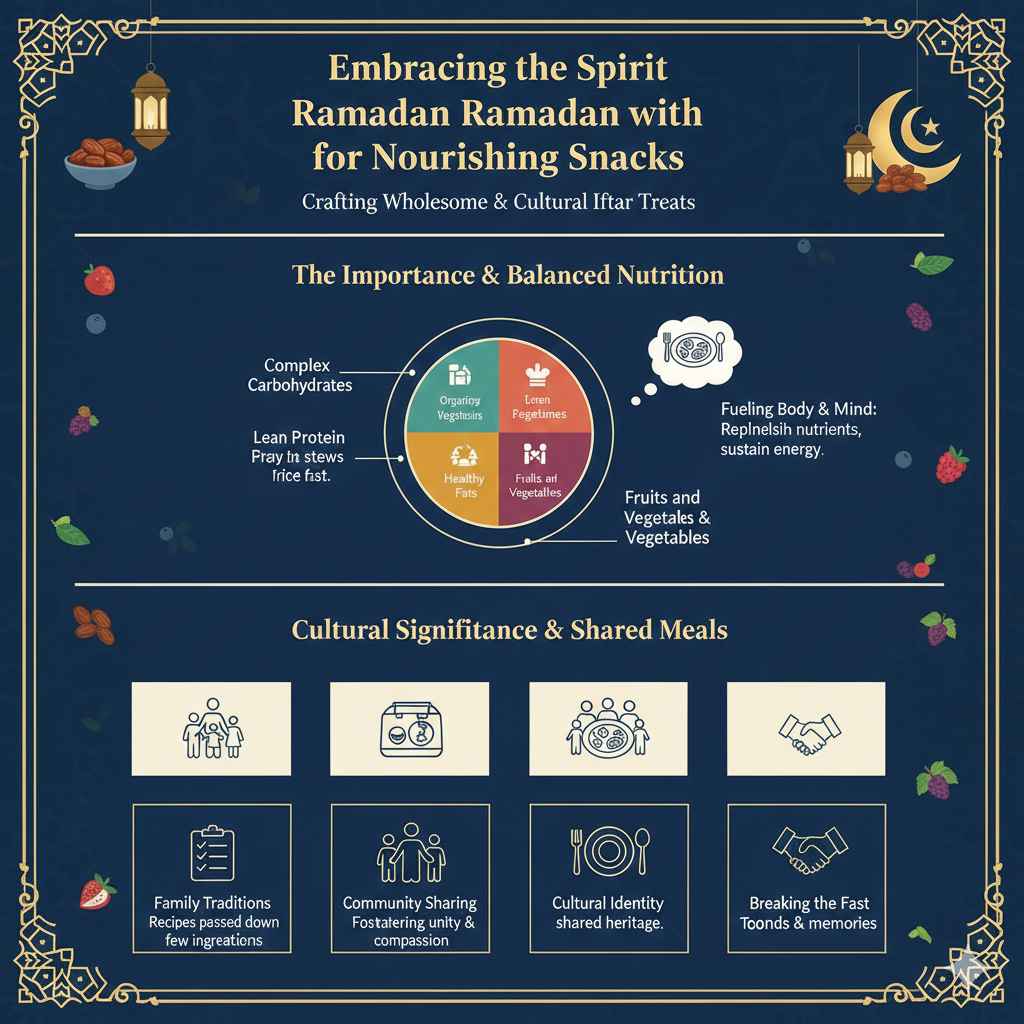
The Importance of Balanced Nutrition
During Ramadan, our bodies go through a significant change. After long hours without food or water, iftar should replenish nutrients and provide a sustained release of energy. The recipes should incorporate a variety of food groups. This includes complex carbohydrates for energy, lean protein for muscle repair, healthy fats for satiety, and plenty of fruits and vegetables for essential vitamins and minerals.
The goal is to provide fuel for the body and mind, helping individuals stay active and focused during the holy month. Avoiding overly processed foods and sugary drinks is key. Such items can cause a quick spike in blood sugar, followed by a crash, which is counterproductive.
- Complex Carbohydrates: These provide a steady release of energy, which helps to maintain energy levels throughout the evening.
- Lean Protein: Essential for repairing and building tissues, protein also helps with satiety.
- Healthy Fats: These fats are crucial for brain function, hormone production, and overall health.
- Fruits and Vegetables: These are packed with vitamins, minerals, and fiber, promoting digestive health.
Cultural Significance and Shared Meals
Food plays a central role in the cultural and social aspects of Ramadan. Sharing iftar with family, friends, and neighbors is a cherished tradition, strengthening bonds and promoting a sense of community. The preparation of meals is a collective effort in many households, involving family members of all ages. This shared experience fosters a sense of togetherness and reinforces cultural identity. It’s an opportunity to celebrate shared heritage through food. Preparing recipes that reflect cultural traditions can make the iftar meal even more special. This makes the meal feel more meaningful and connected to the broader values of Ramadan.
- Family Traditions: Recipes often reflect family customs passed down through generations.
- Community Sharing: Sharing food with others fosters a sense of unity and compassion.
- Cultural Identity: Food plays a key role in expressing and celebrating cultural heritage.
- Breaking the Fast Together: Iftar meals are a time for gathering and strengthening relationships.
Simple and Delicious Recipes for Healthy Iftar Snacks
Creating delicious and healthy snacks for iftar doesn’t have to be complicated. Many simple recipes can be prepared quickly and easily. These recipes prioritize whole, unprocessed ingredients. They aim to provide essential nutrients while keeping meals light and satisfying. These recipes are designed to be accessible to cooks of all skill levels. They offer a range of flavors and textures to please all palates. Here, we’ll feature recipes that require minimal time and effort.
Refreshing and Hydrating Drinks
Staying hydrated is a top priority during Ramadan. The long hours of fasting can be dehydrating, making it essential to replenish fluids during iftar. Instead of sugary drinks, focus on options that provide hydration and essential nutrients. Freshly squeezed juices, infused water, and homemade smoothies are all excellent choices. These drinks are refreshing and help the body recover. They can also contribute to overall health. Incorporating fruits and vegetables into your beverages also increases your intake of vitamins and antioxidants. Remember, it’s about nourishing the body and promoting well-being.
- Fresh Fruit Juices: Try orange, watermelon, or pomegranate juice, packed with vitamins.
- Infused Water: Cucumber, mint, and lemon-infused water for a refreshing drink.
- Homemade Smoothies: Blend fruits, vegetables, and a touch of protein powder or yogurt.
- Benefits of Hydration: Hydration aids digestion and helps maintain energy levels.
Quick and Easy Appetizers
Appetizers are a great way to break the fast with light, flavorful bites. These recipes focus on fresh ingredients and easy preparation. Think of salads, dips with vegetables, or small portions of protein-rich snacks. These appetizers are designed to stimulate the appetite without overwhelming the digestive system. They set a positive tone for the meal ahead. Many of these snacks can be prepared in advance, saving time and effort. Consider including a mix of textures and flavors to satisfy different tastes. A good appetizer is the perfect start to a nourishing iftar meal.
- Dates with Almonds: A traditional and quick energy booster.
- Vegetable Sticks with Hummus: Provides fiber, protein, and healthy fats.
- Fruit Salad: A refreshing mix of seasonal fruits for vitamins and fiber.
- Small portions of protein like chicken skewers. Offer a great way to break the fast.
Exploring International Flavors for Variety
Ramadan is a time to explore different cuisines and broaden culinary horizons. Incorporating international flavors into your iftar menu can add excitement and variety. You can draw inspiration from various culinary traditions around the world. These recipes use familiar ingredients to create dishes with unique tastes and textures. This adds a new layer to your Ramadan meals. You can experiment with different spices, cooking techniques, and ingredients. You can also cater to everyone’s tastes.
Middle Eastern Influences
Middle Eastern cuisine offers a wealth of flavors. Dishes are rich in spices, herbs, and fresh ingredients. These recipes often feature ingredients like chickpeas, lentils, and olive oil, which are very nutritious. The cuisine also offers traditional dishes that are perfect for breaking the fast. These dishes are easy to adapt for a healthier approach. Incorporate dishes such as hummus, falafel, and lentil soup into your iftar meals. These dishes are easy to prepare and are satisfying and delicious. You will experience authentic tastes and cultural significance.
- Hummus and Pita: A classic Middle Eastern dip with pita bread.
- Falafel: Crispy chickpea fritters, a great source of protein.
- Lentil Soup: A hearty and nutritious soup, ideal for breaking the fast.
- Za’atar Spices: Use za’atar for a unique taste.
Asian-Inspired Dishes
Asian cuisines offer an array of flavorful and healthy options. Dishes from countries such as India, Thailand, and China incorporate fresh vegetables, lean proteins, and aromatic spices. They can be easily adjusted to include whole grains and less oil. You can adapt these recipes to fit your dietary needs. Explore curries, stir-fries, and noodle dishes for a unique iftar meal. They often use fresh ingredients and can be both healthy and delicious. It’s a great opportunity to explore flavors from a diverse range of cultures.
- Vegetable Stir-fry: A quick and easy dish.
- Chicken Curry with Brown Rice: Hearty and flavorful.
- Spring Rolls with Peanut Sauce: A lighter take on traditional rolls.
- Asian-Inspired Spices: Use spices like ginger, garlic, and turmeric.
Planning and Preparation Tips for a Smooth Ramadan
Successful meal planning and preparation are very important for a smooth and enjoyable Ramadan. Being organized and prepared can reduce stress and ensure that you have healthy and delicious meals available each day. Planning ahead helps you to make choices that align with your health goals. A good plan will save time and energy. It will make this time of year more enjoyable and reflective. This section covers strategies to make it easier to stay on track.
Creating a Meal Plan
Making a meal plan is a great way to ensure that you eat nutritious meals throughout Ramadan. Start by considering your dietary needs and preferences. Then, plan your meals for the week. Include a variety of dishes to meet nutritional needs. Write a list of everything you need to buy and prepare your meals. Preparing food in advance will save you valuable time. Be ready to adjust your plan based on any changes. It’s a key strategy for a successful Ramadan.
- Plan Ahead: Make a meal plan at the beginning of the week.
- Consider Dietary Needs: Take into account any dietary requirements.
- Write a Shopping List: Make sure you have all the necessary ingredients.
- Adjust Accordingly: Be flexible to adjust your plan if needed.
Batch Cooking and Prep Ahead
Batch cooking is a great way to save time and effort during Ramadan. Preparing large batches of food, such as soups, stews, and grains, can be refrigerated. You can also freeze them for later use. Washing, chopping, and storing vegetables and fruits in advance will also save time. This is especially helpful if you have a busy schedule. This can also allow you to enjoy more quality time with family. It also reduces the stress of last-minute meal preparation. This lets you focus on the spiritual aspects of Ramadan.
- Cook in Batches: Prepare large portions of meals.
- Pre-chop Vegetables: Wash and chop veggies in advance.
- Freeze Meals: Store food for later use.
- Simplify Your Life: Reduce the stress and time spent in the kitchen.
According to the International Dates Council, dates are a very popular food during Ramadan. Data shows that the consumption of dates increases by around 50% during the holy month. This trend highlights the importance of the food in the diet.
Addressing Common Concerns and Challenges
During Ramadan, there may be specific challenges. You may face issues such as fatigue, digestive discomfort, and the temptation to overeat. Being aware of these issues can help you to deal with them more effectively. By preparing for these challenges, you can maintain your health and well-being. This will allow you to focus on the spiritual and communal aspects of Ramadan. This section will look into how to manage potential issues that may arise during the fasting period.
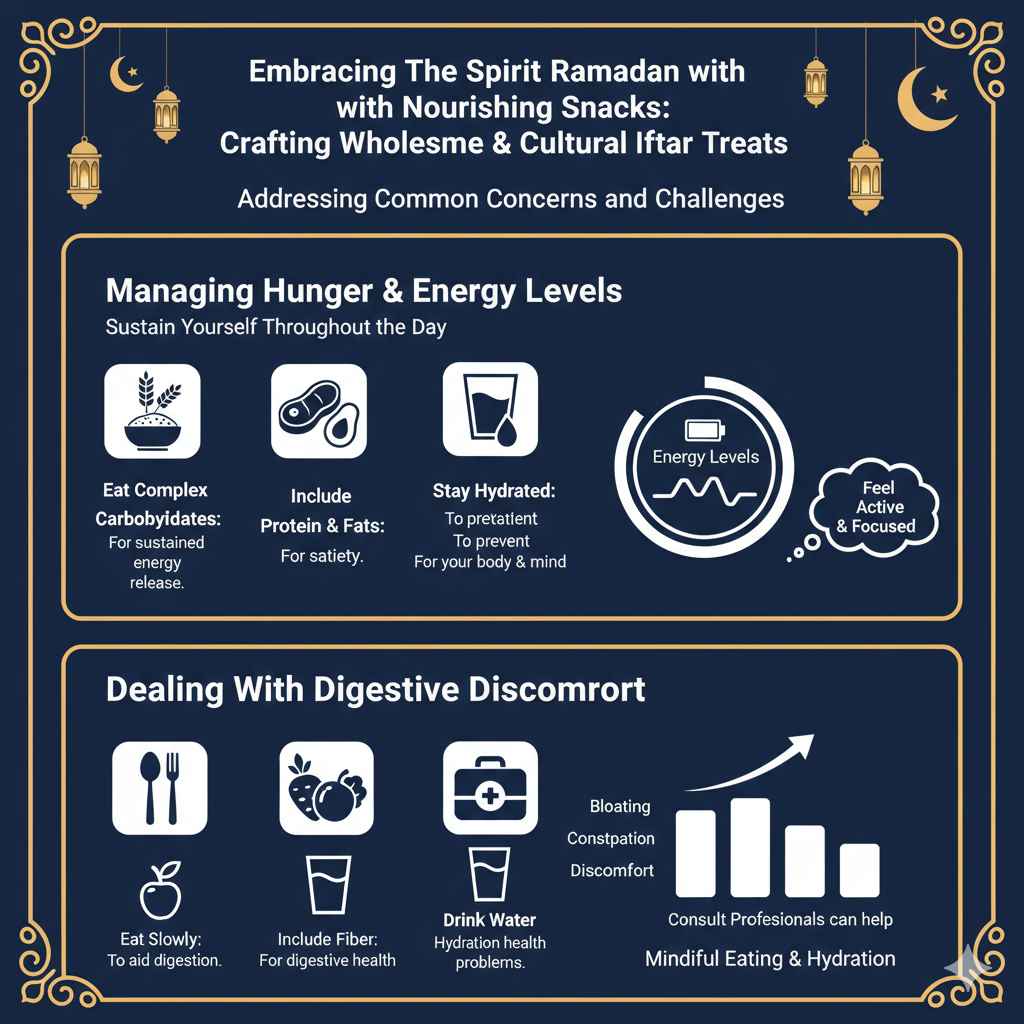
Managing Hunger and Energy Levels
Feeling hungry and managing energy levels can be difficult during the day. It’s important to choose foods that are both filling and provide a steady release of energy. Include complex carbohydrates, lean proteins, and healthy fats in your suhoor (pre-dawn meal) and iftar meals. Stay hydrated throughout the night, and avoid sugary drinks, which can cause blood sugar crashes. Listen to your body and rest when needed. You’ll maintain energy levels by making informed food choices. This will reduce fatigue and keep you active.
- Eat Complex Carbohydrates: For sustained energy release.
- Include Protein and Fats: Protein and fats for satiety.
- Stay Hydrated: To prevent dehydration and low energy.
- Get Enough Rest: For your body and mind to recharge.
Dealing with Digestive Discomfort
Changes in eating patterns can sometimes lead to digestive problems like bloating or constipation. To improve digestion, eat slowly and chew your food thoroughly. Incorporate fiber-rich foods like fruits, vegetables, and whole grains into your meals. Drink plenty of water throughout the night. If you experience persistent discomfort, consult with a doctor or registered dietitian. Be mindful of food combinations and portion sizes. Maintaining good digestive health is essential for your well-being. It is key to an enjoyable and meaningful Ramadan experience.
- Eat Slowly: To aid digestion.
- Include Fiber: For digestive health.
- Drink Water: Hydration can help digestion.
- Consult Professionals: If you have health problems.
Frequently Asked Questions
Question: What should I eat for suhoor to keep me full throughout the day?
Answer: For suhoor, focus on complex carbohydrates, protein, and healthy fats. Some good choices include oatmeal with nuts and seeds, whole-grain bread with avocado and eggs, or a high-protein smoothie with fruits and vegetables.
Question: Are there any specific foods to avoid during Ramadan?
Answer: It’s best to limit processed foods, sugary drinks, and excessive amounts of fried foods, which can cause energy crashes and don’t provide much nutritional value.
Question: How can I stay hydrated during Ramadan?
Answer: Drink plenty of water between iftar and suhoor. You can also hydrate with hydrating fruits and vegetables. Avoid caffeinated drinks, as they can have a dehydrating effect.
Question: What are some healthy snack options for iftar?
Answer: Good snack options include dates with almonds, hummus with vegetable sticks, fruit salads, and small portions of protein, such as grilled chicken skewers.
Question: How can I involve my family in preparing iftar meals?
Answer: Involve your family by assigning age-appropriate tasks like washing vegetables, setting the table, or assisting with simple recipes. Cooking together is a great way to bond and create shared traditions.
Final Thoughts
Making delicious and Healthy Ramadan Iftar Snack Recipes Everyone Will Love is easier than you might think. By following some simple guidelines, you can create meals that nourish your body and delight your taste buds. We’ve explored some key recipes. We’ve discussed how to plan, prepare, and adapt different dishes. Armed with these tips, you’re ready to embrace the spirit of Ramadan. You can also prepare nutritious meals without being overwhelmed.
Remember to keep it simple, focus on fresh ingredients, and enjoy the process of sharing food with your loved ones. Get ready to experiment in the kitchen and make this Ramadan the most delicious and healthful one yet!