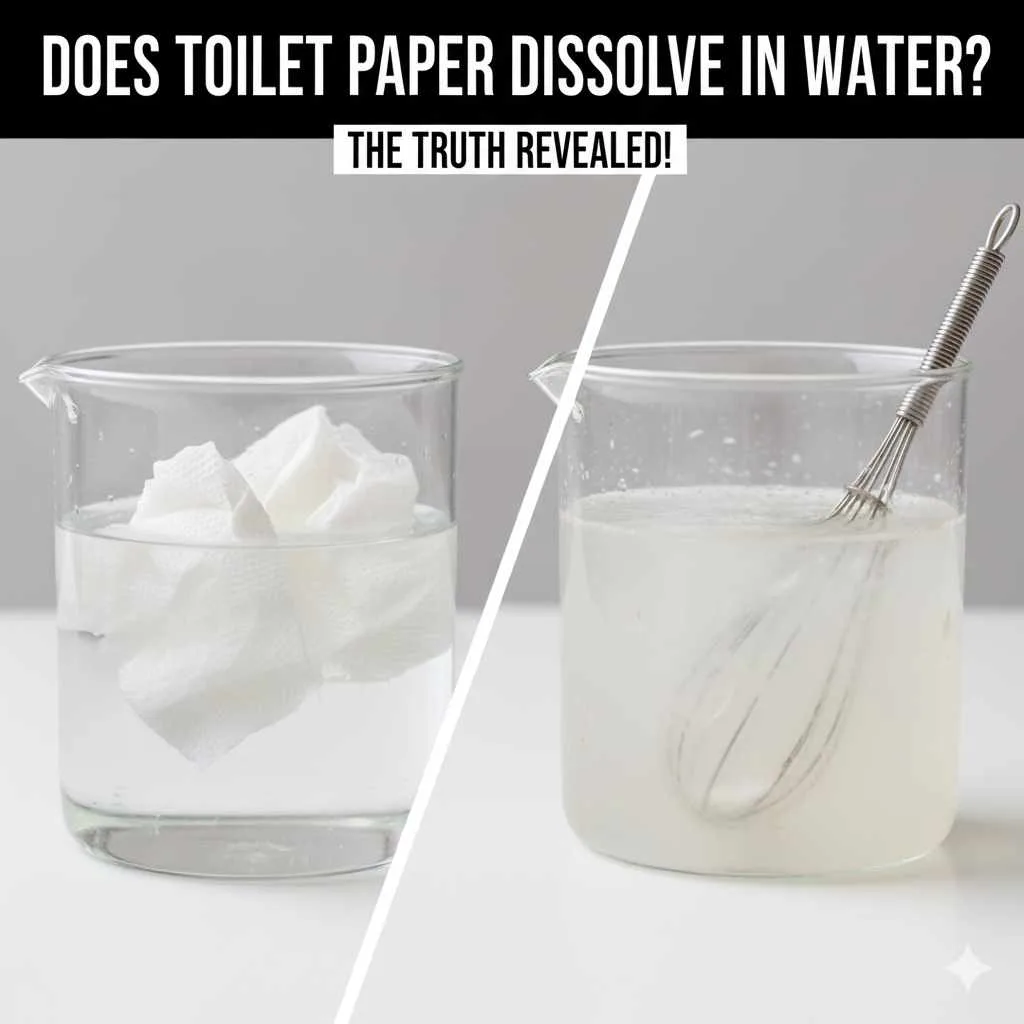
Yes, toilet paper is designed to dissolve in water. This is a crucial feature for plumbing systems, preventing clogs. Different types of toilet paper dissolve at varying speeds, but all are made to break down effectively when flushed.
Ever worried about what happens after you flush? It’s a common question, especially when you’re trying to be mindful of your home’s plumbing or perhaps considering eco-friendly options. The material we use every day, toilet paper, plays a surprisingly important role in keeping our pipes happy. If it didn’t break down, our toilets and drains would face a constant battle with clogs. Fortunately, this everyday item is cleverly designed for this exact purpose. Let’s dive into why and how toilet paper dissolves, so you can feel confident about your choices and keep your home running smoothly.
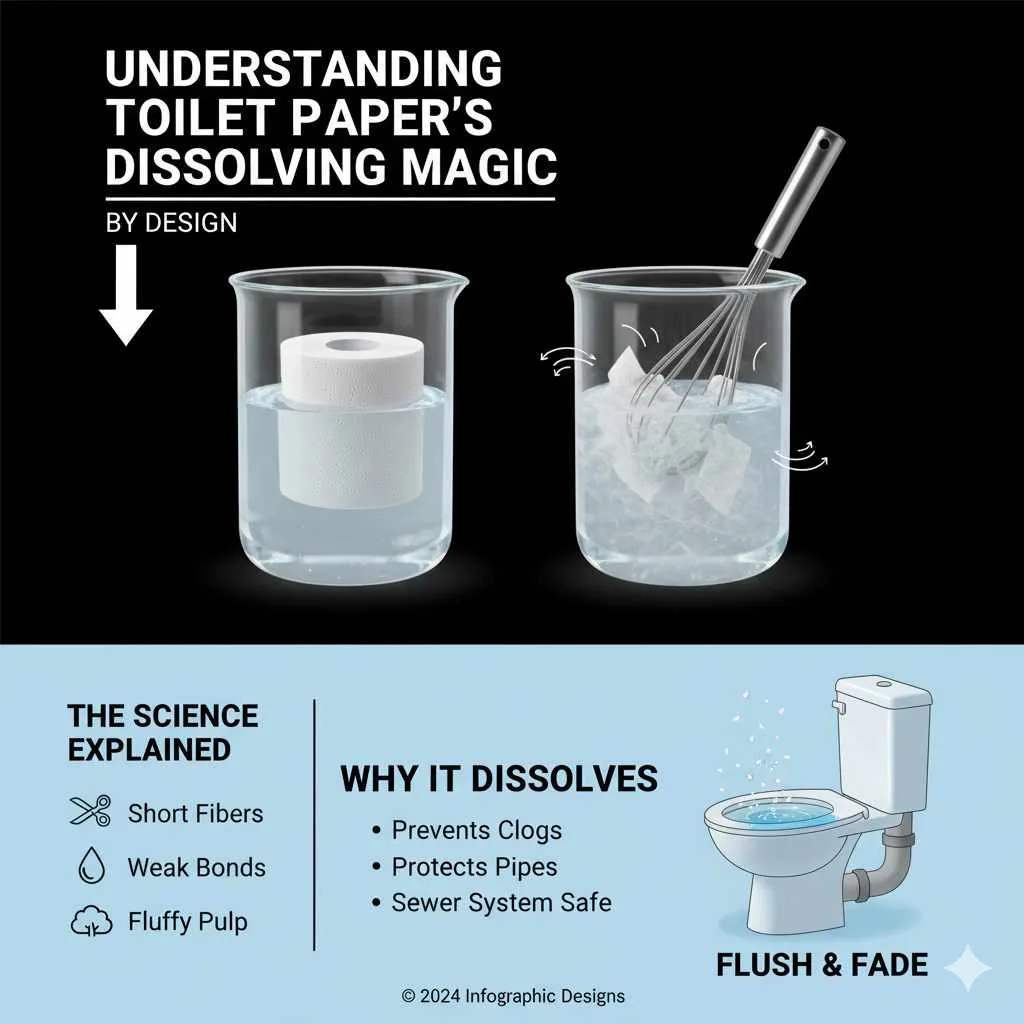
Understanding Toilet Paper’s Dissolving Magic
The primary reason toilet paper does dissolve in water is by design. It’s not some happy accident; it’s a fundamental requirement for any toilet paper to function effectively without causing plumbing nightmares. Think of it as its VIP ticket to dissolving! This dissolving action is key to preventing blockages in your toilet bowl, pipes, and the wider municipal sewer system. If paper clung together stubbornly, every flush could be a potential disaster.
So, what exactly makes toilet paper so eager to break apart in water? It boils down to its construction and the materials used. The fibers that make up toilet paper are short and loosely bound. This loose structure allows water molecules to penetrate easily, weakening the bonds between the fibers and causing them to separate and disperse.
The Science Behind the Softness (and Dissolvability)
Toilet paper is primarily made from wood pulp or recycled paper fibers. These fibers go through a process that makes them short and relatively weak. When water hits these fibers, it acts like a tiny army, prying them apart. Here’s a closer look:
- Fiber Length: Unlike stronger paper products such as newspaper or paper towels, toilet paper fibers are intentionally kept short. Shorter fibers mean fewer strong connections holding the paper together.
- Binding Agents: The glues and resins used to bind paper for other uses are minimal or absent in toilet paper. This lack of strong chemical adhesives ensures that water can easily break down any bonds that do exist.
- Pulping Process: The way wood or recycled paper is pulped for toilet paper is designed to create fluffy, absorbent sheets rather than dense, strong ones. This fluffiness allows water to seep in quickly and start the disaggregation process.
When you flush, the wadding action of the water in the toilet bowl and pipes further aids this breakdown. It’s a gentle, but effective, natural disintegration process, all thanks to smart design.
Does All Toilet Paper Dissolve the Same Way?
While the goal is always dissolution, not all toilet papers are created equal when it comes to how quickly they dissolve. This is where factors like ply (number of layers), softness, and texture come into play. Some types are engineered for maximum disintegration, while others might take a little longer.
For your standard, everyday toilet paper, you can expect it to break down readily. However, if you’re stepping into the world of specialized options, you might notice differences. This understanding is super helpful for choosing the right kind for your household, especially if you have a septic system or are just looking to be extra kind to your plumbing.
Comparing Dissolving Speeds
Let’s break down how different types of toilet paper fare in water. This isn’t about a pass or fail, but rather a spectrum of how efficiently water can do its job.
- Single-Ply Toilet Paper: This is typically the fastest to dissolve. Its thinness and minimal fiber density mean water can penetrate and break it down very quickly, often within seconds.
- Double-Ply Toilet Paper: Slightly slower than single-ply, but still designed to dissolve well. The extra layer adds a bit more substance, but the fibers are still constructed to separate easily with water and agitation.
- Ultra-Soft / Premium Toilet Paper: These often contain lotions, added softness treatments, or have more densely packed, longer fibers for a luxurious feel. They might dissolve a bit slower than standard plies, but are still designed to be flushable and dissolve downstream.
- “Septic Safe” Toilet Paper: These are specifically formulated to break down even faster and more completely than regular toilet paper, making them ideal for homes with septic systems. They lack the binders that might slow down dissolution.
It’s important to note that even premium or thicker toilet papers are intended to dissolve. The difference is usually in the rate, not the inability to do so. Think of it like a sugar cube versus a hard candy – both dissolve, but at different paces.
What About Paper Towels and Wipes? Why Don’t They Dissolve?
This is where the distinction becomes crucial and preventing plumbing issues really matters. Paper towels and most “flushable” wipes are the notorious culprits behind clogged pipes, and it’s because they are made from entirely different stuff than toilet paper.
Paper towels are designed for absorption and durability. They are made with longer, cross-linked fibers that are bonded much more strongly. This strength allows them to handle moisture and scrubbing without falling apart. When flushed, they retain their structure, creating the perfect material for building stubborn clogs.
As for “flushable” wipes, this term has caused a lot of trouble. While some might eventually break down in a very long wastewater treatment process, they are generally not designed to disintegrate quickly or completely enough for home plumbing or municipal sewer systems. They are often made of plastics or synthetic fibers that simply do not break apart like toilet paper. Many plumbing authorities and utility companies strongly advise against flushing any type of wipe, even those labeled “flushable,” to avoid damaging infrastructure. According to the U.S. Environmental Protection Agency (EPA), “flushable” wipes can cause clogs and sewer backups because they don’t break down easily.
The Critical Differences: Toilet Paper vs. Paper Towels & Wipes
To really drive this point home, let’s put it into a simple comparison:
| Product | Fiber Type | Bonding Strength | Designed to Dissolve? | Plumbing Risk |
|---|---|---|---|---|
| Toilet Paper | Short, loosely bound fibers | Low | Yes, quickly | Low (when used as intended) |
| Paper Towels | Longer, cross-linked fibers | High | No | High |
| “Flushable” Wipes | Synthetic or strong natural fibers | Very High | No (or extremely slowly) | Very High |
Understanding these differences is key to maintaining a healthy plumbing system in your home.
How to Test if Your Toilet Paper Dissolves (The Simple Way!)
Curiosity piqued? Or perhaps you’re considering making a switch and want to be sure. You can easily test how well your toilet paper dissolves without any fancy equipment. It’s a fun little home experiment, and it gives you peace of mind.
This little test is a great way to gauge the quality of your current toilet paper and make informed decisions for the future. It’s simple, effective, and can save you from potential plumbing headaches!
Your Easy Dissolving Test Procedure
Grab a small bowl or cup, your chosen toilet paper, and some water. Here’s how you do it:
- Fill a Container: Take a clear glass or bowl and fill it with about 2-3 cups of cool water.
- Add Toilet Paper: Tear off a single sheet of toilet paper. For a more robust test that mimics a flush, use 2-3 squares. Crumple it slightly, as you would before using it.
- Submerge and Observe: Drop the toilet paper into the water. Let it sit undisturbed for a minute.
- Gentle Stirring (Optional): After a minute, gently stir the water with a spoon or your finger. This mimics the agitation your toilet paper experiences during a flush.
- Check for Breakdown: Observe how much the toilet paper has broken apart. You’re looking for it to disintegrate into small, separate fibers.
You’ll likely see the paper breaking down into a pulpy mass. If it forms a relatively solid, non-disintegrating clump, it might be a slower dissolver. For standard toilet paper, it should look pretty well broken apart within a couple of minutes of gentle stirring.
When Dissolvability Matters Most: Septic Systems and Older Plumbing
If you have a septic system or older plumbing, the dissolving quality of your toilet paper isn’t just a convenience; it’s a necessity. These systems are more sensitive to the materials that enter them compared to modern municipal sewer lines.
A septic system relies on a delicate balance of bacteria to break down waste. If undissolved paper or other materials enter the tank, they can accumulate as solid waste, reducing the tank’s efficiency and potentially leading to costly backups or premature tank failures. Older plumbing can have narrower pipes or accumulated sediment, making them more prone to clogs from materials that don’t break down quickly.
Why Your Plumbing System Cares
Let’s look at why certain plumbing setups have special toilet paper needs:
- Septic Systems: These underground tanks treat wastewater. They require solids to break down efficiently. Toilet paper that dissolves quickly is essential.
- Older Homes: Pipes in older homes might be made of cast iron or other materials that can corrode or have rough interiors. These surfaces can catch undissolved paper more easily.
- Low-Flow Toilets: While eco-friendly, many low-flow toilets use less water per flush. This means there’s less water to help push waste and toilet paper through the pipes. Toilet paper that gets a head start on dissolving is beneficial.
- Garbage Disposals in Toilets: Some older systems might have garbage disposals integrated with toilets (though less common now). These disposals can be damaged by non-dissolving materials.
For these scenarios, always opt for toilet paper explicitly labeled “septic safe” or known for its rapid disintegration properties. You can find more helpful general information about safe home practices from resources like the EPA’s WaterSense program, which discusses water-saving fixtures and proper usage.
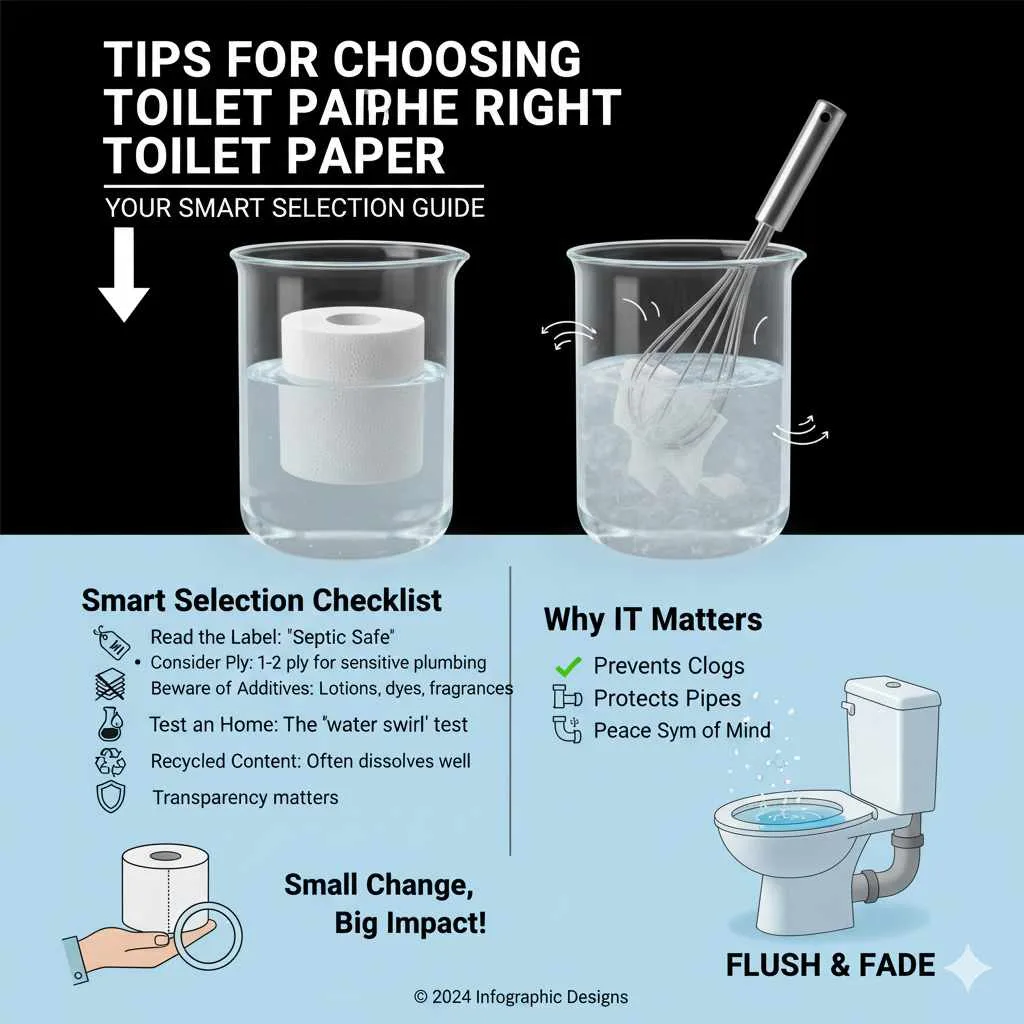
Tips for Choosing the Right Toilet Paper
When you’re at the store, staring at rows and rows of toilet paper, how do you choose? Beyond just price and softness, consider its core function: dissolving and being safe for your plumbing. Here are some tips to guide your decision-making process.
Making the right choice ensures a comfortable experience for your family and peace of mind for your home’s infrastructure. It’s a small change that can have a big impact!
Your Checklist for Smart Toilet Paper Selection
- Read the Label: Look for terms like “septic safe,” “rapidly dissolving,” or “breaks down easily.” This is your clearest indicator.
- Consider Ply Wisely: While more plies can feel softer, they can sometimes take longer to dissolve. If you have sensitive plumbing, a good quality single or double-ply might be a safer bet than a very thick multi-ply.
- Beware of “Extra” Additives: Lotions, fragrances, and heavy dyes in some premium papers might slightly slow down the dissolving process or add chemicals that aren’t ideal for septic systems.
- Test at Home: If you’re unsure, perform the simple water test described earlier with samples from different brands.
- Recycled Content: Many recycled toilet papers are designed to dissolve very well because the shorter, recycled fibers are easier to break apart.
- Brand Reputation: While not a guarantee, some brands are more transparent about their product’s plumbing friendliness.
Frequently Asked Questions (FAQs)
Q1: Can flushing too much toilet paper cause a clog?
Yes, while toilet paper is designed to dissolve, flushing an excessive amount at once can overwhelm your plumbing system, leading to a clog. It’s best to flush multiple times if you’ve used a large quantity.
Q2: Are bamboo toilet paper or other “eco-friendly” options safe to flush?
Generally, yes. Many eco-friendly options made from bamboo or other plant fibers are designed specifically to dissolve well in water and be safe for plumbing and septic systems. Always check the packaging for confirmation.
Q3: Does the color of toilet paper affect its dissolvability?
No, the color itself does not significantly impact how well toilet paper dissolves. The dyes used are generally water-soluble and do not affect the fiber structure required for dissolution.
Q4: What happens if I accidentally flush a tissue or paper towel?
If you accidentally flush a tissue or paper towel, be prepared for a potential clog. These items do not dissolve and can easily snag other debris, forming a blockage. If you notice slow draining, avoid flushing anything else until the issue is resolved, perhaps with a plunger or a plumber’s snake.
Q5: Is it okay to use scented toilet paper?
For most standard plumbing, scented toilet paper is fine. However, if you have a sensitive septic system or are concerned about chemicals, unscented and dye-free options might be preferable as they have fewer additives.
Q6: How long should toilet paper take to dissolve?
Under normal flushing conditions, toilet paper should begin to break apart almost immediately and largely disintegrate within a few minutes. The entire process of dissolving into fine fibers can take a bit longer, but the key is that it doesn’t remain an intact sheet.
Conclusion
So, to circle back to our initial question: does toilet paper dissolve in water? Absolutely, yes! This essential characteristic is what keeps our toilets flushing smoothly and our plumbing systems happy and healthy. It’s a simple yet brilliant piece of everyday engineering. Knowing that your toilet paper is designed to break down easily gives you one less thing to worry about in managing your home.
From understanding the science behind its fibers to knowing how to choose the best option for your specific plumbing needs – especially if you have a septic system – you’re now equipped with the knowledge for confident choices. Remember the key differences between toilet paper and its plumbing-clogging cousins, paper towels and wipes, and always prioritize products designed for dissolution. By making mindful selections, you contribute to the longevity of your home’s systems and the efficiency of our wider water infrastructure. Happy (and worry-free) flushing!