Making Arabic Sweet Recipes Perfect for Ramadan can seem a bit tricky if you’re new to it. Many recipes call for special ingredients or techniques you might not know. Don’t worry, though! This guide breaks everything down into simple steps. We’ll show you how to make some amazing treats that are perfect for sharing with family and friends during this special time. Let’s get started and explore these delicious recipes!
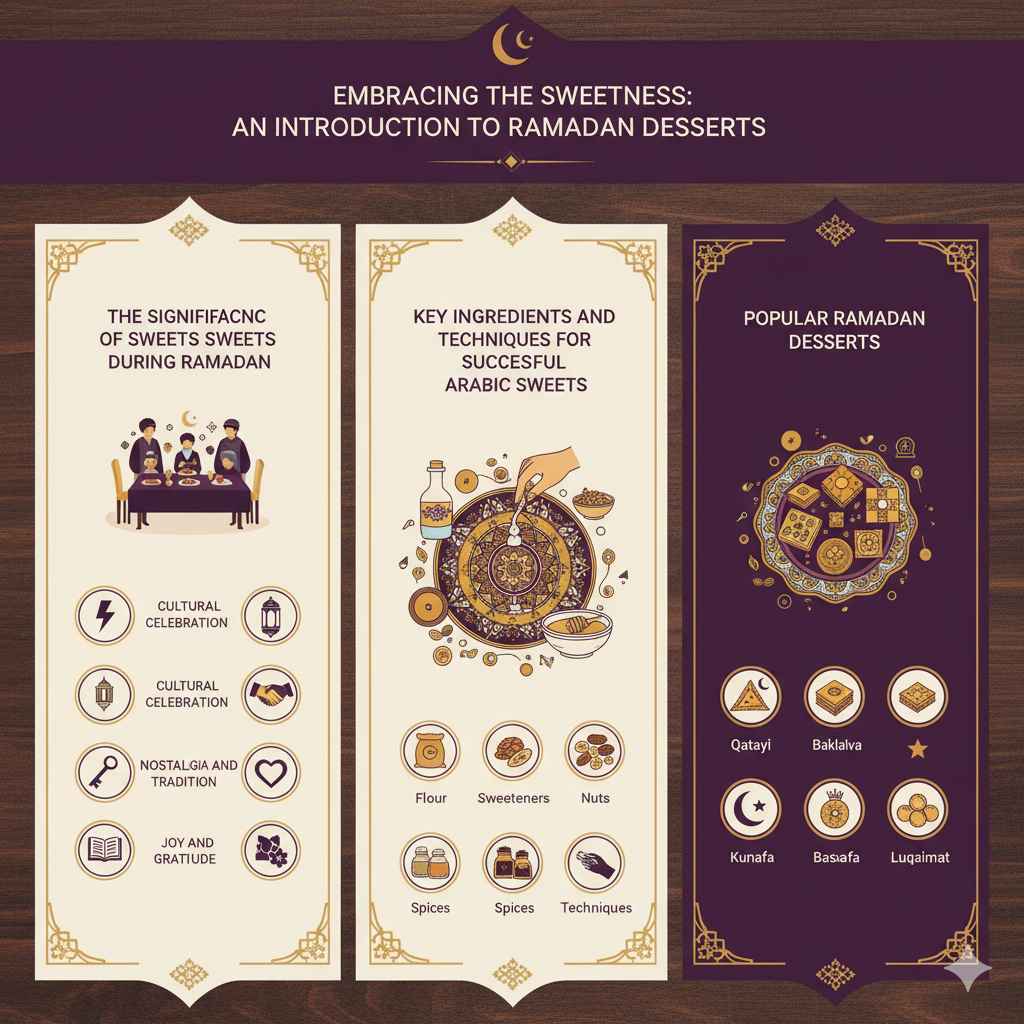
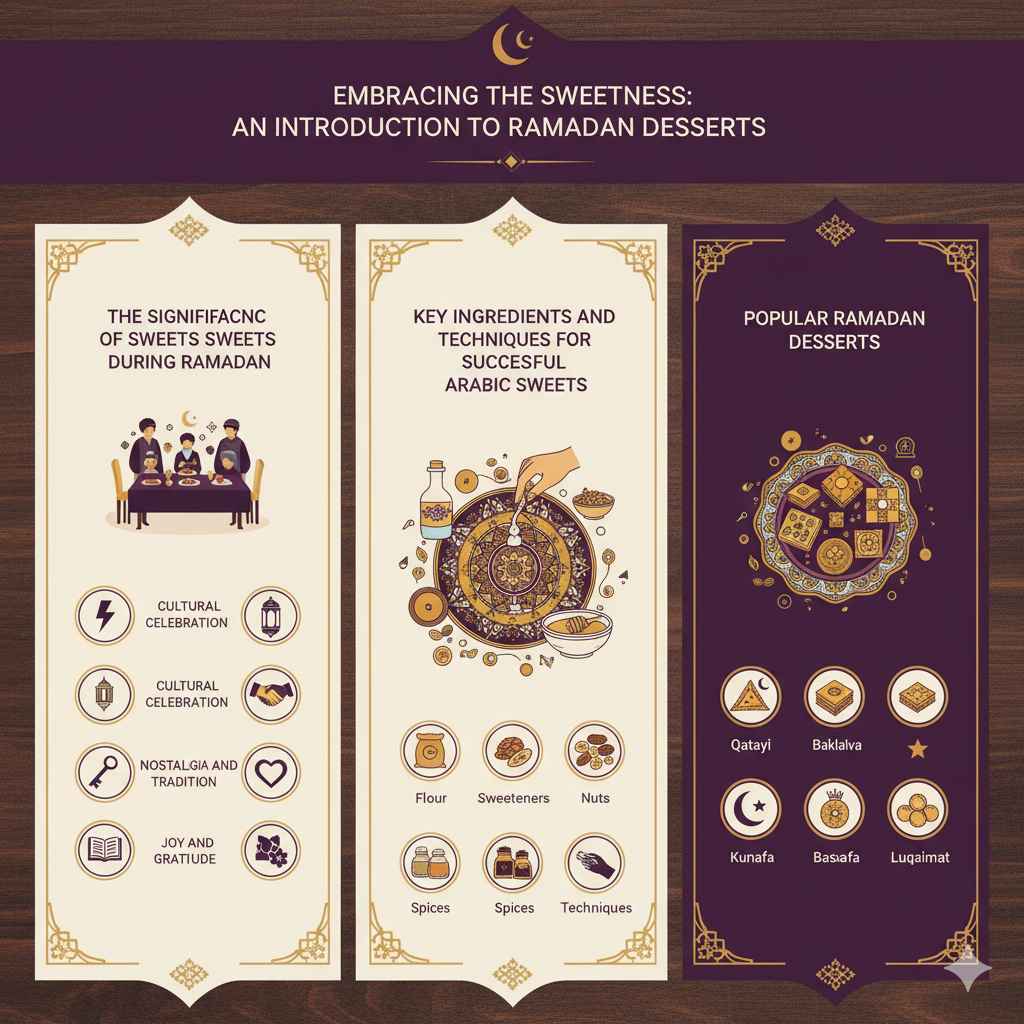
Embracing the Sweetness: An Introduction to Ramadan Desserts
Ramadan is a time for reflection, community, and, of course, delicious food. Traditional Arabic sweets play a central role in breaking the fast each evening and celebrating the spirit of the month. These desserts often feature rich flavors, textures, and ingredients, creating a sensory experience. Learning to prepare these sweets allows you to connect with cultural traditions while providing delightful treats to loved ones. The range in flavor profiles, from the light and airy to the intensely sweet and nutty, offers something for everyone. This section will introduce you to some of the most popular and iconic Ramadan desserts.
The Significance of Sweets During Ramadan
Sweets have deep cultural significance during Ramadan, symbolizing celebration, generosity, and the breaking of the fast with loved ones. Sharing these treats brings people together and strengthens bonds within the community. The act of making and offering sweets is often seen as an act of kindness and hospitality. Sweets are a symbol of joy and happiness, marking the end of a day of fasting. The consumption of sweets is also a way to quickly replenish energy levels after a day of fasting, providing a source of essential sugars. This practice has been passed down through generations, connecting families to their heritage.
- Energy Boost: Sweets, especially those with natural sugars like dates or honey, provide a quick source of energy after a long day of fasting. They help to replenish depleted glucose levels.
- Cultural Celebration: Desserts are central to celebrating Iftar, the evening meal that breaks the fast. Sharing them embodies the festive atmosphere of Ramadan.
- Community Spirit: Preparing and sharing sweets fosters a sense of unity and togetherness among families, friends, and neighbors. It’s an act of generosity and care.
- Nostalgia and Tradition: Many recipes are passed down through families, carrying memories and traditions from generation to generation. They represent a link to the past.
- Joy and Gratitude: The sweetness of these desserts is often associated with joy and gratitude, celebrating the blessings of Ramadan and the opportunity for spiritual growth.
Key Ingredients and Techniques for Successful Arabic Sweets
Successful Arabic sweets often rely on a few key ingredients and techniques. Knowing these elements is a starting point for anyone looking to master these recipes. The use of high-quality nuts, fragrant spices, and natural sweeteners is very important. Precision in preparation, such as getting the perfect dough consistency or syrup thickness, will result in the most delicious treats. A little practice and patience will greatly improve your ability to create wonderful Ramadan desserts. This section will help you understand the core ingredients and the best practices for preparing each treat.
- Flour: The type of flour significantly impacts the texture of pastries. All-purpose flour is common, but semolina flour provides a coarser texture in certain recipes, like basbousa.
- Nuts: Almonds, pistachios, and walnuts are frequently used for their flavor, texture, and visual appeal. They add a layer of richness.
- Sweeteners: Sugar, honey, and sometimes dates are the main sweeteners. The choice affects the flavor profile and texture of the dessert.
- Spices: Cardamom, cinnamon, rosewater, and orange blossom water add fragrance and flavor. These are essential for creating authentic tastes.
- Techniques: Mastering techniques such as making syrups, creating dough, and frying is crucial. These skills are developed through practice.
Delving into Deliciousness: Popular Arabic Sweet Recipes
This section explores some of the most popular Arabic sweet recipes. Each dish is a celebration of flavor and tradition, perfect for enjoying during Ramadan. You’ll explore the best recipes with step-by-step instructions, ingredients lists, and helpful tips for success. Whether you’re a beginner or an experienced baker, these recipes will give you the confidence to recreate these delicious treats at home. We’ll guide you through each recipe, providing insights and techniques to guarantee that your Ramadan celebrations are filled with deliciousness.
Making the Classic: Kunafa
Kunafa is a beloved Arabic dessert, famous for its crispy pastry, creamy cheese filling, and sweet syrup. This recipe gives you the steps for making a delicious kunafa, whether you choose to use the traditional shredded phyllo dough or the thinner version called kataifi. The contrast between the crunchy exterior, the soft and sweet cheese filling, and the fragrant syrup creates a symphony of flavors and textures. Making kunafa at home may appear challenging, but the process is manageable when followed step by step. Try this recipe for a memorable experience.
- Prepare the Syrup: Combine sugar, water, and lemon juice in a saucepan. Bring to a boil, then simmer until it thickens. Add rosewater or orange blossom water.
- Prepare the Cheese Filling: Use a combination of cheeses, such as Akkawi and mozzarella, to create the perfect filling. Shred the cheese.
- Prepare the Dough: Shred the kataifi dough and mix it with melted butter. Alternatively, if using phyllo, brush each sheet with melted butter.
- Assemble the Kunafa: Layer the dough and cheese in a pan. Bake until golden brown.
- Drizzle with Syrup: Pour the syrup over the hot kunafa immediately after it comes out of the oven. Serve hot.
Baklava: A Nutty Delight
Baklava is another classic dessert, known for its layers of flaky phyllo pastry, filled with chopped nuts and drenched in sweet syrup. The process may appear lengthy, but it’s straightforward, with layers of crispy pastry. The result is a perfect balance of textures and flavors. Homemade baklava provides a fresh and delightful experience that is hard to find elsewhere. With the right ingredients and method, you can make this delicious treat. Following this recipe will help you achieve perfect, flaky baklava.
- Making the Syrup: Combine sugar, water, and lemon juice in a saucepan. Boil until thickened and add rosewater or orange blossom water.
- Preparing the Nuts: Chop nuts such as walnuts, pistachios, or a mix of both. Toasting them brings out their flavors.
- Assembling the Layers: Brush phyllo sheets with melted butter. Add a layer of nuts, then repeat the process to create the layers.
- Baking the Baklava: Cut the baklava into diamond shapes before baking. Bake until golden brown.
- Soaking with Syrup: Pour the syrup over the hot baklava immediately after removing it from the oven. Let it sit to absorb the syrup.
Basbousa: The Semolina Cake
Basbousa is a sweet cake made from semolina, a coarser type of flour, which gives it a unique texture. This cake has a rich, sweet syrup that soaks into the cake. Basbousa’s moist, slightly crumbly texture is very enjoyable. This recipe offers a simple guide to baking a delicious basbousa that’s perfect for Ramadan gatherings. Baking this dessert will impress your family and friends. This recipe provides all the information needed to make basbousa.
- Mixing the Batter: Combine semolina, sugar, yogurt, and other ingredients to create the cake batter. Ensure it has the right consistency.
- Baking the Cake: Pour the batter into a pan and bake it until it is golden brown. Check the center for doneness.
- Preparing the Syrup: Make a sugar syrup with water and lemon juice. Add rosewater or orange blossom water.
- Soaking the Cake: Pour the warm syrup over the warm cake immediately after it comes out of the oven. This helps the cake absorb the flavor.
- Garnish and Serve: Garnish with nuts like almonds. Cut into diamond or square shapes and serve.
Beyond the Basics: Variations and Creative Twists
Once you are comfortable with the basic Arabic sweet recipes, you can start experimenting with variations and creative twists. This opens up a world of possibilities for customizing your treats. You can introduce different flavors, add unique ingredients, or modify the presentation to suit your preferences. Exploring different variations enhances your skills and adds excitement to your Ramadan dessert menu. These adaptations bring a refreshing spin to classic recipes. This section provides inspiration to innovate with your favorite desserts.
Flavor Infusions
Infusing flavors can greatly enhance the complexity and enjoyment of Arabic sweets. You can introduce a range of aromas and tastes using ingredients. Rosewater, orange blossom water, cardamom, and cinnamon are some of the most popular choices. You can experiment with different spice combinations to create your signature desserts. These additions will add a distinctive and memorable touch. Experimenting with flavor infusions is a way to make your desserts stand out.
- Rosewater: Adds a delicate floral aroma and flavor to syrups, custards, and doughs. It’s especially good in desserts like baklava.
- Orange Blossom Water: Adds a citrusy and aromatic touch. It complements syrups, cakes, and cookies.
- Cardamom: Gives a warm and slightly spicy flavor. It is often added to coffee and sweets like rice pudding.
- Cinnamon: Adds a warm and comforting spice flavor. It pairs well with apples and nuts in desserts.
- Pistachios: Incorporate pistachios to improve flavors and add color and texture to the desserts.
Nut Combinations and Alternatives
Nuts are a core part of many Arabic sweets. Experimenting with different combinations and alternatives can bring exciting changes in taste and texture. While pistachios, almonds, and walnuts are popular, you can explore cashews, pecans, and even macadamia nuts. Toasting the nuts before using them enhances their flavor. You can add different textures and visual appeal. This will help you create desserts that are uniquely yours.
- Walnuts: Add a slightly bitter and hearty taste. They are popular in baklava and other pastries.
- Pistachios: Give a vibrant green color and a delicate flavor. They are often used as a garnish.
- Almonds: Offer a mild and versatile taste. You can use them whole, sliced, or ground.
- Cashews: Add a creamy and rich flavor. They can substitute almonds or walnuts.
- Pecans: Give a buttery taste that enhances the overall sweetness of the dessert.
Presentation and Garnishing Ideas
The presentation of Arabic sweets is as essential as their taste. Creative garnishing and presentation can greatly enhance the visual appeal of your desserts. Sprinkling nuts, adding edible flowers, or drizzling extra syrup can transform a simple dessert into a work of art. Using decorative serving dishes, such as traditional Middle Eastern plates or platters, enhances the overall experience. This makes your desserts visually attractive and memorable. The combination of flavors and presentation makes your creations a delight.
- Nut Toppings: Sprinkle chopped nuts, such as pistachios or almonds, on top of desserts to enhance their look.
- Syrup Drizzles: Drizzle syrup over the sweets in artistic patterns or shapes.
- Fresh Fruit: Adding fresh fruit, such as berries or pomegranates, adds color and freshness to desserts.
- Edible Flowers: Use edible flowers like rose petals to add elegance and fragrance.
- Powdered Sugar: Dust desserts with powdered sugar to give a delicate finish.
Tips for Success: Troubleshooting and Refining Your Approach
Even the most experienced bakers sometimes experience challenges when making Arabic sweets. This section offers helpful tips for troubleshooting common issues and refining your approach. You’ll gain a deeper knowledge of what can go wrong and how to fix it. These strategies cover everything from dough consistency to syrup texture. With this information, you can improve your skills and make flawless treats. These techniques help you make the best desserts.
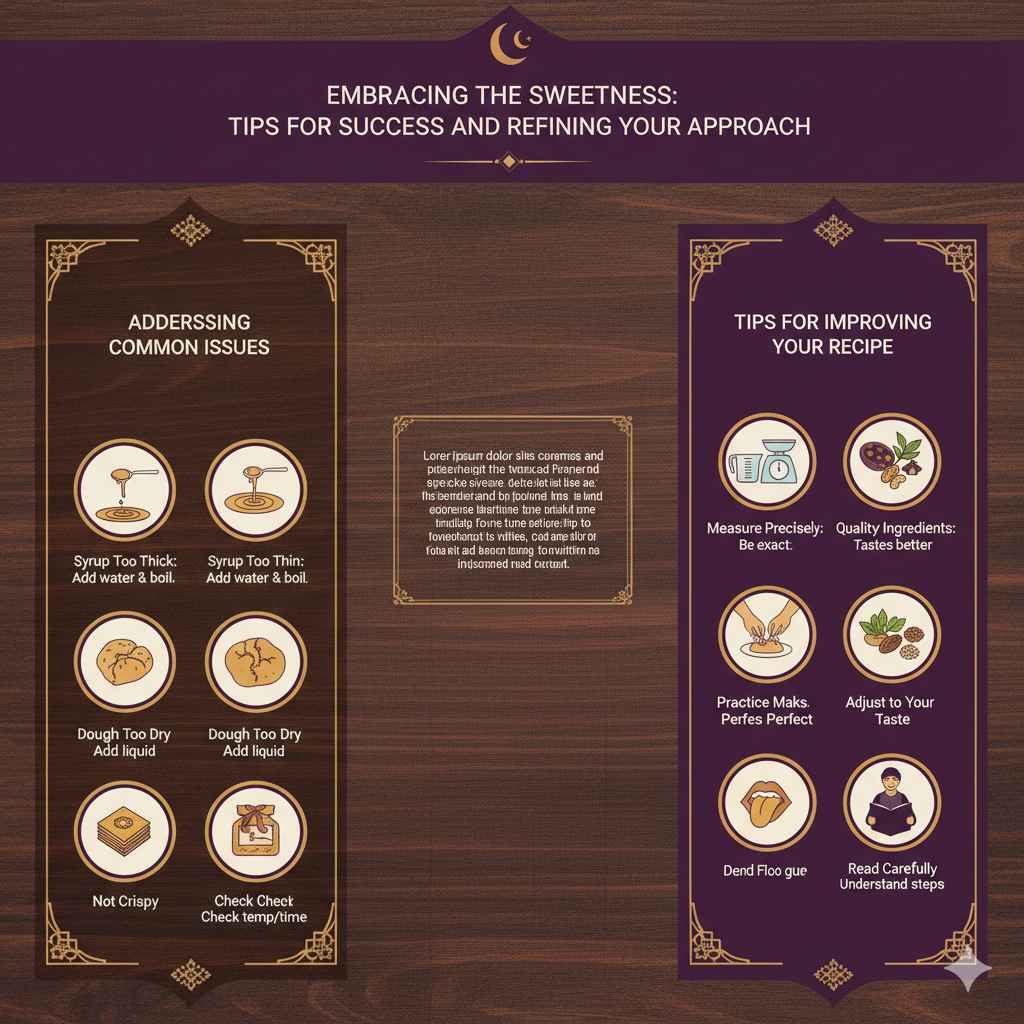
Addressing Common Issues
Several common issues can occur when making Arabic sweets. Knowing these issues will help you address them. For example, a sticky syrup can be fixed by boiling it longer. Dough that is too dry can be adjusted by adding a small amount of liquid. Identifying these problems early will save time and ensure your desserts turn out right. This section highlights common mistakes and presents solutions.
- Syrup Too Thick: If the syrup is too thick, it won’t soak into the pastries. Try adding a little water and boiling it for a few minutes.
- Syrup Too Thin: A thin syrup will make the pastries soggy. Continue boiling until it reaches the correct consistency.
- Dough Too Dry: Dry dough can be tough. Add a little liquid, such as water or milk, one teaspoon at a time.
- Dough Too Wet: If the dough is too wet, it may be difficult to work with. Add a little flour to reach the correct consistency.
- Pastries Not Crispy: If pastries aren’t crispy, the oven temperature may be too low or the baking time too short. Make sure you’re baking at the right temperature.
Tips for Improving Your Recipe
To master the art of making Arabic sweets, use the following tips. First, carefully measure your ingredients. Then, use quality ingredients. Experimenting with flavors and techniques is helpful. Keeping notes on the recipes you try will aid you in the future. These small steps will improve the quality of your desserts. With these pointers, you can always improve and create sweets.
- Measure Precisely: Precise measurements of ingredients are critical for success. This is particularly true for baking.
- Use Quality Ingredients: High-quality ingredients will always enhance the taste and texture of your sweets.
- Practice Makes Perfect: Don’t get discouraged if your first attempt isn’t perfect. Keep practicing to improve.
- Adjust to Your Taste: Feel free to adjust the sweetness or add extra spices to suit your preferences.
- Read the Recipe Carefully: Review the recipe before you begin. Make sure you understand each step.
Frequently Asked Questions
Question: What is the best way to store Arabic sweets?
Answer: Most Arabic sweets are best stored in airtight containers at room temperature. For longer storage, you can freeze them in airtight containers or freezer bags.
Question: Can I substitute ingredients in Arabic sweet recipes?
Answer: You can often substitute ingredients, but it may affect the flavor and texture. For example, you can use honey instead of sugar or different nuts.
Question: How do I make the perfect syrup for Arabic sweets?
Answer: For the perfect syrup, combine sugar, water, and lemon juice. Bring it to a boil and simmer until it thickens. Add rosewater or orange blossom water for flavor.
Question: What is the difference between phyllo and kataifi dough?
Answer: Phyllo dough is thin sheets of pastry used in making baklava. Kataifi dough is shredded phyllo used to create a crispy texture for desserts like kunafa.
Question: How can I prevent my baklava from becoming soggy?
Answer: Make sure to bake your baklava at the correct temperature until golden brown. Pour the syrup over the hot baklava to ensure it absorbs properly, but don’t over-soak it.
Final Thoughts
Mastering Arabic Sweet Recipes Perfect for Ramadan opens the door to a world of delightful flavors and cultural traditions. From the flaky layers of baklava to the creamy richness of kunafa and the delightful simplicity of basbousa, these treats add to the joy of Ramadan. By understanding the key ingredients, mastering the techniques, and embracing creative variations, you can create sweets that will impress family and friends. Don’t be afraid to experiment with flavors, presentation, and make these recipes your own. Explore these recipes with confidence, and enjoy the reward of delicious, homemade Arabic sweets that are perfect for sharing with those you hold dear. Happy baking and Ramadan Kareem!