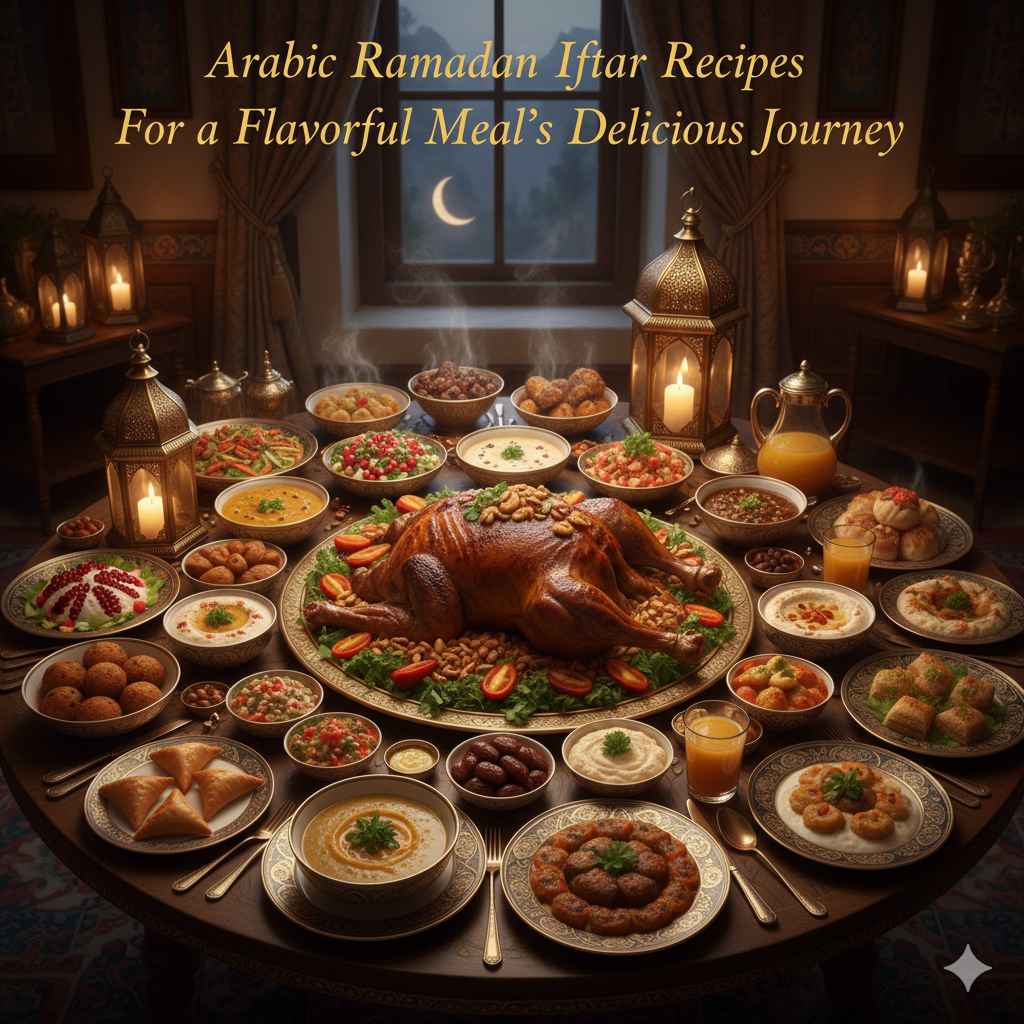
Planning the perfect Iftar meal during Ramadan can feel tough! You might be new to this or worried about making something truly special. Don’t worry, many people feel the same way, especially when they’re first starting to explore Arabic Ramadan Iftar Recipes for a Flavorful Meal. This guide breaks down everything step by step. We’ll show you how to create delicious, authentic dishes. Ready to discover some wonderful flavors?
Embracing the Spirit of Ramadan Through Food
Ramadan is a time for reflection, prayer, and community, and food plays a big role in all of that. During the month, Muslims fast from dawn to sunset, breaking their fast each evening with Iftar. This meal is a celebration of togetherness and a time to share delicious food with family and friends. The dishes prepared during Iftar are often rich in history and tradition, reflecting the diverse culinary landscape of the Arabic world. Learning about these recipes means learning about the culture and the significance of food in Ramadan.
The Importance of Iftar Traditions
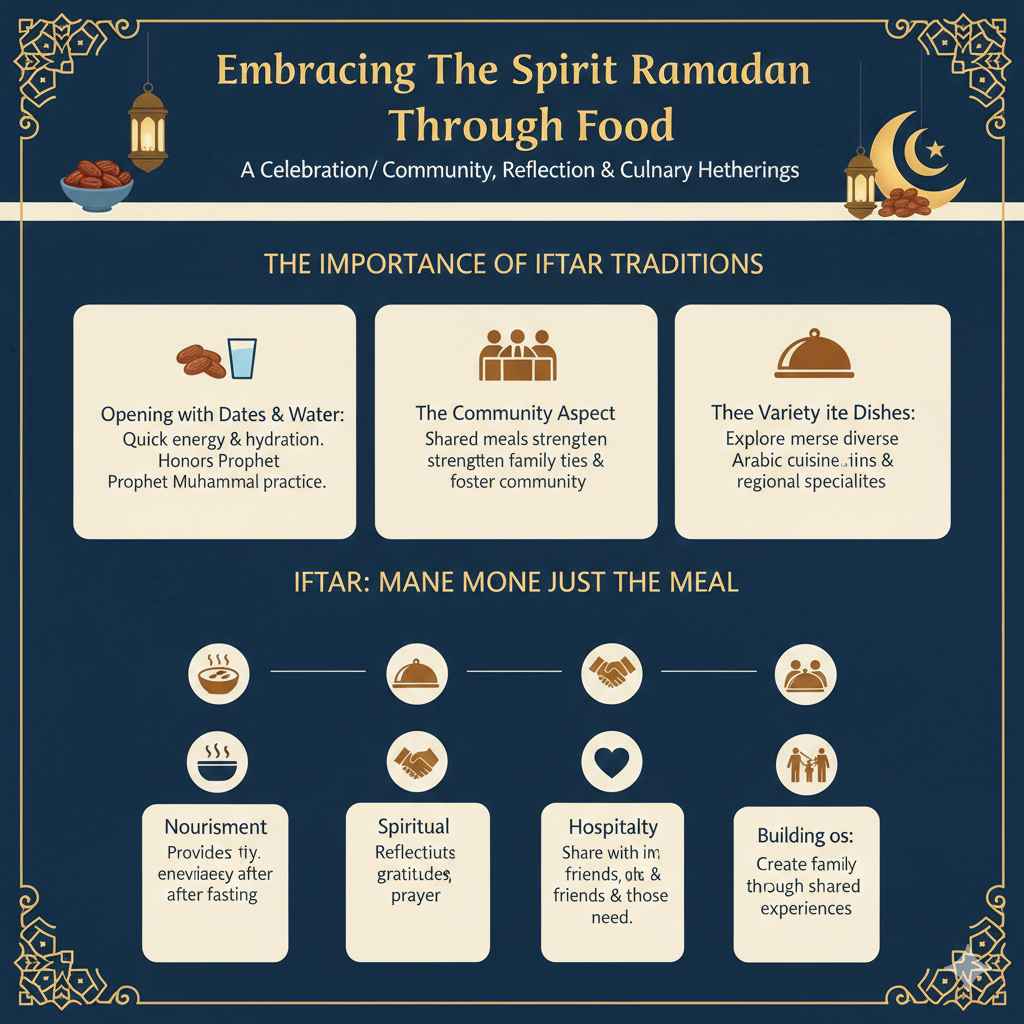
Iftar isn’t just about eating; it’s about the entire experience. Dates and water traditionally mark the start of the meal, representing the Prophet Muhammad’s practice. These provide quick energy and hydration after a day of fasting. The atmosphere at Iftar is warm and inviting, often filled with conversations, laughter, and a sense of gratitude. The meal serves as a gathering point for families and communities, strengthening bonds and creating lasting memories. The dishes themselves are carefully chosen and prepared, showing hospitality and care for those sharing the meal.
Opening with Dates and Water: The tradition of breaking the fast with dates and water holds a significant place in the Iftar meal, it’s a simple, yet powerful tradition. Dates offer a quick source of sugar for an energy boost and water rehydrates the body. This combination helps to gently reintroduce food into the system. This practice honors Prophet Muhammad’s own habits and serves as a simple way of starting the meal.
The Community Aspect: Iftar isn’t meant to be enjoyed alone. The shared meal encourages togetherness, reinforcing family ties and fostering community bonds. It’s common for mosques and community centers to organize Iftar meals. These bring people together, regardless of their background, to share food and fellowship. This emphasis on community extends the spirit of Ramadan beyond individual observance.
The Variety of Dishes: Arabic cuisine is diverse, and Iftar menus often reflect that diversity. From hearty stews and flavorful rice dishes to fresh salads and savory pastries, the range of choices is extensive. This variation not only appeals to different tastes, but also offers a chance to explore regional specialties and family favorites. Every meal can become a new culinary experience.
Preparation and Presentation: The effort put into preparing and presenting the meal is a sign of respect and hospitality. Families often spend hours preparing the food, ensuring that everything is cooked to perfection and beautifully arranged. This is a chance to show love and care for the people you are sharing the meal with. Beautifully decorated tables and carefully chosen dishes make the dining experience even more special.
The Cultural Significance of Food in the Arabic World
Food is much more than just sustenance in the Arabic world. It’s a way to express hospitality, celebrate traditions, and honor heritage. Culinary practices are passed down through generations. Recipes are tweaked and perfected within families. Dishes reflect regional ingredients and cooking styles. The act of sharing a meal is an expression of generosity, a way to build bonds. The Iftar meal is a prime example of this cultural significance, where food becomes a powerful symbol of community and faith.
Hospitality at the Heart: Arabic culture puts a huge emphasis on hospitality. This is demonstrated by the generous portions of food. Guests are always welcome, and every meal is considered an opportunity to welcome and celebrate others. Sharing food is a gesture of generosity and kindness, creating a welcoming and warm atmosphere.
Family and Community Ties: Preparing and sharing meals helps to strengthen family bonds. The tradition of passing down recipes, cooking together, and eating together creates lasting memories and reinforces cultural identity. Iftar gatherings are important for families, bringing them together to share the day’s experiences.
Regional Variations and Ingredients: Different areas within the Arabic world have their own special dishes and favorite ingredients. These variations reflect the climate, local produce, and unique culinary influences. Whether it’s a specific spice blend, a particular cooking method, or the availability of ingredients, these differences enhance the flavors and diversity of Arabic cuisine.
Symbolism of Certain Foods: Many foods have symbolic meanings in Arabic culture. Dates, for example, are often associated with sweetness, abundance, and the breaking of a fast. Certain spices and herbs may also carry symbolic significance, linking food to traditions, beliefs, and a sense of cultural identity.
Getting Started: Essential Dishes in Arabic Ramadan Iftar Recipes
When starting to cook Arabic Ramadan Iftar Recipes for a Flavorful Meal, it can be easier if you concentrate on essential dishes. These often include a balance of savory and sweet flavors, providing a satisfying meal that is both filling and enjoyable. These meals usually have a balance of carbs, protein, and fresh fruits and vegetables. Recipes usually range from light soups and fresh salads to hearty main courses and decadent desserts. Getting familiar with these key dishes can help make the cooking process easier, faster, and more exciting.
Soup: A Foundation for the Iftar Meal
Soup serves as an important part of the Iftar meal. It’s often the first dish consumed to gently break the fast. The warmth of the soup helps the digestive system adjust after a day of fasting. Many Arabic Iftar meals begin with a flavorful soup, whether it’s lentil soup, a vegetable broth, or a hearty tomato-based soup. Soups provide hydration and essential nutrients. They also add a sense of comfort and satisfaction. The variety in Arabic cuisine is reflected in the diverse types of soups available.
Lentil Soup: Lentil soup is a staple. It’s packed with protein and fiber, making it a very satisfying option. Lentils cook quickly, so it’s a convenient choice for busy cooks. The soup can be flavored with a variety of spices, such as cumin, coriander, and turmeric. This dish is nutritious, comforting, and simple to prepare.
Tomato Soup: Tomato soup is another popular choice. It’s often made with fresh or canned tomatoes, herbs, and spices. It’s light, refreshing, and full of flavor. Some versions of tomato soup include a creaminess, while others are prepared using a broth. This soup is a good source of vitamins and antioxidants.
Vegetable Broth: A light vegetable broth is a refreshing option for breaking the fast. The broth can be made with a variety of vegetables. This includes carrots, celery, onions, and herbs. Vegetable broth is gentle on the stomach. It’s packed with vitamins and minerals, and very easy to digest.
Shorbat Adas (Lentil Soup): Shorbat Adas, a classic Arabic lentil soup, is a cornerstone of Iftar meals. Typically made with red lentils, vegetables, and aromatic spices such as cumin and coriander, it provides a warm, nutritious start to the meal. This soup is rich in fiber and protein, and it is easily customizable to suit various tastes.
Salads: Adding Freshness and Balance
Salads play a vital role in providing freshness and balance to an Iftar meal. Fresh vegetables and herbs add essential vitamins and nutrients, offsetting the richness of other dishes. They provide a refreshing contrast to the heavier main courses and desserts. A variety of salads are used. These salads combine fresh produce with flavorful dressings and toppings. Salads enhance the dining experience, adding color, texture, and a burst of flavor to the table.
Fattoush: Fattoush is a Levantine salad that combines fresh vegetables with toasted pita bread and a tangy dressing. It provides a delightful mix of textures and flavors. The combination of crispy pita, crunchy vegetables, and the tart dressing is refreshing and satisfying.
Tabbouleh: Tabbouleh is another Levantine salad that highlights fresh parsley, mint, tomatoes, and bulgur wheat. It’s light, refreshing, and incredibly flavorful. Tabbouleh is a great source of vitamins and fiber, and it is a light and nutritious addition to any meal.
Arabic Salad: The Arabic salad is a simple and fresh salad usually made with cucumbers, tomatoes, onions, and parsley. It is often dressed with lemon juice, olive oil, and a sprinkle of salt. It’s a quick and easy way to add vegetables to your meal, offering a simple and clean taste.
Cucumber and Yogurt Salad: This salad offers a cooling and refreshing option. It combines diced cucumbers, creamy yogurt, garlic, and mint. It is perfect for balancing the richness of the other dishes. This salad is light and offers a cooling effect, especially during hot days.
Main Courses: Crafting the Heart of the Feast
The main courses form the centerpiece of an Iftar meal. They are usually hearty, flavorful, and designed to satisfy after a long day of fasting. From slow-cooked stews and grilled meats to fragrant rice dishes and savory pastries, the main courses show the best of Arabic cuisine. The dishes often reflect the traditions and flavors of specific regions, with local ingredients and cooking techniques shaping each recipe. Planning a main course that is appealing and offers a variety of flavors and textures is key to a memorable Iftar experience.
Meat Dishes: From Tender Stews to Grilled Delights
Meat dishes are very popular in Iftar meals, providing protein and richness. From slow-cooked stews and tender kebabs to grilled meats and flavorful meat pastries, there are numerous options to choose from. Meat dishes often use local spices and herbs. These flavors add depth and aroma to the meal. The preparation techniques vary, but the main goal is always to create a satisfying and flavorful dish that becomes the highlight of the Iftar meal.
Lamb or Beef Stew: Slow-cooked stews are a popular choice. The meat is braised with vegetables and spices. This makes it tender and flavorful. These stews can be enjoyed with rice, bread, or couscous. This creates a comforting and filling meal.
Grilled Kebabs: Kebabs, whether made with lamb, beef, or chicken, are popular. The meat is marinated in herbs and spices, then grilled to perfection. Kebabs provide a delicious and satisfying option, and they can be served with various sides. Kebabs often have a smoky flavor that is very popular.
Chicken Dishes: Chicken is often used in main courses. Chicken can be roasted, grilled, or added to stews. Marinating the chicken in a blend of spices can give it lots of flavor. Chicken dishes offer a lighter alternative to heavier meats, but are still packed with protein.
Kofta: Kofta, or meatball, is a versatile and popular dish. These meatballs, made with ground meat, are often spiced and cooked in a sauce. Kofta can be served with rice or as part of a stew. Kofta dishes are easy to prepare.
Rice and Grain Dishes: The Foundation of the Meal
Rice and grains play an essential role in Iftar. They provide carbs, helping to give energy after a day of fasting. They offer a foundation for the main courses. Rice dishes are often infused with herbs, spices, and other flavorful ingredients. These add another dimension to the meal. The variety of rice and grain dishes reflects the diverse culinary traditions of the Arabic world, with each region offering its own unique recipes.
Biryani: Biryani is a flavorful rice dish that includes meat, vegetables, and aromatic spices. It’s cooked together to create a one-pot meal. The slow cooking process allows the flavors to blend, creating a rich and satisfying dish. Biryani can be made with different types of meat.
Maqluba: Maqluba is a traditional dish where the ingredients are cooked in a pot and then flipped upside down before serving. The layers often include rice, meat, and vegetables. Maqluba is a visually appealing dish.
Rice with Vermicelli: This simple dish includes rice cooked with vermicelli noodles. It’s often flavored with butter and herbs. This is a versatile and comforting side dish. The mix of textures from the rice and noodles is a pleasant contrast.
Couscous: Couscous, a tiny pasta made from semolina, is a common grain side dish. It can be prepared with vegetables and spices. It’s a great alternative to rice. Couscous is known for its light, fluffy texture.
Adding Sweetness: Delightful Arabic Ramadan Iftar Desserts
Desserts are a vital part of the Iftar meal, providing a sweet finish to the meal. The desserts in Arabic cuisine are often rich, sweet, and packed with aromatic spices. These desserts often incorporate nuts, fruits, and honey, creating a complex taste. From creamy puddings and pastries soaked in syrup to fruity delights, there is a dessert for every taste. These desserts are not just sweet treats. They are a way to celebrate the joy and togetherness of the Iftar experience.
Traditional Desserts: A Sweet Finale
Traditional desserts reflect the rich culinary heritage of the Arabic world. These desserts often feature family recipes passed down through generations. These sweets celebrate the spirit of community and the joy of sharing a meal. These desserts offer a taste of history and tradition. These recipes combine textures and flavors to create sweet treats that everyone will like. They are prepared to perfection, showcasing the skill and dedication of those preparing the meal.
Baklava: Baklava is a pastry that is made with layers of filo dough. It is filled with chopped nuts and sweetened with syrup or honey. Baklava offers a combination of textures, from the crispy layers of dough to the crunchy nuts and the sweet syrup. It is a traditional dessert found at Iftar.
Kanafeh: Kanafeh is a sweet cheese pastry. It’s soaked in syrup and often topped with chopped nuts. The combination of crispy pastry, creamy cheese, and sweet syrup is very popular. Kanafeh offers a mix of textures and flavors.
Umm Ali: Umm Ali is a bread pudding dessert made with bread, milk, nuts, and dried fruits. It’s baked and served warm. This dessert is a comforting and satisfying treat, and it is a classic choice for Iftar. It’s rich, creamy, and warm.
Ma’amoul: Ma’amoul are small shortbread pastries filled with dates, nuts, or pistachios. These pastries are a treat during Ramadan. These cookies are a classic treat. They come in many varieties.
Fruit and Beverages: A Refreshing Finish
Fruits and beverages are common in Iftar to refresh and rehydrate. They balance the richness of the other dishes. Fresh fruits are often served whole. They provide natural sweetness, vitamins, and fiber. Drinks range from traditional beverages to refreshing fruit juices. These are perfect for ending the meal on a healthy and satisfying note. The combination of fruits and beverages makes sure the meal ends on a positive and revitalizing note.
Fresh Fruit Platters: A platter of fresh fruits offers a light and refreshing choice. Fruits like dates, watermelon, melon, and grapes are commonly featured. Fresh fruit provides natural sweetness, vitamins, and fiber, making it a perfect end to the meal.
Dates: Dates are a staple in Iftar. They offer a quick source of energy after a day of fasting. They are sweet, rich in fiber, and packed with nutrients. Dates are a simple, yet significant way to break the fast.
Jallab: Jallab is a popular Middle Eastern beverage made from dates, rose water, and pine nuts. It has a unique flavor profile and offers a cooling effect, especially during the summer months. Jallab is a refreshing option for those looking for a flavorful drink.
Tamar Hindi (Tamarind Drink): Tamar Hindi is a tangy and refreshing beverage made from tamarind. It’s often served cold. It has a unique sweet and sour flavor, offering a refreshing and cooling effect. This drink is a classic Iftar beverage.
Mastering the Kitchen: Tips and Tricks
Cooking Arabic Ramadan Iftar Recipes for a Flavorful Meal may seem complicated. However, following these tips will improve your cooking skills. Planning ahead, familiarizing yourself with important ingredients, and trying out cooking methods will bring you closer to creating wonderful dishes. Whether you are a beginner or a skilled cook, you will learn to enjoy the preparation process. These tips will help you create a memorable and satisfying Iftar experience.
Planning and Preparation: Setting Yourself Up for Success
Preparing for an Iftar meal involves careful planning and preparation. This makes the cooking process smoother and less stressful. Preparing in advance will help you have more time to enjoy the meal. Knowing what you want to cook in advance is vital. You can make a menu, gather all the ingredients, and complete some steps early. By following these steps, you’ll feel confident and organized.
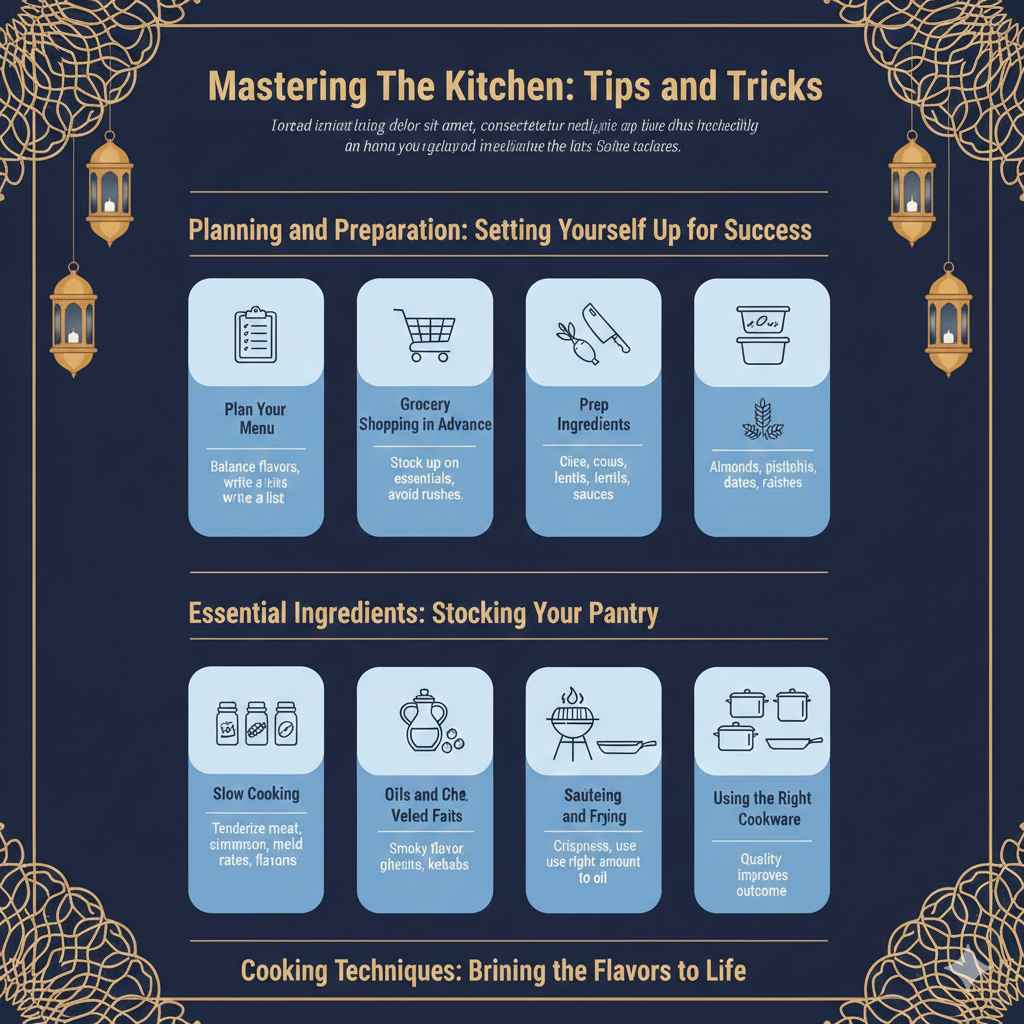
Plan Your Menu: The first step is to plan a menu. Include a range of dishes. Consider the balance of flavors and textures. Write a list of all the ingredients. This makes shopping and preparation more efficient.
Grocery Shopping in Advance: Go grocery shopping before the start of Ramadan. Stock up on essential ingredients. This helps you to avoid last-minute rushes. It ensures that you have everything you need.
Prep Ingredients Early: Make as many components as possible in advance. Chop vegetables, marinate meats, and prepare sauces. This is a huge time-saver. It allows you to focus on the cooking process during the day.
Utilize Leftovers: Have a plan for leftovers. Repurpose them into new dishes. Turn them into quick and easy meals during the week. Consider using leftovers in other meals, so nothing is wasted.
Essential Ingredients: Stocking Your Pantry
Having the right ingredients is key to making delicious Arabic dishes. Having a well-stocked pantry is a must. Many of the ingredients used are readily available at your local grocery store. Some items, such as certain spices or specialty ingredients, can be obtained at Middle Eastern grocery stores. Focusing on getting these essential ingredients can help you start your culinary journey.
Spices and Herbs: Stock up on essential spices like cumin, coriander, cinnamon, cardamom, turmeric, and paprika. Fresh herbs like parsley, mint, and cilantro are often used. These ingredients add flavor and aroma to dishes.
Grains and Legumes: Rice, couscous, bulgur wheat, lentils, and chickpeas are staples. They offer a great base for main courses and salads. They are versatile and a good source of fiber and protein.
Oils and Fats: Olive oil is essential for many Arabic recipes. Other options include vegetable oil and ghee (clarified butter). These are crucial for cooking, frying, and flavor.
Nuts and Dried Fruits: Almonds, walnuts, pistachios, dates, raisins, and apricots add flavor and texture. They can be added to desserts and main courses. These are commonly used in many dishes.
Cooking Techniques: Bringing the Flavors to Life
Mastering cooking techniques will help improve your dishes. Learning common cooking methods will allow you to make your food with great success. From slow cooking and grilling to using the right cookware, these techniques will bring out the best flavors in your Arabic dishes. With some practice and care, you can make amazing food.
Slow Cooking: Slow cooking is ideal for making stews and braised meats. This process helps to tenderize the meat and allows the flavors to meld. Use a slow cooker or a heavy pot on low heat. This will create a flavorful and tender dish.
Grilling: Grilling is often used for meats. This technique adds a smoky flavor to kebabs and grilled meats. Ensure that your grill is hot and clean. This is vital to achieving the perfect char and flavor.
Sautéing and Frying: Sautéing and frying are common cooking techniques. Sautéing is used for vegetables and meats. Frying adds crispness and flavor to dishes. Use the right amount of oil. Control the heat to prevent burning.
Using the Right Cookware: Different cookware types are suited for different cooking methods. Using quality pots and pans improves the outcome of your cooking. Get the correct cookware for each technique.
Frequently Asked Questions
Question: What are the best foods to break your fast with?
Answer: Dates and water are traditional. They provide quick energy and hydration. You can also have a light soup or a small salad.
Question: How do I handle leftovers from my Iftar meals?
Answer: Store leftovers in airtight containers in the refrigerator. Use them within a few days. You can also freeze leftovers.
Question: Are there any vegetarian options for Iftar?
Answer: Yes, there are many vegetarian options. You can prepare lentil soup, tabbouleh, fattoush, falafel, and other vegetarian dishes.
Question: How can I adjust recipes to suit my preferences?
Answer: You can always adjust spices and herbs to suit your taste. You can also experiment with different vegetables and protein sources.
Question: Where can I find authentic Arabic recipes?
Answer: You can find authentic recipes in cookbooks, online blogs, and cooking websites. You can also learn from family members.
Final Thoughts
Cooking Arabic Ramadan Iftar Recipes for a Flavorful Meal is an exciting way to celebrate the spirit of Ramadan. We explored many classic dishes and important parts of Arabic cuisine. It’s a culinary adventure that brings together culture, family, and amazing flavors. Remember, the essence of Iftar lies in the shared experience. It’s about breaking the fast with loved ones. It is about creating and enjoying delicious food. Whether you’re a seasoned chef or a beginner, the joy of preparing and sharing these dishes is undeniable.
Don’t be afraid to experiment, try new things, and enjoy the delicious journey. Every meal you make becomes a celebration of culture and tradition. So, grab your apron, gather your ingredients, and begin cooking!