How to Dry a Wet Couch Fast: 4 Methods
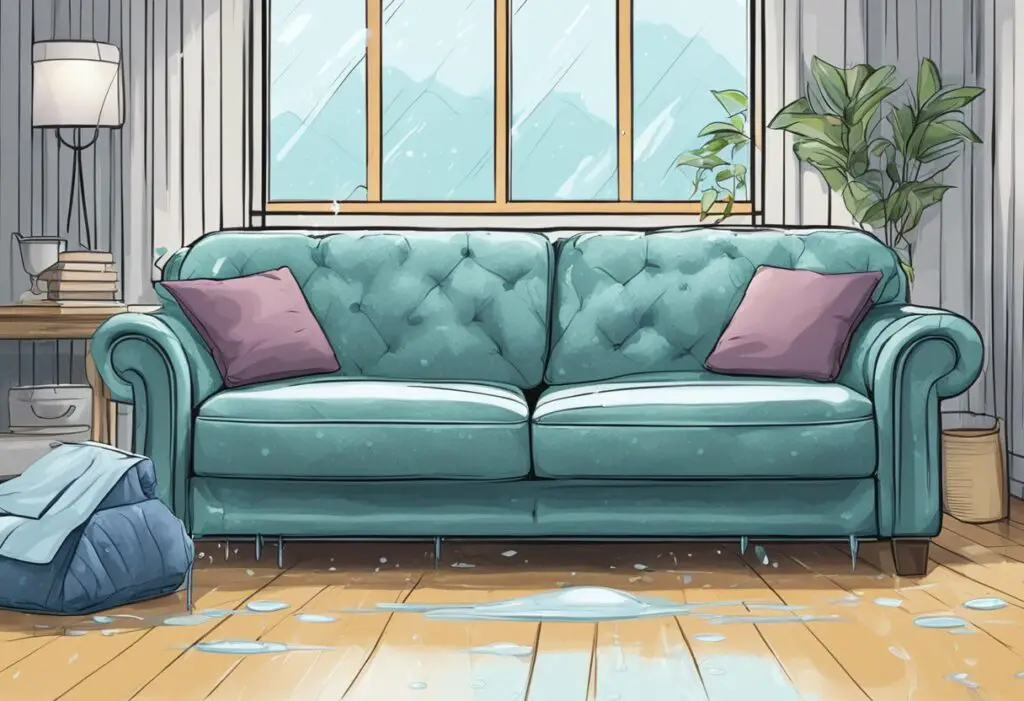
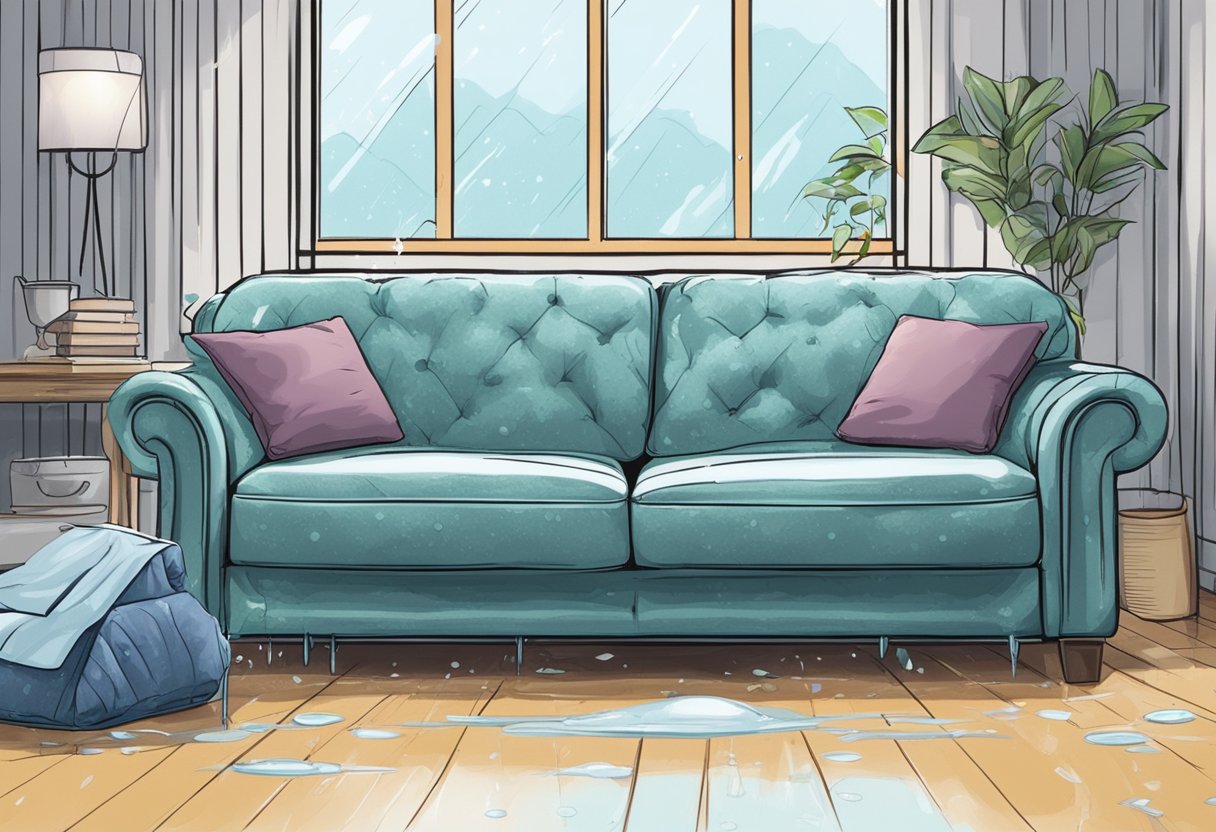
Blot up excess water first, then remove cushions and run fans or a dehumidifier to dry a wet couch fast, whether it’s from a spill, flooding, or rain. Wait too long and trapped moisture can mean mold or a musty smell that outlasts the wet spot itself. This guide covers preliminary steps, four drying methods in order of speed, and the most common causes so you can prevent a repeat.
Preliminary Steps to Dry a Wet Couch
Don’t worry; you can dry it effectively. Here are some initial steps to get started:
Remove Excess Water
Begin by getting rid of any remaining water or liquid. Use towels or a wet/dry vacuum to soak up as much water as possible. Remember to blot, not rub, to avoid damaging the fabric.
Check for Damage
After removing excess water:
- Check your couch for any damage.
- Look for discoloration, watermarks, or issues with the frame or cushions.
- Note any damage for future attention.
- Identify Your Couch Type
The type of couch you have will guide your drying method. Leather couches need different care than fabric ones. Vinyl and synthetic material couches often dry quickly and are simple to clean. Be cautious with couches containing composite materials, as they can be more prone to damage.
Remove Cushions
If your couch has removable cushions or pillows, take them off. This lets air circulate the couch, aiding faster drying. If the cushions are wet, you can place them in the sun outside to dry.
Use Fans and Dehumidifiers
Fans and dehumidifiers are handy tools for drying your couch. Set up fans around the couch to boost airflow and speed up drying. Employ a dehumidifier to remove moisture from the air, preventing mold and mildew.
Best Wet Couch Drying Pick
Small Dehumidifier for Home, 35 OZ, 350 sq ft – $39.99
The dehumidifier this guide names in both the preliminary steps and Method 2 for pulling moisture out of the air around the couch.
- Best for: Use Fans and Dehumidifiers, the preliminary step this guide lists right after removing excess water
- Why we picked it: Covers the 350 sq ft a living room typically needs, matching the room-wide drying this guide recommends
- Main drawback: Small tank needs emptying more often than a larger capacity unit on a heavily soaked couch
Compare more fans, dehumidifiers, and drying gear
 Option 1 PELONIS 20-Inch 3-Speed Box Fan – $39.53
|
 Option 2 CRAFTSMAN 2.5-Gallon Wet Dry Shop Vacuum – $44.99
|
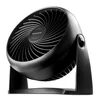 Option 3 Honeywell TurboForce Small Tabletop Air Circulator – $18.79
|
As an Amazon Associate we earn from qualifying purchases.
Methods for Drying a Wet Couch Fast
To dry a wet couch quickly and prevent mold and mildew, take these steps:
Use Towels and Rags
Begin by removing excess moisture. Take towels or rags and gently blot the wet areas. Press down to soak up as much moisture as you can. Change the towels or rags as needed until they no longer absorb moisture.
Employ Fans or Air Conditioners
After removing the excess moisture, use fans or air conditioners to dry the couch. Turn them on and direct the airflow toward the wet spots. This helps air circulation and speeds up the drying process.
Apply Gentle Heat
You can use heat to dry the wet areas. Use a heater or a warm (not hot) hair dryer. Maintain a safe distance to prevent damage to the couch. Move the heater or dryer around to ensure even drying.
Explore Commercial Drying Products
Consider using commercial products designed for rapid drying. These may include dehumidifiers to extract moisture from the air and upholstery cleaners for water stain and odor removal. Always follow the product instructions carefully.
Once the couch is fully dry, a proper cleaning pass gets rid of any residue left behind; see our guide to deep cleaning a sofa.Causes of a Wet Couch

If your couch is wet, it’s crucial to figure out why and take the proper steps to dry it. There are a few reasons your couch might get wet, like spills, floods, or pet accidents.
Once it is dry and clean, refreshing the wall art or shelving above it is an easy way to finish the room; see our decorating above a sofa guide.Spills are a common culprit. Liquids can seep into your couch’s fabric, making it damp, whether it’s a drink or a knocked-over vase. If you act fast, you can prevent it from soaking deeply by blotting the liquid with a clean, dry cloth.
Floods can also leave your couch wet. Heavy rain or a burst pipe can soak your couch. Remove the couch from the flooded area and dry it quickly to avoid mold and mildew.
Pet accidents are another reason. If your pet has an accident on your couch, it leaves a damp spot that’s tough to remove. Pet urine can also cause a strong odor. To clean it, blot up as much as possible and use a pet-specific enzyme cleaner to eliminate the odor.
No matter why your couch is wet, don’t wait. Leaving it wet can lead to mold and mildew, which isn’t good for your health. Identify the cause and dry it promptly to keep your couch clean and comfy.
Products related to this article
Sponsored / affiliate links. As an Amazon Associate I earn from qualifying purchases. I may earn additional commission from eligible campaigns.